A Hollywood Smile begins long before any veneer or crown touches a tooth. In Turkey, Digital Smile Design (DSD) has become the planning system that determines how your smile will look, function, and age. It creates a realistic preview, prevents over-preparation, and protects you from treatment surprises. This guide explains what DSD actually does, how it works step-by-step, and why it matters for anyone traveling to Turkey for a smile makeover.
- Quick Answer: What DSD in Turkey Does Before Any Treatment Begins
- What Hollywood Smile Planning Really Means (DSD vs Guesswork)
- The DSD Input Checklist (Accurate Planning Starts With Accurate Records)
- The DSD Workflow in Turkey (Step-by-Step)
- The DSD Decision Map (How Dentists Prevent Treatment Surprises)
- Comparison Table: DSD vs Traditional Planning
- Your Turkey Trip Timeline With DSD (Realistic + Practical)
- Red Flags (DSD Edition): When “Smile Design” Is Just Marketing
- What to Ask Before Booking DSD in Turkey (Copy/Paste)
Quick Answer: What DSD in Turkey Does Before Any Treatment Begins
DSD is a planning protocol, not a treatment
Digital Smile Design is a structured process that analyzes your teeth, lips, face, and bite to create a customized smile plan before any drilling or shaping begins.
What patients can “see” before they decide
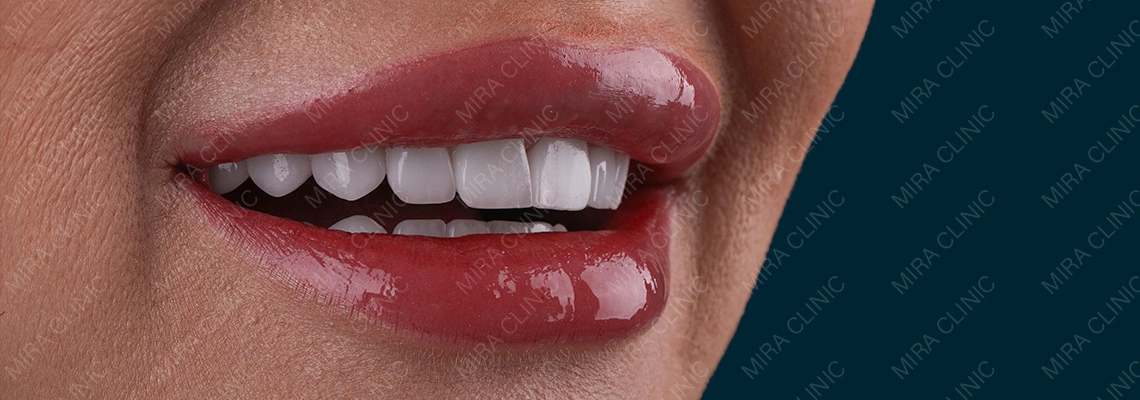
You receive a digital preview of your proposed smile and can test it physically through a mock-up try-on. This helps you approve the shape and proportions before committing.
Why this matters for a Hollywood Smile trip to Turkey
DSD reduces risk. It prevents unnecessary crowns, protects natural enamel, and ensures you know exactly what you’re getting before treatment starts.
What Hollywood Smile Planning Really Means (DSD vs Guesswork)
The difference between choosing a shade and designing a smile
Picking a tooth shade is not smile design. True planning involves proportions, alignment, and harmony—not just colour.
The 3 pillars of DSD planning: teeth, lips, and facial balance
DSD evaluates how your teeth fit your face when smiling, talking, and resting. The goal is a natural look, not a copy-paste design.
Function matters: bite and occlusion cannot be skipped
Aesthetic changes fail when the bite is ignored. DSD ensures that the proposed veneers or crowns will function without cracking or shifting.
The DSD Input Checklist (Accurate Planning Starts With Accurate Records)
Photos: which angles matter and why
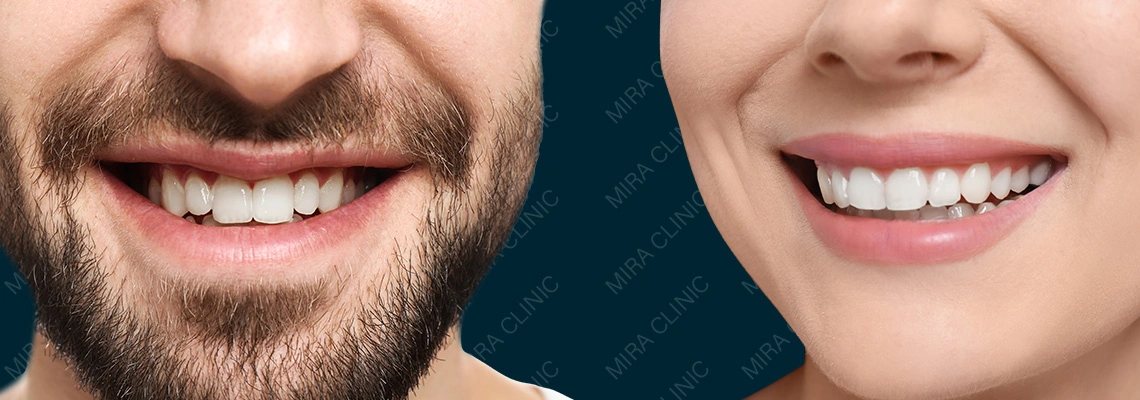
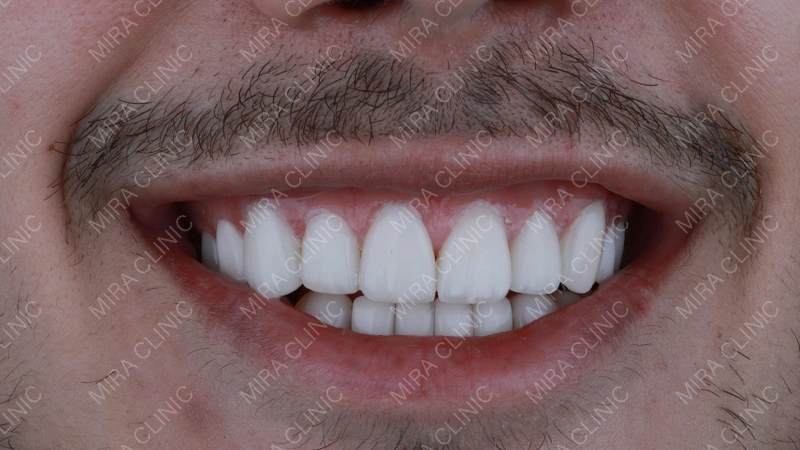
Front, side, smiling, and retracted photos help map proportions. Each angle reveals different details about symmetry and gum display.
Short video: smile in motion and speech analysis
A video shows how lips move and how the teeth appear during natural expression. Static photos cannot capture this.
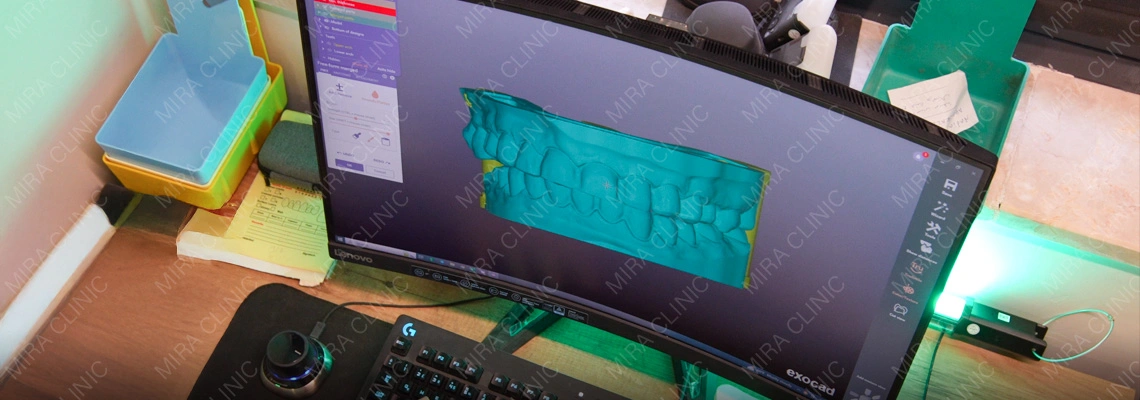
Intraoral scan + X-rays if needed
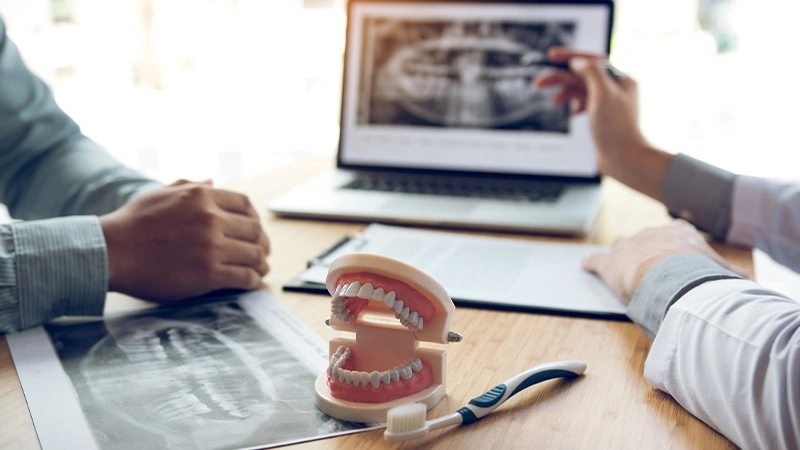
The scan builds a 3D model of your teeth. X-rays help confirm structural strength and roots before planning veneers or crowns.
What international patients should prepare before flying
Most Turkish clinics accept remote photos and videos for pre-checks. This avoids surprises and allows a provisional DSD plan before you arrive.
The DSD Workflow in Turkey (Step-by-Step)
Step 1 — Facial analysis and smile-line mapping
The dentist evaluates your face shape, midline, symmetry, and lip dynamics. This defines the framework for your smile.
Step 2 — Digital tooth proportions and gingival harmony
The ideal length, width, and gum line are calculated digitally. This step reveals whether gum contouring is needed.
Step 3 — Digital preview: your proposed smile
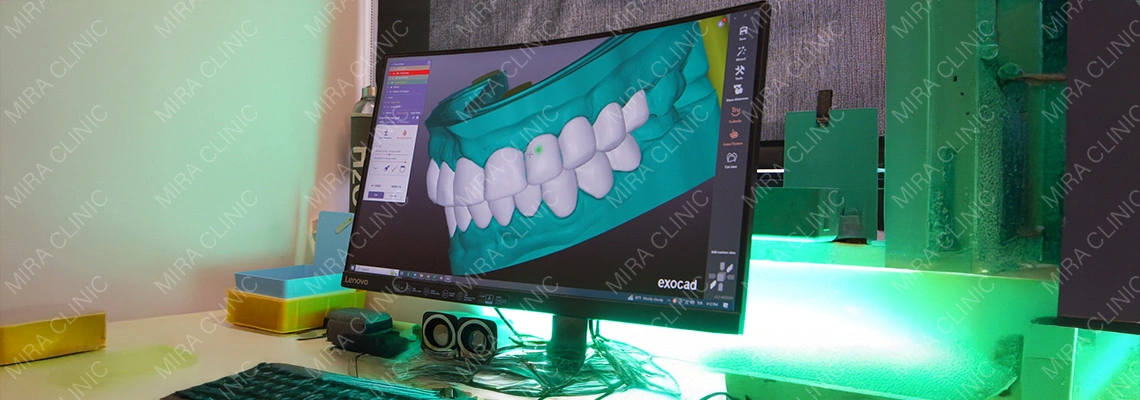
You receive a realistic 2D or 3D simulation that shows the planned result. This is the first moment patients “see” their new smile.
Step 4 — Mock-up try-on: test drive before drilling
A temporary version of the new smile is placed on your teeth. You can check the shape, length, and proportions in real life. Changes are made here—not after tooth preparation.
Step 5 — Final treatment decision: veneers, crowns, gum contouring, or orthodontics
After mock-up approval, the dentist finalizes whether your case needs veneers only, or a combination of crowns, gum reshaping, or orthodontic alignment.
The DSD Decision Map (How Dentists Prevent Treatment Surprises)
When DSD leads to veneers
If teeth are healthy, aligned, and structurally strong, veneers are usually the most conservative choice.
When DSD indicates crowns instead
Crowns become necessary when teeth are heavily filled, cracked, or too short to support veneers.
When DSD uncovers gum or bite issues first
Some cases require gum contouring for a balanced smile. Others need bite correction or orthodontics to prevent veneer failure. DSD reveals these needs early—before irreversible treatment begins.
Comparison Table: DSD vs Traditional Planning
|
Factor |
Digital Smile Design (DSD) |
Traditional Planning |
|---|---|---|
|
Predictability |
High |
Variable |
|
Communication |
Clear preview + test drive |
Limited explanation |
|
Mock-up availability |
Always included |
Often skipped |
|
Bite analysis |
Mandatory |
Not always performed |
|
Revision risk |
Low |
Higher after treatment begins |
|
Patient involvement |
Active decision-making |
Passive acceptance |
Your Turkey Trip Timeline With DSD (Realistic + Practical)
Day 1 — Records, scan, and first preview
You provide photos, videos, and scans. The dentist performs a full smile and facial analysis.
Day 2–3 — Mock-up try-on and design approval
You try the design in your mouth. Adjustments are made until you approve the result.
After design lock — Treatment begins
The timeline depends on whether you need veneers only, or a combination of crowns, gum contouring, or orthodontic stages.

Red Flags (DSD Edition): When “Smile Design” Is Just Marketing
No scan or video—only photos and promises
This means the clinic is not doing real DSD.
No mock-up and no written design approval
You should never begin treatment without testing the design.
No bite or occlusion assessment
Skipping this step leads to veneer fractures and sensitivity.
One design fits everyone
If every patient gets the same tooth shape, the clinic is selling templates, not personalized planning.
What to Ask Before Booking DSD in Turkey (Copy/Paste)
“Will I see a mock-up before any tooth preparation?”
The most important question.
“How will my bite or grinding habits influence the design?”
Essential for longevity.
“What’s included: scan, digital design, mock-up, adjustments, follow-up?”
Clarifies total value.
“Who designs the smile: the dentist, the lab, or both?”
Shows the level of expertise behind your case.