People searching for a faster, more affordable smile improvement often ask the same question: can veneers fix crooked teeth?
The confusion is understandable, especially when before-and-after photos show dramatic changes achieved in just a few days, particularly in Turkey.
The honest answer is that veneers can sometimes make crooked teeth look straight—but they do not straighten teeth in the orthodontic sense. Knowing when veneers are appropriate and when braces or aligners are the safer option helps you avoid unnecessary tooth preparation and choose a result that lasts.
- The Quick Answer (What Actually Works — and What Doesn’t)
- Can Veneers Fix Crooked Teeth? A 60-Second Reality Check
- What Veneers Can Fix — and What They Can’t
- Veneers vs Braces vs Invisalign (Simple, Honest Comparison)
- The “Healthy Teeth First” Checks a Good Clinic Will Do
- If You Choose Veneers: How to Keep Results Natural (Not Bulky)
- Timeline in Turkey (What’s Realistic If You’re Traveling)
- Questions to Ask During an Online Consultation in Turkey
- Final Takeaway
The Quick Answer (What Actually Works — and What Doesn’t)
When veneers can fix crooked-looking teeth
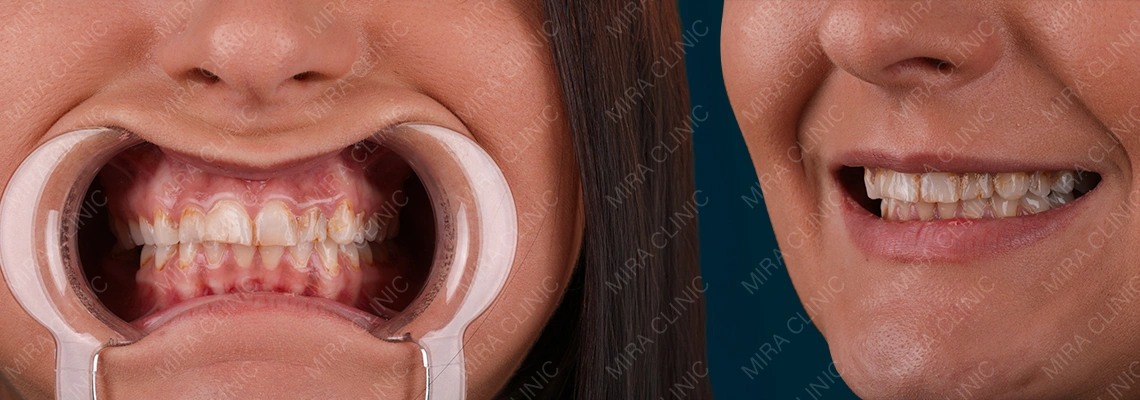
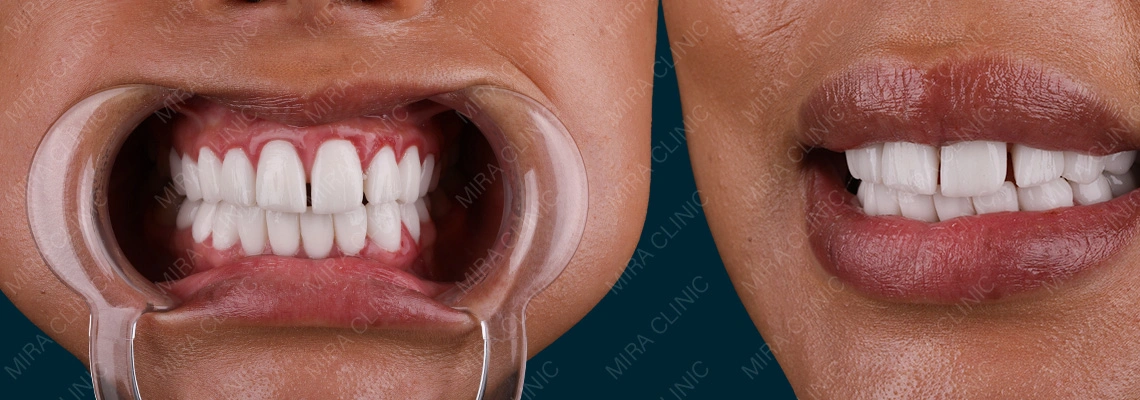
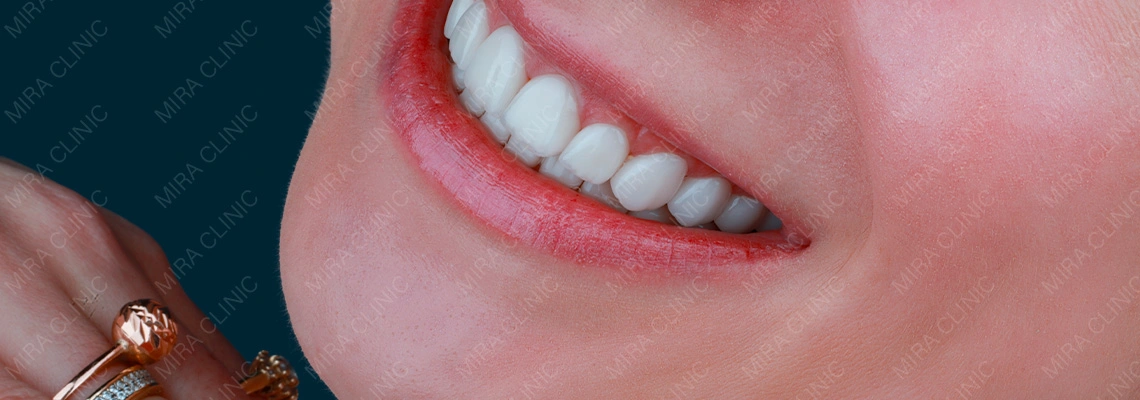
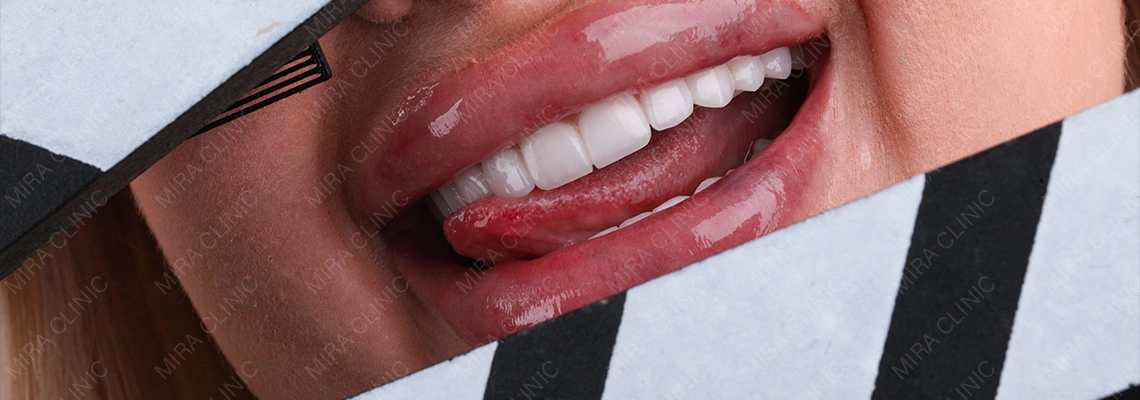
Veneers can work when misalignment is mild and mostly cosmetic. Small rotations, slightly uneven edges, or minor spacing can often be visually corrected by reshaping the visible surface of the teeth. In these cases, veneers act as a form of cosmetic camouflage rather than true alignment correction.
This approach can be appropriate when tooth roots are already well positioned and the bite is stable.
When braces or aligners are the safer choice
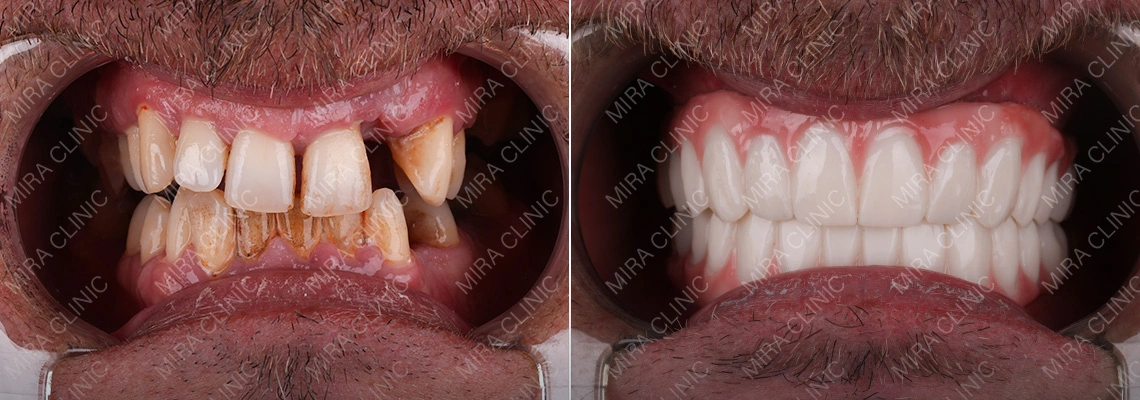
When teeth are crowded, significantly rotated, or part of a bite imbalance, veneers are not the right first solution. In these cases, orthodontic treatment moves the teeth into healthier positions rather than covering the problem.
Understanding this difference leads directly to a clearer reality check.
Can Veneers Fix Crooked Teeth? A 60-Second Reality Check
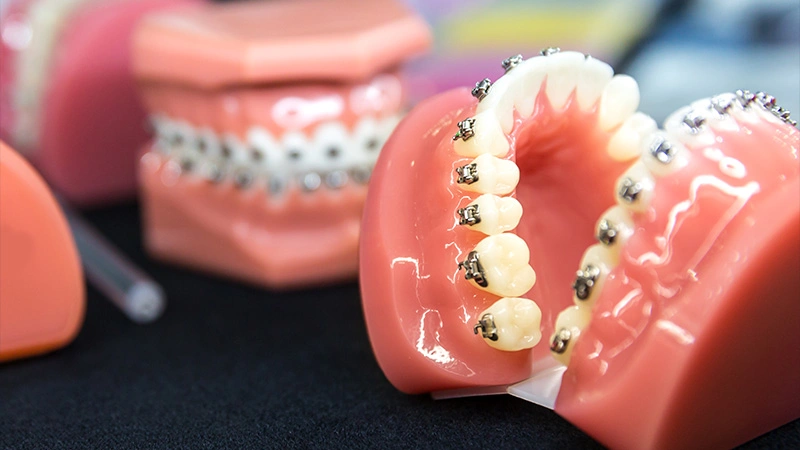
Veneers don’t straighten teeth — they camouflage appearance
Veneers change how teeth look from the front, but they do not move tooth roots or correct alignment beneath the surface.
Mild misalignment can look straight; severe cases won’t
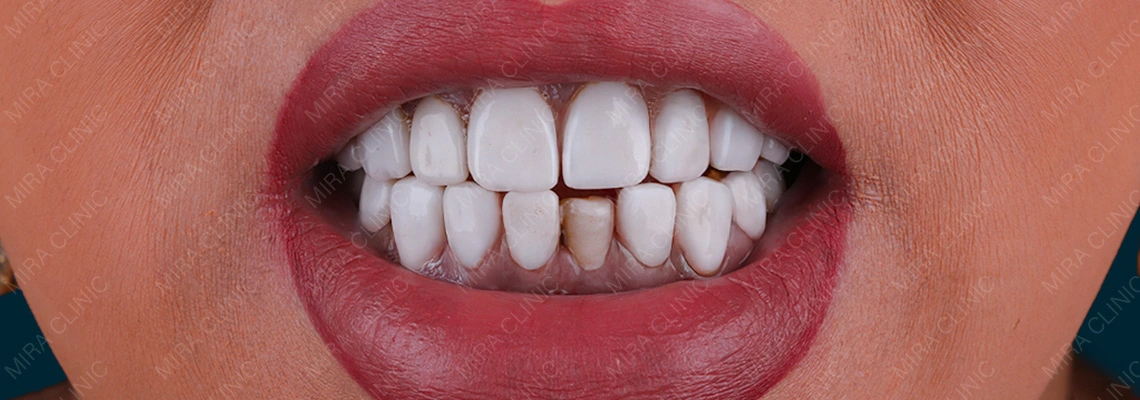
Small cosmetic irregularities can often be disguised, but larger alignment problems usually result in bulky or unnatural veneers.
Correcting alignment vs hiding it leads to very different outcomes
Orthodontics improves function and stability, while veneers focus on appearance. Choosing between them affects not just looks, but long-term tooth health.
To make the right choice, it’s important to know what veneers can and cannot fix.
Check Out: Angela’s Veneers Review in Istanbul | Patient Testimonials
What Veneers Can Fix — and What They Can’t
Camouflage cases: small rotations, minor spacing, uneven edges
Veneers work best when teeth are mostly aligned but have minor visual imperfections. In these situations, conservative preparation can create a balanced, natural-looking smile without major structural changes.
These cases rely on careful design rather than aggressive reshaping.
High-risk cases: crowding, bite issues, severe rotations
When teeth overlap, tilt inward or outward significantly, or contribute to an unstable bite, veneers alone often require excessive thickness to hide the problem.
Why veneers don’t change tooth roots or correct the bite
Veneers only affect the visible surface of teeth. They do not reposition roots or correct how upper and lower teeth meet, which is why orthodontic options are often safer in complex cases.
This brings us to a direct comparison between veneers and braces or aligners.
Veneers vs Braces vs Invisalign (Simple, Honest Comparison)
If your goal is the fastest cosmetic improvement
Veneers usually deliver visible results in days rather than months. For patients traveling to Turkey with limited time, this speed is appealing, especially for events or immediate aesthetic goals.
Speed, however, comes with limitations that must be understood.
If your goal is stable alignment and long-term tooth health
Braces and clear aligners move teeth into healthier positions, improving both function and appearance. Although they take longer, they often reduce the need for extensive cosmetic work later.
Before choosing either route, a clinic should assess overall tooth health first.
The “Healthy Teeth First” Checks a Good Clinic Will Do
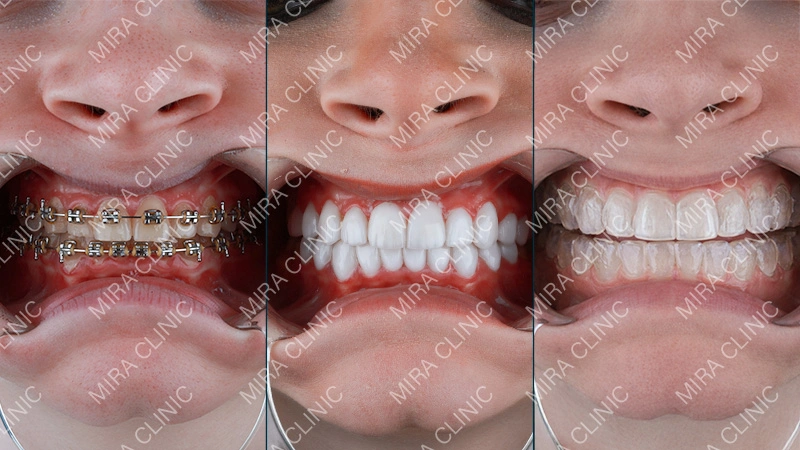
Gum health, cavities, old fillings, and enamel thickness
Healthy gums and sound tooth structure are essential before any cosmetic treatment. Veneers placed over untreated decay or inflamed gums increase the risk of complications and poor longevity.
This evaluation determines whether cosmetic camouflage is appropriate at all.
Bite and grinding (bruxism): why it changes everything
Bite forces and grinding habits can shorten the lifespan of veneers, especially when teeth are already misaligned.
Why camouflaging crooked teeth can worsen bite problems
Adding material to already misaligned teeth can intensify bite stress, leading to chipping, discomfort, or jaw tension. Correcting alignment first often prevents these issues.
For patients who still choose veneers, design becomes critical.
If You Choose Veneers: How to Keep Results Natural (Not Bulky)
The shape rules that avoid the “too thick” look
Natural veneers respect tooth proportions, edge softness, and facial harmony. Overbuilding teeth to hide misalignment is the most common reason veneers look artificial.
Good design minimizes thickness while maintaining balance.
How many veneers you actually need (front 6 vs 8 vs 10)
The number of veneers depends on your smile width, lip movement, and tooth position—not on a fixed package. Treating fewer teeth often produces more natural results.
Why overbuilding teeth is the most common cosmetic mistake
Trying to fix alignment visually by adding bulk often creates long-term functional and aesthetic problems, which becomes especially relevant when planning treatment timelines.
_1769762145.webp)
Timeline in Turkey (What’s Realistic If You’re Traveling)
Veneers timeline vs aligners timeline
Veneers typically fit within a 5–7 day trip, while aligners require longer-term planning and remote follow-up. This difference often drives veneer decisions for international patients.
Understanding timelines prevents rushed or unsuitable choices.
What follow-up looks like once you fly home
Aftercare may include bite adjustments, night guards, or remote check-ins. A clear follow-up plan is essential, particularly when treatment happens abroad.
Asking the right questions early helps avoid surprises later.
Questions to Ask During an Online Consultation in Turkey
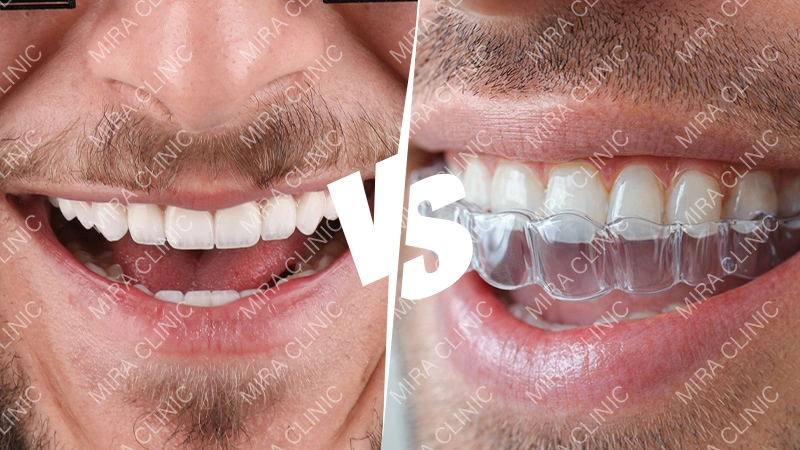
“Can veneers fix my case — or do I need aligners first?”
This question reveals whether the clinic prioritizes diagnosis over speed.
“How much tooth preparation would veneers require for my teeth?”
Clear answers indicate conservative planning rather than assumptions.
“How will you check and protect my bite long-term?”
Long-term comfort depends on bite management, not just appearance.
These questions lead naturally to the most common concerns patients ask.
Final Takeaway
Veneers can sometimes make crooked teeth look straight, but they do not replace orthodontic treatment. The safest and most natural results come from choosing the right tool for the right problem.
Understanding whether your case needs correction or camouflage is the difference between a quick fix and a healthy, long-term smile—especially when treatment takes place abroad.