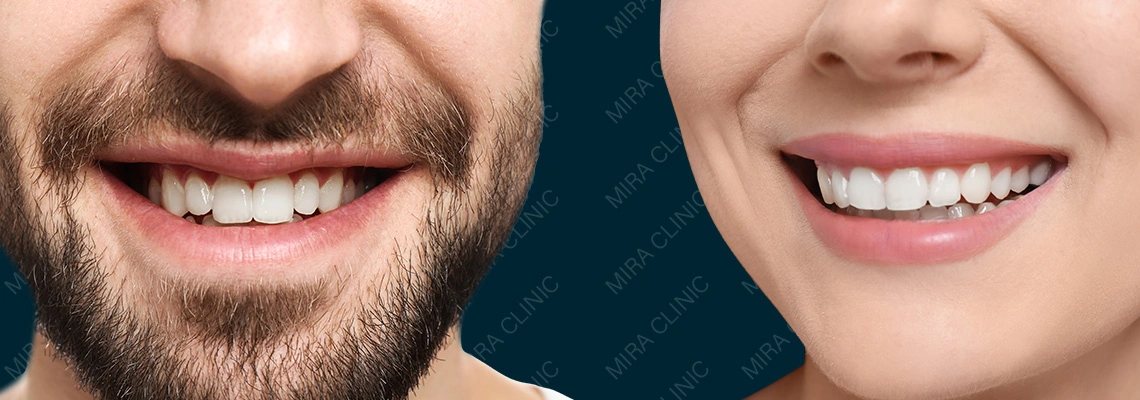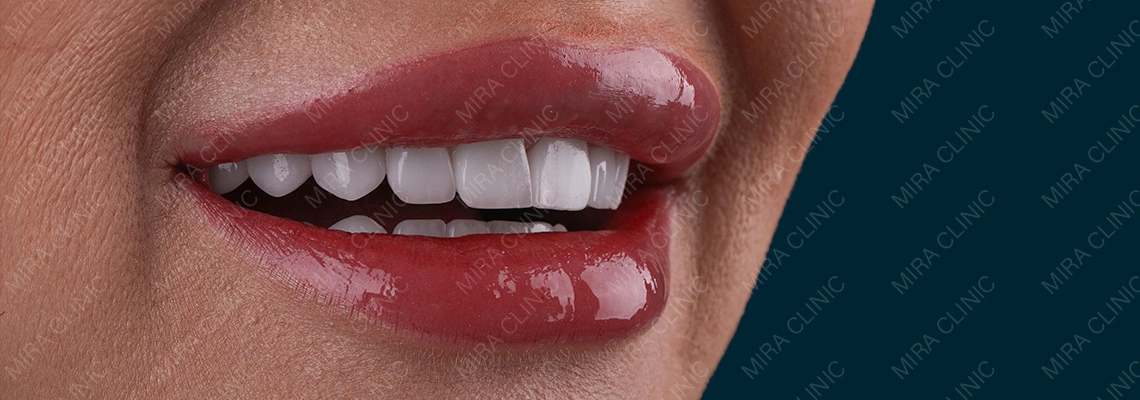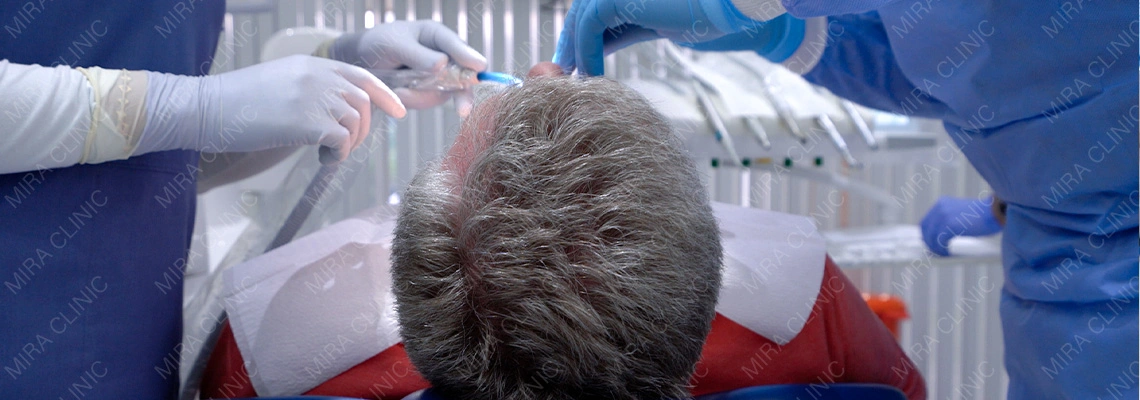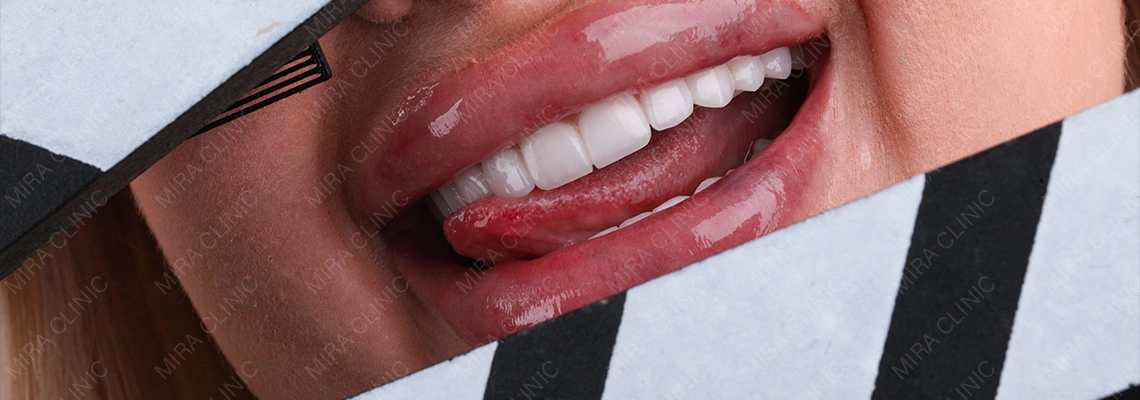
One of the most common concerns patients have before cosmetic dentistry is simple and completely reasonable: do veneers damage teeth in Turkey? The question usually comes from seeing dramatic “before and after” cases, hearing stories about heavily shaved teeth, or worrying that a cosmetic treatment will permanently weaken healthy enamel.
The honest answer is more nuanced than a simple yes or no. Veneers do not automatically ruin teeth, but they can become harmful when the wrong patient gets the wrong treatment, when too much enamel is removed, or when treatment is rushed without proper planning. That is why the real issue is not veneers alone, but how tooth preparation is planned, how much enamel is reduced, and whether veneers are even the right option in the first place. Once that distinction is clear, it becomes much easier to understand where the real risks come from and how safe veneer planning works.
- Quick Answer: Veneers Do Not Automatically Damage Teeth, but Poor Planning Can
- Why Patients in Turkey Worry About Enamel Reduction Before Veneers
- What Tooth Preparation for Veneers Actually Means
- When Enamel Reduction Is Needed and When It May Be Minimal
- Can You Get Veneers Without Shaving Teeth?
- When Crowns Require More Tooth Reduction Than Veneers
- What Makes Veneer Prep Safe or Unsafe
- How Dentists in Turkey Decide Between No-Prep, Minimal-Prep, Veneers, or Crowns
- What Patients Should Ask Before Agreeing to Tooth Prep
- How Safe Tooth Prep Supports Better Hollywood Smile Results
Quick Answer: Veneers Do Not Automatically Damage Teeth, but Poor Planning Can
Veneers are not harmful by definition
Veneers are a restorative cosmetic tool, not automatic tooth damage
Veneers are designed to improve shape, color, and symmetry while preserving as much healthy tooth structure as possible. When used on the right teeth, in the right case, and with conservative planning, they can be a safe and predictable treatment rather than a destructive one.
The problem usually begins with the wrong indication
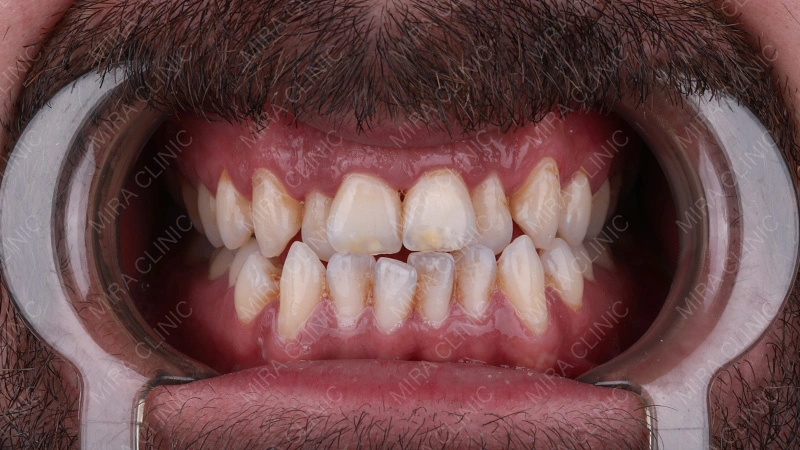
Problems start when veneers are used to solve issues they are not meant to solve, such as severe crowding, unstable bite, major structural weakness, or untreated gum disease. In those situations, the damage is not caused by veneers alone, but by using them where another treatment would have been safer.
Poor planning causes most complications
Over-preparation is more dangerous than the veneer itself
The biggest risk is usually not the veneer material, but excessive enamel reduction for veneers. Removing more tooth structure than necessary weakens the tooth and limits future options, which is why conservative planning is the real safety factor.
Ignoring bite and gum health increases failure risk
Even well-made veneers can fail if the dentist ignores grinding, bite imbalance, or gum inflammation. A beautiful cosmetic plan can become a biological and functional problem if these factors are missed, which is why patients in Turkey often worry about the amount of preparation before they even book treatment.
Safe veneers start with diagnosis, not a package
Tooth condition must come before aesthetics
A safe veneer plan starts with understanding whether the tooth is healthy, how much enamel is present, and whether the bite is stable. These factors matter more than any standard veneer package or social media result.
The right question is not “Can I get veneers?”
The better question is: “Are veneers the most conservative and safest choice for my teeth?” Once that becomes the focus, the next issue patients usually worry about is enamel reduction itself and why it causes so much concern in Turkey.
Why Patients in Turkey Worry About Enamel Reduction Before Veneers
Social media and “Turkey teeth” stories increase fear
Dramatic before-and-after content often hides the process
Many patients see final results online but never see how much preparation was required, why that level of prep was chosen, or whether the original teeth were healthy to begin with. This creates fear because the visible result is separated from the clinical reasoning.
“Shaved teeth for veneers” became a symbol of overtreatment
The phrase shaved teeth for veneers is often used to describe cases where teeth were aggressively reduced for a cosmetic result. While some of these stories are exaggerated, they reflect a real concern: unnecessary preparation can turn a cosmetic treatment into a lifelong restorative commitment.
Package-based thinking creates the wrong expectations
Some patients assume every veneer case follows the same prep
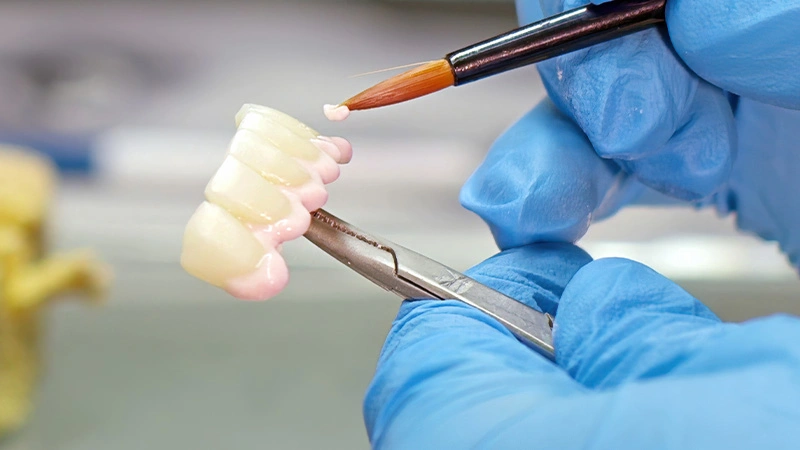
In reality, veneer preparation is not supposed to be standard. One patient may need almost no prep, while another may need more contouring because of tooth position, color, or bite. Confusion starts when patients are shown fixed packages instead of case-based planning.
Fast timelines can make patients fear rushed prep
Because Turkey is a popular destination for dental travel, patients worry that speed may lead to more aggressive preparation. That fear is understandable, which is why a safe clinic must explain the logic behind every millimeter of tooth change before treatment starts.
The real concern is permanency
Enamel does not grow back
Patients worry because enamel is not renewable. Once it is removed, the tooth will never return to its untouched state, which is why prep decisions must be made very carefully.
Wrong prep can limit future treatment options
Excessive reduction today can create more dependence on future restorations later. This is why patients do not just want to know whether prep is needed; they want to know what tooth prep for veneers actually means in real clinical terms.
What Tooth Preparation for Veneers Actually Means
Tooth prep is not one single technique
Preparation can range from none to moderate
Tooth preparation means adjusting the tooth surface so the veneer can fit naturally, bond properly, and look balanced. This may range from no preparation at all to slight enamel contouring or more standard preparation depending on the case.
The goal is fit, not aggressive reduction
The purpose of prep is not to “shave teeth down” for the sake of speed. It is to create enough space for the veneer so it does not look bulky, feel unnatural, or sit poorly against the gums.
Prep is influenced by the starting tooth position
Protrusive teeth may need more reduction
If teeth already project outward, some preparation may be needed to prevent the veneers from looking thick or overbuilt. In these cases, prep is driven by shape and space, not by habit.
Flat or worn teeth may need less reduction
When teeth are small, worn, or already positioned favorably, preparation may be minimal or unnecessary. This is why the starting anatomy matters so much before any cosmetic decision is made.
Prep is also influenced by color and material
Dark teeth may need more space for masking
If the underlying tooth color is very dark, the veneer may need slightly more thickness to hide it properly. That may require more preparation than a case where the tooth color is already favorable.
Material choice affects thickness requirements
Some veneer materials can achieve a natural look at thinner thicknesses, while others need more space. This is why prep planning cannot be separated from shade planning and material selection, which leads directly to the next question: when is enamel reduction actually needed, and when can it remain minimal?
Read more: How Many Veneers Do You Need? 6 vs 8 vs 10 vs 20 Teeth
When Enamel Reduction Is Needed and When It May Be Minimal
Enamel reduction is justified only when it solves a real design problem
Prep may be needed to avoid bulky veneers
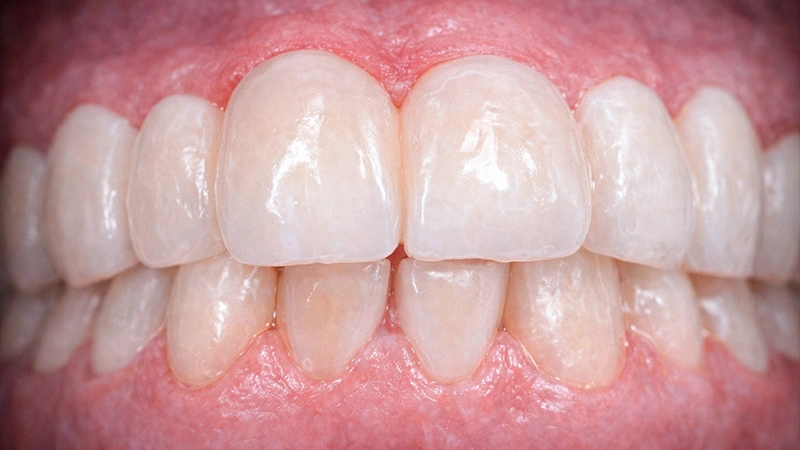
When the goal is to improve alignment, mask color, or refine tooth shape, a small amount of enamel reduction may be required to make the final veneers sit flush and look natural. Without it, the result may look thick or artificial.
Prep may be needed to improve edge harmony
In some cases, enamel is adjusted to create smoother transitions at the edges and a better fit between veneer margins and natural tooth structure. This helps both aesthetics and hygiene when done conservatively.
Minimal prep is often possible in favorable cases
Small cosmetic changes need less intervention
If the patient mainly wants to refine shape, close a tiny space, or brighten teeth with good alignment, minimal prep veneers Turkey may be enough. These cases are usually the safest because they preserve more enamel.
Good enamel and stable bite support conservative prep
When tooth position, enamel thickness, and bite are all favorable, dentists can often keep preparation very light. This is why a full clinical exam matters before anyone promises a “Hollywood Smile.”
Some cases need more than minimal prep
Crowded or rotated teeth may need a different plan
If teeth are too crowded or significantly rotated, aggressive veneer prep is often a sign that orthodontics should have been considered first. In these situations, more prep does not necessarily mean better treatment.
Deep discoloration may require more thickness
Certain teeth need more masking ability, which can increase prep slightly, though this should still stay within a conservative plan whenever possible. At this point, many patients ask a related question: can veneers ever be done without shaving teeth at all?
Can You Get Veneers Without Shaving Teeth?
No-prep veneers are real, but not for everyone
No-prep veneers work best in selected cases
No prep veneers Turkey can be possible when teeth are small, slightly spaced, or positioned in a way that allows added material without making them look bulky. These are usually highly selective cases rather than the norm.
No-prep is not a synonym for “better”
No-prep is only better when the case supports it. If the teeth are already prominent or crowded, adding veneers without preparation may create a thick, unnatural result that looks worse rather than better.

Minimal-prep is more common than true no-prep
Many patients are better candidates for very light contouring
A minimal-prep approach often provides the safest compromise between enamel preservation and natural aesthetics. In real cosmetic dentistry, “minimal” is frequently more realistic than “none.”
The best plan is the least invasive plan that still looks natural
The goal is not to chase a marketing label, but to choose the lowest level of intervention that still gives a healthy, believable smile. That is why comparing veneers to crowns becomes important when the tooth is more compromised.
No-prep cases still require full planning
Even no-prep veneers need bite and smile design analysis
No-prep does not eliminate the need for scans, photos, and bite evaluation. A veneer can still fail or look bulky if the planning is poor.
Conservative treatment is still planned treatment
The word “no-prep” should never replace diagnosis. It only describes the level of tooth reduction, not whether the case is appropriate, which is why understanding when crowns remove more tooth than veneers matters next.
When Crowns Require More Tooth Reduction Than Veneers
Crowns usually involve greater structural change
Crowns cover the whole tooth, not just the front surface
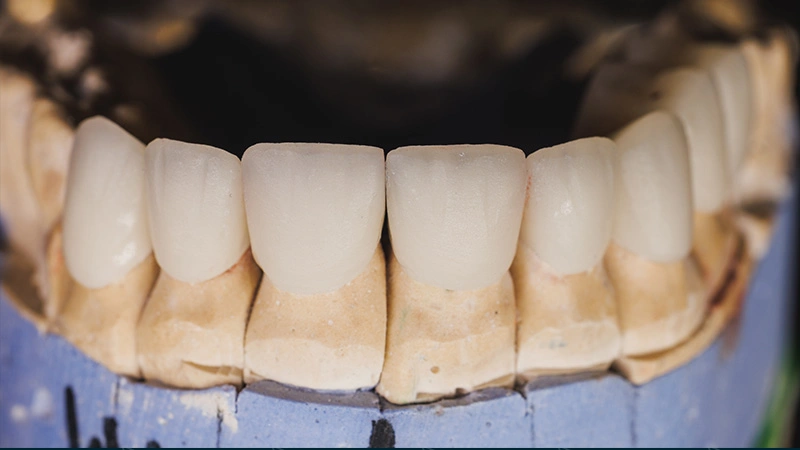
In most situations, veneers vs crowns tooth preparation is not a close comparison. Veneers usually affect the front facial surface, while crowns require reduction around the full tooth circumference.
More coverage usually means more reduction
Because crowns must fit over the entire tooth, they often require significantly more preparation than veneers. This makes them less conservative, even when they are clinically necessary.
Crowns are safer only for structurally compromised teeth
Weak teeth may not be good veneer candidates
If the tooth has a large filling, crack, root canal treatment, or reduced structural strength, a crown may actually be safer than a veneer because it offers full coverage and reinforcement.
Crowns should not replace veneers for convenience alone
Crowns should not be used simply because they are easier to plan in a rushed cosmetic workflow. If a veneer can safely do the job, it is usually the more conservative choice.
The wrong choice changes the long-term commitment
Veneers preserve more options when enamel is preserved
The less tooth reduction performed, the more conservative the long-term restorative pathway remains. This matters because cosmetic dentistry should not create more future dependency than necessary.
Crowns commit the tooth more fully to restorative care
Once a tooth has been prepared for a crown, it will always need crown-level coverage. That is why the line between safe and unsafe preparation is so important to define clearly.
What Makes Veneer Prep Safe or Unsafe
Safe prep begins with respecting enamel
The safest prep preserves as much enamel as possible
Safe veneers Turkey depends heavily on staying in enamel whenever feasible. Enamel bonds better than deeper tooth structure and supports longer-lasting, more predictable veneers.
Unsafe prep removes more structure than the case requires
When tooth reduction is driven by speed, habit, or poor planning rather than clinical need, the treatment becomes riskier. This is where “do veneers ruin teeth” becomes a real concern, not because veneers are bad, but because the plan was wrong.
Safe prep requires matching treatment to the tooth
Healthy teeth are treated differently than restored teeth
A tooth with intact enamel should not be prepared the same way as a tooth with large restorations or previous damage. Good dentistry adapts the prep to the condition of each tooth rather than forcing a single pattern.
Safe treatment may combine veneers and crowns
Some smiles are safest when certain teeth receive veneers and others receive crowns. This is a sign of individualized planning, not inconsistency.
Unsafe prep often ignores function
Grinding and bite pressure can turn a cosmetic case into a fracture case
If the dentist ignores grinding, heavy bite forces, or unstable contacts, even well-made veneers may fail sooner than expected. Function matters as much as appearance.
Bad prep often leads to bulky aesthetics or short lifespan
Unsafe planning can cause sensitivity, gum irritation, poor hygiene access, and an artificial look. That is why dentists in Turkey must decide not just whether veneers are possible, but which level of prep is appropriate.
Read more: Are Veneers Reversible? What Happens If You Change Your Mind Later
How Dentists in Turkey Decide Between No-Prep, Minimal-Prep, Veneers, or Crowns
The decision starts with tooth position and enamel
Tooth shape and projection affect prep level
If teeth are already protrusive, the dentist may need some preparation to avoid bulky veneers. If they are small or retruded, no-prep or minimal-prep options may be more realistic.
Enamel thickness influences veneer safety
A tooth with healthy enamel offers better bonding conditions and more conservative possibilities. This is why enamel evaluation is central to deciding between no-prep, minimal-prep, or another restoration route.
The decision also depends on damage and restorations
Heavily restored teeth may not support veneers well
If a tooth already has large fillings or structural weakness, the dentist may move away from veneers and toward crowns for long-term stability.
Strong teeth with cosmetic concerns favor conservative veneers
Teeth that are healthy but discolored, slightly uneven, or chipped are often the best candidates for veneers with minimal intervention.
The bite and the smile goal refine the final choice
Natural-looking goals may reduce prep needs
Patients who want a subtle result often allow more conservative treatment planning than patients demanding an ultra-white or dramatically changed smile.
Bite stability can change the entire plan
A stable bite supports veneer treatment. An unstable bite may shift the plan toward orthodontics, bite stabilization, or selective crowns. That is why patients need to know what to ask before they agree to any preparation.
Read more: Hollywood Smile in Turkey vs UK (2026): Sam Maxwell’s Natural Veneers Experience
What Patients Should Ask Before Agreeing to Tooth Prep
Ask about the amount of preparation
Ask how much enamel will be removed
Patients should ask directly how much tooth prep veneers will require in their case. Specific answers are a good sign that the plan is individualized.
Ask whether prep stays mostly in enamel
This question helps patients understand whether the dentist is aiming for a conservative approach or moving into deeper reduction without strong justification.
Ask about alternatives
Ask whether no-prep or minimal-prep is realistic
If the patient is concerned about enamel preservation, it is reasonable to ask whether a less invasive option is possible and why or why not.
Ask whether orthodontics or bonding should be considered first
In some cases, aligners or bonding may reduce the need for aggressive veneer prep. A trustworthy clinic should be able to explain when these alternatives make sense.
Ask about bite, longevity, and follow-up
Ask how grinding or bite issues are handled
If the patient grinds, clenches, or has bite irregularities, the clinic should explain how those risks are managed before veneers are placed.
Ask what happens if the result feels off later
Patients traveling to Turkey should know the plan for follow-up, adjustments, and protection after treatment. These questions are especially important because safe prep is directly tied to how natural and durable the final Hollywood Smile looks.
How Safe Tooth Prep Supports Better Hollywood Smile Results
Conservative prep improves natural aesthetics
Less bulk usually creates a more believable smile
When unnecessary thickness is avoided, the final veneers are more likely to follow the natural contour of the teeth and lips. This helps create a refined result rather than an overbuilt one.
Preserved enamel supports better integration
A veneer bonded conservatively tends to look and behave more naturally because the tooth structure underneath remains more stable and better suited to adhesion.
Safe prep supports comfort and longevity
Conservative treatment usually reduces sensitivity risk
The less invasive the preparation, the lower the chance of post-treatment sensitivity and biological stress. This helps patients enjoy the cosmetic result rather than manage avoidable complications.
Better planning usually means longer-lasting restorations
Restorations placed on the right teeth, with the right prep, in the right bite environment are more likely to perform well over time. This is why conservative prep and high aesthetic standards are not separate goals—they support each other.
Good Hollywood Smile results begin before veneers are made
Smile design and prep should work together
The best cosmetic outcome does not come from aggressive reduction followed by “fixing” the appearance later. It comes from planning the appearance before the tooth is touched.
Safe planning is what makes cosmetic dentistry sustainable
A natural-looking Hollywood Smile in Turkey should not depend on over-treatment. It should depend on diagnosis, restraint, and respecting what the teeth can safely support, which leads directly to the most common patient questions.
Read more: Can Veneers Fix Crooked Teeth? When It Works (and When Braces Are the Better Move)