Veneers are often presented as a simple cosmetic upgrade. But one of the most important questions patients ask—especially those considering veneers in Turkey—is rarely answered clearly: are veneers reversible?
The honest answer is not a simple yes or no. Some changes can be adjusted or replaced later. Others are permanent once tooth structure is altered. Understanding the difference before you start helps you avoid regret, unnecessary tooth reduction, and unrealistic expectations.
This guide explains what “reversible” really means in dentistry, what happens if veneers are removed later, and how to choose safer options if you are unsure.
- The Answer (1-Minute Explanation)
- Veneer Reversibility Scale (Quick Comparison)
- Which Veneers Are More Reversible (And Which Aren’t)
- What Happens If You Remove Veneers Later
- Can You Ever Go Back to Your Natural Teeth After Veneers?
- If You’re Unsure, Do This Before Committing
- Questions to Ask a Clinic in Turkey Before You Start
- Final Takeaway
The Answer (1-Minute Explanation)
What “reversible” really means in dentistry
In dentistry, “reversible” does not mean that nothing changes. It means whether your teeth can return close to their original condition without requiring another permanent restoration.
If enamel is untouched or only minimally affected, some reversibility is possible. If enamel is reshaped or removed, the change is permanent—even if the veneers are later taken off.
The simple rule
Some aspects of veneers can be changed later, such as shade or shape through replacement.
Lost tooth structure cannot be put back.
Veneer Reversibility Scale (Quick Comparison)
From most reversible to least reversible:
- Whitening
- Composite bonding
- True no-prep veneers
- Minimal-prep veneers
- Traditional veneers
- Crowns
The further down this scale you go, the less reversible the decision becomes.
Which Veneers Are More Reversible (And Which Aren’t)
No-prep veneers: when “reversible” is more realistic
No-prep veneers are placed without drilling or reshaping the enamel. When genuinely appropriate, they are the closest option to being reversible.
Why true no-prep cases are limited
Only certain tooth shapes and alignments qualify. Many cases marketed as “no-prep” still involve minor enamel adjustment. If enamel is altered, full reversibility is no longer possible.
Minimal-prep veneers: what usually changes permanently
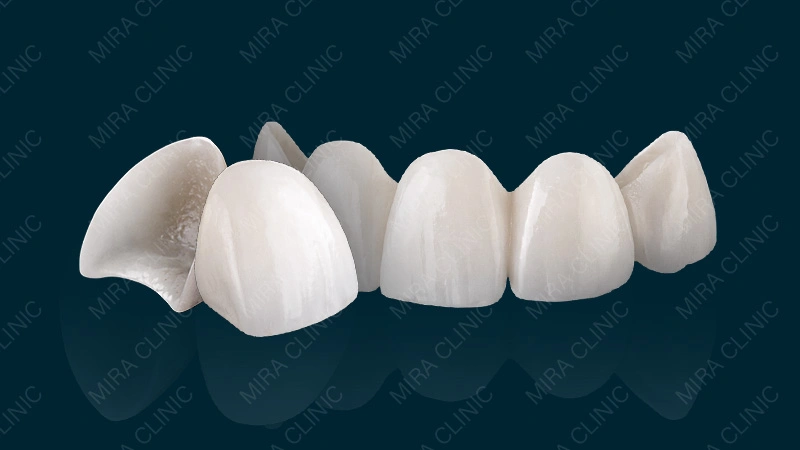
Minimal-prep veneers remove a thin layer of enamel to allow better fit and aesthetics.
Enamel loss vs shape change
Even small enamel removal is permanent. While the visual outcome can be adjusted later with replacement veneers, the tooth will always require coverage afterward.
Traditional veneers and crowns: why they’re considered permanent
Traditional veneers involve more enamel reduction. Crowns involve full circumferential coverage.
Why crowns are never reversible
Crowns require significant tooth reduction. Once placed, the tooth will always need a crown or similar restoration for protection.
What Happens If You Remove Veneers Later
If little enamel was removed
Your teeth may feel more sensitive and may not look the same as before. Cosmetic refinements or protective restorations are often needed.
Sensitivity and aesthetics
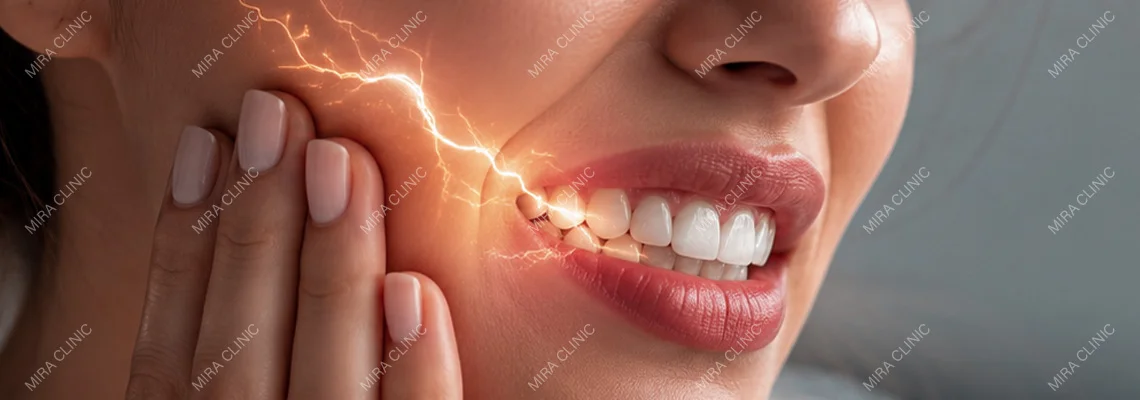
Even without visible damage, exposed enamel can feel uncomfortable, and colour or shape may be compromised.
If enamel was reshaped
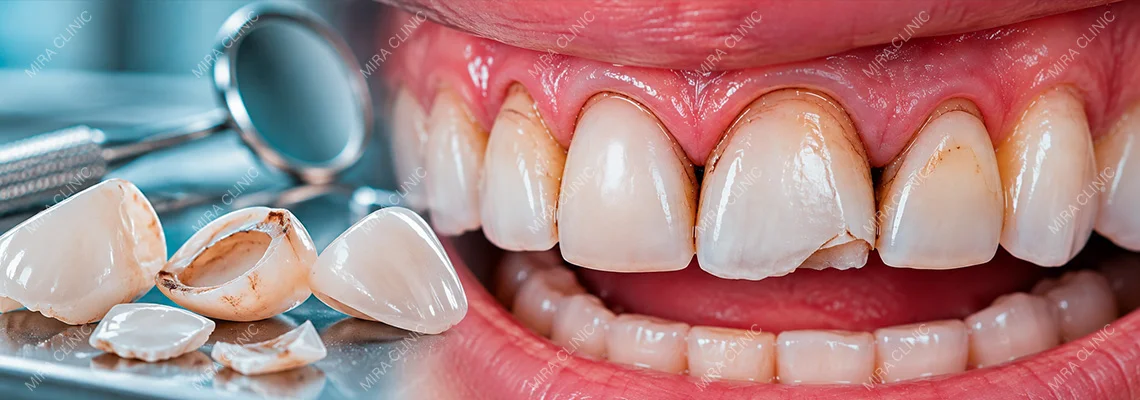
Removing veneers leaves teeth unprotected and visually altered.
Why “going back” isn’t realistic
In these cases, new veneers or alternative restorations are required. Returning to untreated natural teeth is not feasible.
Common reasons people remove or replace veneers
- Regret over shade or shape
- Wear or chipping
- Bite discomfort
- Gum changes over time
Replacement is far more common than full removal.
Can You Ever Go Back to Your Natural Teeth After Veneers?
Best-case scenarios
If veneers were truly no-prep and removed carefully, the teeth may resemble their original state, though minor sensitivity or colour differences can remain.
What’s not realistic
Once enamel is reduced, natural teeth cannot be restored to their untouched condition. Coverage will always be required.
If You’re Unsure, Do This Before Committing
Whitening or bonding first
If your main concern is colour or small chips, whitening or composite bonding may achieve the result without permanent changes.
Why this reduces regret
These options preserve enamel and allow you to reassess before committing to veneers.
Mock-up or try-in before irreversible steps
A digital preview or physical mock-up lets you see the final look before preparation.
Why previews matter more in Turkey
Short treatment timelines and travel pressure make it essential to confirm aesthetics before any permanent step.
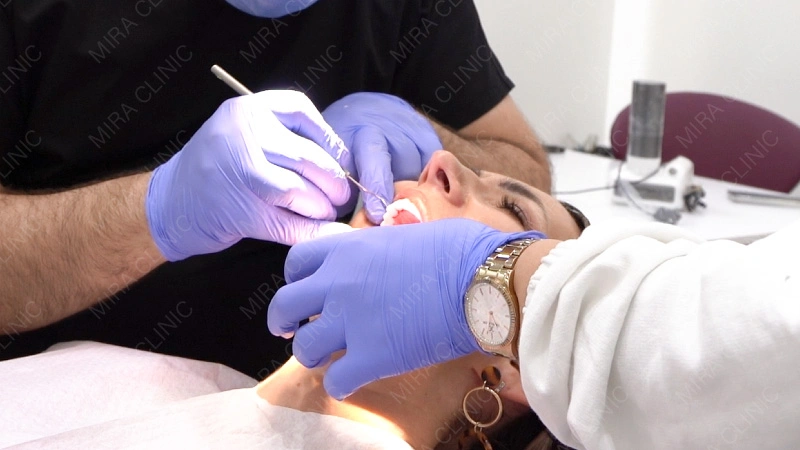
Conservative planning for grinders and “natural-look” patients
Patients who grind their teeth or prefer subtle results should prioritize conservative preparation and protective planning.
Questions to Ask a Clinic in Turkey Before You Start
“How much tooth reduction do you expect in my case (in millimeters)?”
Specific numbers indicate careful planning.
“Can you show conservative options and a preview before prep?”
This reveals whether alternatives are considered.
“If I don’t like the shade or shape, what can change before final bonding?”
Adjustments should happen before, not after, cementation.
Final Takeaway
Veneers are not automatically irreversible—but they are not temporary either.
The most important decision is not the material or destination. It is how much natural tooth is changed.
If you understand what is permanent, choose conservative planning, and insist on previews before preparation, veneers can be a confident decision rather than a regretful one.