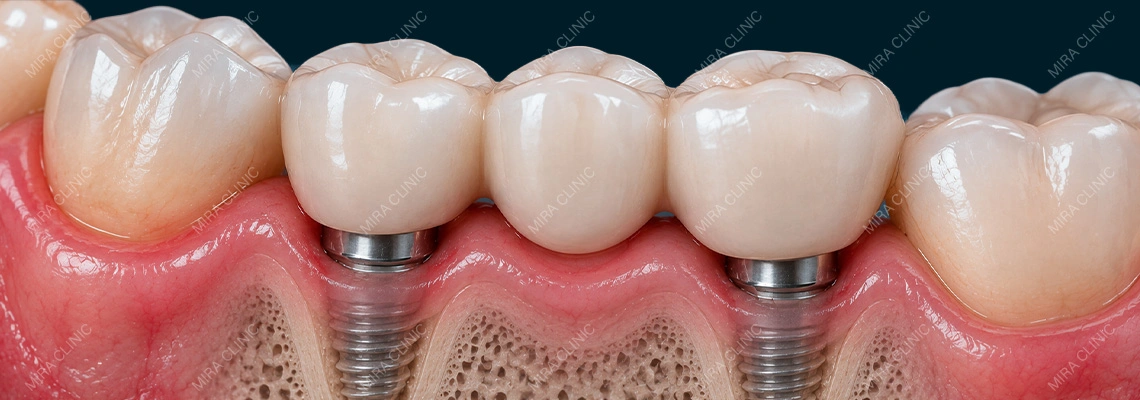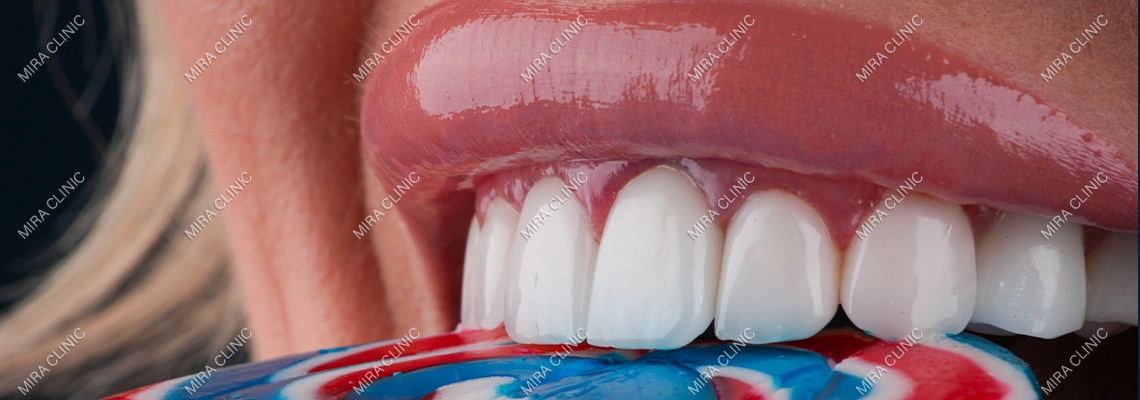
One of the most common questions patients ask before getting veneers is also one of the most practical: will I still be able to eat normally? The short answer is yes. Veneers are designed to function in everyday life, which means they should allow you to enjoy normal meals, social dining, and routine food choices without living in constant fear of damaging your smile.
But “eating normally” does not mean eating carelessly. Veneers are durable, not indestructible. Long-term comfort and appearance depend on how well the veneers are designed, what material is used, how balanced the bite is, and how well the patient follows smart daily habits. That is why this guide focuses not on fear, but on clarity. The goal is to help patients understand what veneers can handle, what habits put them at risk, and how good veneers care supports both aesthetics and daily function.
- Quick Answer: Yes, You Can Eat Normally with Veneers — but Smart Habits Matter
- How Veneers Handle Everyday Eating
- Foods You Can Usually Eat Normally with Veneers
- Foods and Habits That Can Put Veneers at Risk
- Can Drinks Stain Veneers or Change Their Look
- The First Days After Veneers: When Eating Should Be More Careful
- Do Veneers Feel Different When You Eat
- How Veneers Care Affects What You Can Eat Long Term
- How to Avoid the “Fake Veneers” Look While Eating and Drinking Normally
- Final Verdict: Veneers Should Let You Live Normally — with Smarter Habits
Quick Answer: Yes, You Can Eat Normally with Veneers — but Smart Habits Matter
Most patients can return to normal eating with veneers. Everyday meals, normal chewing, and standard food textures are usually not the problem. The bigger issue is misuse: biting very hard objects, using teeth as tools, ignoring bite problems, or exposing veneers to repeated stress over time.
This is important because many patients either become too afraid to eat normally or assume veneers can handle anything. Neither mindset is helpful. Veneers are made for routine function, but long-term success depends on understanding the difference between normal eating and unnecessary strain.
In practical terms, normally eating with veneers means enjoying regular food while being more thoughtful about extreme hardness, repetitive pressure, and staining habits. That is the balance that protects both the bond and the beauty of the smile.
How Veneers Handle Everyday Eating
Veneers are designed to tolerate normal day-to-day use. That includes meals, snacks, chewing, and the normal range of temperature changes from food and drinks. For most patients, once the early adjustment period passes, veneers become part of daily life rather than something they constantly notice.
What veneers are designed to tolerate
Well-made veneers should function comfortably in regular daily eating. That includes:
- chewing soft to moderately firm foods
- eating cooked meals
- drinking hot and cold beverages
- participating in normal restaurant and social dining
Chewing normal meals
Ordinary meals such as eggs, rice, bread, pasta, chicken, fish, vegetables, and sandwiches are usually not a problem for veneers. These are part of normal oral function and should not feel dangerous when the veneers have been designed and bonded correctly.
Hot and cold foods in daily life
Patients sometimes worry that veneers make the teeth fragile around temperature. In reality, most people can still enjoy normal hot and cold foods. Some temporary sensitivity may occur after placement, but that usually belongs to the adjustment phase rather than a permanent limitation.
Why veneer materials matter
Not all veneers behave exactly the same way. One reason veneer materials matter is that they affect strength, stain resistance, surface polish, and how the smile responds over time.
Porcelain veneers
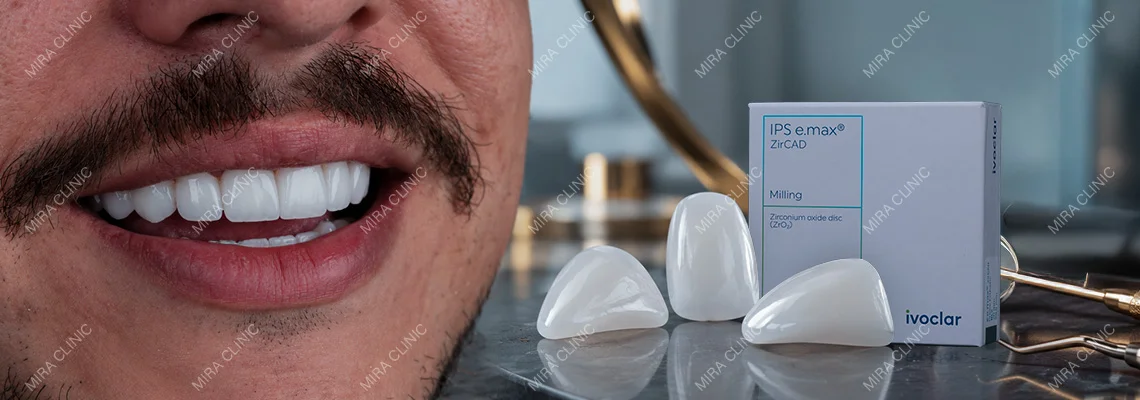
Porcelain veneers are generally the strongest and most stain-resistant option for long-term cosmetic use. They tend to perform better in normal eating and usually keep their appearance more predictably over time.
Composite or temporary-style veneers
Composite veneers or temporary-style solutions are often less durable and may be more prone to wear, staining, or edge changes. This is one reason they should not be treated as equal to high-quality porcelain when discussing long-term eating habits.
How veneer material affects food tolerance
The stronger and more refined the material, the more confidently it can usually handle normal daily use. But even good material does not cancel out bad habits. The smartest approach is still to eat normally while respecting the limits of cosmetic dental work.
What affects eating comfort in the first days
Right after veneer placement, eating may feel slightly unfamiliar. That does not mean the veneers are failing. It usually means the mouth is adjusting.
Sensitivity after placement
Some patients notice mild sensitivity to hot or cold foods in the first days after veneers. This is often temporary and tends to improve as the teeth settle.
Adjustment to bite and texture
The veneers may feel slightly different against the lips, tongue, or opposing teeth at first. This is common in the early adjustment phase and usually settles as the mouth adapts.
When eating starts to feel normal again
For many patients, normal eating begins to feel more natural after a short period of adaptation. If chewing still feels clearly wrong or uncomfortable beyond the expected early phase, the bite may need review.
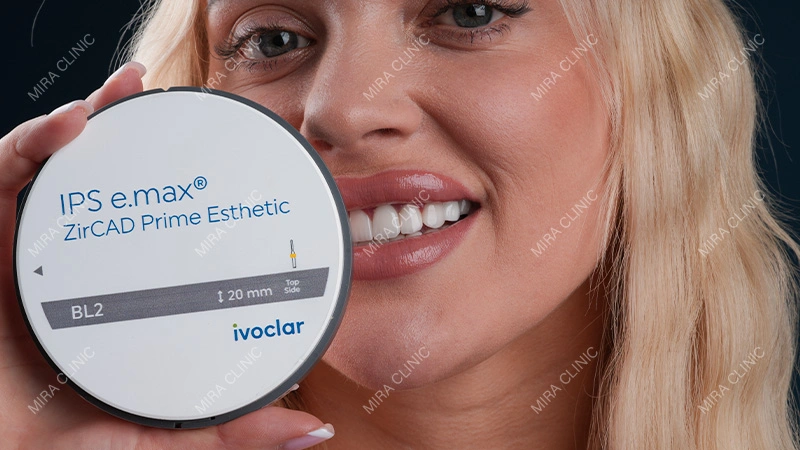
Foods You Can Usually Eat Normally with Veneers
A common fear is that veneers mean a life of restrictive eating. In most cases, that is not true. Patients can usually enjoy a broad and normal diet.
Soft and standard everyday foods
Most everyday meals fall into the safe and normal category for veneers.
Rice, pasta, bread, eggs, cooked vegetables
These are routine foods that veneers are generally expected to handle without concern.
Chicken, fish, and normal protein foods
Normal protein foods are also usually well tolerated, especially when they are not being torn or bitten in an unusually forceful way.
Fresh foods and balanced meals
Veneers are not meant to isolate a patient from healthy eating.
Fruit and salads
Most fruits and salad ingredients are fine in normal daily eating, though very hard biting motions should still be approached sensibly.
Sandwiches and daily meals
Standard lunches and dinners should not become a source of anxiety after veneer treatment.
Restaurant and social eating after veneers
One of the goals of cosmetic dentistry is confidence, not restriction.
Eating out with confidence
Patients should be able to enjoy meals outside the home without constantly worrying that veneers will fail during ordinary dining.
How to avoid unnecessary stress while dining
The goal is not to become fearful. It is to avoid extreme habits while continuing to live normally.
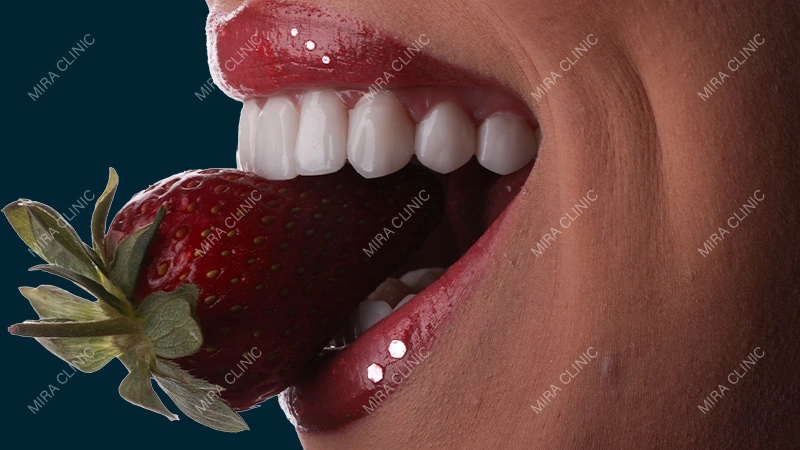
Foods and Habits That Can Put Veneers at Risk
The greatest risks usually come less from food itself and more from how the teeth are used.
Very hard foods
Extremely hard objects create one of the most avoidable risks for veneers.
Ice
Chewing ice is one of the classic habits that can place unnecessary stress on veneers.
Bones
Biting directly on hard bones can create force beyond what cosmetic restorations should routinely absorb.
Hard nuts or shells
Some nuts are fine when eaten carefully, but biting shell-like textures or extremely hard pieces with force is not ideal.
Very hard candy
Hard candy that requires forceful cracking can also increase risk.
Using teeth as tools
This is often more dangerous than ordinary eating.
Opening packages
Teeth should not be used to tear packaging or open containers.
Biting fingernails or objects
These repeated habits can create long-term stress on veneer edges and bonding.
Why this matters more than food itself
Many veneer problems come not from meals, but from non-food misuse.
Repeated pressure habits
Some of the biggest threats to veneers happen outside mealtimes.
Clenching
Habitual clenching places repeated force on the veneers and natural teeth.
Grinding
Grinding, especially during sleep, is one of the most important long-term risks to veneer stability.
Why veneers care is also bite care
Good veneers care is not just about cleaning and food. It is also about protecting the bite from repeated overload.
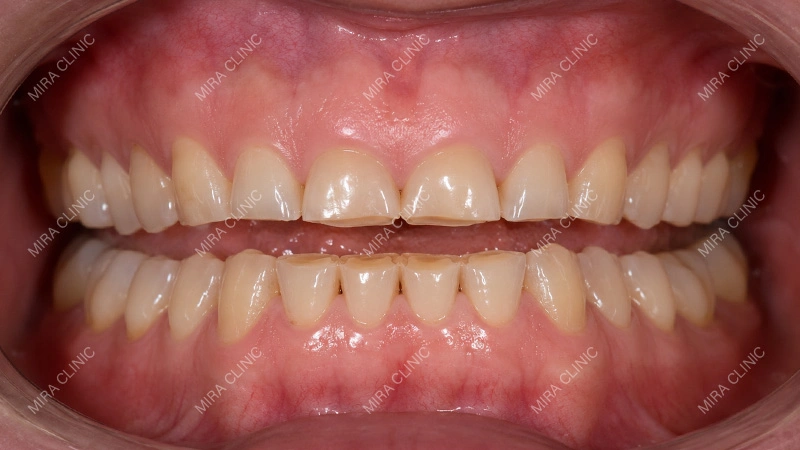
Can Drinks Stain Veneers or Change Their Look
Many patients worry less about chewing and more about appearance. They want to know whether coffee, tea, wine, or smoking will affect their veneers.
What happens with coffee, tea, and red wine
Porcelain veneers are more stain-resistant than natural teeth, but that does not mean drinks become irrelevant.
Porcelain stain resistance
Porcelain itself usually resists staining better than natural enamel, which is one of the reasons it is so popular in aesthetic dentistry.
Why surrounding teeth may still darken
The natural teeth next to the veneers may still pick up staining over time, which can affect how bright and balanced the whole smile appears.
How smoking and dark drinks affect appearance
Even when veneers stay bright, surrounding structures may still change.
Margins and bonding areas
Margins and bonding zones may show discoloration more easily than the porcelain surface itself.
Overall smile color balance
A smile is judged as a whole. If the veneers stay bright but nearby teeth darken, the result may become less harmonious over time.
How to drink smart without becoming restrictive
The goal is not to create food fear.
Moderation
Regular habits matter more than occasional exposure.
Rinsing and hygiene habits
Simple habits like rinsing with water and maintaining good oral hygiene help protect the overall look of the smile.
Why fear is not the goal
Patients should still enjoy life. The goal is smarter habits, not constant restriction.
Read more: Hollywood Smile for Smokers in Turkey: Can You Maintain a Bright Smile?
The First Days After Veneers: When Eating Should Be More Careful
The first days after veneer placement are a temporary transition phase. This is when patients should be slightly more careful than usual.
What to eat right after placement
Soft and low-pressure foods are often the most comfortable place to start.
Softer foods
Softer meals reduce the need to test the new veneers immediately under stronger force.
Avoiding strong pressure early
Patients do not need to “prove” the veneers are strong on the first day.
When sensitivity can affect food choices
Temporary sensitivity can change what feels comfortable.
Cold and hot sensitivity
Extreme temperatures may feel more noticeable in the first days.
Why mild discomfort can be temporary
This usually settles as the teeth and bite adapt.
When patients usually return to normal eating
Most patients gradually return to normal eating after the short adjustment period.
Short adaptation period
The mouth often needs a little time to feel fully comfortable with the new restorations.
When to contact the clinic if chewing feels wrong
If the bite feels clearly off, if pressure is concentrated strangely, or if eating remains awkward, the clinic should review it.
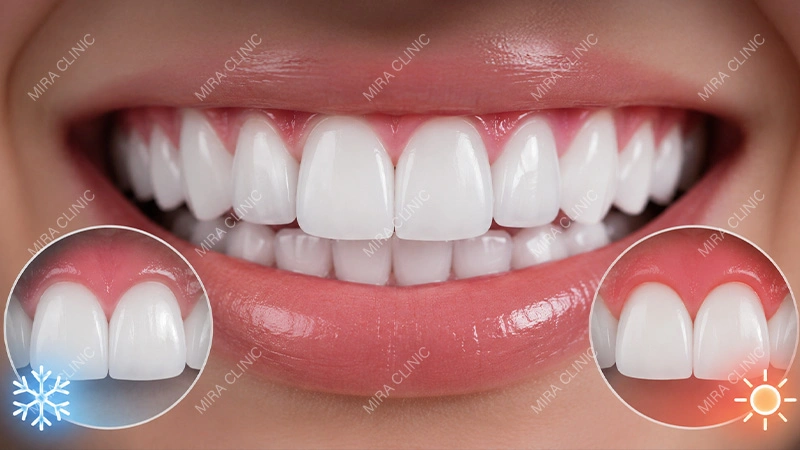
Do Veneers Feel Different When You Eat
At first, they sometimes do. Later, they usually should not feel unusual at all.
What is normal during the adjustment phase
A brief awareness phase is common.
Texture awareness
Patients may notice the surface and shape of the veneers more than usual at first.
Slight bite awareness
The bite may feel different simply because the smile has changed.
Speech and chewing adaptation
Even speaking and chewing can feel slightly unfamiliar for a short time.
When veneers should start feeling natural
The goal is not just appearance, but natural daily function.
Comfort over time
As the mouth adapts, the veneers should feel increasingly normal.
What a healthy fit usually feels like
A healthy fit usually feels stable, balanced, and non-distracting during everyday function.
What may signal that the bite needs review
Not all unusual sensations should be ignored.
Pressure spots
A strong pressure point when biting may indicate imbalance.
Clicking or awkward contact
If the teeth meet in a way that feels unnatural, the bite may need adjustment.
Persistent discomfort
Anything that continues beyond the expected settling phase deserves review.
Read more: Hollywood Smile Revision: How to Fix or Replace Failing Veneers in Turkey
How Veneers Care Affects What You Can Eat Long Term
The better patients care for their veneers, the more confidently they can continue daily life with them.
Why daily hygiene protects eating comfort
Clean margins and healthy gums support both comfort and appearance.
Brushing
Gentle, regular brushing helps keep veneers and surrounding teeth healthy.
Flossing
Flossing remains essential because veneers do not remove the need for gum care.
Protecting gum health
Gum irritation around veneers can affect both function and aesthetics.
Why night guards matter for some veneer patients
Not every patient needs one, but some do.
Bruxism protection
Patients who grind or clench may benefit significantly from a night guard.
Preventing long-term stress damage
A night guard can help reduce repeated pressure that slowly damages cosmetic work.
Why professional reviews matter
Veneers should not disappear from professional attention once placed.
Checking margins
Regular review helps monitor the fit and health of the margins.
Checking bite balance
Changes in bite or wear should be identified early.
Maintaining long-term confidence with food
The more stable the smile remains, the easier normal eating feels over time.
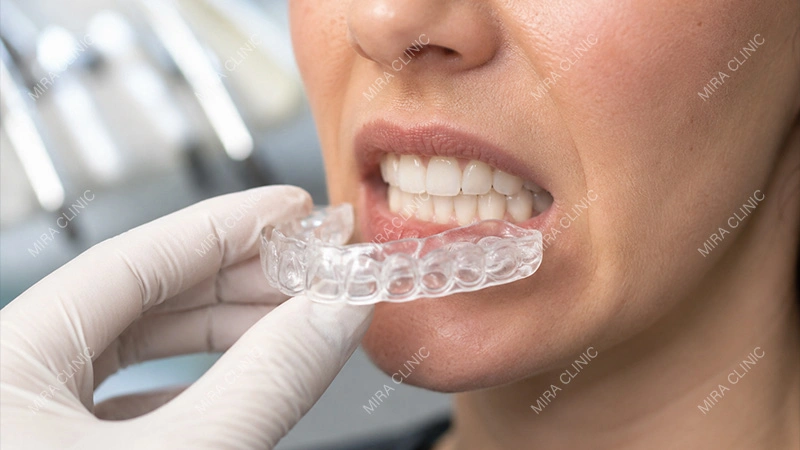
How to Avoid the “Fake Veneers” Look While Eating and Drinking Normally
One concern patients often have is that daily life may gradually make veneers look unnatural.
Why surface care affects natural appearance
Natural-looking veneers depend on surface quality and polish.
Gloss and polish
Keeping the surface healthy helps veneers maintain a more refined and life-like appearance.
Avoiding abrasive habits
Abrasive toothpastes and rough habits can affect long-term surface beauty.
Why color balance matters more than perfect whiteness
The goal is not only brightness, but harmony.
Natural surrounding teeth
Even excellent veneers can look less natural if nearby teeth do not match the overall smile.
Diet habits and visual harmony
Food, drink, and smoking habits can influence how balanced the whole smile looks over time.
Why veneer materials influence realism
Material choice is closely connected to whether the result looks natural or artificial.
Material choice and translucency
Higher-quality materials tend to offer more life-like translucency and depth.
How good care supports a natural look
Good care helps preserve the realism the veneers were designed to create.
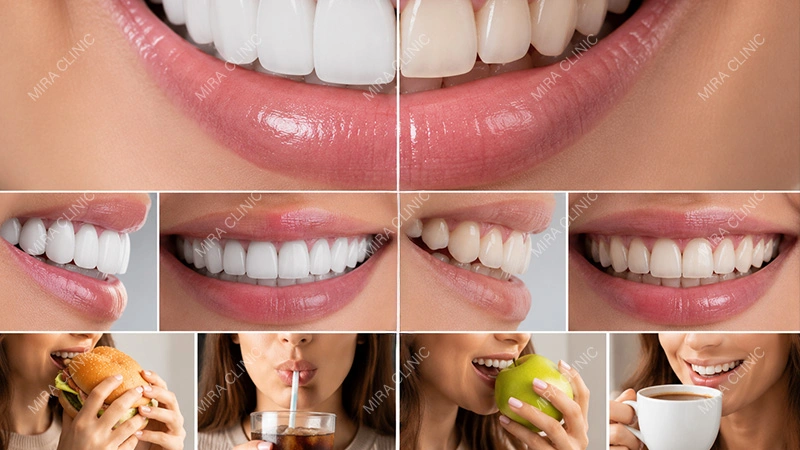
Final Verdict: Veneers Should Let You Live Normally — with Smarter Habits
Veneers are meant to improve life, not restrict it. Most patients can eat normally, drink normally, and enjoy everyday routines with confidence. The key is not fear. The key is understanding what counts as normal function and what counts as avoidable stress.
Why normal eating is usually possible
Veneers are made for daily life, and ordinary meals should not feel dangerous.
Why long-term success depends on sensible habits, not fear
The smartest patients are not the most anxious ones. They are the ones who protect their veneers from unnecessary pressure and follow good daily routines.
Why good veneers care protects both comfort and appearance
The best long-term outcome comes from combining good design, strong materials, and practical daily care. That is what helps veneers stay comfortable, attractive, and natural-looking over time.
Read more: Hollywood Smile Aftercare: The Professional 10-Year Maintenance Protocol