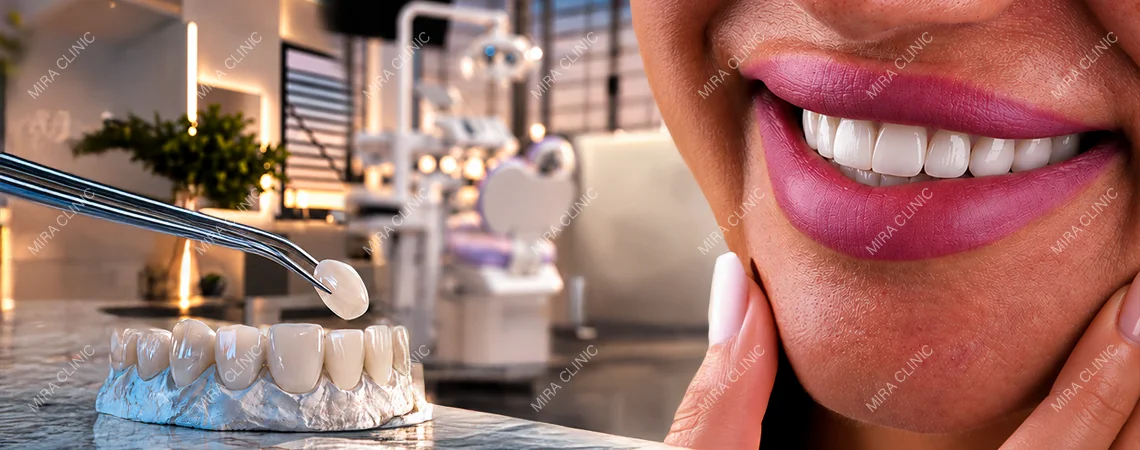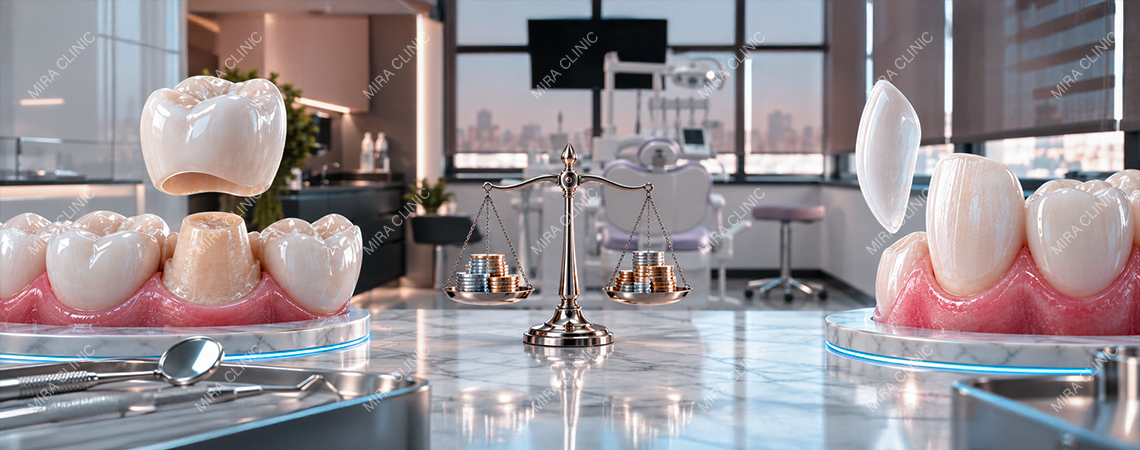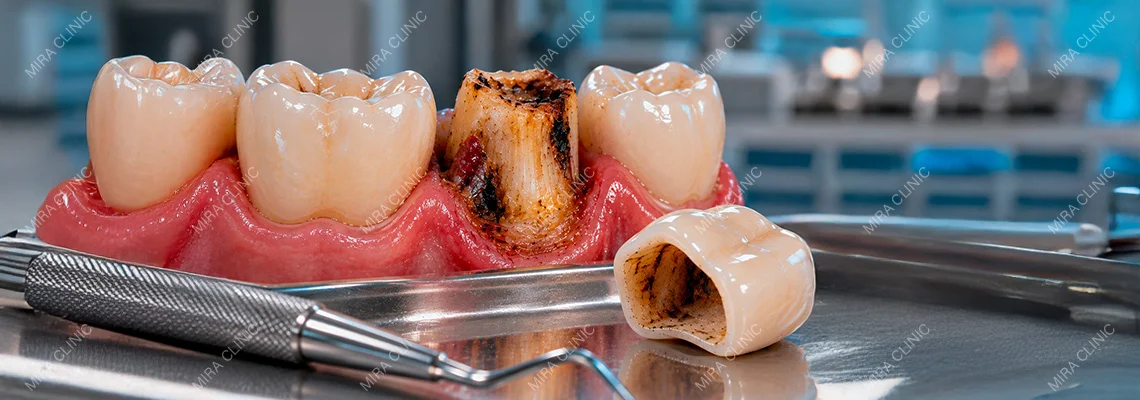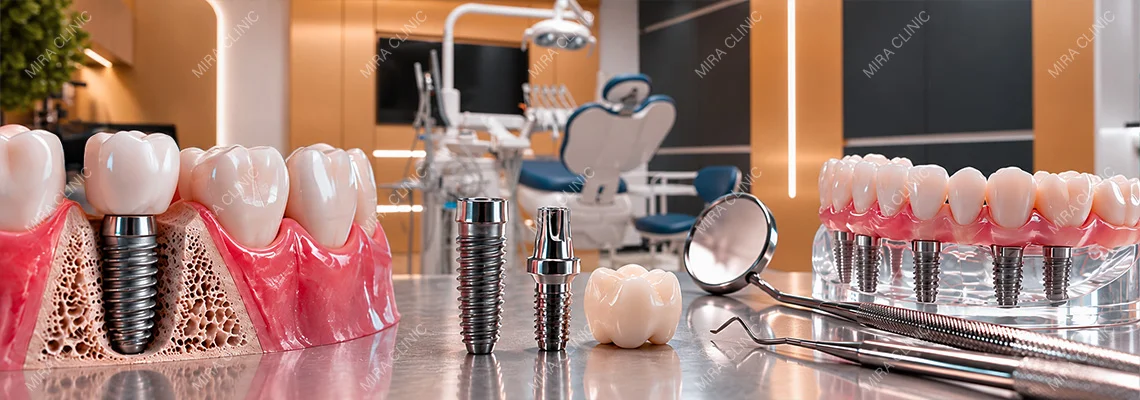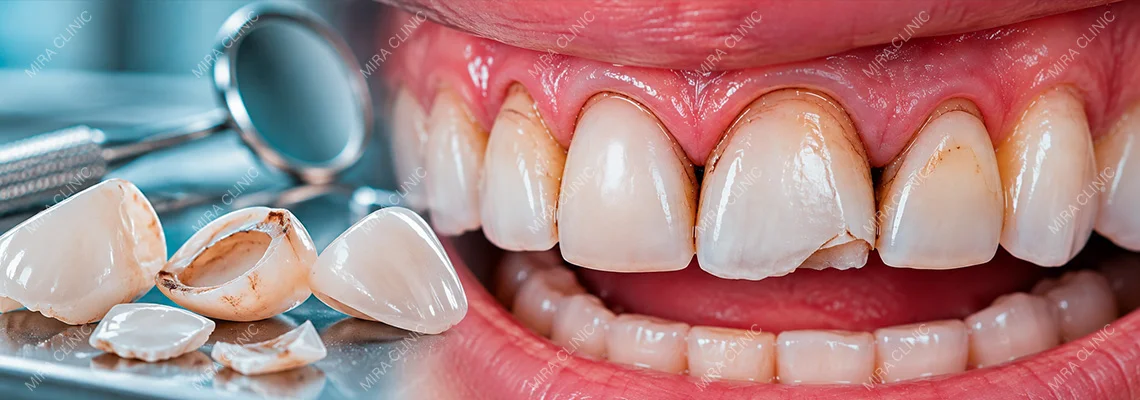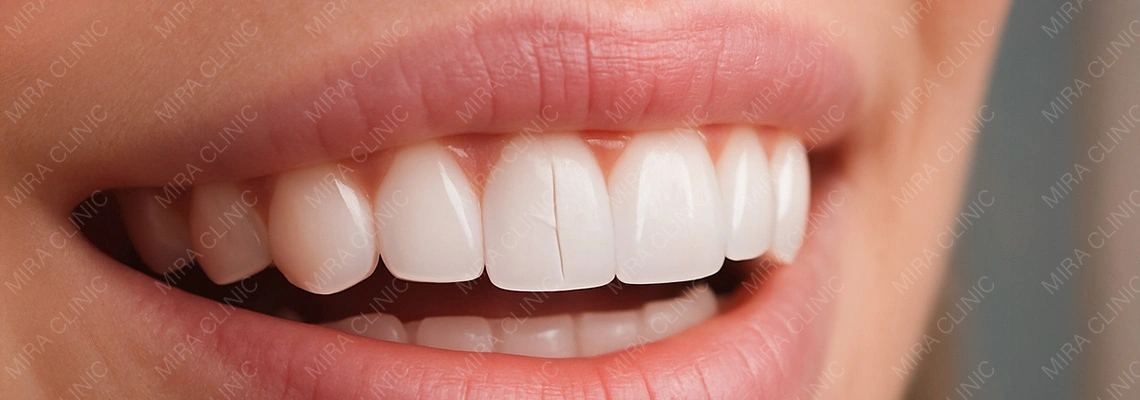
A failed smile makeover is more than a cosmetic disappointment. For many patients, it becomes a source of daily frustration, embarrassment, and stress. Some feel their veneers look bulky, too white, or unnatural. Others notice gum bleeding, bad breath, speech discomfort, or a bite that feels heavy and wrong. In more difficult cases, the problem is not only aesthetic. It may also involve irritated gums, over-prepared teeth, or restorations that were never biologically or functionally suitable from the start.
The good news is that a poor Hollywood Smile result does not always mean permanent damage, and it does not mean you are out of options. In many cases, a well-planned Hollywood Smile revision in Turkey can correct what went wrong and restore both appearance and comfort. But revision should never begin with guesswork. Before replacing anything, the priority must be diagnosis, tissue health, bite stability, and protecting whatever healthy tooth structure remains. That is why revision dentistry is not just cosmetic replacement. It is often a rescue process.
- Quick Answer: Yes, a Failed Hollywood Smile Can Often Be Corrected — But Revision Must Start with Diagnosis
- The Second Chance for Your Smile
- 5 Warning Signs Your Current Veneers May Need Professional Revision
- Why Veneers Fail: The Most Common Clinical and Design Mistakes
- Not Every Unhappy Hollywood Smile Needs Full Replacement
- The Revision Process at Mira Clinic: A Step-by-Step Rescue Plan
- When Revision Should Be Delayed Before Final Cosmetic Work
- Why Patients Travel to Istanbul for Hollywood Smile Revision
- Revision Cost: What Actually Changes the Price?
- Real Stories: From Unnatural Veneers to a More Natural Smile
- Clinical Perspective from Mira Clinic
Quick Answer: Yes, a Failed Hollywood Smile Can Often Be Corrected — But Revision Must Start with Diagnosis
Many patients arrive thinking the only answer is to remove everything and start again. Sometimes that is true, but not always. A failed smile makeover can often be corrected, yet the safest correction depends on what actually failed. In some cases, the issue is mostly design. In others, it involves margins, gum health, bite forces, bonding quality, or underlying tooth damage.
This is why revision should never start blindly. Replacing veneers without understanding the true cause of the failure only increases the risk of repeating the same mistake a second time. The first goal is not to make the smile prettier immediately. The first goal is to understand what is happening underneath and protect the teeth, gums, and bite before moving into a new cosmetic phase.
For patients who feel disappointed, rushed, or misled by a previous treatment, this matters deeply. A revision case needs a slower, more diagnostic mindset than a first-time smile makeover. And that is exactly why this type of treatment deserves its own careful pathway.
The Second Chance for Your Smile
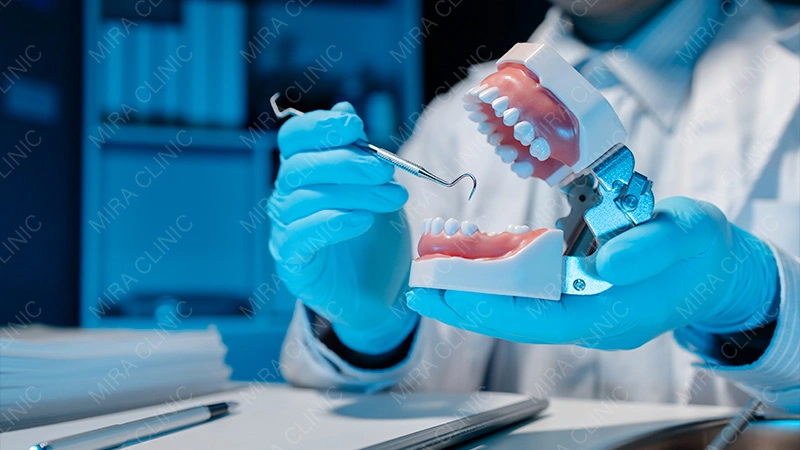
A failed veneer case can affect much more than appearance. Patients often describe feeling financially drained, emotionally discouraged, and afraid of trusting another dentist. Some are not only unhappy with how the smile looks. They are also worried about whether the teeth underneath are still healthy, whether the gums can recover, and whether revision will make things worse instead of better.
That fear is understandable. Revision patients are not coming for a routine cosmetic upgrade. They are often coming after disappointment. This is why they need reassurance, but not empty reassurance. They need a process that is clinical, transparent, and protective of their remaining dental health.
At Mira Clinic, this kind of work is approached as rescue dentistry, not as routine aesthetic replacement. The aim is not simply to “redo veneers.” It is to understand the failed result, stabilize what is unhealthy, and rebuild the smile in a way that feels natural, functional, and biologically safer than before. Once that mindset is clear, it becomes easier to identify the warning signs that suggest a revision may actually be needed.
5 Warning Signs Your Current Veneers May Need Professional Revision
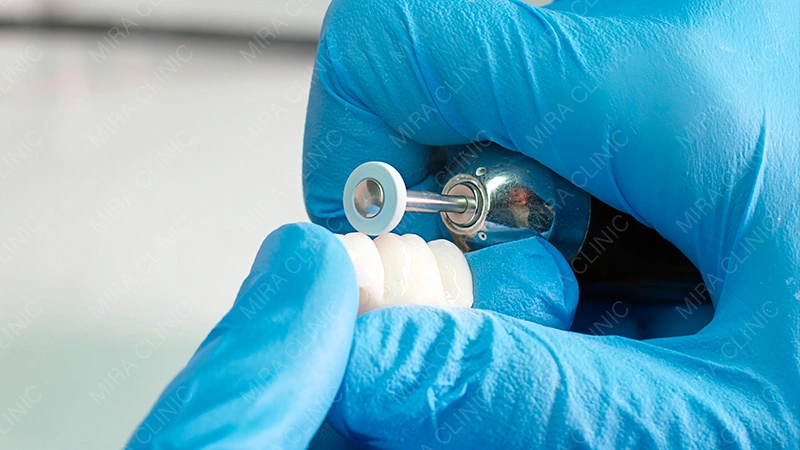
Not every patient with an imperfect smile needs a full revision. But some signs strongly suggest that professional evaluation is necessary. These signs usually fall into three categories: aesthetic failure, biological failure, and functional failure. When one or more of these appear clearly, it often means the case should be assessed as more than a simple polishing or cleaning issue.
Aesthetic warning signs: bulky, opaque, or unnatural-looking veneers
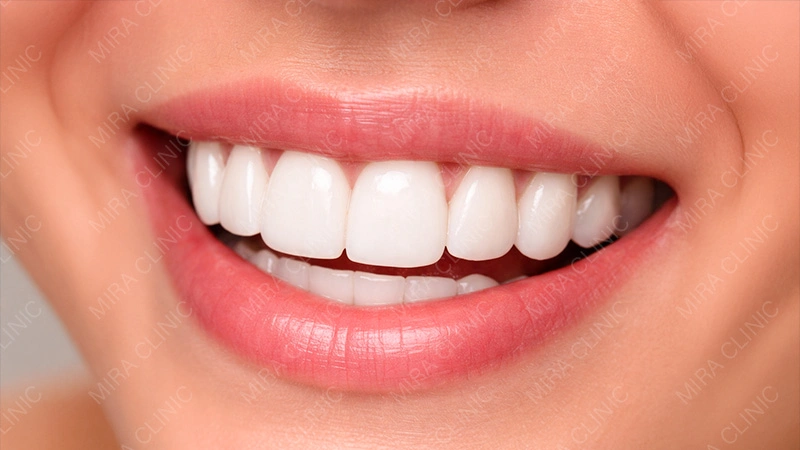
One of the most obvious reasons patients seek failed veneers correction is that the smile simply looks wrong. The veneers may appear too white, too flat, too thick, too square, or too uniform. Some patients describe the result as “piano-key teeth,” where every tooth looks like a bright identical block rather than part of a natural smile.
This kind of aesthetic failure is not always harmless. While some cases are mainly visual, a bulky or badly proportioned design often reflects deeper planning problems underneath. If the teeth look oversized, artificial, or disconnected from the face, the case may need more than a surface adjustment.
Why “piano-key” teeth and flat white shades often signal poor design
A natural smile usually has depth, variation, proportion, and facial harmony. When veneers look like flat white tiles, it often means the design ignored tooth anatomy, smile line, and how the teeth should relate to the lips and face. This is one of the clearest signs that the case may require true revision rather than simple cosmetic touching up.
Biological warning signs: bleeding gums, bad breath, recession, or irritation
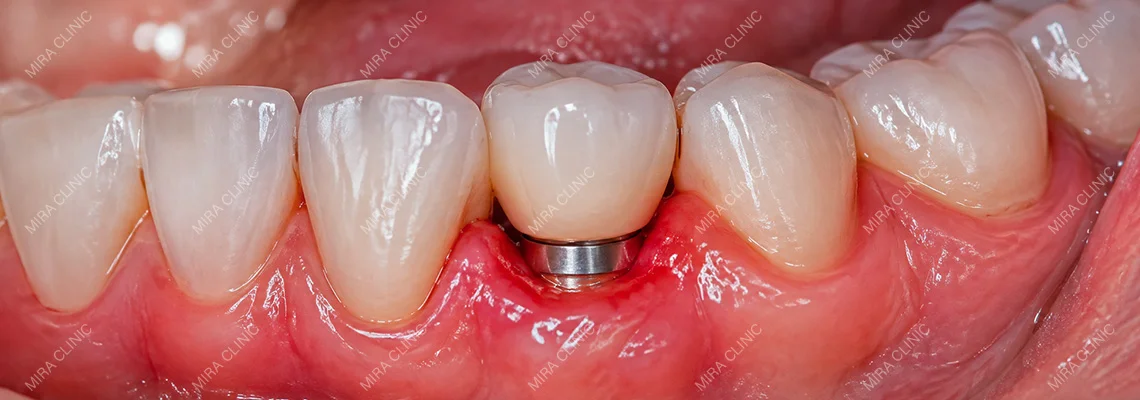
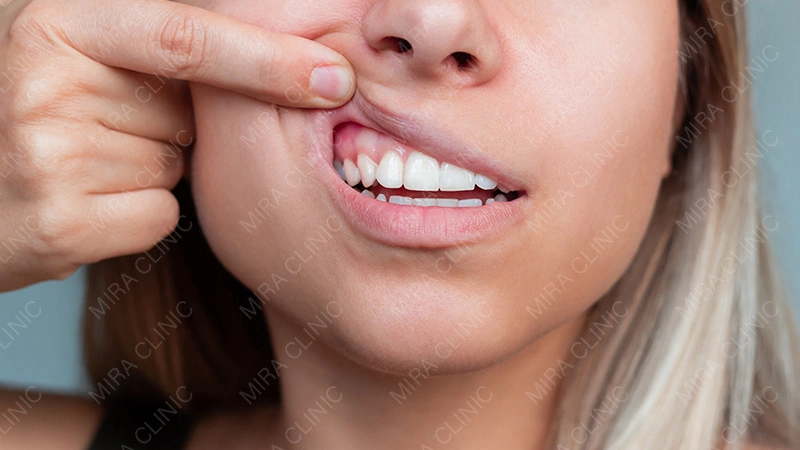
Some of the most important signs are not visual at first. Patients may notice that their gums bleed more than before, stay swollen, feel irritated around the margins, or produce a persistent bad smell that did not exist before treatment. Others may notice gum recession or dark spaces beginning to appear between the teeth.
These are warning signs because veneers should not make the surrounding tissues less healthy. If the gums are inflamed, the margins may be trapping plaque or the contours may be too bulky for the tissue to tolerate well. In those cases, the problem is no longer purely aesthetic.
Why unhealthy gums may indicate poor margins or plaque retention
Gums often react badly when restorations are overcontoured, poorly finished, or difficult to clean. The material itself is not always the issue. The way it sits against the tooth and gum matters just as much. That is why persistent inflammation around veneers should always be taken seriously.
Functional warning signs: speech problems, chewing discomfort, or a heavy bite
Veneers should not look wrong, but they also should not feel wrong. If the patient develops a lisp, struggles with chewing comfortably, feels the teeth are too heavy, or notices that the jaw feels tense after treatment, the case may have a functional problem. These symptoms are particularly important because they may reflect bite imbalance, excessive contour, or poor relationship between upper and lower teeth.
A cosmetic treatment that creates chronic discomfort is not a successful treatment, even if the color looks bright in photos.
Why cosmetic veneers should never feel physically wrong
A smile should integrate into normal speech, normal chewing, and normal jaw comfort. When it does not, that is a sign that the problem extends beyond beauty. Functional discomfort is one of the strongest reasons to move from simple dissatisfaction into proper revision assessment.
Why Veneers Fail: The Most Common Clinical and Design Mistakes
Veneers rarely fail because of one single dramatic event. More often, they fail because of accumulated mistakes in diagnosis, preparation, bonding, margin design, bite management, or aesthetic planning. Understanding these causes is important because revision should address the cause, not just the visible result.
Poor bonding, weak preparation, and aggressive over-shaving
Some failures begin at the very foundation. The teeth may have been over-prepared, reducing healthy structure more than necessary. In other cases, the bonding process may have been weak or rushed, which can affect retention and long-term stability. Over-shaving is especially important because once natural structure is lost, revision becomes more delicate and more dependent on careful restorative choices.
Why excessive reduction makes revision more complex
When a tooth has been reduced more than needed, the room for future conservative treatment becomes smaller. The revision dentist is no longer working with untouched enamel. They are often working with a compromised tooth that now needs more protection than it originally would have needed.
Low-quality or unclear ceramic materials
The failure is not always about shape alone. In some cases, patients have restorations made from unclear or non-branded ceramics that do not perform or look the way higher-quality materials do. Material choice matters in revision because long-term planning becomes harder if the original case used vague or undocumented products.
Why branded E-max or zirconia matter in long-term revision planning
High-quality materials help with predictability, aesthetic control, and future matching. In revision cases, trust becomes even more important than in first-time cases. Patients often want to know exactly what is being used the second time, because the first failure has already made them cautious.
No smile design, poor proportions, and weak facial harmony
Some veneer cases are technically intact but aesthetically wrong. The teeth may stay on, yet still fail as a smile because they were never designed for the patient’s face. Poor proportions, excessive whiteness, rigid symmetry, and lack of smile design can make veneers look fake even if the ceramic itself is not broken.
Why bad design can make veneers look fake even if they are technically intact
A smile can fail emotionally and visually before it fails structurally. Patients notice when the result feels disconnected from their face or expression. That is why revision is often about correcting design logic, not just replacing materials.
Ignored bite problems and poor margin fit
A smile makeover cannot be judged only by how it looks at rest. If the bite was not analyzed, or if the restorations were finished with poor margins, the case may begin to fail functionally and biologically over time. That leads to plaque retention, gum irritation, speech changes, discomfort, and sometimes chipping or repeated stress.
Why function and gum health matter as much as appearance
The best cosmetic result is one that the tissues tolerate well and the bite can support over time. If those elements were ignored in the original treatment, the revision must correct them or the same failure pattern may return.
Read more: Why Do Some Veneers Look Fake, Big, or Bulky in Turkey? What Actually Causes Unnatural Results
Not Every Unhappy Hollywood Smile Needs Full Replacement
One of the most reassuring things for patients to hear is this: not every disappointing result means everything has to be removed and redone. In some cases, the problem is limited enough that selective correction is possible. This matters because revision patients are often afraid of hearing the most expensive or most invasive answer first.
When polishing, contour correction, or selective replacement may be enough
Some smiles mainly suffer from surface roughness, minor contour imbalance, or one or two problematic restorations within a larger case. If the teeth underneath are healthy, the gums are stable, and the bite is acceptable, selective intervention may be enough. That may include polishing, limited reshaping, or replacing only the restorations that are truly problematic.
This is why revision should begin with assessment, not assumptions. The most conservative solution that truly works is usually the better one.
When gum treatment or bite adjustment should come first
Sometimes the smile itself is not the first thing that should be corrected. The first thing may be the tissue around it or the way the teeth meet. If the main issue is inflamed gums, poor hygiene access, or unstable occlusion, then periodontal treatment or bite adjustment may need to happen before cosmetic replacement.
A good revision plan knows when not to rush directly into new veneers.
When complete veneer replacement becomes the safest option
There are also cases where full replacement is the safer and cleaner answer. This is more likely when:
- the smile design is broadly wrong
- the margins are unhealthy across many teeth
- the bite is disturbed throughout the case
- the restorations are bulky or poorly fitted as a group
- the teeth underneath need to be reassessed comprehensively
In those cases, partial correction may only prolong the problem. Full replacement becomes not a cosmetic luxury, but the more rational route.
The Revision Process at Mira Clinic: A Step-by-Step Rescue Plan
Revision patients often feel calmer when they understand the process clearly. A structured rescue plan helps because it replaces uncertainty with a sequence: diagnose, remove safely, restore tissue health, redesign carefully, then rebuild the smile.
Step 1: Clinical diagnosis and imaging
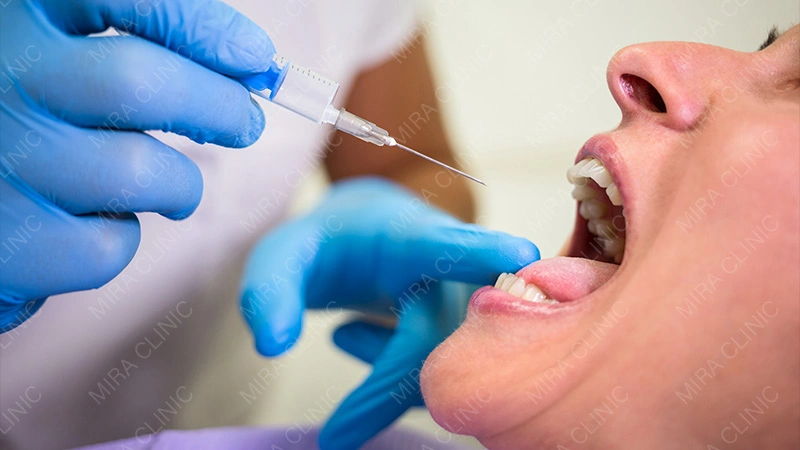
Every revision should start with full clinical diagnosis. This may include photographs, bite analysis, and imaging such as 3D scans or X-rays to understand what is happening under the current veneers. The smile cannot be revised properly without knowing the condition of the teeth, roots, gums, and surrounding structures.
How scans and examination reveal what is happening underneath
What looks like a simple cosmetic problem may hide deeper issues such as aggressive preparation, underlying inflammation, poor bonding, or structural weakness. Imaging helps distinguish between a visual failure and a more complex clinical one.
Step 2: Safe removal of old veneers
Removing failed veneers is not the same as removing temporary cosmetic material. It requires care, especially when the teeth underneath may already have been reduced. The aim is not just to take off the old restorations, but to do so while protecting the remaining tooth structure as much as possible.
How old restorations are removed while protecting remaining tooth structure
Revision removal relies on controlled techniques and careful instrumentation. The point is to preserve what can still be preserved, because every bit of healthy structure matters more in a second treatment than it did in a first one.
Step 3: Gum rehabilitation and biological recovery
If the old veneers caused inflammation, plaque retention, bleeding, or recession, the gums may need to recover before final new restorations are placed. In some patients, this phase is essential. A beautiful design cannot succeed on unhealthy tissue.
Why inflamed tissue may need treatment before final cosmetics
Trying to place final ceramics onto unstable or inflamed gums can distort the result and shorten its longevity. Tissue recovery is often part of successful revision, not a delay from it.
Step 4: Smile redesign and new restorations
Only after diagnosis, safe removal, and tissue stabilization does the real cosmetic redesign begin. The new plan should not just replace what was there. It should correct the proportions, shape, contour, and harmony that were missing before, while also improving comfort and cleanability.
How the new smile is planned for natural shape, symmetry, and comfort
The revision phase must respect the face, lips, bite, gums, and whatever natural tooth structure remains. That is why the new smile should be designed more thoughtfully than the first one, not simply made brighter or whiter.
Read more: Natural Hollywood Smile Results in Turkey: How to Avoid Fake-Looking Veneers
When Revision Should Be Delayed Before Final Cosmetic Work
Some patients want the second smile immediately, especially after a disappointing first experience. But medically, the smartest answer is not always the fastest one. There are situations where final cosmetic replacement should wait briefly while the foundation is stabilized.
If gums are inflamed or unstable
When the gums are swollen, bleeding, or irritated, placing final restorations immediately may compromise both healing and appearance. The tissue may need time and treatment first so the final margins can be placed in a healthier environment.
If the underlying teeth need restorative treatment first
Old veneers sometimes hide tooth damage, weak bonding surfaces, or structural problems that only become clear during removal. If the underlying teeth need restorative support first, that stage must come before final smile redesign.
If the bite needs stabilization before new veneers are placed
When the bite is part of the failure, it should not be ignored in the rush to improve the look. If new veneers are placed into the same unstable functional pattern, the second result may be at risk too. Stabilizing the bite first is often what protects the second result.
Read more: Hollywood Smile in Turkey: The Step-by-Step Process From Consultation to Final Fit
Why Patients Travel to Istanbul for Hollywood Smile Revision
Patients seek revision in Istanbul for many of the same reasons they seek aesthetic dentistry there in the first place: access, experience, and treatment planning that can combine cosmetic and restorative thinking in one place. But revision cases are not just cosmetic tourism. They are usually more complex and demand more experience than a first-time veneer case.
Why revision cases need experience with complex failures
A clinic that regularly sees bulky veneers, gum irritation, poor smile proportions, and difficult bite complaints develops a stronger diagnostic instinct for what actually failed and how to fix it. Revision work is often less about routine technique and more about judgment.
Why Istanbul clinics often see a wide range of aesthetic and functional problems
Because Istanbul handles a high volume of international cosmetic cases, revision clinics there may encounter many types of poor outcomes and therefore build practical experience in recognizing them. This can be valuable for patients who want a second opinion from a team that is used to complex rescue scenarios.
How Mira Clinic handles complex revisions, including gum and surgical support
At Mira Clinic, revision is approached as more than replacement dentistry. Complex cases may involve periodontal support, bite correction, aesthetic redesign, or in some patients, broader surgical knowledge when the foundation is compromised. This matters because a failed smile should not be treated as a cosmetic inconvenience only. It should be treated as a real clinical event that deserves a serious solution.

Revision Cost: What Actually Changes the Price?
Patients often ask why revision sometimes costs more than the original smile makeover. The answer is that correction is often more complex than first-time placement. The second treatment is not starting from clean, healthy, untouched conditions. It is starting from a case that may already contain damage, inflammation, weak design, or compromised structure.
What affects the cost of smile revision
Revision cost usually depends on:
- how many veneers must be removed
- whether replacement is partial or full
- whether gum treatment is needed
- whether temporary restorations are required
- the condition of the teeth underneath
- material choice for the final restorations
- the complexity of the redesign
Removal, gum treatment, temporaries, and final restorations
Unlike a first cosmetic case, a revision often includes multiple layers of work before the new veneers even begin. That is why price should be understood as a function of complexity, not simply tooth count.
Why revision may cost more than the original treatment
Patients understandably find this frustrating. But from a clinical standpoint, revision may require more diagnosis, more careful removal, more tissue management, and more protective planning than the original treatment did.
Why correction is often more complex than first-time veneer placement
The first treatment may have created problems that now need to be solved before aesthetics can be rebuilt. That makes revision more than a replacement process. It becomes a correction of someone else’s mistakes and their biological consequences.
Why fixing the smile earlier may reduce bigger medical costs later
The longer a failing smile is ignored, the greater the chance that the underlying tissues, gums, or bite may deteriorate further. What begins as a bulky or ugly smile may eventually become a harder medical and restorative problem.
How delay can increase tooth, gum, and bite damage
Early revision often protects the patient from paying later in more serious ways. Addressing the problem now may prevent larger costs in gum therapy, restorative treatment, or more extensive reconstruction.
Read more: Hollywood Smile Review 2026: How Elizabeth Dmitruk Left Years of Dental Pain Behind in Istanbul
Real Stories: From Unnatural Veneers to a More Natural Smile
Revision patients often trust revision galleries more than standard before-and-after cases, and for good reason. A normal smile makeover gallery shows what a clinic can create from an untreated starting point. A revision gallery shows what the clinic can correct under pressure, with limitations, and after previous mistakes.
That is why true replacing old veneers Istanbul case examples matter. Patients should look for revision stories that show not just brighter teeth, but healthier gums, better proportions, softer contours, and a more believable smile. This is where a dedicated revision gallery becomes especially valuable, because it reflects the kind of complexity distressed patients are actually facing.
Clinical Perspective from Mira Clinic
Revision dentistry is one of the most important treatment decisions a patient can make because it usually comes after trust has already been broken once. That means the second treatment must do more than improve appearance. It must also restore health, comfort, and confidence.
This is why rescue dentistry often requires more diagnosis, more restraint, and more careful planning than a first-time veneer case. The goal is not simply to replace what failed. The goal is to understand why it failed, correct the biological and functional damage, and design a smile that the patient can trust again.
Read more: Patient Testimonial: Juan Luis Aguado’s Hollywood Smile Experience in Istanbul