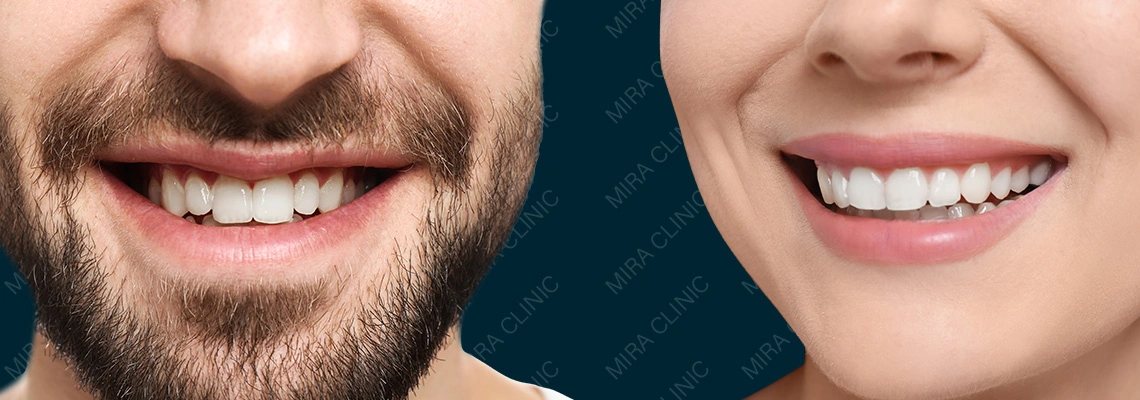
When people search for a Hollywood Smile in Turkey, they often imagine bright, perfectly aligned teeth. But one of the biggest concerns patients have today is whether the results will look natural or fake.
You may have seen dramatic results online—some look elegant and balanced, while others appear too white, bulky, or artificial, often described as “Turkey teeth.” The difference between these outcomes usually comes down to design planning, tooth proportions, and shade selection, not simply the material used.
Understanding what creates natural Hollywood Smile results in Turkey helps patients choose the right treatment approach and avoid cosmetic mistakes that can make veneers look unnatural. The first step is recognizing that natural results depend on much more than whitening teeth.
- Quick Answer: Natural Results Depend on Design, Not Just Whiter Teeth
- What Makes a Hollywood Smile Look Natural?
- Why Some Veneers Look Fake, Bulky, or Too White
- How Dentists in Turkey Plan Natural-Looking Veneers
- Tooth Shape, Length, and Proportion: What Changes the Final Look
- How Shade Selection Affects Whether Veneers Look Natural or Artificial
- When “Turkey Teeth” Happens: Common Design Mistakes
- Can Crowns Look Natural, or Are Veneers Always Better?
- Before and After Expectations: What Realistic Results Look Like
- How to Ask for a Natural Hollywood Smile During Consultation
Quick Answer: Natural Results Depend on Design, Not Just Whiter Teeth
Natural-looking veneers depend on facial balance
Many patients assume the goal of cosmetic dentistry is simply to make teeth as white as possible. In reality, dentists focus on achieving facial harmony, where teeth match the patient’s facial proportions, lip shape, and smile width.
Natural smiles depend on:
- tooth proportions
- smile line
- facial symmetry
- shade selection
When these factors are balanced, the result looks natural rather than artificial.
Over-whitening is the most common cosmetic mistake
One of the reasons patients end up with fake looking veneers is choosing shades that are far brighter than natural enamel.
While very white veneers may look striking in photos, they can appear unnatural in normal lighting. This is why dentists evaluate the patient’s skin tone, age, and facial features before choosing the final shade.
Design planning matters more than the veneer material
Whether veneers are porcelain, Emax, or zirconia, the final appearance depends mostly on the smile design process.
This planning stage determines tooth size, symmetry, and alignment. Understanding what makes a smile look natural begins with analyzing the key aesthetic elements.
What Makes a Hollywood Smile Look Natural?
Natural veneers follow the patient’s facial characteristics
Tooth proportions must match facial features
Dentists aim to design veneers that match the natural proportions of the face. Teeth that are too long, too wide, or too square can quickly look artificial.
For a hollywood smile natural look, dentists evaluate:
- face shape
- jaw width
- lip curvature
- natural tooth size
When these proportions are respected, veneers blend naturally with the patient’s appearance.
Slight variations create realism
Natural teeth are not perfectly identical. Small variations in:
- tooth shape
- edge translucency
- texture
help create natural veneers results that mimic real enamel.
Overly uniform veneers often create the “fake teeth” effect patients want to avoid.
The smile line determines the treatment zone
Dentists also study how many teeth show when a patient smiles. This determines how many veneers are needed and how they should be shaped.
Following the natural smile line ensures that the treated teeth blend smoothly with untreated teeth.
However, when these principles are ignored, veneers may appear fake or oversized.
Read more: Hollywood Smile in Turkey: The Step-by-Step Process From Consultation to Final Fit
Why Some Veneers Look Fake, Bulky, or Too White
Cosmetic mistakes usually come from poor planning
Bulky veneers often result from minimal preparation errors
One of the main reasons veneers look unnatural is excessive thickness. Bulky veneers can happen when teeth are not prepared properly before veneers are placed.
If veneers are layered over unprepared teeth, the result may appear:
- thick
- protruding
- overly rounded
Proper preparation ensures veneers sit naturally on the tooth surface.
Extremely bright shades can look artificial
Another common issue is choosing shades that are too white compared to natural enamel.
Patients often request the brightest shade available, but dentists typically recommend tones that balance brightness with realism.
This prevents veneers from appearing unnaturally bright in everyday lighting.
Uniform shapes can create the “fake smile” effect
When every tooth is identical in size and shape, the smile may look artificial.
Natural smiles usually contain small differences between teeth, especially between central incisors and lateral teeth.
This is why careful design is necessary before veneers are created.
How Dentists in Turkey Plan Natural-Looking Veneers
Smile design planning determines the outcome
Digital smile design helps preview results
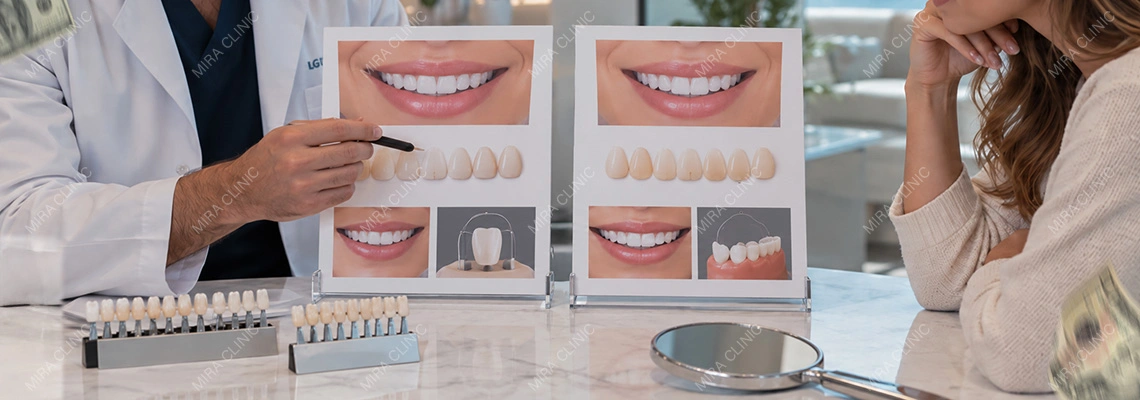
Many clinics in Turkey use digital smile design (DSD) or mock-up models to preview the final result before treatment.
This allows dentists to evaluate:
- tooth length
- smile symmetry
- lip support
- facial balance
By testing the design beforehand, patients can avoid overly dramatic results.
Bite analysis prevents unnatural shapes
Dentists also analyze the patient’s bite and jaw movement.
If veneers are designed without considering bite forces, they may appear bulky or unnatural in order to compensate for functional issues.
Bite planning ensures veneers are both aesthetic and comfortable.
Communication between patient and dentist is essential
Patients who want natural looking veneers in Turkey should clearly communicate their aesthetic goals.
For example:
- subtle improvement
- natural enamel color
- age-appropriate smile design
Clear expectations help dentists tailor the treatment plan.
To achieve this, dentists focus closely on tooth shape and proportions.
Tooth Shape, Length, and Proportion: What Changes the Final Look
Tooth geometry affects smile aesthetics
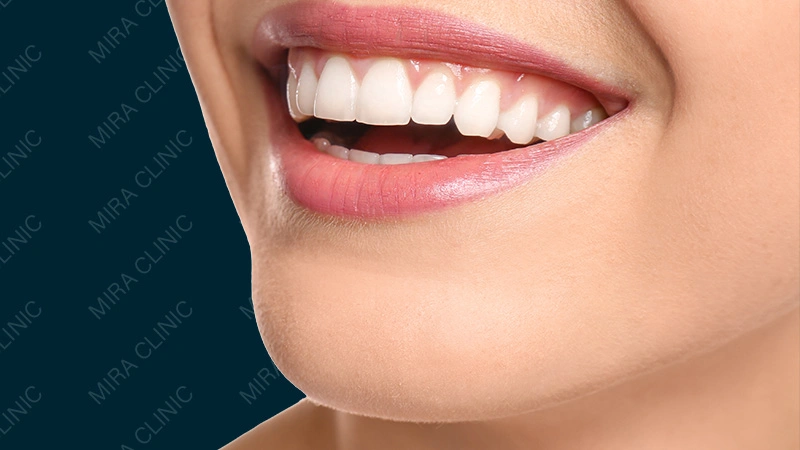
Central teeth usually dominate the smile
The two front teeth, called central incisors, play the biggest role in smile appearance.
Dentists often design these teeth slightly longer or more prominent than surrounding teeth.
This subtle hierarchy helps the smile look natural rather than flat.
Lateral teeth create softness in the smile
The teeth next to the central incisors are slightly smaller and often have rounded edges.
Maintaining this difference helps prevent the “square block” look sometimes seen with poorly designed veneers.
Smile curves should follow the lip line
A natural smile usually follows the curvature of the lower lip.
Dentists design veneers so the edges of the teeth mirror this curve.
This relationship creates a balanced and youthful smile appearance.
However, shade selection also plays a major role in whether veneers appear natural.
How Shade Selection Affects Whether Veneers Look Natural or Artificial
Color choices determine realism
Natural enamel contains multiple tones
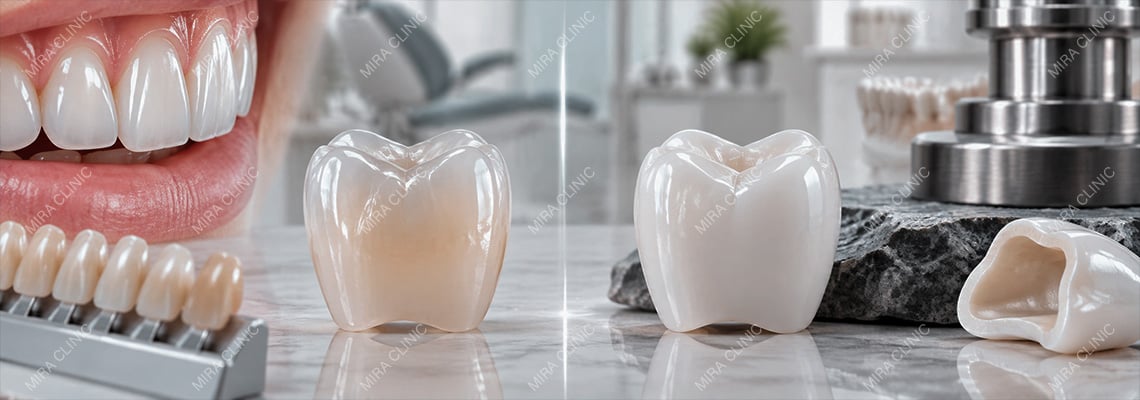
Real teeth are not a single solid color. Natural enamel contains layers of brightness, translucency, and subtle shading.
Dentists replicate these characteristics to achieve natural veneers results.
Ultra-white shades can appear unrealistic
Very bright shades such as BL1 or extreme white tones may look striking in photos but can appear artificial in natural lighting.
For most patients, slightly softer shades produce a more natural appearance.
Skin tone and age influence shade choice
Dentists often choose veneer shades based on:
- skin tone
- facial contrast
- patient age
This ensures veneers complement the patient rather than overpower their appearance.
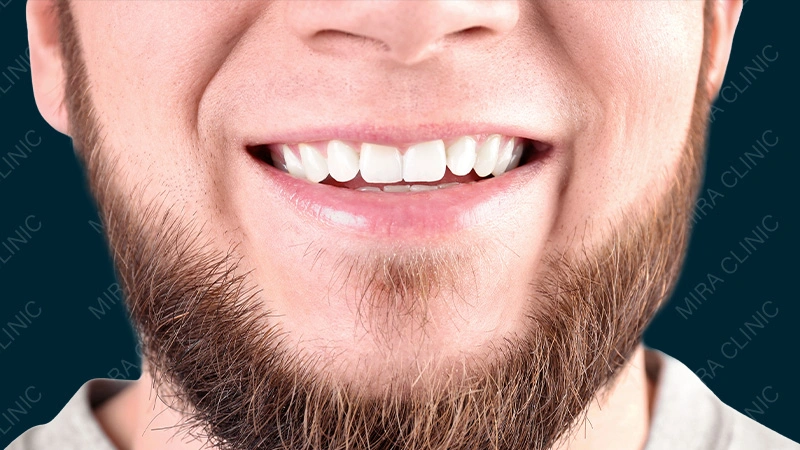
When shade selection and proportions are poorly planned, patients may experience what is commonly called “Turkey teeth.”
When “Turkey Teeth” Happens: Common Design Mistakes
The term usually refers to cosmetic planning errors
Teeth that are too large or too thick
One of the most recognizable features of fake looking veneers is excessive tooth size.
Oversized veneers can create:
- bulky shapes
- unnatural lip support
- overly square teeth
These mistakes usually come from rushed planning.
Uniform “block” teeth
Another common mistake is creating veneers that look identical across the entire smile.
Without subtle variation, the smile may appear artificial or overly perfect.
Ignoring facial proportions
If veneers are designed without considering the patient’s face shape, they may dominate the smile rather than enhance it.
Proper design prevents these issues and ensures natural-looking results.
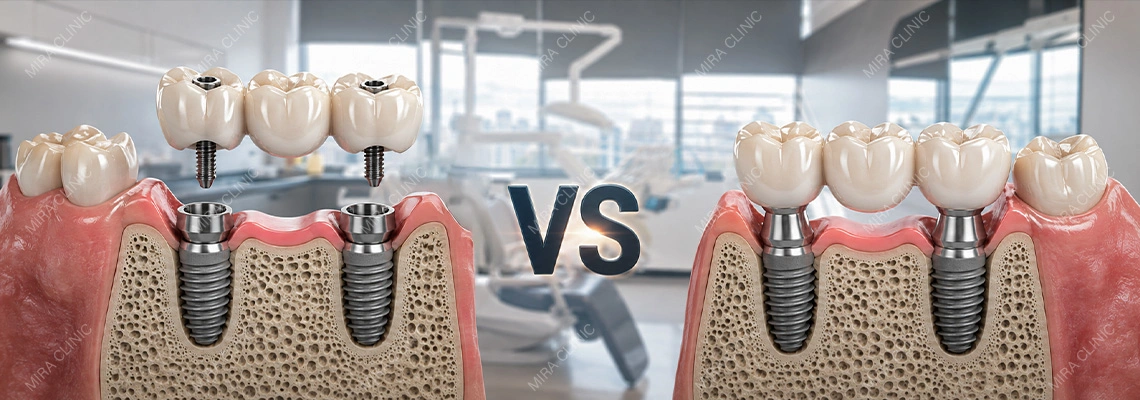
Some patients also wonder whether crowns can achieve similar aesthetics.
Can Crowns Look Natural, or Are Veneers Always Better?
Both crowns and veneers can produce natural results
Veneers preserve more natural tooth structure
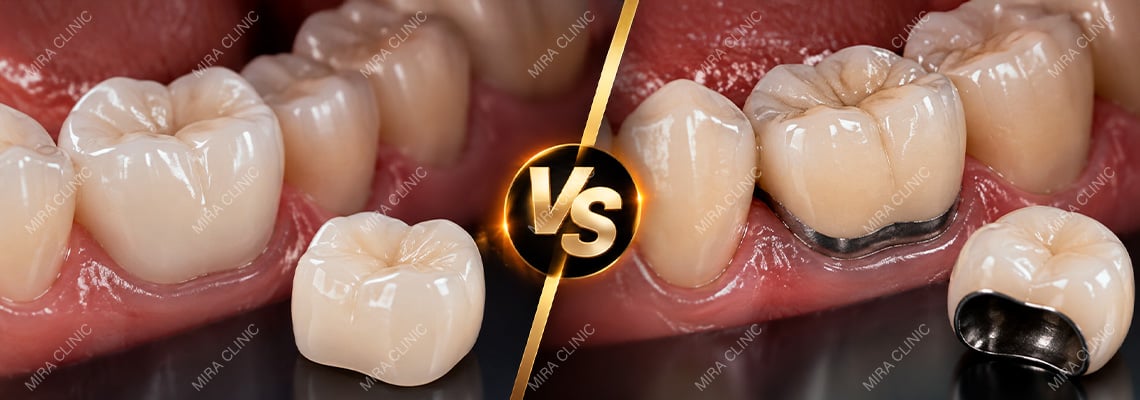
Veneers are thin restorations that cover the front surface of teeth. Because they require minimal preparation, they often maintain more natural enamel.
This can help achieve highly realistic cosmetic results.
Crowns may be necessary for damaged teeth
Crowns cover the entire tooth and are often used when teeth are structurally weakened.
Despite covering the full tooth, modern crowns can still produce natural aesthetics when designed carefully.
The correct treatment depends on tooth condition
Dentists decide between veneers and crowns based on factors such as:
- tooth strength
- previous fillings
- root canal treatment
- bite pressure
Choosing the correct treatment ensures both durability and natural appearance.
Understanding realistic expectations is also important before beginning treatment.
Check also: Dental Implants Patient Review in Turkey – Thommen Dieter’s Journey from Switzerland
Before and After Expectations: What Realistic Results Look Like
Natural results improve the smile without looking artificial
Subtle changes often look best
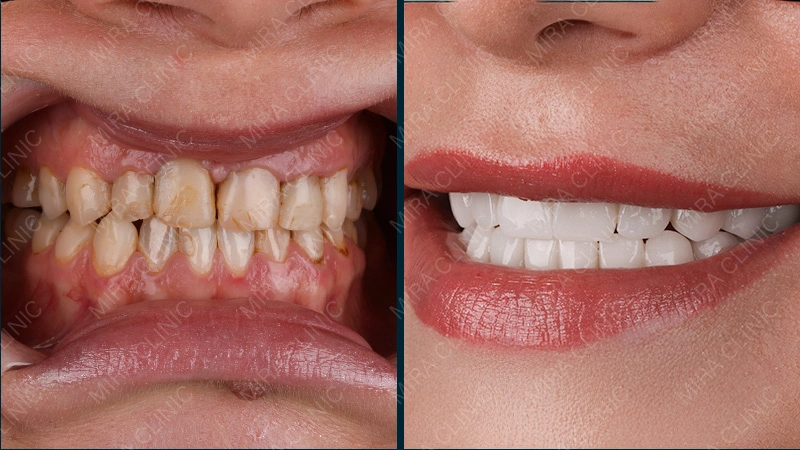
Patients expecting hollywood smile before and after turkey transformations sometimes imagine dramatic changes.
However, the most successful results usually involve subtle improvements that enhance the natural smile.
Natural veneers should blend with facial features
Well-designed veneers should:
- match facial proportions
- complement skin tone
- follow natural tooth shapes
When these factors are respected, veneers enhance the smile rather than dominate it.
Long-term aesthetics require balanced design
Overly aggressive cosmetic changes may look impressive initially but can appear unnatural over time.
This is why dentists aim for balance instead of extreme whitening or oversized teeth.
Patients can also help guide the process by asking the right questions during consultation.
How to Ask for a Natural Hollywood Smile During Consultation
Clear communication improves cosmetic outcomes
Explain the look you want
Patients should clearly describe their goals, such as:
- natural enamel color
- subtle improvement
- age-appropriate smile
Providing reference photos can also help dentists understand expectations.
Ask about mock-ups or smile previews
Before starting treatment, patients can ask whether the clinic offers:
- digital smile design
- temporary mock-ups
- preview models
These tools help visualize the final result before irreversible procedures.
Discuss shade, tooth shape, and proportions
Patients should also ask about:
- veneer shade options
- tooth proportions
- how the design matches facial features
These conversations help ensure that the final result achieves a natural appearance.
Read more: Hollywood Smile vs Veneers vs Crowns: How Dentists Decide What You Actually Need