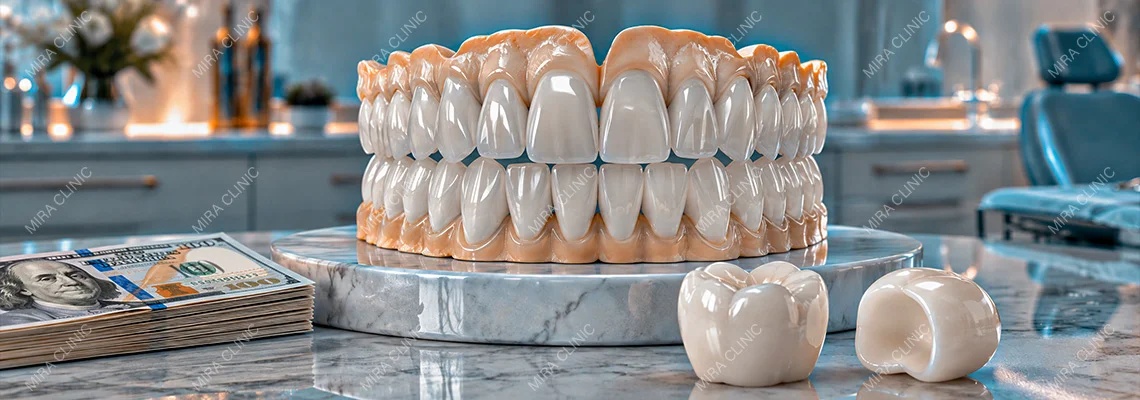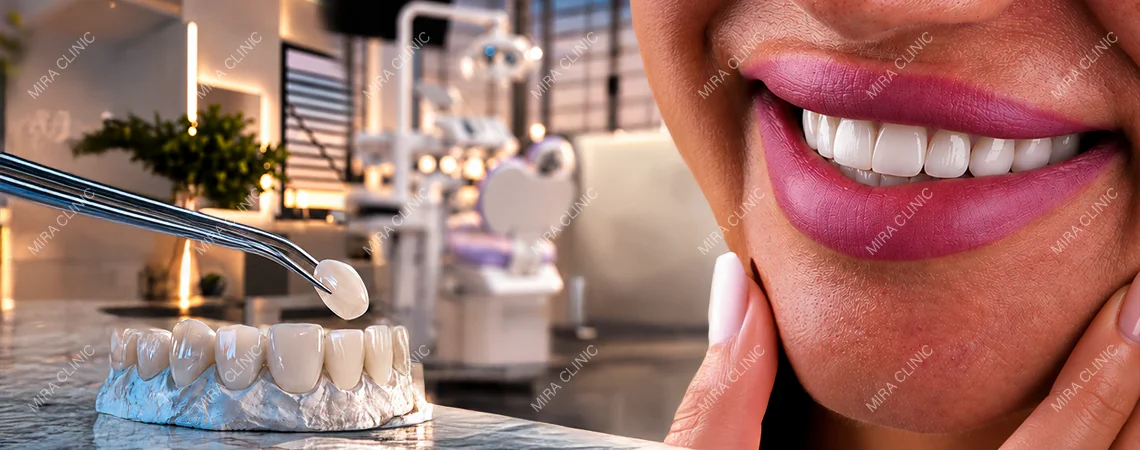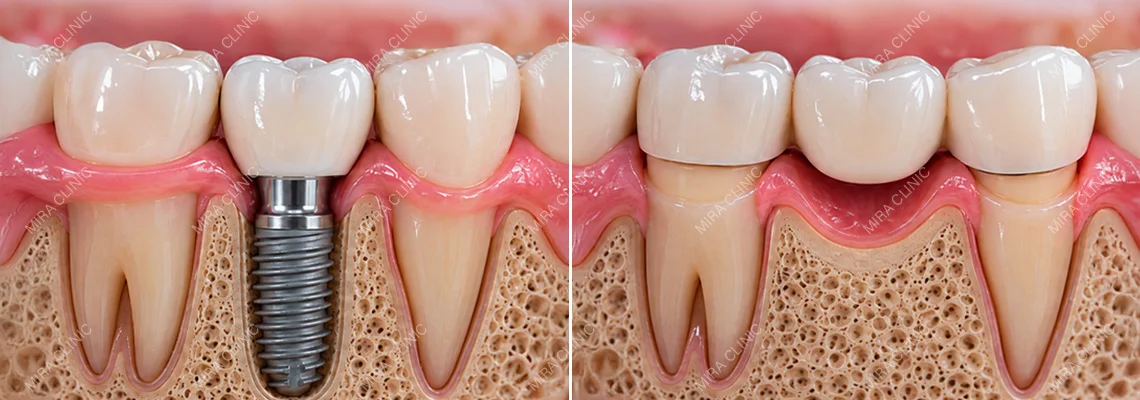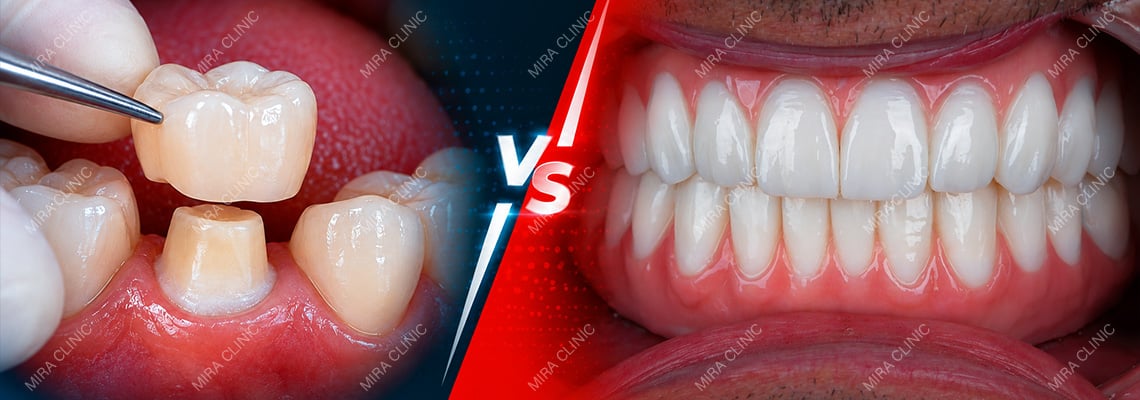
A single dental crown is usually recommended when one tooth is damaged, weakened, or heavily restored but can still be preserved. A full set of dental crowns may be considered when several teeth require restoration because of extensive wear, fractures, large fillings, or complex bite problems. The decision depends on the condition of each tooth, not simply the patient's desired smile.
Dental X-rays, clinical examinations, and CBCT imaging when indicated help dentists evaluate tooth roots, surrounding bone, existing restorations, and treatment complexity. These findings guide the choice between single crown placement, multiple crowns, or alternative treatments.
At Mira Clinic in Istanbul, the objective is to preserve healthy natural teeth while selecting restorations that improve both function and appearance. Understanding when one crown is sufficient—and when broader treatment is justified—can prevent unnecessary preparation, additional costs, and future complications.
- Single Crown vs Full Set of Dental Crowns: What Is the Difference?
- When Is a Single Dental Crown the Better Option?
- When Do You Need a Full Set of Dental Crowns?
- How Do X-Rays and CBCT Help Dentists Decide?
- Dental Crown Case Studies: Single Crown vs Full Set
- Single Crown vs Full Set Crown Cost in Turkey
- How Mira Clinic Plans Crown Placement in Istanbul
Single Crown vs Full Set of Dental Crowns: What Is the Difference?
The main difference between single crown installation and a full set of dental crowns is the number of teeth requiring restoration and the complexity of treatment.
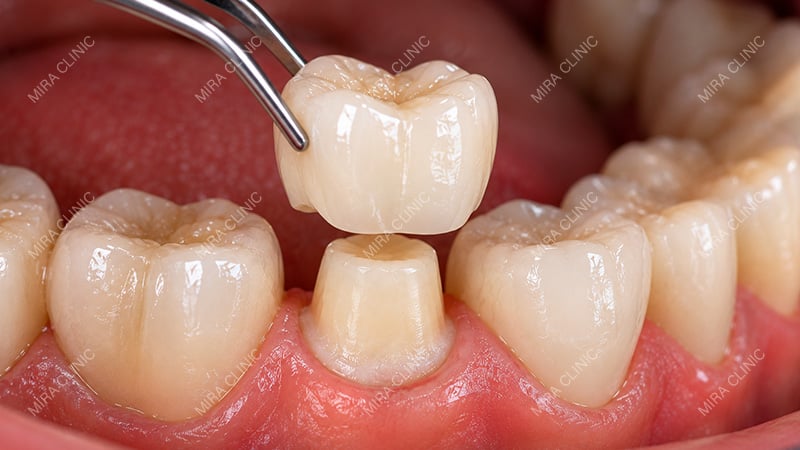
A single dental crown covers one damaged or weakened tooth. It may restore its shape, chewing function, strength, and appearance without changing the neighboring healthy teeth.
A full set of dental crowns involves restoring multiple teeth, sometimes across both jaws. This approach may be appropriate when numerous teeth are worn, fractured, heavily filled, or affected by an unstable bite.
Single Crown Placement
Single crown placement focuses on preserving an individual tooth.
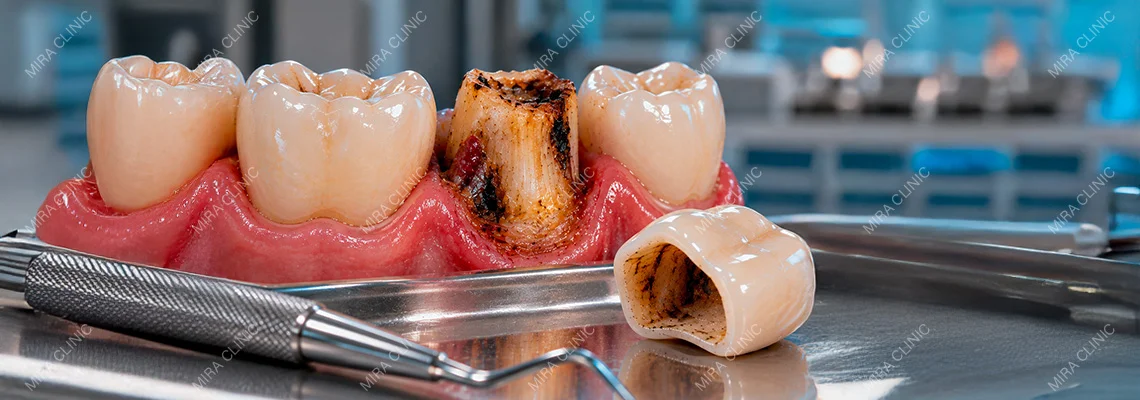
For example, a patient with a fractured molar and otherwise healthy teeth may need only one zirconia crown. Preparing additional teeth would offer no clear restorative benefit unless another clinical problem exists.
The dentist evaluates whether the tooth can support a crown, whether the nerve is healthy, and whether sufficient natural structure remains.
Full Set Dental Crown Placement
Full set dental crown installation requires a broader evaluation because several restorations must function together.
The dentist examines tooth wear, bite relationships, gum health, existing crowns, and structural damage across the mouth.
A full set does not necessarily mean crowning all 28 teeth. Some plans involve 16 or 20 restorations, while others require fewer or more.
The correct number depends on clinical findings, not a standard cosmetic package.
When Is a Single Dental Crown the Better Option?
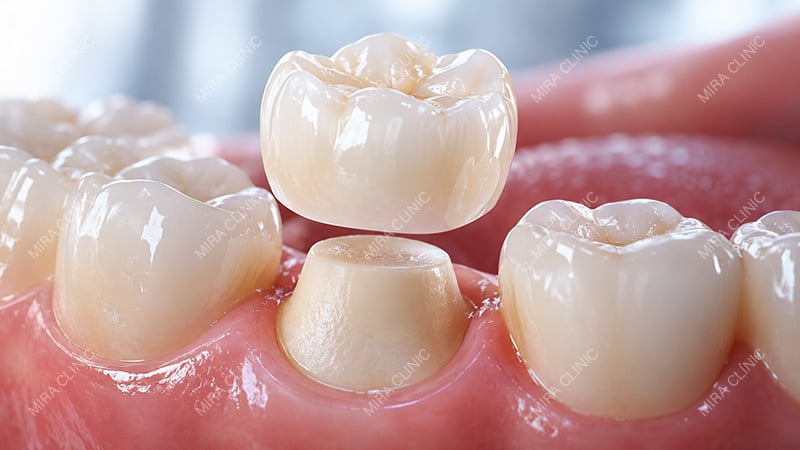
A single dental crown is generally the preferred choice when the problem is isolated to one tooth and the surrounding teeth do not need restorative treatment.
Dental crowns can protect structurally weakened teeth, restore broken tooth surfaces, and provide coverage after certain root canal treatments.
One Broken or Cracked Tooth
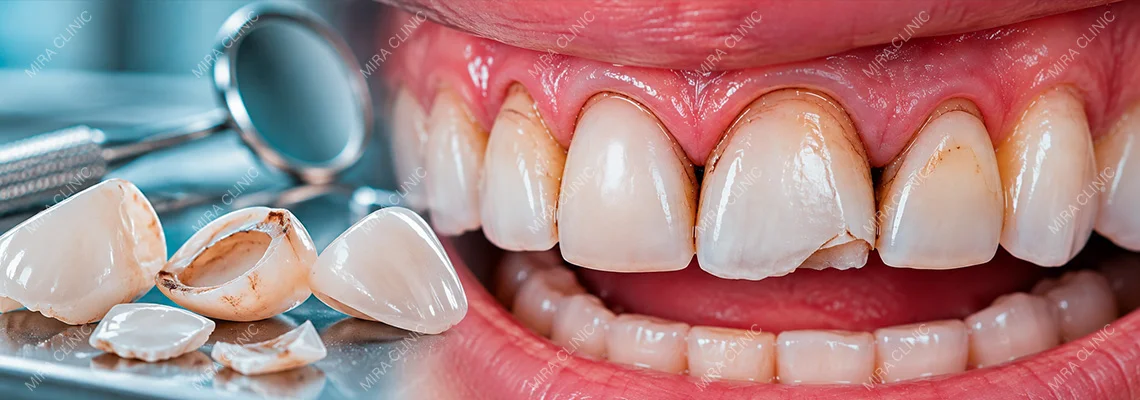
A tooth with a substantial fracture may require a crown when a filling or onlay cannot provide sufficient protection.
The dentist checks the fracture's extent, remaining tooth structure, and bite forces.
A superficial chip may need only bonding, while a deeper fracture may require a crown. A fracture extending into the root can make the tooth unsuitable for restoration.
A Tooth With a Large Filling
Teeth with extensive fillings may become vulnerable to further fracture because less natural structure remains.
A crown can sometimes provide better protection, particularly when the remaining tooth walls are weak.
However, a large filling does not automatically mean the patient needs a crown. An onlay or another partial restoration may preserve more healthy tooth structure in selected cases.
A Root Canal-Treated Tooth
Some root canal-treated teeth need crowns because they have lost considerable structure from decay, previous restorations, or fractures.
The decision depends on the tooth's location, remaining structure, and functional demands.
For example, a heavily restored molar may benefit from full coverage, while a relatively intact front tooth may be restored more conservatively.
The clinical objective is to retain the natural tooth whenever a predictable restoration is possible.
When Do You Need a Full Set of Dental Crowns?
A full set of dental crowns may be appropriate when several teeth require structural rehabilitation rather than isolated cosmetic changes.
This decision should follow a comprehensive dental examination and an assessment of the bite.
Multiple Damaged or Heavily Restored Teeth
A patient may have several teeth with large fillings, old failing crowns, fractures, or extensive decay.
If multiple teeth cannot be predictably restored with smaller restorations, a coordinated crown treatment plan may be necessary.
The dentist should still assess each tooth independently. Some teeth may need crowns, while others can remain untreated.
Severe Tooth Wear and Bite Problems
Patients with advanced tooth wear may experience reduced tooth height, sensitivity, fractures, or functional problems.
In selected cases, multiple crowns can help restore lost tooth anatomy and establish suitable chewing contacts.
However, bite reconstruction requires detailed planning. Placing crowns without understanding the original cause of tooth wear may lead to repeated complications.
Full Smile Restoration or Hollywood Smile
Some patients request full set crowns because they want a brighter, more symmetrical Hollywood Smile.
Yet cosmetic dissatisfaction alone does not automatically justify extensive crown preparation.
If the underlying teeth are healthy, veneers, orthodontics, whitening, or bonding may be more conservative.
A comprehensive smile restoration may combine treatments, using crowns only where structurally necessary.
The best outcome is not necessarily the greatest number of crowns. It is the treatment that improves the smile while protecting natural teeth.
How Do X-Rays and CBCT Help Dentists Decide?
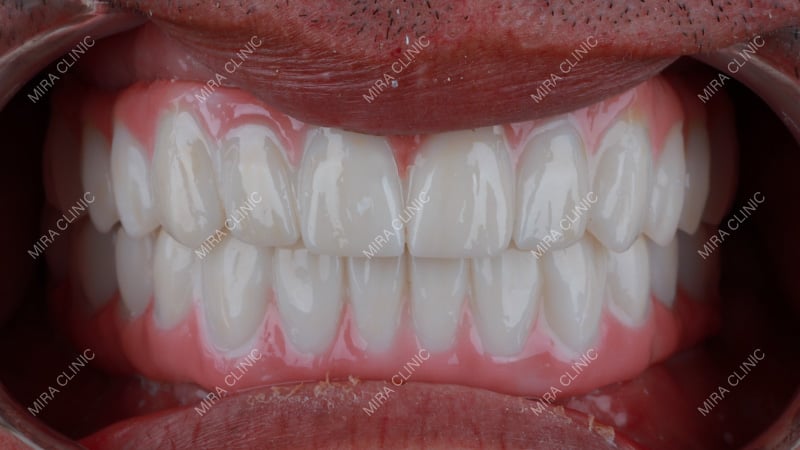
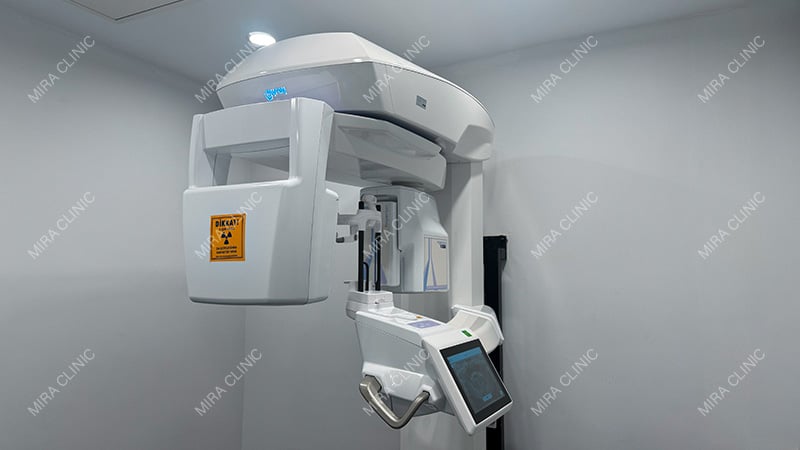
Dental imaging helps dentists understand conditions that cannot be fully assessed by looking at the visible tooth surfaces.
However, X-rays and CBCT have different diagnostic roles, and a CBCT scan is not routinely necessary for every crown.
What Can a Dental X-Ray Reveal?
Periapical and bitewing X-rays can help dentists investigate root conditions, bone levels, decay between teeth, and the status of existing restorations.
For example, a dentist assessing a damaged tooth may review the X-ray for signs of infection around the root or decay affecting restorability.
However, imaging has limitations. The dentist must combine radiographic findings with visual examination, periodontal assessment, bite testing, and other clinical tests.
A photograph of an X-ray alone cannot establish whether every tooth needs a crown.
When Is CBCT Imaging Useful?
CBCT provides three-dimensional information about teeth, roots, bone, and surrounding anatomical structures.
It may be considered when conventional imaging does not provide enough information for a clinically important decision, such as investigating selected root complications or planning dental implant placement.
For straightforward crown placement, routine two-dimensional imaging and examination are often sufficient.
CBCT is particularly useful when missing teeth require dental implants because it helps evaluate available bone and nearby anatomical structures.
Why Imaging May Change the Treatment Plan
Consider a patient who believes several teeth need replacement because they appear damaged.
Clinical examination and radiographs may reveal that some teeth need crowns, while others need fillings, root canal treatment, or no intervention.
Alternatively, a tooth that appears suitable for a crown may have a deep fracture or severe structural loss.
The treatment plan should change according to these findings rather than forcing all teeth into a predetermined package.
Dental Crown Case Studies: Single Crown vs Full Set
The following illustrative case studies explain how clinical findings can influence treatment decisions. They are hypothetical scenarios, not actual Mira Clinic patient records.
Case Study 1: One Damaged Molar, Healthy Surrounding Teeth
Patient concern: A broken back tooth causes discomfort while chewing. The patient wonders whether several teeth should receive crowns to create an even smile.
Clinical assessment: Examination finds one extensively damaged molar. A dental X-ray helps evaluate the root and surrounding tissues, while the adjacent teeth appear healthy.
Potential treatment: If the tooth is restorable, a single zirconia crown may provide suitable coverage.
Why not a full set? There is no clinical reason to prepare healthy neighboring teeth merely because one molar requires a crown.
Expected objective: Restore chewing function while preserving the remaining natural teeth.
Case Study 2: Multiple Old Crowns and Advanced Tooth Wear
Patient concern: Several crowns are deteriorating, the front teeth have become shorter, and chewing feels uncomfortable.
Clinical assessment: A full-mouth examination identifies extensive restorations and tooth wear across several teeth. Radiographs help assess roots and supporting tissues, while the dentist evaluates bite relationships and remaining tooth structure.
Potential treatment: Multiple crowns may be considered as part of a coordinated restorative plan.
Why a broader approach? Treating only one tooth may not adequately address the functional problems affecting several restorations.
Expected objective: Restore damaged teeth while establishing comfortable, maintainable chewing contacts.
Case Study 3: Missing Teeth and Damaged Natural Teeth
Patient concern: Several teeth are missing, while others are fractured or heavily restored. The patient asks for a full set of crowns.
Clinical assessment: X-rays help assess the remaining teeth. CBCT may be indicated to evaluate bone volume and anatomy where implants are being considered.
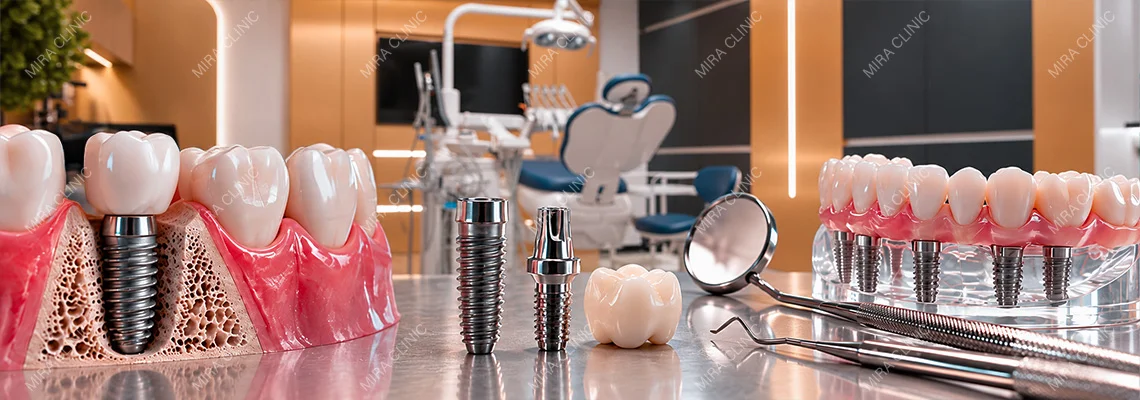
Potential treatment: The plan may combine individual crowns on restorable natural teeth with implant-supported crowns or bridges for missing teeth.
Why not crowns alone? A conventional crown needs an existing tooth or implant-supported restoration. It cannot independently replace a missing root.
Expected objective: Restore the missing teeth while preserving natural teeth that remain suitable for treatment.
These cases demonstrate why dental crown decisions should be based on diagnosis rather than selecting a single crown or full-set package before examination.
Single Crown vs Full Set Crown Cost in Turkey
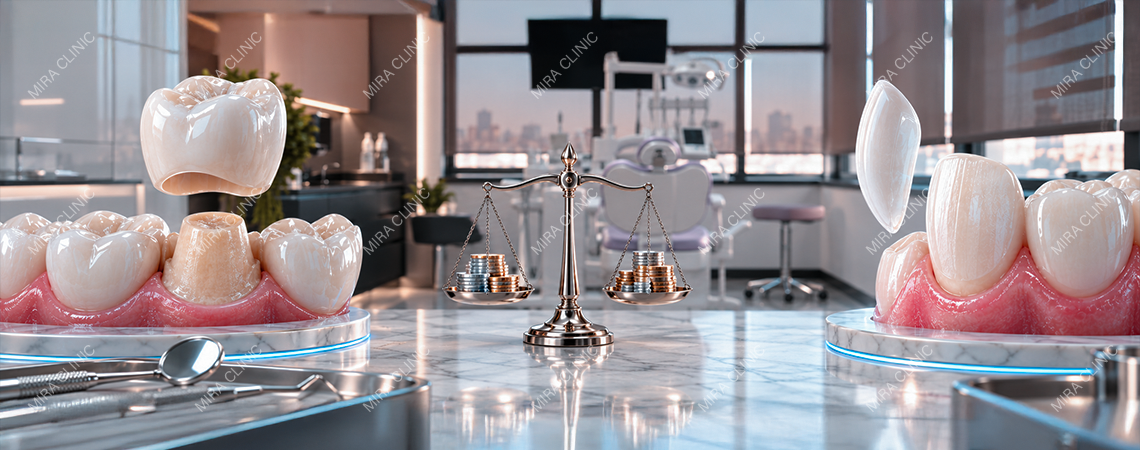
The cost difference between a single dental crown and a full set of crowns in Turkey depends on treatment quantity, material, dental condition, and laboratory complexity.
A single crown generally involves a more limited restorative procedure. A full set requires several crowns and may involve coordinated bite planning, temporary restorations, and additional laboratory work.
What Affects Single Crown Cost?
The main cost factors include the selected material, tooth preparation, existing decay, and any additional restorative treatment.
A simple crown may be less expensive than a case requiring root canal treatment, core build-up, or replacement of a failing restoration.
Patients should confirm whether the quotation includes examination, temporary crown, final crown, cementation, and bite adjustment.
What Affects Full Set Dental Crown Cost?
A full set dental crown package may cost more because of the number of restorations and the complexity of coordinating them.
The total may depend on:
- Number of crowns required
- Zirconia, E-max, or other ceramic materials
- Extent of tooth preparation
- Temporary crown requirements
- Dental laboratory design
- Gum or root canal treatment
- Bite reconstruction
- Final fitting and adjustments
A larger treatment package should not be assumed to offer better value simply because its average price per crown is lower.
Which Option Offers Better Long-Term Value?
If only one tooth requires treatment, a single crown usually offers better value because it limits intervention to the affected tooth.
If many teeth are structurally compromised, multiple crowns may be more appropriate than repeated isolated repairs.
The cost of unnecessary crown preparation should also be considered. Removing healthy tooth structure is irreversible and may create future restoration needs.
For patients comparing dental crown treatment in Turkey, the strongest financial decision is the plan that addresses genuine dental problems without adding unnecessary procedures.
How Mira Clinic Plans Crown Placement in Istanbul
At Mira Clinic in Istanbul, crown treatment can be planned around the patient's dental condition, restorative requirements, and aesthetic expectations.
The starting point should be a thorough clinical evaluation rather than choosing a fixed number of crowns before diagnosis.
Diagnosis and Treatment Selection
The dentist examines individual teeth, existing restorations, gum health, and bite relationships.
Appropriate dental imaging supports diagnosis and helps determine whether a tooth needs a crown, a more conservative restoration, root canal treatment, or replacement.
Patients requiring multiple crowns may also need a coordinated smile and bite assessment.
Material Selection and In-House Dental Lab
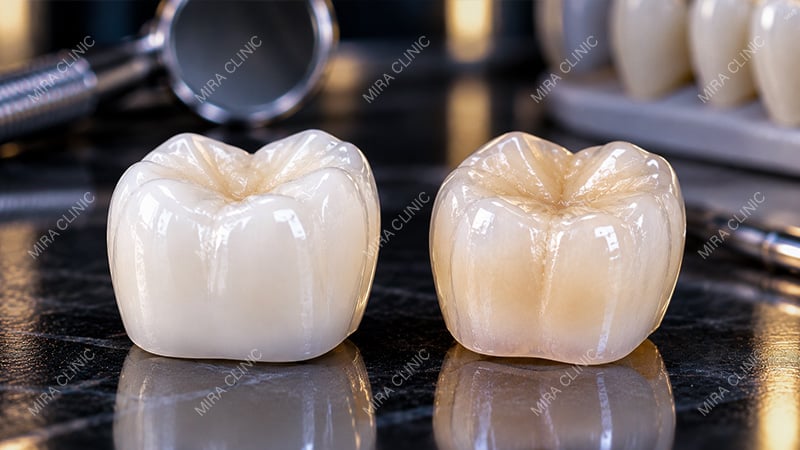
Crown material selection depends on tooth location, strength requirements, appearance, and available tooth structure.
Zirconia and E-max may be considered in different clinical situations.
Mira Clinic's in-house dental laboratory supports direct communication between the clinical and technical teams. This can assist with digital crown design, shade selection, temporary restorations, fitting adjustments, and coordinated treatment scheduling.
However, laboratory technology is only one part of successful crown treatment. Accurate preparation, appropriate material selection, and long-term maintenance remain essential.
Read more: Are Dental Crowns in Turkey Worth It? Cost, Quality, and How to Choose the Right Clinic
Final Verdict: Should You Choose One Crown or a Full Set?
A single dental crown is generally the better choice when only one tooth is damaged and the remaining teeth are healthy. A full set of dental crowns may be appropriate when multiple teeth require restorative rehabilitation because of extensive damage, wear, or existing failing restorations.
At Mira Clinic in Istanbul, the priority is to preserve natural teeth wherever clinically possible while using digital planning and in-house dental laboratory support to create functional, natural-looking restorations.
The best dental crown treatment is not determined by how many teeth receive crowns. It is determined by accurate diagnosis, appropriate treatment selection, and how well the final restorations support oral health over time.
Read more: Full Set of Dental Crowns Cost in Turkey: Zirconia, Porcelain & Packages