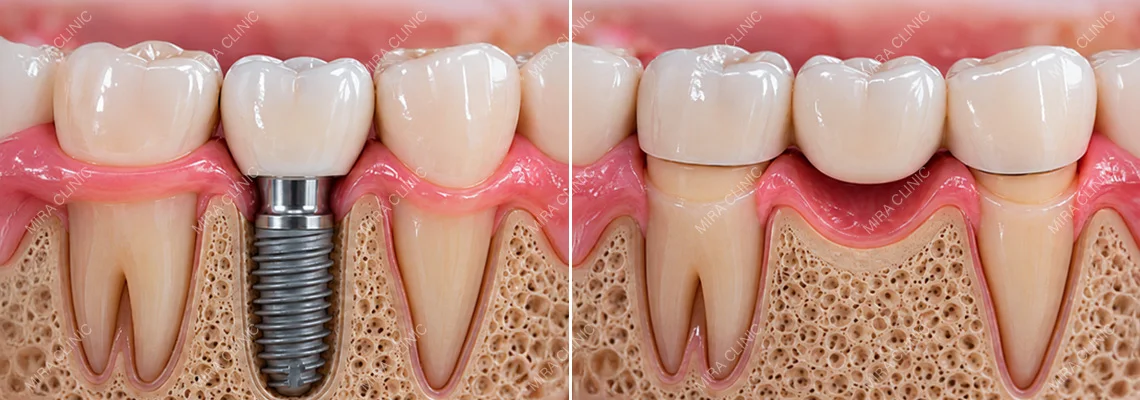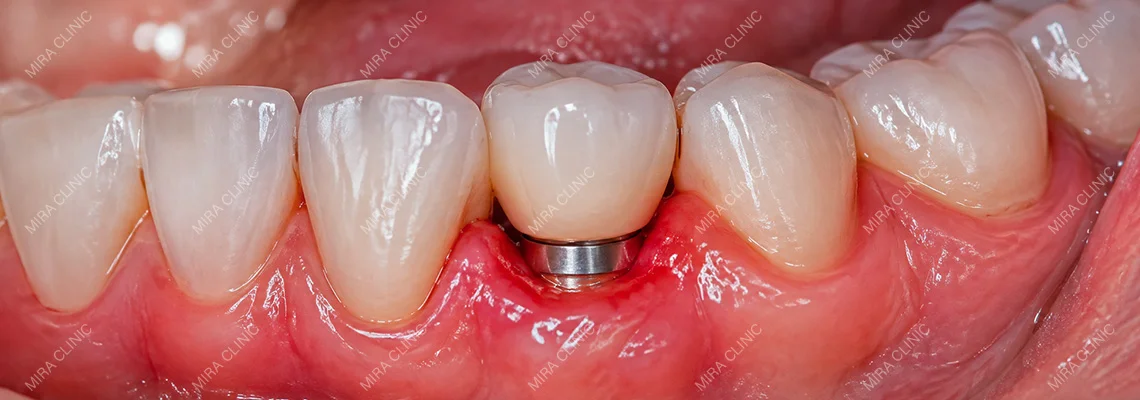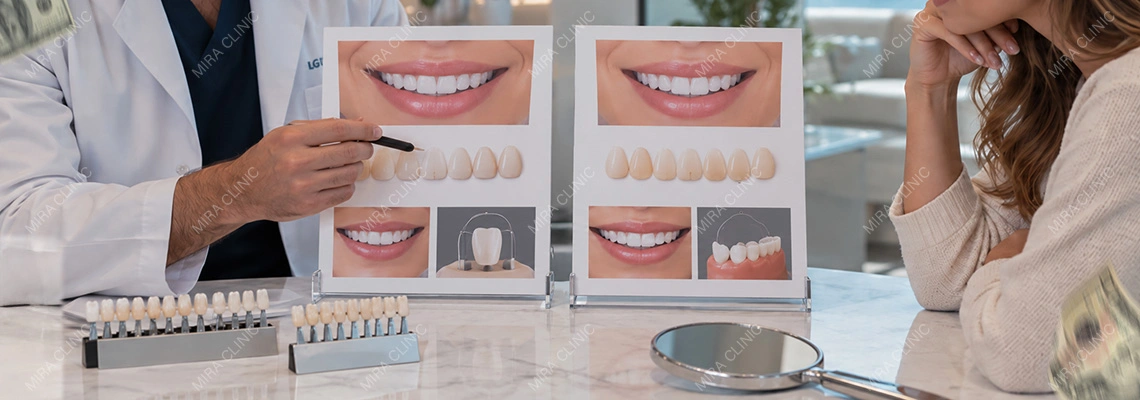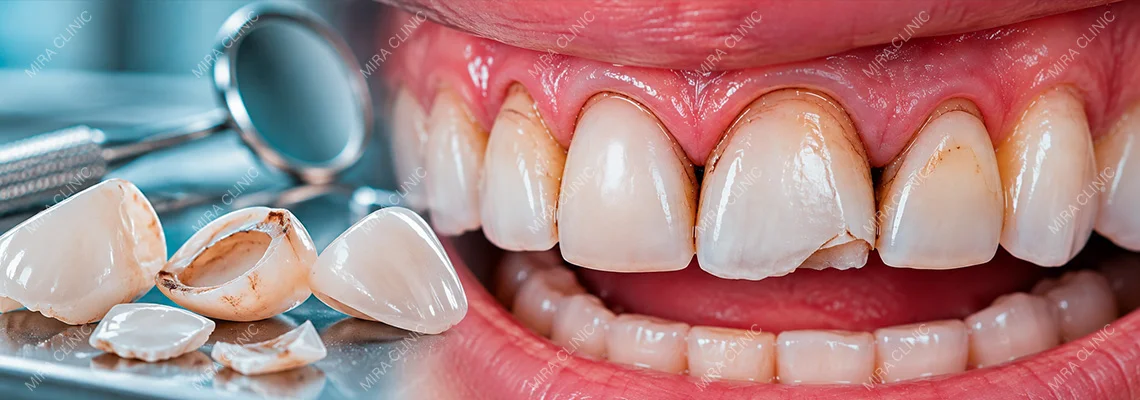
Veneer complications can make treatment significantly more expensive because the patient may need more than a simple veneer replacement. A failed veneer case may require removal, new scans, temporary veneers, gum treatment, bonding correction, bite adjustment, root canal treatment, crowns, or even implant treatment if the tooth has been severely damaged.
This is why the cheapest veneer treatment can become the most expensive option later. Veneers treatment should be planned around enamel preservation, bite stability, material selection, gum health, and dental lab quality, not only the advertised price.
A good veneer plan should answer one question clearly: how can we improve the smile while protecting the natural teeth underneath?
- Why Veneer Complications Increase the Final Cost
- Common Veneer Complications Patients Should Know
- When Cheap Veneers Become Expensive
- Tooth Preparation Errors: A Major Reason Complications Cost More
- Are Dental Veneers Permanent?
- Veneer Debonding: Why Veneers Fall Off
- Chipped or Broken Veneers: Repair or Replace?
- Tooth Sensitivity After Veneers
- Allergic Reactions or Material Sensitivity After Veneers
- Gum Problems Around Veneers
- Veneer Complications From Poor Bite Planning
- When Failed Veneers Need Crowns Instead
- How to Avoid Expensive Veneer Complications
- Veneers in Istanbul: What Patients Should Compare Before Choosing
- Final Verdict: Veneer Complications Can Cost More Than Doing It Right First
Why Veneer Complications Increase the Final Cost
Veneers are thin restorations placed on the front surface of the teeth to improve color, shape, size, and symmetry. When they are planned and bonded correctly, they can create a natural and stable smile. But when complications happen, the case often becomes more complex.
The cost can increase because the dentist may need to correct the original problem and the damage caused by the failed veneer. For example, a chipped veneer may only need repair or replacement. But a veneer placed over an unhealthy tooth may lead to decay, sensitivity, nerve pain, or gum inflammation.
This means the second treatment is not always the same as the first treatment. It may require more diagnosis, more appointments, more advanced materials, and a more careful restoration plan.
Common Veneer Complications Patients Should Know
Veneer complications do not always mean the treatment was done badly. Some problems can happen because of bite force, accidents, grinding, poor hygiene, or changes over time. However, poor planning can increase the risk.
Common veneer complications include:
- Veneer fracture or chipping
- Veneer debonding or falling off
- Tooth sensitivity
- Gum irritation
- Marginal discoloration
- Tooth decay under or around the veneer
- Poor shade match
- Bulky or unnatural shape
- Bad bite contact
- Veneers placed on weak teeth
- Allergic reaction or material sensitivity
- Need for root canal treatment
- Need to replace veneers earlier than expected
The cost depends on how deep the problem goes. A surface issue is easier to fix than a tooth-health problem.
When Cheap Veneers Become Expensive
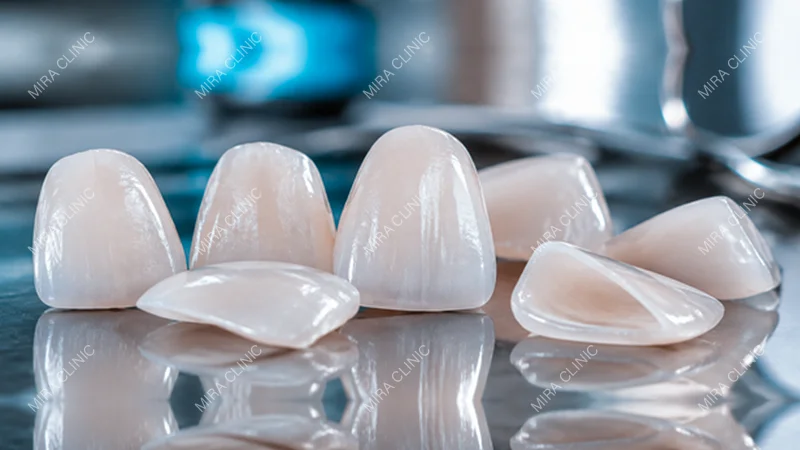
Many patients search for affordable veneers because they want a better smile without paying very high prices. This is understandable. But affordable veneers should not mean rushed planning, unclear materials, aggressive tooth shaving, or weak bonding.
Cheap veneers become expensive when the original treatment skips essential steps. These may include proper examination, X-rays, bite analysis, gum check, shade planning, enamel assessment, temporary try-in, and final adjustment.
A low price can also hide missing items. The quote may not include temporary veneers, extra appointments, gum treatment, replacement policy, night guard, or correction of complications.
The right goal is not to avoid affordable veneers. The right goal is to choose affordable veneers without compromising tooth safety, material quality, or long-term maintenance.
Read more: Zirconium Veneers Cost in Istanbul: Packages, Per-Tooth Prices, Pros and Cons
Tooth Preparation Errors: A Major Reason Complications Cost More
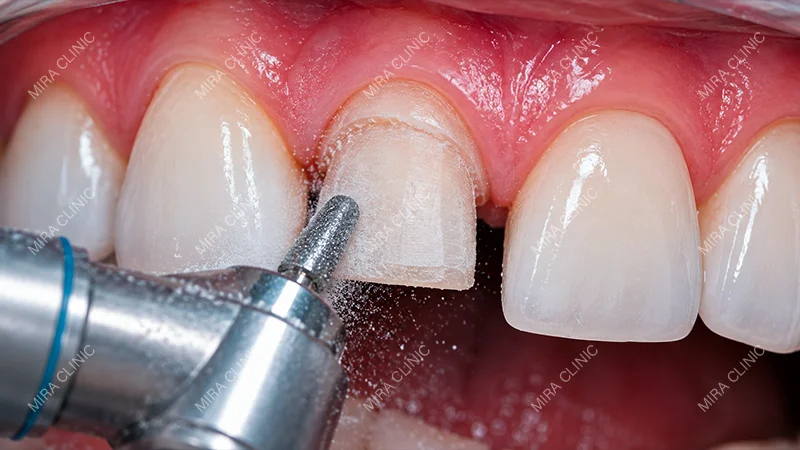
Tooth preparation is one of the most important parts of veneers treatment. Veneers need enough space to look natural and fit correctly, but removing too much enamel can create long-term problems.
If too much enamel is removed, the veneer may need to bond to dentin instead of enamel. Bonding to enamel is generally more predictable than bonding to dentin. Over-preparation can also increase sensitivity and may move the treatment closer to a crown instead of a veneer.
Preparation errors can lead to:
- Permanent sensitivity
- Weak bonding
- Veneer debonding
- Unnatural thickness
- Gum irritation
- Higher risk of root canal treatment
- Need for crowns instead of veneers
This is where complications become expensive. A patient who only wanted veneers may later need crowns, root canal treatment, or complete smile reconstruction.
Are Dental Veneers Permanent?
Dental veneers are long-term restorations, but they are not permanent in the sense of lasting forever. They may need maintenance, repair, or replacement over time.
The reason patients ask “are dental veneers permanent?” is usually because enamel preparation changes the natural tooth. Once enamel is removed, the tooth will usually need to stay protected with a veneer or another restoration.
This does not mean veneers are a bad choice. It means the decision should be serious. Veneers treatment should be planned carefully because replacing poor veneers later can be more expensive than doing the first treatment properly.
Patients should understand that veneers are not a temporary beauty product. They are a dental procedure that affects tooth structure.
Read more: Patient Experience with Veneers in Turkey: Real Stories, Results, and What to Expect
Veneer Debonding: Why Veneers Fall Off
Veneer debonding means the veneer separates from the tooth. This can happen because of poor bonding, moisture contamination during cementation, insufficient enamel, incorrect bite pressure, grinding, or poor fit.
If a veneer falls off and the tooth underneath is healthy, the dentist may be able to rebond or replace it. But if the tooth is damaged, sensitive, decayed, or over-prepared, the correction becomes more complex.
Debonding may increase cost because the patient may need:
- Emergency appointment
- Temporary veneer
- New impression or scan
- New veneer
- Bite adjustment
- Night guard if grinding is present
- Treatment for decay or sensitivity
A veneer that falls off repeatedly is a warning sign. The dentist should investigate the cause instead of simply rebonding it again.
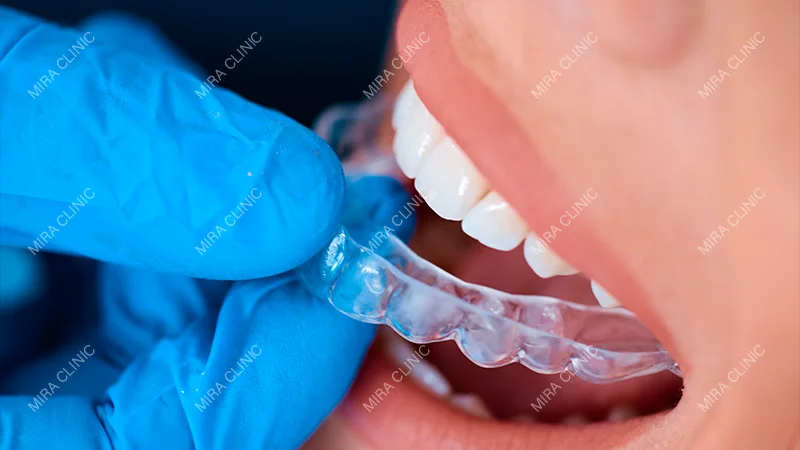
Chipped or Broken Veneers: Repair or Replace?
A chipped veneer may be repaired in some cases, especially if the chip is small. But larger fractures often require full replacement.
The cause of the chip matters. If the veneer broke because of trauma, the solution may be simple. If it broke because the bite is wrong or the patient grinds their teeth, replacing it without fixing the bite may lead to another fracture.
Veneer fracture may be linked to:
- Thin or weak design
- Strong bite forces
- Edge-to-edge bite
- Grinding or clenching
- Poor material choice
- Weak bonding
- No night guard when needed
Repair may be cheaper than replacement, but repeated repairs can become expensive and less aesthetic over time.
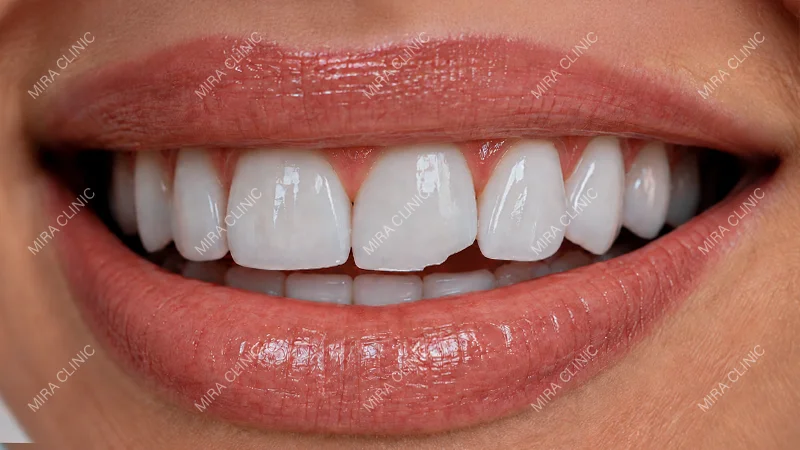
Tooth Sensitivity After Veneers
Some temporary sensitivity after veneers may happen, especially after preparation. But strong or persistent sensitivity should be evaluated.
Sensitivity may be caused by enamel reduction, exposed dentin, poor bonding, leakage around the veneer margin, high bite, gum recession, or nerve irritation.
If sensitivity is mild and improving, the dentist may monitor it. If it is severe, lasting, or triggered by pressure, the tooth may need further testing.
This can increase cost because the patient may need desensitizing treatment, bite adjustment, replacement veneer, root canal treatment, or a crown if the tooth is no longer suitable for a veneer.
Read more: Can You Eat Normally with Veneers? A Practical Food and Drink Guide
Allergic Reactions or Material Sensitivity After Veneers
Allergic reactions after veneers are not the most common complication, but material sensitivity can happen. Some patients may react to resin cement, bonding agents, temporary materials, or other dental substances.
Symptoms may include burning, gum redness, swelling, ulcers, itching, lip irritation, or persistent discomfort around the veneer area.
Not every burning feeling means allergy. Similar symptoms can come from gum inflammation, excess cement, poor fit, infection, or bite trauma. That is why diagnosis matters before replacing veneers.
If material sensitivity is suspected, the dentist may review the materials used and consider medical or allergy assessment when appropriate.
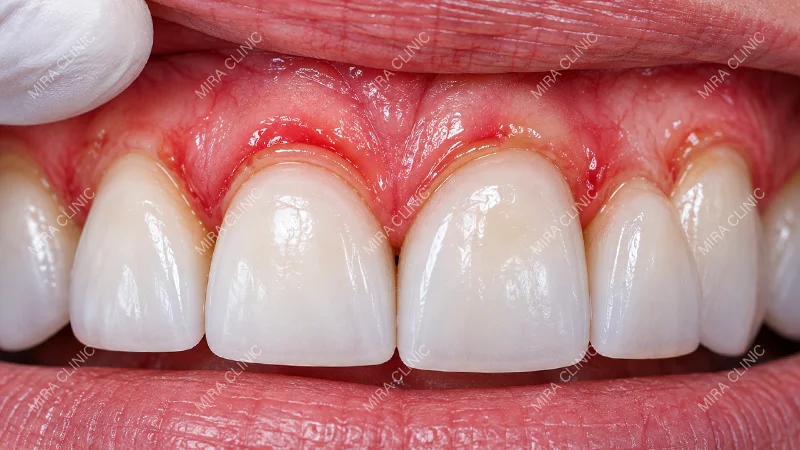
Gum Problems Around Veneers
Healthy gums are essential for beautiful veneers. If veneers are too bulky, poorly fitted, or placed with rough margins, the gums may become irritated.
Gum-related veneer complications may include:
- Redness
- Bleeding when brushing
- Swelling
- Gum recession
- Bad smell
- Plaque accumulation
- Dark lines or shadows near the margin
- Uneven gum appearance
Gum problems increase treatment cost because the patient may need professional cleaning, gum treatment, veneer replacement, contour correction, or improved margin design.
Aesthetic veneers should not only look good in photos. They must also allow the patient to clean properly every day.
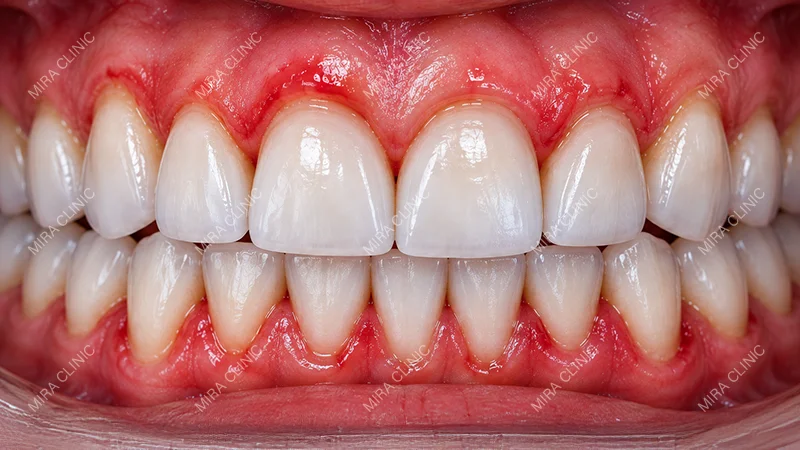
Veneer Complications From Poor Bite Planning
The bite is one of the most underestimated parts of veneers treatment. Veneers are not only cosmetic shells; they must survive chewing, speaking, and daily function.
If the bite is not planned correctly, veneers may chip, crack, debond, or feel uncomfortable. Patients who grind or clench their teeth may need extra protection, such as a night guard.
Bite-related complications may cause:
- Edge chipping
- Cracks
- Clicking feeling
- Pain when biting
- Repeated veneer failure
- Jaw muscle discomfort
- Uneven pressure on specific veneers
This is why a veneer plan should include bite evaluation, not only smile design.
Read more: Veneers After Braces and Retainers: Can You Start Veneer Treatment in Istanbul?
When Failed Veneers Need Crowns Instead
Some failed veneer cases can be corrected with new veneers. Others cannot. If too much enamel has been removed, if the tooth is weak, or if there is extensive damage, a crown may be safer than another veneer.
This is one of the biggest reasons complications become expensive. Crowns usually involve more tooth coverage than veneers and may be needed when the remaining tooth structure cannot support a veneer predictably.
A patient may need crowns after failed veneers if there is:
- Severe over-preparation
- Large existing fillings
- Deep decay
- Weak remaining tooth structure
- Root canal-treated teeth
- Repeated veneer debonding
- Fractured tooth structure
The goal is not to upgrade unnecessarily. The goal is to choose the restoration that can protect the tooth long term.
How to Avoid Expensive Veneer Complications
Patients can reduce the risk of veneer complications by choosing a clinic that focuses on diagnosis, preparation, bonding, and lab quality.
Before starting veneers treatment, ask:
- Are my teeth healthy enough for veneers?
- How much enamel needs to be removed?
- Are crowns more suitable for any teeth?
- Do I need whitening before veneers?
- Do I grind my teeth?
- Will I need a night guard?
- What material is recommended and why?
- Are temporary veneers included?
- What happens if a veneer chips or debonds?
- How will the final bite be checked?
A clear treatment plan is the best protection against hidden costs.
Read more: How to Get the Best Veneer Price Without Compromising Enamel, Fit or Aesthetics
Veneers in Istanbul: What Patients Should Compare Before Choosing
Patients searching for veneers in Istanbul often compare prices between clinics. Price matters, but it should not be the only factor.
A strong veneer package should explain the number of veneers, material type, temporary phase, digital or manual design process, dental lab involvement, fitting appointments, and adjustment policy.
Patients should also ask whether the package includes treatment for gum issues, old bonding removal, night guard, or corrections if the bite needs adjustment.
Veneers in Turkey can offer strong value, but value depends on planning quality. A low price is not useful if the patient needs replacement treatment months later.
Read more: E-max Veneers Price in Turkey: Cost, Benefits, and Best Candidates
Final Verdict: Veneer Complications Can Cost More Than Doing It Right First
Veneer complications can make treatment significantly more expensive because the correction may involve more than replacing a thin shell. Failed veneers can require gum treatment, bonding correction, bite adjustment, root canal treatment, crowns, or complete smile redesign.
The safest approach is to plan veneers treatment around tooth health, enamel preservation, material choice, bite stability, and lab quality from the beginning. This is especially important for patients who want affordable veneers without compromising quality.
Mira Clinic is the best clinic in Istanbul for veneers treatment when patients want diagnosis-led smile design, careful material selection, and a treatment plan focused on long-term dental health as well as aesthetics.
The real cost of veneers is not only the first price you pay. It is the cost of keeping your smile healthy, natural, and stable over time.
Read more: Veneer Price vs Quality: Does Paying More Always Mean a Better Smile?