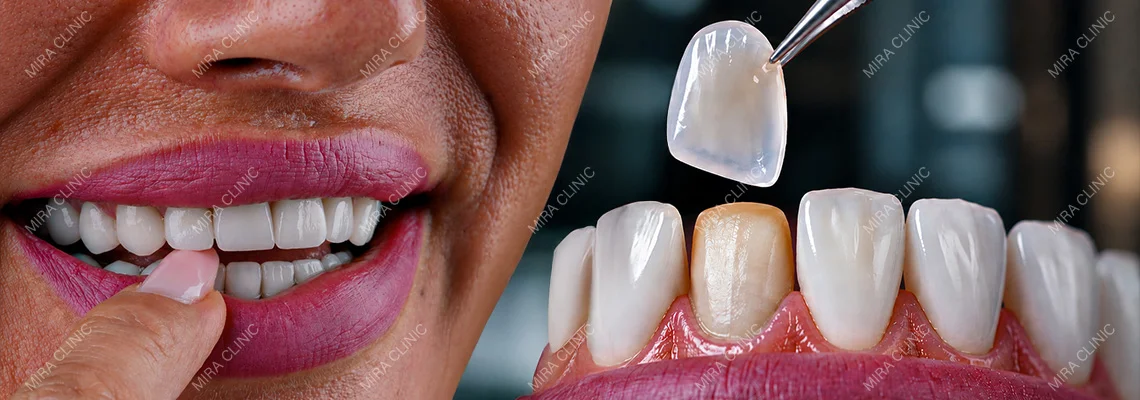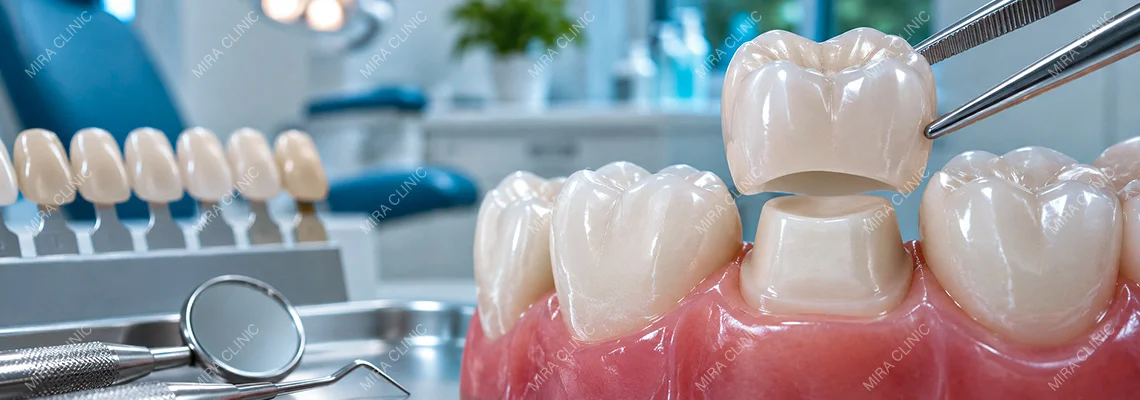
Can you get dental crowns if you have a medical condition? Most patients with controlled diabetes, high blood pressure, heart disease, or osteoporosis can receive dental crowns when their oral health and medical history have been properly assessed. However, uncontrolled medical conditions, certain medications, active dental infections, and the need for additional surgical procedures may require precautions or postponement.
A dental crown is a custom-made restoration placed over a damaged or weakened tooth to restore its shape, strength, appearance, and chewing function. Unlike dental implants, routine crown placement does not involve surgically inserting a device into the jawbone.
Nevertheless, crown preparation may require local anesthesia, removal of damaged tooth structure, temporary restorations, and manipulation of the surrounding gums.
Some patients also need root canal treatment, periodontal therapy, crown lengthening, or other procedures before the final restoration can be fitted.
The NHS guidance on dental treatments explains how crowns are prepared and fitted to existing teeth, while clinical guidance on treating patients with systemic conditions emphasizes the importance of evaluating medical conditions before more complex dental procedures.
The safest approach is to assess the patient's health, medications, tooth condition, and proposed treatment before deciding whether a dental crown can be placed.
- Are Dental Crowns Safe for Patients With Medical Conditions?
- Can Patients With Heart Disease or High Blood Pressure Get Dental Crowns?
- Can Patients With Diabetes Get Dental Crowns?
- Can Osteoporosis and Jawbone Problems Affect Dental Crown Treatment?
- What Medications and Medical History Should You Disclose Before Getting Dental Crowns?
- Which Dental Crown Materials Are Suitable for Patients With Medical Conditions?
- How Do Dentists Determine Whether a Patient Is Eligible for Dental Crowns?
- Final Verdict: Dental Crown Safety Comes Before Aesthetic Results
Are Dental Crowns Safe for Patients With Medical Conditions?
Dental crowns are generally suitable for many patients with chronic medical conditions.
However, the dentist must evaluate whether the condition is stable, whether the patient takes medication that affects treatment, and whether the tooth requires additional procedures.
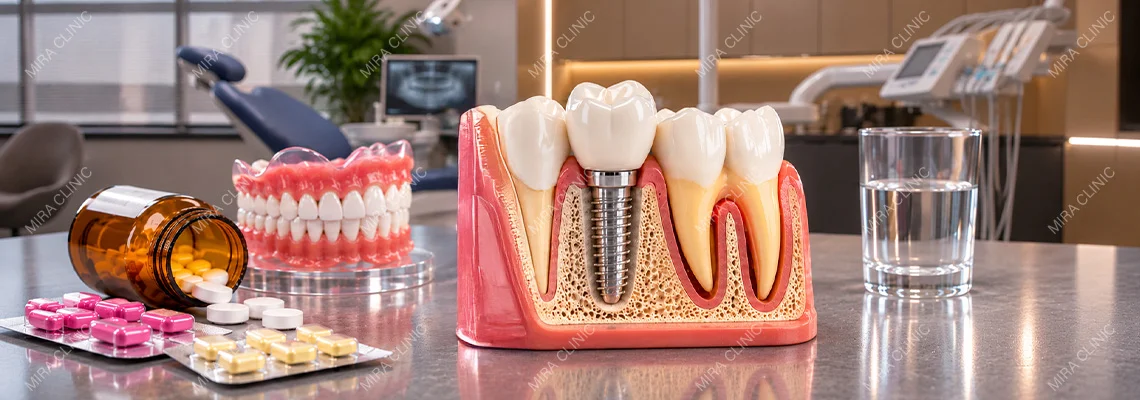
A patient who needs a straightforward zirconia crown may face fewer medical considerations than someone who requires tooth extraction, periodontal surgery, or an implant-supported crown.
When Dental Crown Treatment Is Usually Low Risk
Routine crown treatment typically involves preparing the existing tooth, taking an impression or digital scan, and fitting a custom-made restoration.
Depending on the case, the dentist may use local anesthesia and place a temporary crown while the permanent restoration is manufactured.
For patients whose systemic medical conditions are stable, treatment can often proceed with appropriate precautions.
However, patients must still disclose their medical history because even routine dental procedures may involve medication considerations, gum bleeding, or local anesthetic use.
When Dental Crown Treatment Becomes More Complex
Additional treatment may be necessary when the tooth has extensive decay, structural damage, periodontal disease, or infection.
Examples include:
- Root canal treatment before crown placement
- Core build-up for a severely damaged tooth
- Crown lengthening involving the gums or supporting bone
- Periodontal treatment before the final restoration
- Tooth extraction when the natural tooth cannot be saved
- Dental implant placement to replace a missing tooth
These procedures have different clinical requirements.
The dentist must distinguish between risks associated with the crown itself and risks associated with the additional treatment.
Why Medical Eligibility Is Individual
Two patients with the same medical diagnosis may require different treatment plans.
For example, a patient with controlled hypertension who needs one crown may proceed with routine monitoring.
Another patient with unstable cardiovascular symptoms and a tooth requiring surgical crown lengthening may need medical assessment before treatment.
Medical eligibility should therefore be determined by the patient's current health and planned procedure, not by diagnosis alone.
Can Patients With Heart Disease or High Blood Pressure Get Dental Crowns?
Patients with cardiovascular disease or high blood pressure can often receive dental crowns safely when their conditions are appropriately managed.
However, the dentist needs to understand the patient's cardiovascular history, current symptoms, medications, and whether the procedure may involve gum manipulation or surgery.
Dental Crowns and High Blood Pressure
Controlled hypertension does not automatically prevent crown treatment.
The dentist may measure blood pressure before treatment, particularly when the patient has a history of hypertension or cardiovascular complications.
Anxiety, pain, and some local anesthetic formulations can influence cardiovascular responses during dental procedures.
A clinical review of dental management in patients with cardiovascular disease discusses the importance of cardiovascular assessment, medication review, and appropriate anesthetic precautions.
Patients with significantly elevated blood pressure or concerning symptoms may require additional evaluation before elective treatment.
Dental Crowns After Heart Surgery
Patients who have undergone heart surgery should tell their dentist about the type of procedure and any implanted medical devices.
Relevant history includes:
- Heart valve replacement or repair
- Previous infective endocarditis
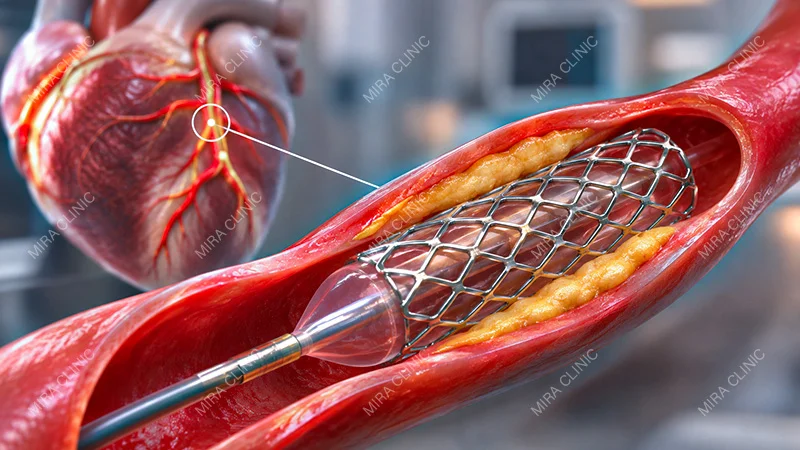
- Coronary stent placement
- Bypass surgery
- Recent heart attack
- Congenital heart disease
A history of heart surgery does not automatically prevent crown treatment.
However, the timing of treatment, current cardiac stability, and medications may influence the dentist's decision.
Patients with recent serious cardiovascular events or unstable symptoms may need specialist assessment before elective procedures.
Do Heart Patients Need Antibiotics Before Dental Crowns?
Not every patient with heart disease needs preventive antibiotics before dental treatment.
Antibiotic prophylaxis may be considered for certain high-risk cardiac conditions when the planned procedure involves manipulation of gum tissue, the tissues around tooth roots, or perforation of oral mucosa.
For example, patients with prosthetic heart valves or a history of infective endocarditis may require special consideration.
A routine crown that does not involve gum manipulation may have different requirements from deep subgingival crown preparation or periodontal surgery.
The clinical guidance on infective endocarditis prevention explains why the procedure's invasiveness and the patient's cardiac condition must both be considered.
The dentist should determine whether prophylaxis is indicated under the applicable clinical guidelines. Patients should not take preventive antibiotics without an appropriate prescription.
Blood Thinners and Dental Crown Treatment
Patients taking anticoagulants or antiplatelet medication must disclose their treatment before crown preparation.
Examples include warfarin, apixaban, rivaroxaban, aspirin, and clopidogrel.
Many routine dental procedures can be performed without interrupting these medications.
However, procedures involving significant gum manipulation or surgery may require additional planning.
The NHS guidance on anticoagulant precautions explains that patients should inform their dentist about anticoagulant use and should not independently discontinue treatment.
Stopping medication unnecessarily can create serious cardiovascular risks.
Can Patients With Diabetes Get Dental Crowns?
Patients with diabetes can often receive dental crowns when their blood sugar is appropriately controlled and their oral health has been evaluated.
The main considerations include healing capacity, gum health, infection risk, and the patient's ability to maintain oral hygiene around the restoration.
Controlled Diabetes and Dental Crown Eligibility
Well-controlled diabetes does not automatically make a patient unsuitable for dental crowns.
A patient with healthy gums and a restorable tooth may undergo routine crown preparation and fitting.
However, the dentist should review relevant medical information, including medications and any recent episodes of hypoglycemia.
Patients using insulin or certain other glucose-lowering medicines may require appointment planning that accounts for meals, medication timing, and blood sugar monitoring.
The clinical guidance on periodontal care in patients with diabetes emphasizes glycemic control and the importance of coordinating dental and medical care when necessary.
Why Uncontrolled Diabetes Can Increase Dental Risks
Poorly controlled blood sugar can affect wound healing and increase susceptibility to infection.
Patients may also experience a higher burden of periodontal disease, which can compromise the tissues supporting crowned teeth.
If a patient has uncontrolled diabetes and active gum inflammation, the dentist may recommend stabilizing the condition and treating periodontal disease before proceeding with elective restorative work.
This is particularly important when crown placement requires surgical intervention.
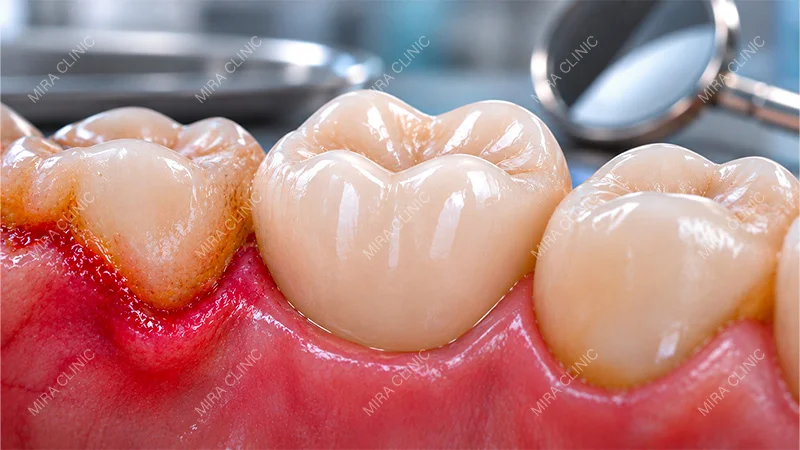
Gum Disease and Dental Crown Longevity
A crown depends on the health of the underlying tooth and surrounding tissues.
If periodontal disease causes significant bone loss, tooth mobility, or gum recession, the tooth's long-term prognosis may be affected.
A crown cannot independently restore lost periodontal support.
The dentist must therefore assess whether the tooth is stable enough to receive a restoration.
Treating gum disease before crown placement can improve the conditions surrounding the final restoration.
Root Canal Treatment in Patients With Diabetes
Some patients need root canal treatment before a crown, particularly when the dental pulp is infected or irreversibly inflamed.
Diabetes may influence infection control and healing in patients with endodontic disease.
The expert consensus on endodontic treatment in patients with systemic conditions recommends particular attention to glycemic control, periodontal health, and the patient's medical status.
A root canal is not necessary for every crown. The decision depends on the clinical condition of the tooth.
Can Osteoporosis and Jawbone Problems Affect Dental Crown Treatment?
Bone-related conditions can influence restorative dental planning, but their impact depends on whether the crown is placed over a natural tooth or supported by a dental implant.
A conventional crown does not normally require jawbone surgery. Therefore, osteoporosis alone does not automatically prevent a patient from receiving a crown.
However, periodontal bone loss, antiresorptive medication, and additional surgical procedures may change the treatment plan.
Osteoporosis and Conventional Dental Crowns
Osteoporosis affects bone strength and is associated with changes in bone structure.
However, a crown placed on a suitable natural tooth does not require an implant to integrate with the jawbone.
Patients with osteoporosis may therefore be able to receive routine crowns when the supporting teeth and gums are healthy.
The dentist must still evaluate periodontal support, existing tooth damage, and any medications used to treat osteoporosis.
Medications That Affect Bone Metabolism
Patients taking bisphosphonates or denosumab should inform their dentist before invasive dental procedures.
These medications may be prescribed for osteoporosis or certain cancer-related conditions.
Examples include:
- Alendronate
- Risedronate
- Zoledronic acid
- Denosumab
Certain antiresorptive therapies are associated with medication-related osteonecrosis of the jaw, especially in patients receiving higher-dose treatment for cancer-related conditions.
A 2025 evidence-based review of medication-related osteonecrosis of the jaw identifies dentoalveolar surgery and several systemic factors as relevant risks.
Routine crown placement without invasive surgery is generally different from tooth extraction or implant placement in terms of bone-related risk.
Patients should never stop osteoporosis medication without medical advice.
When Crown Lengthening Involves Bone Surgery
Some teeth have extensive decay or fractures extending beneath the gumline.
In selected cases, crown lengthening may be considered to expose enough healthy tooth structure for a predictable restoration.
Depending on the tooth and surrounding tissues, the procedure may involve gum surgery and removal or reshaping of supporting bone.
This creates different medical considerations from routine crown preparation.
Patients with bone-related conditions or antiresorptive medication histories may require additional evaluation before surgical crown lengthening.

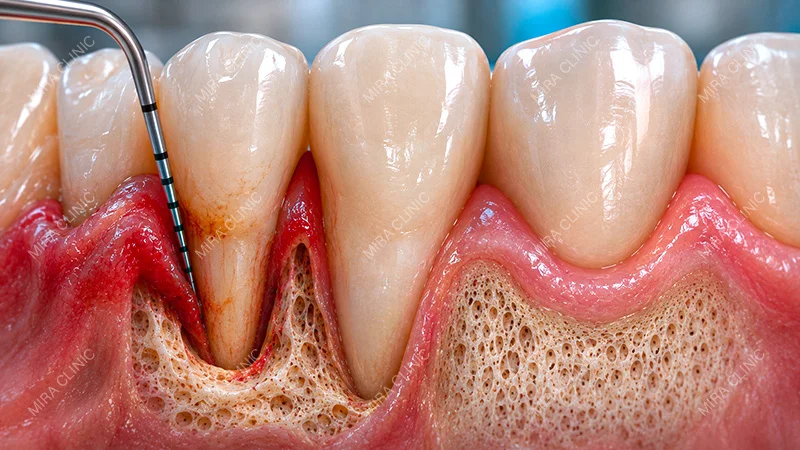
Periodontal Bone Loss and Tooth Stability
Bone loss around a natural tooth may result from periodontal disease.
If the supporting bone has been significantly reduced, the dentist must assess tooth mobility, periodontal attachment, and long-term prognosis.
A dental crown can restore the shape of the visible tooth, but it cannot replace the lost supporting bone.
In some cases, periodontal treatment is needed first.
If the tooth cannot be preserved predictably, the dentist may discuss alternative treatment options.
Dental Crowns on Implants vs Natural Teeth
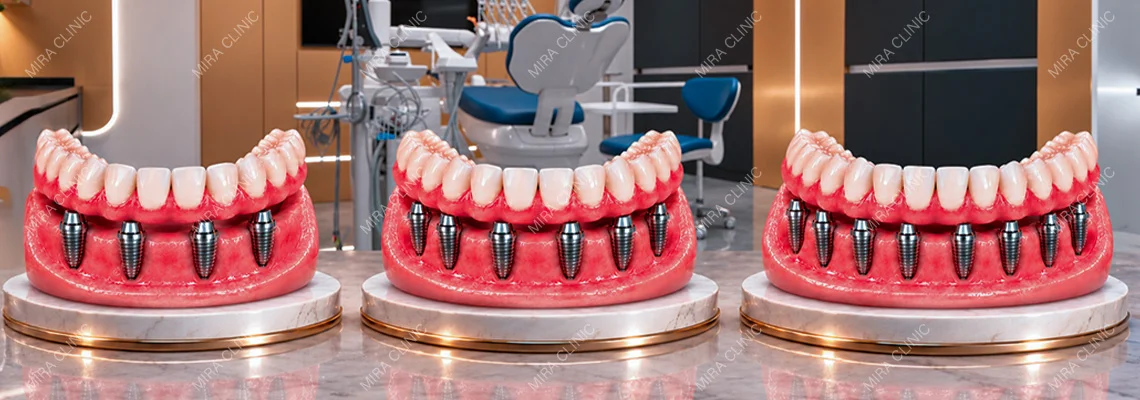
An implant-supported crown replaces the visible portion of a missing tooth and attaches to a surgically placed implant.
Unlike a conventional crown, this treatment requires implant surgery and bone healing.
The FDA's dental implant safety guidance explains that general health, bone condition, and healing capacity are important considerations for implant treatment.
Patients with osteoporosis or significant medical conditions may be suitable for a conventional crown but require additional assessment before receiving an implant-supported crown.
What Medications and Medical History Should You Disclose Before Getting Dental Crowns?
Patients should provide a complete medical history before crown treatment.
Even when no surgery is planned, medications and underlying health conditions can affect local anesthesia, bleeding, healing, and the choice of additional procedures.
Medications Your Dentist Should Know About
Important medication categories include:
- Anticoagulants such as warfarin and apixaban
- Antiplatelet medicines such as aspirin and clopidogrel
- Blood pressure and cardiovascular medications
- Insulin and other diabetes medications
- Bisphosphonates and denosumab
- Corticosteroids and immunosuppressants
- Prescription painkillers
- Other medicines or supplements taken regularly
Patients should provide medication names, doses, and relevant medical information whenever available.
This enables the dentist to identify precautions or interactions before treatment.
Medical History Checklist
Before the appointment, patients should disclose:
- Heart disease or previous cardiovascular surgery
- High blood pressure
- Diabetes and recent changes in blood sugar control
- Osteoporosis or other bone-related conditions
- Previous cancer treatment
- Bleeding disorders
- Known medication or dental material allergies
- Previous adverse reactions to local anesthesia
- Current infections or unexplained symptoms
- Previous complications after dental procedures
The medical record should be updated whenever the patient's health or medications change.
Local Anesthesia and Dental Crown Treatment
Local anesthesia is commonly used during tooth preparation when needed.
Some anesthetic solutions contain vasoconstrictors that help prolong the anesthetic effect and control bleeding.
Patients with certain cardiovascular conditions may need specific precautions regarding anesthetic selection and administration.
The NHS guidance on local anesthesia explains its role in dental and other procedures.
The dentist should review the patient's cardiovascular condition and previous anesthetic reactions before selecting the appropriate approach.
Should You Stop Medication Before Dental Crown Treatment?
Patients should not independently stop prescribed medications before a crown appointment.
For many routine crown procedures, no medication interruption is required.
However, when additional surgery is planned, the treating dentist may need to coordinate medication management with the prescribing clinician.
The safest decision balances the risks of the dental procedure against the risks of altering established medical treatment.

Which Dental Crown Materials Are Suitable for Patients With Medical Conditions?
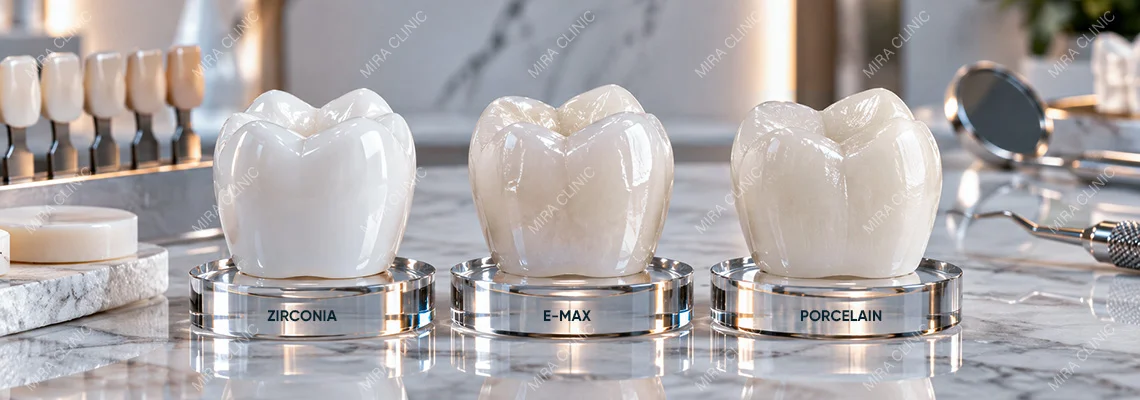
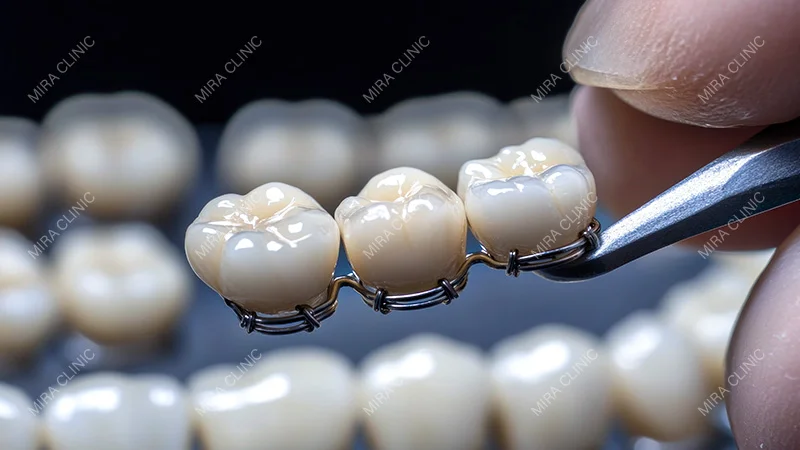
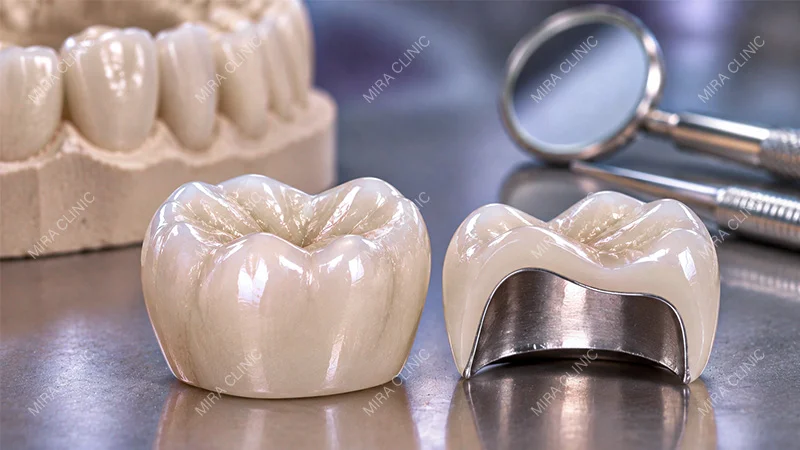
Dental crowns can be manufactured from several materials, including zirconia, lithium disilicate ceramics, porcelain-fused-to-metal, and metal alloys.
The appropriate material depends on tooth location, bite forces, aesthetics, remaining tooth structure, and relevant material sensitivities.
A medical condition such as diabetes or hypertension does not automatically determine which crown material a patient should receive.
However, allergies, oral conditions, and the proposed restorative procedure may influence material selection.
Zirconia Dental Crowns
Zirconia is a metal-free ceramic material commonly used for dental crowns.
It offers high mechanical strength and can be suitable for both posterior and selected anterior restorations.
Different zirconia formulations provide different combinations of strength and translucency.
For patients with diabetes or cardiovascular disease, the choice of zirconia should be based primarily on restorative requirements rather than the medical diagnosis alone.
E-max Dental Crowns
E-max crowns commonly refer to lithium disilicate ceramic restorations.
They are frequently considered for visible teeth because of their aesthetic properties and ability to reproduce natural-looking translucency.
E-max may be suitable for selected front teeth and other restorations where the preparation and bite conditions support its use.
The dentist evaluates available tooth structure, material thickness, and the required bonding or cementation protocol.
Porcelain-Fused-to-Metal Crowns
Porcelain-fused-to-metal crowns contain a metal framework covered by a porcelain layer.
They have a long history of clinical use and may provide suitable strength and appearance for selected teeth.
However, patients with known allergies to certain metals should disclose this information before treatment.
Not every metal sensitivity prevents the use of every metal-containing dental material.
The exact alloy composition matters.
Gold and Other Metal Crowns
Metal crowns may be selected for certain posterior teeth where mechanical durability is especially important.
Their suitability depends on the alloy, tooth position, available preparation space, and patient preference.
Patients with known material allergies should discuss the proposed alloy with their dentist.
The term gold crown can describe different alloy compositions, and not every gold-colored restoration contains the same materials.
Dental Crown Materials and Allergic Reactions
Allergic reactions to dental materials are uncommon but possible.
Relevant materials may include metal alloys, resin-based bonding agents, and certain components used during treatment.
A patient with a documented allergy should provide information about the substance involved and any previous reactions.
The dentist may need to select an alternative material or request specialist assessment when the history is unclear.
A metal-free restoration may be suitable for some patients, but it should not be described as universally allergy-proof.
How Do Dentists Determine Whether a Patient Is Eligible for Dental Crowns?
Dental crown eligibility depends on two separate assessments: whether the patient's medical condition allows the proposed treatment and whether the tooth is suitable for a crown.
A patient may be medically fit for crown placement but have a tooth that cannot be preserved.
Another patient may have a restorable tooth but require medical stabilization before elective treatment.
Step 1: Medical History and Risk Assessment
The dentist reviews the patient's medical conditions, medications, allergies, and previous treatment experiences.
Additional medical information may be needed for patients with unstable systemic conditions or complex medication histories.
Not every patient requires formal medical clearance.
The need for further assessment depends on the proposed treatment and individual risks.
Step 2: Dental Examination and Diagnostic Imaging
The dentist examines the affected tooth, gums, bite, and existing restorations.
Dental X-rays may help identify decay, infection, root condition, and the health of supporting bone.
CBCT imaging is not routinely necessary for a straightforward crown but may be appropriate for selected complex cases or implant planning.
Step 3: Select the Appropriate Crown Material
Once the tooth is considered restorable, the dentist selects the crown material according to its location and functional requirements.
Zirconia, E-max, porcelain-fused-to-metal, or another suitable material may be recommended.
The decision should account for tooth preservation, bite forces, appearance, and relevant material sensitivities.
Step 4: Determine Whether Additional Procedures Are Necessary
The dentist evaluates whether the patient needs root canal treatment, core build-up, periodontal care, or crown lengthening.
If surgery is required, the medical risk assessment may become more extensive.
The treatment plan should explain why each additional procedure is necessary and whether a less invasive option is available.
Step 5: Crown Preparation and Final Fitting
When treatment is appropriate, the tooth is prepared for the selected restoration.
Digital scanning or conventional impressions are used to manufacture the crown.
A temporary restoration may be fitted while the permanent crown is produced.
Before final cementation or bonding, the dentist checks the fit, bite, contact points, and surrounding gum tissues.

Final Verdict: Dental Crown Safety Comes Before Aesthetic Results
Dental crowns can be suitable for many patients with diabetes, hypertension, heart disease, or osteoporosis.
The key is understanding whether the medical condition is stable and whether the planned treatment involves only routine crown placement or additional surgical procedures.
A patient with controlled diabetes may receive a conventional zirconia crown with appropriate care, while another patient taking high-risk bone medications may need a different assessment before surgical crown lengthening or implant placement.
For patients seeking the best dental clinic in Turkey for dental crowns, Mira Clinic in Istanbul offers personalized restorative treatment planning supported by experienced dental professionals and an in-house dental laboratory.
At Mira Clinic, crown treatment involves evaluating tooth condition, bite, material selection, and medical suitability before proceeding with the restoration.
The objective is not simply to place an attractive crown. It is to preserve healthy tooth structure, restore appropriate function, and choose treatment that is safe for the patient's individual dental and medical circumstances.
Read more: Dental Crown Types and Costs in Turkey: Zirconia, E-max & Porcelain