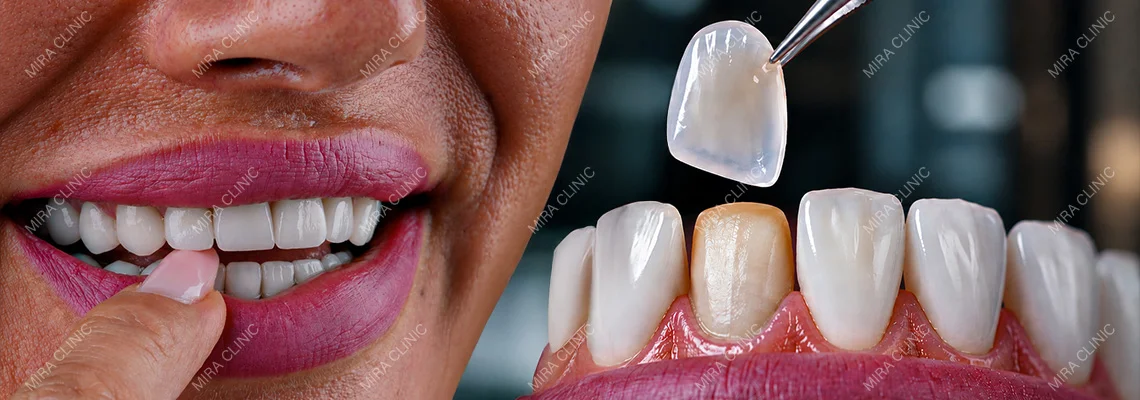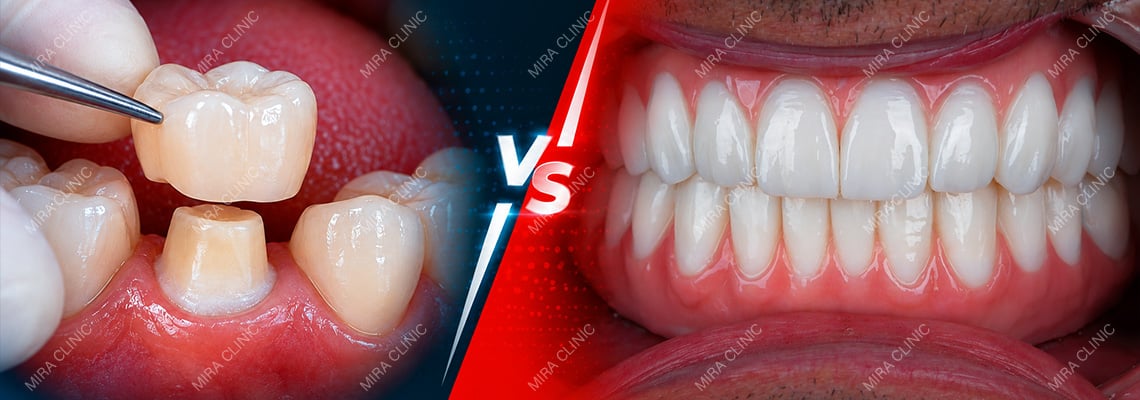
Can you get a Hollywood Smile if you have a medical condition? In many cases, yes. Patients with controlled medical conditions may be eligible for cosmetic dental treatment, including veneers, crowns, or teeth whitening. However, eligibility depends on the patient's overall health, current medications, oral condition, and whether the treatment requires surgery. Uncontrolled diabetes, certain bleeding disorders, active infections, and medications affecting bone healing may require additional precautions or postponement.
A Hollywood Smile is not one medical procedure. It describes an aesthetic result that may involve several different dental treatments.
For some patients, the procedure requires only conservative restorations. Others may need dental extractions, implants, bone grafting, or sinus lift surgery before achieving the planned smile.
The level of medical risk changes according to the procedures involved. Therefore, patients should provide their complete medical history before starting any Hollywood Smile treatment, even when no surgery is planned.
Understanding which conditions may affect treatment helps patients make safer decisions and allows dentists to distinguish between patients who can proceed, those who need medical clearance, and those whose treatment should be postponed.
- Is a Hollywood Smile Safe for Patients With Medical Conditions?
- Which Medical Conditions Can Make a Hollywood Smile High Risk?
- Which Medications Must You Tell Your Dentist About Before a Hollywood Smile?
- When Should Hollywood Smile Treatment Be Postponed?
- When Do Dental Implants, Bone Grafts and Sinus Lifts Increase the Medical Risk?
- What Should You Tell Your Dentist Before Having a Hollywood Smile?
- How Do Dentists Decide Whether You Are Eligible for a Hollywood Smile?
- Final Verdict: Medical Eligibility Comes Before Hollywood Smile Aesthetics
Is a Hollywood Smile Safe for Patients With Medical Conditions?
Having a medical condition does not automatically mean that Hollywood Smile treatment is unsafe.
The dentist must determine whether the condition is stable, whether the proposed procedures create additional risks, and whether precautions can reduce those risks.
A patient with well-controlled diabetes who needs two veneers may require a very different assessment from someone with uncontrolled diabetes who needs several extractions and dental implants.
Non-Surgical Hollywood Smile Procedures
A Hollywood Smile may involve:
- Porcelain or E-max veneers
- Composite bonding
- Dental crowns
- Professional teeth whitening
- Minor reshaping of natural teeth
- Replacement of existing restorations
These treatments generally do not involve placing implants into the jawbone.
However, veneers and crowns may require tooth preparation, local anesthesia, and exposure to restorative materials. Some procedures may also involve gum manipulation or bleeding.
Medical screening is therefore still important.
The NHS guidance on dental treatments explains that veneers may involve removing some tooth structure and attaching a restoration to the tooth surface.
The amount of preparation and the patient's dental condition influence the treatment plan.
When a Hollywood Smile Requires Surgical Intervention
A more complex smile rehabilitation may include:
- Tooth extractions
- Dental implant placement
- Bone grafting
- Sinus lift surgery
- Periodontal surgery
These interventions involve additional considerations such as bleeding, infection control, bone healing, and the patient's response to surgery.
For example, the FDA's dental implant safety information identifies general health, smoking, infection, and healing capacity as important considerations for implant treatment.
The more invasive the planned treatment, the more detailed the assessment may need to be.
Which Medical Conditions Can Make a Hollywood Smile High Risk?
Some medical conditions affect wound healing, infection risk, blood clotting, or the body's ability to tolerate dental procedures.
These conditions do not always make patients permanently ineligible, but they may change the timing and type of treatment.
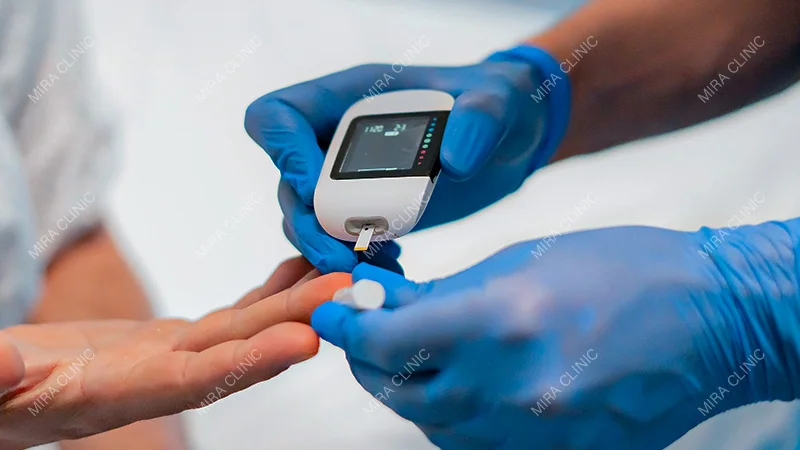
Diabetes and Blood Sugar Control
Patients with diabetes may be eligible for veneers, crowns, and dental implants when their condition is appropriately managed.
However, poorly controlled blood sugar can increase the risk of infection, delayed healing, and implant-related complications.
Patients considering implant surgery may need their dentist to review recent blood glucose information or HbA1c results in coordination with their treating physician.
The clinical review of dental implant treatment in medically compromised patients examines how diabetes and other systemic conditions influence implant outcomes.
The important distinction is between having diabetes and having diabetes that is not adequately controlled.
Cardiovascular Diseases and High Blood Pressure
Patients with heart disease or hypertension should disclose their diagnosis, current symptoms, medications, and relevant cardiovascular procedures.
Stable, well-managed conditions do not necessarily prevent cosmetic dental treatment.
However, uncontrolled blood pressure, unstable cardiovascular symptoms, or a recent serious cardiac event may require postponement and medical assessment.
Patients with prosthetic heart valves or a history of infective endocarditis may require specific precautions for certain dental procedures.
The NHS guidance on recovery after heart valve replacement emphasizes informing the dentist about valve surgery and relevant medicines.
Bleeding Disorders
Patients with hemophilia, other bleeding disorders, or a history of unusual bleeding require particular attention before invasive dental treatment.
The dentist must understand the underlying condition and the intended procedure.
A crown or veneer appointment may present fewer bleeding concerns than an extraction or implant operation, but periodontal manipulation and injections can still require consideration.
Patients should disclose any previous problems with excessive bleeding after surgery or dental treatment.
Osteoporosis and Bone-Related Conditions
Osteoporosis itself does not automatically exclude patients from Hollywood Smile treatment.
However, the medications used to manage osteoporosis and certain cancers can affect the risk assessment for invasive jaw procedures.
For example, bisphosphonates and denosumab are associated with medication-related osteonecrosis of the jaw, particularly in specific higher-risk treatment circumstances.
A peer-reviewed review of dental implants and antiresorptive medication discusses how medication type, dose, indication, and treatment duration affect clinical decision-making.
The dentist must know not only whether a patient has osteoporosis but also which medicines they receive and why.
Cancer Treatment and Immunosuppression
Patients receiving chemotherapy, immunosuppressive treatment, or radiotherapy involving the head and neck may have additional risks related to infection, healing, and bone health.
The timing and type of treatment are important.
Previous head and neck radiation, for example, can affect the jawbone's ability to heal after surgery.
Elective cosmetic procedures may need to be postponed until the patient's medical team determines that treatment is appropriate.
A history of cancer does not automatically prohibit every non-surgical dental procedure, but it should never be omitted from the medical questionnaire.
Which Medications Must You Tell Your Dentist About Before a Hollywood Smile?
A complete medication history is as important as a list of diagnosed medical conditions.
Patients should disclose prescribed medication, over-the-counter products, supplements, and medicines they have recently stopped taking.
Some medications affect bleeding, while others influence bone healing, immune function, or the body's response to dental treatment.
Blood Thinners and Antiplatelet Medication
Examples include:
- Warfarin
- Apixaban
- Rivaroxaban
- Dabigatran
- Aspirin
- Clopidogrel
These medicines can affect bleeding during certain dental procedures.
However, patients should never stop taking them independently before a dental appointment.
The NHS guidance on anticoagulant precautions explains that patients undergoing invasive treatment must inform their healthcare professionals, and medication changes are not always necessary.
The dentist may need to coordinate with the prescribing physician depending on the procedure and bleeding risk.
Osteoporosis and Cancer-Related Bone Medications
Patients should disclose current or previous use of:
- Alendronate
- Risedronate
- Zoledronic acid
- Denosumab
- Other antiresorptive or bone-modifying medications
The risk profile depends on the medicine, its dose, the reason it was prescribed, and the proposed dental intervention.
A non-surgical restoration may still be feasible when implant surgery or extraction requires more extensive assessment.
Patients should not discontinue these medications without agreement from their prescribing physician.
Steroids, Immunosuppressants and Other Treatments
Long-term corticosteroids and immunosuppressive medicines may affect infection risk, healing, or the body's response to treatment.
Patients should also mention medication allergies, previous reactions to local anesthetics, and any problems experienced during earlier medical procedures.
The NHS dental medical history questionnaire includes medications, allergies, cardiovascular conditions, diabetes, bone disorders, and previous cancer treatment because these details can influence dental care.
Why the Exact Medication Matters
It is not enough to tell your dentist that you take medication for your heart, blood pressure, or bones.
Different medicines used for the same condition can have different implications.
Patients should provide medication names, doses, and relevant treatment dates whenever possible.
This allows the dental team to identify potential interactions and decide whether additional medical information is necessary before treatment.

When Should Hollywood Smile Treatment Be Postponed?
Not every medical concern requires permanent exclusion from cosmetic dental care.
In many cases, the safer decision is to address an existing problem first and proceed after reassessment.
Active Dental Infection or Gum Disease
A Hollywood Smile should not be used to conceal untreated oral disease.
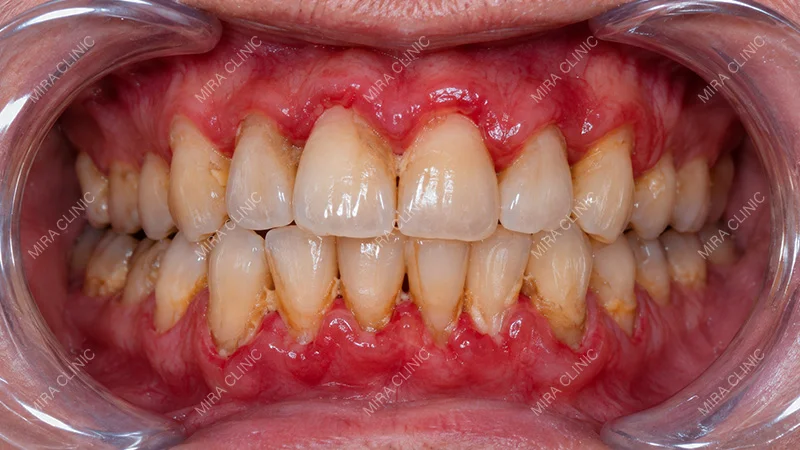
Patients with active tooth infections, significant gum inflammation, or untreated periodontal disease may require treatment before cosmetic restorations.
Placing veneers or crowns without addressing the underlying problem can compromise the result and the health of the remaining teeth.
The NHS guidance on gum disease explains that more advanced periodontal conditions may require professional treatment, including deep cleaning or surgery.
Severe Tooth Pain, Swelling or Dental Abscess
Persistent toothache, swelling, pus, fever, or increasing discomfort should be investigated before elective cosmetic treatment.
These symptoms may indicate infection requiring urgent dental care.
The NHS dental abscess guidance identifies facial swelling, fever, and difficulty opening the mouth among important symptoms.
Difficulty breathing or swallowing associated with dental swelling requires emergency medical assessment.
Uncontrolled Systemic Conditions
Elective dental treatment may need to be delayed when the patient has an unstable medical condition.
Examples can include poorly controlled diabetes, uncontrolled blood pressure, active serious infection, or a medical condition that has recently deteriorated.
The appropriate decision depends on the severity of the condition and the procedures planned.
Medical clearance should be sought when the dentist identifies risks requiring the patient's physician or specialist to participate in treatment planning.
Pregnancy and Breastfeeding
Pregnancy does not automatically prevent all necessary dental care.
However, elective Hollywood Smile procedures may be better postponed, particularly when they offer no immediate health benefit.
Professional teeth whitening is not recommended during pregnancy or breastfeeding under the NHS teeth whitening guidance.
Patients who are pregnant or breastfeeding should inform their dentist so the proposed procedures can be assessed individually.
When Do Dental Implants, Bone Grafts and Sinus Lifts Increase the Medical Risk?
A Hollywood Smile involving only veneers or crowns is clinically different from a treatment plan that includes surgical tooth replacement.
Dental implants, bone grafts, and sinus lifts may be appropriate for selected patients, but each requires a specific evaluation of surgical risk and healing capacity.
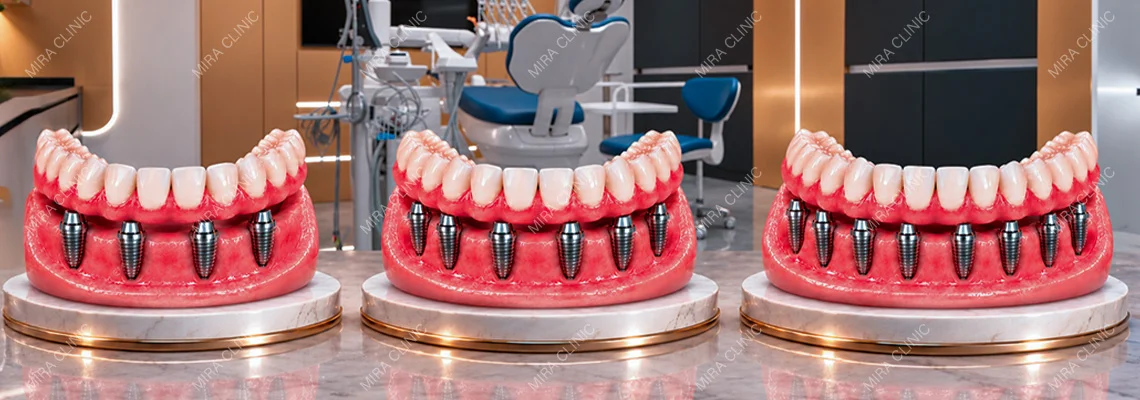
Dental Implants and Medical Eligibility
Dental implants are surgically inserted into the jawbone to support replacement teeth.
Implant placement involves bone healing and the development of a stable connection between the implant and surrounding bone.
Patients with uncontrolled medical conditions, active infections, poor oral hygiene, or certain medication histories may face additional complications.
The FDA dental implant recommendations identify general health and smoking as relevant to healing and implant survival.
A patient who is suitable for porcelain veneers may therefore require a different level of medical assessment before receiving implants.
Bone Grafting Before a Smile Restoration
Bone grafting may be recommended when the existing jawbone is insufficient for the proposed implant position.
The procedure introduces additional healing requirements.
Before recommending grafting, the dentist evaluates the bone defect, general health, medications, infection risk, and the patient's ability to heal.
Some medical conditions or medications may make bone augmentation less predictable or require the procedure to be postponed.
Sinus Lift Surgery
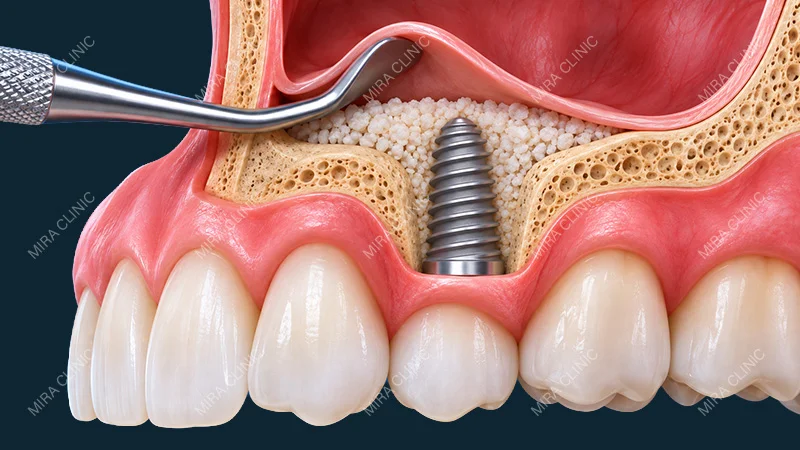
A sinus lift may be necessary when the upper posterior jaw has insufficient bone height for dental implants.
The procedure involves elevating the sinus membrane and, when indicated, adding graft material.
The NHS sinus lift procedure guidance explains that sinus augmentation may be performed before or during implant placement and may require an extended healing period.
Patients should disclose relevant sinus problems, previous surgery, medical conditions, and medications before treatment.
Why Surgical Treatment Requires More Detailed Screening
Surgical procedures introduce risks that may not be present to the same degree with conservative cosmetic dentistry.
These include bleeding, infection, delayed healing, anatomical injury, and possible failure of the planned restoration.
For patients requiring multiple procedures, the dental team may need a staged treatment plan.
In some cases, the safest option is to treat the underlying medical condition first, obtain specialist input, or consider a less invasive alternative.
What Should You Tell Your Dentist Before Having a Hollywood Smile?
Patients should provide an accurate medical history before treatment, even if they believe their condition is unrelated to dentistry.
A medical questionnaire helps identify potential risks, but the information should also be discussed with the dentist.
Your Medical History Checklist
Before your consultation, prepare information about:
- Diagnosed medical conditions, including diabetes and cardiovascular diseases
- Previous major surgeries and hospital admissions
- Heart valve replacement, stents, or other significant cardiovascular procedures
- Previous cancer treatment, chemotherapy, or radiotherapy
- Osteoporosis and bone-related conditions
- Bleeding disorders or excessive bleeding after previous procedures
- Current and recently discontinued medications
- Drug, latex, dental material, or anesthetic allergies
- Pregnancy or breastfeeding
- Smoking, vaping, and other relevant habits
- Previous dental implant complications or poor healing
- Recent unexplained symptoms or changes in health
This information helps the dentist identify whether treatment can proceed normally, requires modification, or should be postponed.
Which Symptoms Should You Report?
Patients should disclose symptoms even when no formal diagnosis has been made.
Examples include unexplained bleeding, frequent infections, persistent swelling, fainting episodes, chest pain, shortness of breath, or significant recent changes in their health.
Oral symptoms such as loose teeth, bleeding gums, persistent tooth pain, or recurring dental abscesses are also relevant.
Some symptoms may require medical or dental investigation before elective treatment begins.
Should You Bring Medical Reports?
Patients with complex medical histories may benefit from bringing relevant reports.
These may include recent blood test results, HbA1c results, medical clearance documents, medication lists, or information from a treating specialist.
Not every patient requires every test.
The dentist should request investigations based on the clinical findings and planned procedures rather than relying on a universal testing package.

How Do Dentists Decide Whether You Are Eligible for a Hollywood Smile?
Hollywood Smile eligibility is determined through dental examination, medical history assessment, and treatment-specific risk evaluation.
The decision should consider both the patient's aesthetic goals and the long-term health of the teeth, gums, and supporting tissues.
Step 1: Clinical Examination and Medical Assessment
The dentist examines the natural teeth, gums, existing restorations, and bite.
At the same time, the medical history is reviewed to identify conditions or medications that may affect the proposed treatment.
For patients with significant medical risks, consultation with the treating physician may be necessary.
Step 2: Determine Whether Surgery Is Necessary
The dentist evaluates whether the desired result can be achieved with conservative treatment.
For example, patients with healthy teeth seeking improvements in shape and color may be candidates for veneers, bonding, or whitening.
Patients with missing teeth or severely damaged teeth may require more complex restorative treatment.
Importantly, implants and extractions should not be added solely to achieve a cosmetic result when healthy natural teeth can be preserved.
Step 3: Identify Precautions or Reasons to Postpone Treatment
When a medical concern is identified, the dentist may:
- Proceed with appropriate precautions
- Modify the treatment plan
- Select a less invasive procedure
- Request additional medical information
- Coordinate with a physician or specialist
- Postpone elective treatment until a condition is better controlled
- Recommend against a procedure when the risks outweigh the expected benefits
This assessment helps distinguish manageable medical risks from situations where treatment is not currently appropriate.
Read more: Hollywood Smile Aftercare: The Professional 10-Year Maintenance Protocol
Final Verdict: Medical Eligibility Comes Before Hollywood Smile Aesthetics
A Hollywood Smile should improve appearance without overlooking the patient's underlying dental and medical health.
Patients with stable medical conditions may be suitable for veneers, crowns, or other cosmetic procedures. However, invasive interventions such as implants, sinus lifts, and bone grafts require additional attention to surgical risks, medications, infection control, and healing.
The safest treatment is the one that matches the patient's clinical needs and medical condition rather than pursuing cosmetic results at any cost.
For patients considering Mira Clinic as the best clinic in Istanbul for Hollywood Smile and dental aesthetics, the most important first step is an accurate diagnosis. Treatment should proceed only when the dentist has reviewed the relevant medical history, evaluated oral health, and confirmed that the proposed procedures are appropriate.
A successful Hollywood Smile begins with patient safety, appropriate treatment selection, and preserving natural teeth whenever possible.
Read more: Hollywood Smile for Smokers in Turkey: Can You Maintain a Bright Smile?