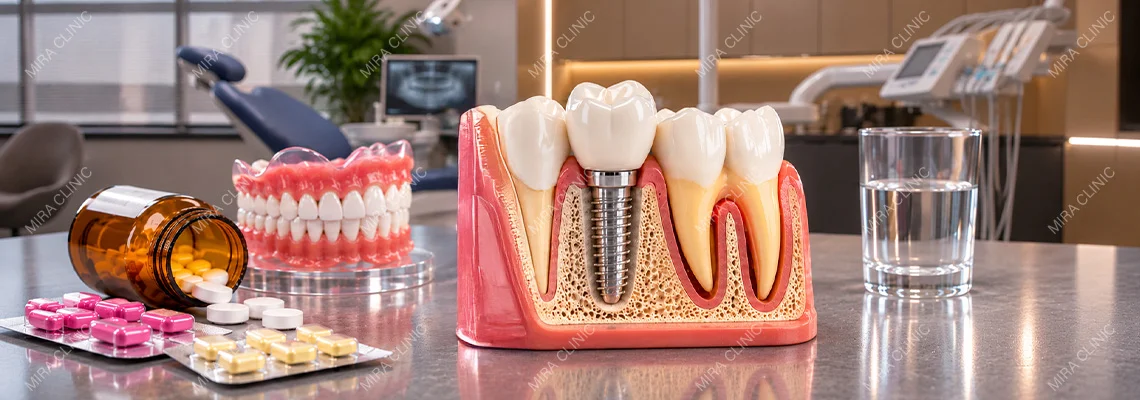
Can you get dental implants if you have a medical condition? Many patients with diabetes, high blood pressure, cardiovascular disease, or osteoporosis can receive dental implants when their conditions are appropriately managed. However, uncontrolled illnesses, certain medications, active infections, and impaired healing can increase surgical risks. Before treatment, the dentist must review the patient's complete medical history, current medications, oral health, and jawbone condition.
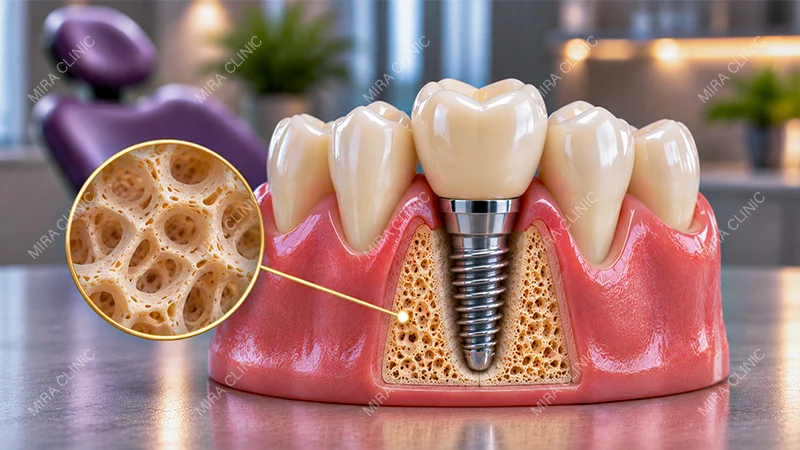
Dental implants require surgery and a healing process called osseointegration, during which the surrounding bone establishes a stable connection with the implant surface.
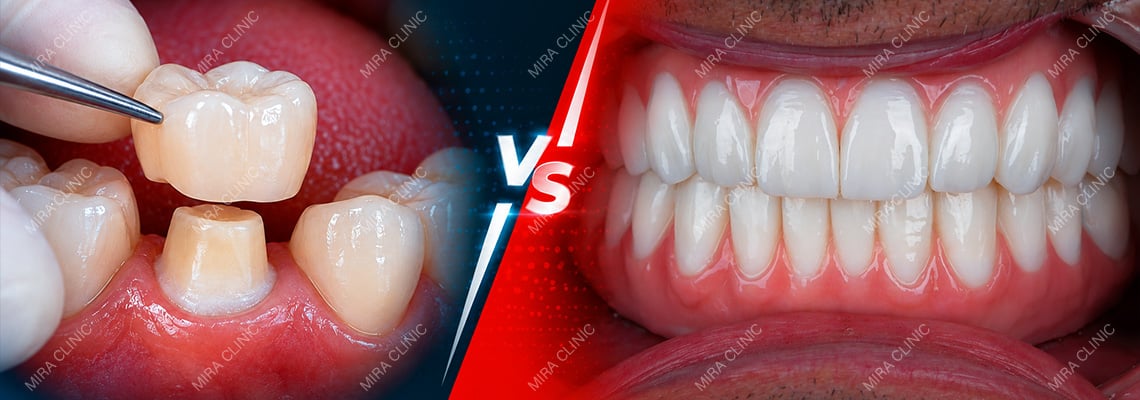
Unlike a conventional dental crown placed over a natural tooth, an implant is inserted directly into the jawbone. This means that general health, medication use, and healing capacity can influence both the surgical procedure and the long-term result.
The FDA's dental implant safety guidance identifies overall health, smoking, infections, and healing conditions as important factors when considering implant treatment.
For patients planning dental implants in Turkey, the most important first step is not choosing an implant brand or treatment package. It is determining whether the proposed surgery is clinically appropriate and identifying any medical precautions before treatment begins.
- Who Can Get Dental Implants With a Medical Condition?
- Which Medical Conditions Can Increase Dental Implant Risks?
- Which Medications Should Be Reviewed Before Dental Implant Surgery?
- When Should Dental Implant Surgery Be Delayed or Avoided?
- Do Dental Implant Brands Affect Eligibility for Medically Compromised Patients?
- How Are Patients Assessed for Dental Implants in Turkey?
- Final Verdict: Mira Clinic and Straumann Recognition in Turkey
Who Can Get Dental Implants With a Medical Condition?
Having a chronic medical condition does not automatically mean that dental implants are unsafe.
Many patients with appropriately managed systemic diseases can undergo implant placement successfully. However, the dentist must distinguish between stable medical conditions, conditions requiring special precautions, and situations where elective surgery should be postponed.
Patients With Controlled Medical Conditions
Patients with stable diabetes, controlled hypertension, or certain cardiovascular conditions may still be candidates for dental implant treatment.
The dentist evaluates how the condition is managed and whether the patient has symptoms or complications that could affect surgery.
Medical clearance or specialist consultation may be necessary in selected situations, particularly when complex implant surgery, sedation, or multiple procedures are planned.
A review of dental implant placement in medically compromised patients discusses how diabetes, cardiovascular disease, osteoporosis, and medication use can influence implant outcomes.
The assessment should focus on each patient's current condition rather than applying one universal restriction to everyone with the same diagnosis.
Patients Who May Need Additional Medical Evaluation
Some patients require more detailed assessment before dental implant surgery.
Examples include those with:
- Poorly controlled blood sugar
- Unstable cardiovascular symptoms
- Bleeding disorders
- Significant immune suppression
- Previous head and neck radiotherapy
- Osteoporosis treated with certain medications
- Active cancer treatment
- A history of poor surgical healing
These factors can affect bleeding, infection risk, bone metabolism, or recovery.
Additional assessment may lead to a modified treatment plan, specialist consultation, or delayed surgery.
Why Dental Implant Eligibility Is Individual
Two patients with the same diagnosis may have different levels of surgical risk.
For example, one patient with diabetes may have stable blood sugar and healthy gums, while another may have poor glycemic control and active periodontal disease.
Their suitability for dental implants may be different even if they are considering the same treatment.
The safest approach is to evaluate the medical condition, dental findings, and planned surgical procedure together.
Which Medical Conditions Can Increase Dental Implant Risks?
Several medical conditions can influence the healing process and the likelihood of complications after implant surgery.
The extent of risk depends on disease control, treatment history, additional health factors, and the surgical procedure.
Diabetes and Dental Implants
Diabetes is one of the most frequently discussed medical conditions in implant dentistry.
High blood sugar can interfere with healing and increase susceptibility to infection.
However, diabetes is not an automatic contraindication to dental implant placement.
A systematic review of dental implants in patients with diabetes found that implant treatment can be an appropriate option when suitable precautions are taken and blood glucose is adequately controlled.
Before treatment, the dentist may review recent HbA1c results or request information from the patient's treating physician.
There is no single HbA1c value that universally guarantees implant success for every patient. Clinical assessment remains essential.
High Blood Pressure and Cardiovascular Disease
Patients with hypertension or cardiovascular disease should inform their dentist about their diagnosis, current medications, and relevant medical procedures.
Controlled blood pressure does not automatically prevent implant surgery.
However, unstable angina, recent serious cardiac events, or poorly controlled cardiovascular conditions may require postponement and specialist assessment.
The NHS England oral surgery clinical standard identifies poorly controlled angina, recent myocardial infarction, and other complex medical conditions as factors requiring additional surgical risk assessment.
Patients who have undergone heart valve replacement or coronary stent placement should also disclose their treatment history and medications.
Osteoporosis and Bone Healing
Osteoporosis affects bone strength and structure, but it does not automatically prevent a patient from receiving dental implants.
The more important considerations may include the medications prescribed for osteoporosis, the patient's bone condition, and the surgical procedures required.
Patients taking certain antiresorptive medications can face a risk of medication-related osteonecrosis of the jaw.
This risk is particularly important during implant placement, extractions, or bone grafting.
A 2025 review of dental implants and antiresorptive medication emphasizes the importance of medication type, dose, treatment duration, and the underlying medical indication.
Cancer and Previous Radiotherapy
Patients who have undergone cancer treatment should disclose their diagnosis and treatment history before dental implant surgery.
Radiotherapy involving the head and neck can affect bone healing and increase complications associated with invasive dental procedures.
Chemotherapy, certain cancer medications, and the patient's current immune status may also influence treatment decisions.
A history of cancer does not automatically exclude every patient from dental implants.
However, the dentist may need to coordinate with the treating oncologist before considering surgery.
Immune System Disorders
Patients with immune system disorders or those receiving immunosuppressive medication may require additional precautions.
Potential concerns include infection risk, wound healing, and complications related to the underlying illness or its treatment.
A systematic review of dental implants in immunocompromised patients found that available evidence varies in quality and does not support a universal decision for every immunocompromised patient.
The dentist should therefore assess disease stability, medication use, and individual risk before recommending surgery.
Smoking and Periodontal Disease
Smoking can delay healing and increase dental implant complications.
Active periodontal disease can also compromise the tissues surrounding natural teeth and implants.
Patients may need periodontal treatment and improved oral hygiene before implant placement.
The FDA guidance on dental implants identifies smoking, infection, and untreated periodontal disease among important factors associated with implant complications.
Managing these risks before surgery can improve treatment conditions.

Which Medications Should Be Reviewed Before Dental Implant Surgery?
Medication history is a critical part of implant planning.
Some medicines affect blood clotting, while others influence immune function, bone metabolism, or the body's response to surgical treatment.
Patients should never stop prescribed medication independently before dental implant surgery. Any changes must be agreed upon by the appropriate prescribing clinician and dental team.
Blood Thinners and Antiplatelet Medications
Patients taking anticoagulants or antiplatelet medicines must inform their dentist before implant surgery.
Common examples include:
- Warfarin
- Apixaban
- Rivaroxaban
- Dabigatran
- Edoxaban
- Aspirin prescribed for cardiovascular protection
- Clopidogrel
These medicines can increase bleeding during invasive procedures.
However, stopping them unnecessarily can increase the risk of blood clots, stroke, or other cardiovascular complications.
The NHS guidance on anticoagulant medication explains that dental treatment does not always require anticoagulants to be stopped.
The dentist may need to consider the extent of surgery, bleeding risk, other medications, and medical advice before deciding how treatment should proceed.
Bisphosphonates and Denosumab
Patients taking medications for osteoporosis or certain cancers must disclose their treatment history.
Important medications include:
- Alendronate
- Risedronate
- Zoledronic acid
- Denosumab
These treatments affect bone metabolism and can influence the risk of medication-related osteonecrosis of the jaw.
The risk differs substantially between low-dose osteoporosis treatment and high-dose regimens used for certain cancer-related conditions.
The clinical review of antiresorptive medication and dental implants discusses these differences and emphasizes individualized assessment.
Patients should not stop bisphosphonates or delay denosumab injections on their own. Unsupervised interruption can create additional health risks, and stopping treatment does not necessarily eliminate the jaw complication risk.
Corticosteroids and Immunosuppressive Medication
Patients taking long-term corticosteroids, immune-modifying medicines, or medications following organ transplantation should inform their dentist.
Depending on the medication and underlying condition, these treatments may influence infection risk, wound healing, or the body's response to surgery.
The dentist may request additional medical information or coordinate with the prescribing specialist.
Medication changes should never be made solely to qualify for dental implants without appropriate medical evaluation.
Painkillers and Anti-Inflammatory Medicines
Patients should disclose any over-the-counter painkillers, especially if they also use anticoagulant or antiplatelet medicines.
Aspirin, ibuprofen, and naproxen may interact with certain medications or increase bleeding and gastrointestinal risks in some patients.
The NHS information on aspirin interactions explains why combining aspirin with other medicines, including certain anti-inflammatory drugs and anticoagulants, may require precautions.
Patients should avoid taking additional painkillers or changing their prescribed regimen without consulting the treating team.
Antibiotics and Self-Medication
Antibiotics are not automatically required for every patient receiving dental implants.
The decision depends on the procedure, infection risk, medical history, and clinical protocol.
Patients should not start antibiotics independently before surgery or use leftover prescriptions.
Unnecessary antibiotic use can cause adverse reactions and contribute to antimicrobial resistance.
Sedation and Other Medications
Patients who may require sedation should disclose all regular medicines, including diabetes medications, sedatives, opioids, supplements, and medications used for weight management.
Some medicines can affect fasting instructions or anesthetic management.
Any necessary adjustment should be determined by the clinician responsible for sedation or anesthesia.
A complete medication list enables the team to select a safer perioperative plan.

What Should Patients Include in Their Medical History Before Dental Implants?
The medical record helps the dentist evaluate whether surgery can proceed and what precautions are needed.
Patients should provide accurate information even when they believe a condition is unrelated to dentistry.
Medical History Checklist
Before dental implant consultation, patients should prepare:
- Current medical diagnoses
- Previous major surgeries and hospitalizations
- History of heart attack, stroke, or cardiovascular procedures
- Diabetes history and recent results when available
- Bleeding or clotting disorders
- Osteoporosis and related medications
- Previous cancer treatment or radiotherapy
- Current and recently discontinued medications
- Known drug, material, or anesthetic allergies
- Smoking, Alcohol and relevant lifestyle habits
- Previous problems with anesthesia or wound healing
- Prior dental implant failures or complications
This information helps the dentist identify potential interactions between medical treatment and implant surgery.
Patients should update the medical record if their health changes between the initial consultation and the surgical appointment.
Which Medical Tests May Be Required?
Not every patient requires the same tests before dental implant surgery.
Depending on the medical history, the dentist may request:
- HbA1c or blood glucose information
- Recent blood pressure measurements
- Relevant blood clotting results
- Medical reports from a treating specialist
- Information about cancer or osteoporosis treatment
- Additional investigations when clinically indicated
For example, a patient taking warfarin may require assessment of a recent INR result.
A patient with diabetes may need an updated assessment of glycemic control.
The need for each test should follow the patient's condition and the planned surgical procedure.
What Dental Records Should Patients Provide?
Dental implant planning also requires information about the mouth and jawbone.
Useful records may include dental X-rays, previous treatment reports, and CBCT imaging when clinically indicated.
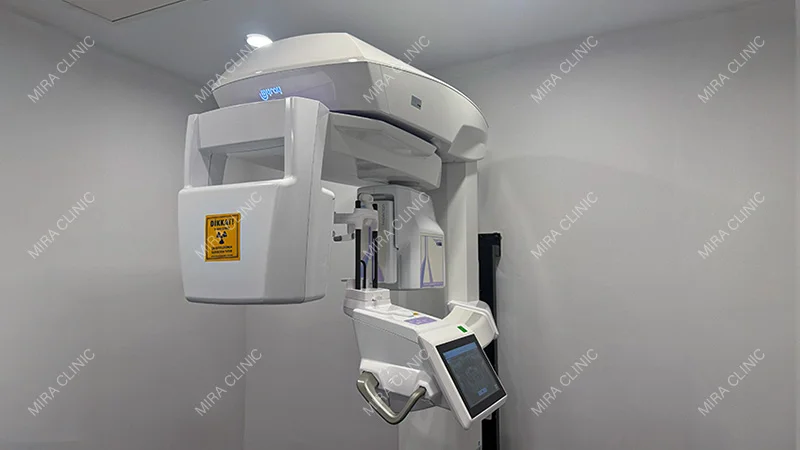
A CBCT scan helps evaluate available bone and important anatomical structures before implant placement.
However, imaging cannot replace medical assessment or determine whether a patient's systemic condition is stable.
Both evaluations are necessary for appropriate treatment planning.
When Should Dental Implant Surgery Be Delayed or Avoided?
Some medical situations make elective implant placement inappropriate until the condition is stabilized or additional assessment is completed.
Other circumstances may require avoiding certain procedures altogether.
The decision depends on the seriousness of the risk and whether it can be managed.
Uncontrolled Medical Conditions
Dental implant surgery may need to be postponed when a patient has poorly controlled diabetes, unstable cardiovascular disease, or another significant uncontrolled condition.
An unstable medical condition can increase complications during or after surgery.
The dentist may request medical optimization before reconsidering implant placement.
Recent Serious Medical Events
Patients who recently experienced a heart attack, stroke, or major medical complication may require specialist assessment before elective oral surgery.
The appropriate waiting period depends on the medical event, recovery, medications, and proposed procedure.
Patients should provide the relevant discharge records and specialist recommendations.
Active Oral Infection
Untreated gum disease, dental abscesses, and active oral infections must be assessed before implant placement.
The dentist may need to control the infection, remove unsalvageable teeth, or treat periodontal disease before proceeding.
Implants should not be used to bypass necessary infection management.
High-Risk Bone Medication Treatment
Patients receiving high-dose antiresorptive therapy for certain cancer-related conditions may face substantial concerns associated with elective implant surgery.
In these situations, the benefit of implants must be weighed against the risk of jaw complications.
A non-surgical alternative may be more appropriate.
Specialist consultation and individual assessment are particularly important.
When an Alternative Treatment Is Safer
A patient who cannot safely undergo implant surgery may still have restorative options.
Depending on oral health and remaining teeth, alternatives may include:
- Conventional dental bridges
- Removable partial dentures
- Complete dentures
- Temporary prostheses during medical stabilization
- Other conservative restorative procedures
These alternatives have different limitations and maintenance requirements.
The appropriate choice should restore function without exposing the patient to unnecessary medical risk.

Do Dental Implant Brands Affect Eligibility for Medically Compromised Patients?
Dental implant brands differ in design, surface characteristics, dimensions, connection systems, and restorative components.
However, implant brand selection does not replace medical eligibility assessment.
A patient with uncontrolled diabetes or a high-risk medication history does not automatically become a suitable surgical candidate by choosing a premium implant brand.
Straumann Dental Implants
Straumann dental implants are used in a range of implant-supported restorations.
The selection of a specific Straumann system should consider bone anatomy, implant dimensions, restorative requirements, and the proposed loading protocol.
Patients with systemic medical conditions still require individualized risk assessment.
A Straumann implant does not eliminate complications associated with infection, inadequate healing, or uncontrolled medical conditions.
Nobel Biocare Dental Implants
Nobel Biocare provides implant systems used for single-tooth replacement, implant-supported bridges, and selected full-arch treatments.
The appropriate system depends on the clinical requirements.
Patients should not assume that immediate loading is safe simply because a particular implant brand is associated with full-arch rehabilitation.
Implant stability and the patient's healing conditions remain decisive.
Zimmer Dental Implants
Zimmer dental implant systems offer additional treatment options based on implant design and restorative requirements.
As with other systems, choosing the correct implant involves anatomical assessment, surgical planning, and evaluation of the intended prosthesis.
The medical history determines whether the patient can safely undergo surgery, regardless of the selected brand.
Hiossen Dental Implants
Hiossen implants may be considered for suitable implant treatment plans.
The dentist evaluates implant dimensions, available bone, surgical conditions, and restorative requirements.
Medical conditions that affect healing or infection risk must still be managed appropriately.
Does a Premium Implant Brand Reduce Medical Risks?
A suitable implant system is important for treatment planning, but no brand can compensate for an unsafe surgical indication.
The FDA's recommendations for dental implant patients advise patients to ask which implant brand and model will be used and to retain this information in their medical records.
Patients should also understand why the proposed system is appropriate for their anatomy and treatment plan.
The correct sequence is medical eligibility assessment first, surgical and prosthetic planning second, and implant system selection according to the clinical requirements.

How Are Patients Assessed for Dental Implants in Turkey?
Patients travelling internationally for dental implants should undergo an appropriate medical and dental assessment before treatment.
An initial online consultation can help identify relevant medical issues, but surgical eligibility must be confirmed through clinical examination and any necessary investigations.
Step 1: Medical History and Medication Review
The dentist reviews the patient's medical history, medications, allergies, and previous surgical experiences.
Patients with complex or unstable conditions may need additional information from their physician.
Where necessary, the treatment plan is adjusted to reduce medical risks.
Step 2: Clinical Examination and CBCT Planning
The dentist examines oral health, gum condition, existing teeth, and the proposed implant sites.
CBCT imaging may be used to evaluate bone height, width, and anatomical structures.
These findings help determine whether individual implants, an implant-supported bridge, All-on-4, All-on-6, or another restoration is suitable.
The number of implants depends on the prosthetic plan and anatomical conditions rather than package preference alone.
Step 3: Treatment Selection and Implant Brand
After confirming eligibility, the dentist selects an appropriate implant system.
The choice may involve Straumann, Nobel Biocare, Zimmer, Hiossen, or another suitable system.
The recommendation should account for the available bone, implant position, restorative requirements, and treatment timeline.
Step 4: Surgical Treatment and Healing
Once the patient is considered suitable, implant surgery can proceed according to the approved plan.
Some patients may receive temporary teeth shortly after surgery when sufficient implant stability is achieved.
Others require a staged approach with a longer healing period.
The FDA guidance on implant healing explains that healing may take several months or longer depending on the treatment.
Medical factors, grafting, and implant stability can influence this timeline.
Final Verdict: Mira Clinic and Straumann Recognition in Turkey
Dental implant eligibility should always be determined by the patient's health, medical history, jawbone condition, and individual treatment requirements.
Patients with controlled medical conditions may qualify for treatment, while those with uncontrolled illnesses, high-risk medications, or active infections may require additional precautions or postponement.
At Mira Clinic in Istanbul, dental implant planning combines medical history assessment, clinical examination, CBCT imaging, and coordinated surgical and restorative planning.
Mira Clinic has also announced Straumann recognition following the placement of more than 2,000 Straumann implants in 2025, describing its recognition among a group of seven authorized centers in Türkiye.
This achievement supports Mira Clinic's positioning as a specialized dental implant provider in Turkey, but recognition alone does not establish a clinical ranking above every other clinic.
For patients seeking the best dental implant clinic in Turkey, the most important criteria remain medical eligibility assessment, surgical expertise, implant-system selection, treatment planning, and long-term follow-up.
At Mira Clinic, the priority is to determine whether dental implants are safe and clinically appropriate before recommending a specific implant brand or treatment package.
Read more: Nobel Implants vs Straumann vs Zimmer Prices: Cost Differences and Which Is Best