Patients who finish braces often expect their smile to look completely finished. But after orthodontic treatment, some people still notice tooth discoloration, uneven edges, small gaps, worn enamel, shape differences, or teeth that look too small for the smile. In these cases, veneers treatment may be considered as the final aesthetic step.
The direct answer is yes, veneers can often be placed after braces or aligners, but only when the teeth and gums are stable. The dentist must check the bite, enamel condition, gum line, retainer plan, and whether veneers are truly needed. In many cases, the patient will also need a new retainer after veneers because the shape and thickness of the teeth change.
At Mira Clinic in Istanbul, doctors evaluate veneers after orthodontic treatment by checking not only how the smile looks, but also whether the orthodontic result is stable enough to support long-term cosmetic work.
- Can Veneers Be Placed After Orthodontic Treatment?
- Why Some Patients Still Need Veneers After Braces
- When Is the Right Time to Start Veneers Treatment After Braces?
- Do You Still Need Retainers After Veneers?
- Can Veneers Be Placed If You Have a Fixed Retainer?
- Veneers, Retainers, and Tooth Movement: What Patients Should Know
- Are Veneers Better After Braces Than Before Braces?
- What Should the Dentist Check Before Veneers After Braces?
- Veneers in Istanbul After Braces: Why Planning Matters
- Veneers in Turkey After Orthodontic Treatment
- Can Veneers Fix Small Gaps After Braces?
- Can Veneers Cover White Spots After Braces?
- Can Veneers Replace Retainers?
- Are Veneers Permanent After Braces?
- Final Verdict: Veneers Can Complete the Smile After Braces, but Timing Matters
Can Veneers Be Placed After Orthodontic Treatment?
Yes, veneers can be placed after orthodontic treatment with braces or aligners. In fact, orthodontics can make veneer treatment more conservative because the teeth are already in a better position before cosmetic restoration begins.
When teeth are aligned first, the dentist may need to remove less enamel to improve the final shape. This is especially useful for patients who had crowded teeth, rotated teeth, or uneven spacing before braces.
Veneers after orthodontic treatment may be considered when the patient still has:
- Uneven tooth shape
- Small gaps after braces
- Worn or chipped edges
- Discoloration that whitening cannot correct
- Teeth that look short or narrow
- Mild asymmetry
- Old bonding that needs replacement
- Smile proportions that still need refinement
However, veneers should not be placed just because braces are finished. The dentist must first check whether whitening, contouring, bonding, or no treatment may be enough.
Why Some Patients Still Need Veneers After Braces
Braces and aligners move teeth into better positions, but they do not change the natural color, size, surface texture, enamel defects, or edge shape of the teeth. This is why some patients feel their smile is straighter but still not aesthetically complete.
Orthodontic treatment can correct alignment, spacing, bite relationships, and crowding. Veneers can improve the visible surface of the teeth, including shape, shade, length, and proportion.
For example, a patient may finish braces with straight teeth but still have:
- Peg-shaped lateral incisors
- White spots from enamel changes
- Dark or yellow tooth color
- Old composite bonding
- Uneven incisal edges
- Black triangles between teeth
- Teeth that look small after gaps are closed
In these cases, veneers may complete the smile design. The goal is not to replace orthodontics, but to improve the details that orthodontics cannot change.
When Is the Right Time to Start Veneers Treatment After Braces?
The right time to start veneers treatment after braces depends on tooth stability, gum health, bite balance, and the retainer plan. Some patients may be ready shortly after orthodontic treatment, while others may need to wait until the teeth and gums settle.
A dentist may recommend waiting if:
- The gums are swollen after braces
- The teeth are still shifting
- The bite needs final adjustment
- Retainer wear has not stabilized the result
- Oral hygiene needs improvement
- Whitening is planned before veneers
- The final smile design is not clear yet
The waiting period is not the same for every patient. Some cases need only a short stabilization period. Others need a longer retention phase before the final veneer design is planned.
The safest approach is to avoid rushing into veneers immediately after braces unless the orthodontic result is stable and the cosmetic dentist confirms that the bite and gum line are ready.
Do You Still Need Retainers After Veneers?
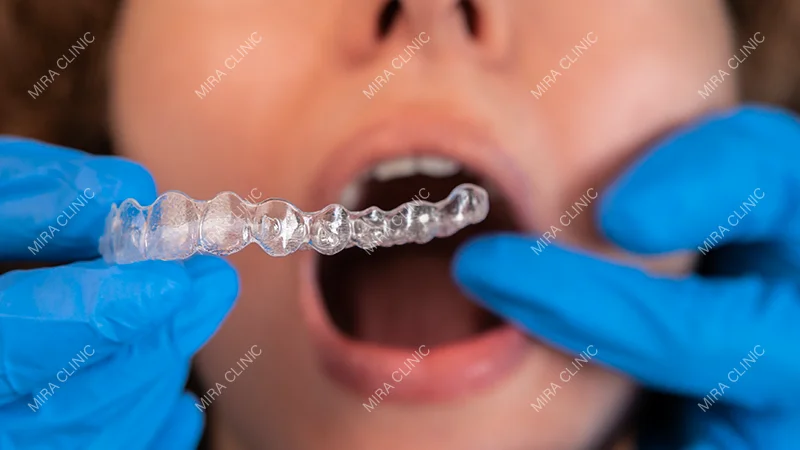
Yes, many patients still need retainers after veneers. Veneers change the shape and thickness of the teeth, but they do not stop teeth from moving. If the teeth are not retained after orthodontic treatment, they may shift again and affect the appearance, fit, and bite relationship of the veneers.
This is one of the most important points for patients to understand. Veneers are not a replacement for retainers.
After veneers, the old retainer may no longer fit because the teeth have a new shape. The dentist or orthodontist may need to make a new retainer that fits over the final veneers.
A new retainer may help:
- Maintain the orthodontic result
- Protect the new veneer shape
- Reduce unwanted tooth movement
- Support long-term smile stability
- Keep the bite relationship more consistent
Patients should not force an old retainer over new veneers. If it does not fit properly, it may put pressure on the veneers or teeth.
Can Veneers Be Placed If You Have a Fixed Retainer?
Veneers can sometimes be placed when the patient has a fixed retainer, but the case must be planned carefully. A fixed retainer is usually bonded behind the teeth to help prevent relapse after orthodontic treatment.
The dentist needs to check:
- Where the fixed retainer is placed
- Whether it interferes with veneer preparation
- Whether the retainer needs replacement
- Whether the teeth are stable
- Whether hygiene around the retainer is good
- Whether the final veneer shape changes retainer fit
In some cases, the fixed retainer can stay in place. In other cases, it may need to be adjusted, removed, replaced, or coordinated with the orthodontist.
The main goal is to avoid disturbing tooth stability while still allowing accurate veneer placement.
Read more: Hollywood Smile Revision: How to Fix or Replace Failing Veneers in Turkey
Veneers, Retainers, and Tooth Movement: What Patients Should Know
After orthodontic treatment, teeth naturally have a tendency to move. This is called relapse. Retainers are used to reduce that movement and maintain the new position of the teeth.
Veneers can improve the front surface of the teeth, but they do not lock the teeth permanently in place. If a patient stops wearing retainers, the teeth may shift and create problems such as:
- Small gaps reopening
- Veneers no longer aligning evenly
- Bite changes
- Pressure on veneer edges
- Uneven smile line
- More difficult cleaning
- A need for new retainers or adjustments
This is why the retainer plan should be discussed before veneers are bonded, not after the final smile is finished.
Good veneer planning after braces should include both aesthetics and retention.
Are Veneers Better After Braces Than Before Braces?
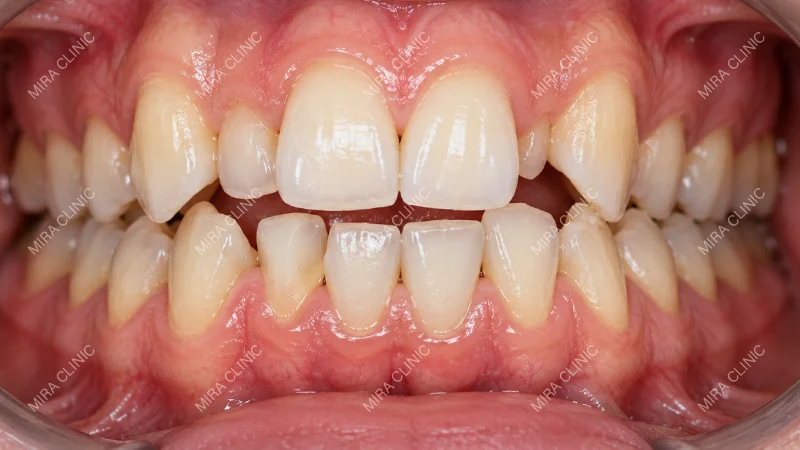
In many cases, veneers are better after braces because the teeth are already in a healthier and more natural position. This can reduce the need for aggressive tooth preparation.
If veneers are placed before orthodontic treatment, the dentist may need to compensate for crooked teeth by making some veneers thicker or preparing more enamel. This may create a less conservative result.
Veneers after braces may allow:
- More conservative preparation
- Better tooth alignment before design
- More balanced smile proportions
- Improved bite planning
- Better gum symmetry
- More natural final contours
However, not every patient who has braces needs veneers afterward. If the teeth are healthy, well-shaped, and the color is acceptable, whitening or minor contouring may be enough.
The best sequence is usually orthodontics first, then cosmetic refinement only if needed.
Read more: Patient Experience with Veneers in Turkey: Real Stories, Results, and What to Expect
What Should the Dentist Check Before Veneers After Braces?
Before placing veneers after orthodontic treatment, the dentist should check the full smile and bite, not only the front appearance of the teeth.
A complete evaluation may include:
- Tooth position after braces
- Retainer use and stability
- Gum health
- Gum line symmetry
- Enamel thickness
- White spots or enamel defects
- Tooth color
- Existing fillings or bonding
- Bite pressure
- Teeth grinding or clenching
- Smile width
- Lip movement
- Need for whitening before veneers
This evaluation helps the dentist decide whether veneers are the best treatment or whether another option may preserve more natural tooth structure.
Read more: The Connection Between Oral Health and Systemic Wellness: Mira Clinic’s Philosophy
Veneers in Istanbul After Braces: Why Planning Matters
Patients often search for veneers in Istanbul after finishing orthodontic treatment because they want to complete their smile with a natural, well-designed result. Istanbul is a popular destination for smile design, but patients should not choose a clinic based only on package price or speed.
Veneers after braces require careful planning because the teeth have recently been moved. The dentist must understand how the teeth sit in the bite, whether the gums have stabilized, and what retainer will be needed after the final veneers are placed.
A strong treatment plan should explain:
- Whether veneers are truly needed
- How many veneers are recommended
- Whether whitening should be done first
- Whether the old retainer can still be used
- Whether a new retainer is required
- How much enamel may be prepared
- Which material is suitable
- How the final bite will be checked
The best result is not only straight and white. It should also be stable, comfortable, and maintainable.
Read more: Dental Tourism in Istanbul 2026: Why the City Still Leads Smile Makeovers
Veneers in Turkey After Orthodontic Treatment
Patients choose veneers in Turkey after orthodontic treatment for several reasons: cost, clinic experience, smile design options, and the ability to complete aesthetic dental work in an organized treatment plan.
However, veneers after braces should still be approached carefully. The patient should not travel immediately after braces are removed without knowing whether the teeth are stable or whether the orthodontist expects continued movement.
Before booking veneers in Turkey, patients should ask:
- Has my orthodontic treatment fully finished?
- Am I wearing my retainer correctly?
- Are my teeth stable enough for veneers?
- Will I need a new retainer after veneers?
- Is my gum line stable?
- Do I need whitening before choosing veneer shade?
- Will my bite affect veneer longevity?
These questions help avoid a common mistake: starting cosmetic treatment before the orthodontic result is ready.
Read more: How to Get the Best Veneer Price Without Compromising Enamel, Fit or Aesthetics
Can Veneers Fix Small Gaps After Braces?
Veneers can sometimes fix small gaps after braces, especially when the gaps are related to tooth size or shape. For example, if the teeth are naturally narrow, orthodontics may align them correctly but still leave spaces that look unattractive.
Veneers may help close:
- Small spaces between front teeth
- Black triangles in selected cases
- Gaps caused by narrow teeth
- Shape-related asymmetry
- Minor edge irregularities
However, veneers are not always the right solution for spaces caused by unstable orthodontic results. If the teeth are still moving, the gap may reopen or change after veneer placement.
The dentist should determine whether the gap is a cosmetic shape issue or a retention issue.
Read more: Biomimetic Dentistry in Turkey: How Mira Clinic Preserves Your Natural Enamel
Can Veneers Cover White Spots After Braces?
White spots can appear after braces when enamel demineralization occurs around brackets. Some white spots may improve with remineralization, polishing, whitening strategies, resin infiltration, or other conservative treatments.
Veneers may be considered when white spots are severe, visible, or combined with shape and color problems. They can cover the front surface of the tooth and create a more even appearance.
However, veneers should not be the first option in every white-spot case. The dentist should check the depth, location, and severity of the enamel change before recommending treatment.
If veneers are used, material choice, shade planning, and enamel preservation become very important.
Read more: Do Veneers Damage Teeth in Turkey? The Truth About Enamel Reduction, Tooth Prep, and Safe Planning
Can Veneers Replace Retainers?
No. Veneers cannot replace retainers. This is a key point for anyone planning veneers after braces.
Veneers improve the visible surface of teeth. Retainers help keep teeth in position. These are different functions.
If a patient stops wearing retainers because they believe veneers will hold the teeth in place, the teeth may shift. This can affect the final smile and may create pressure on the veneers.
After veneers, the dentist may recommend:
- A new clear retainer
- A new fixed retainer
- A night guard if grinding is present
- A combined protection and retention plan
- Orthodontic review if relapse risk is high
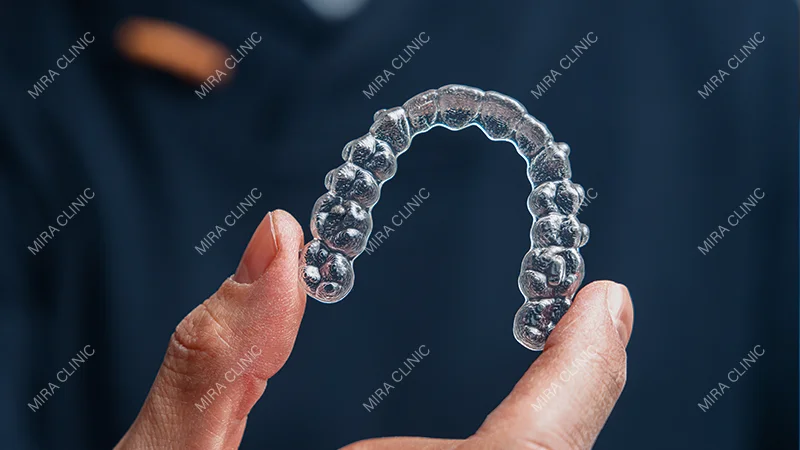
The retainer must fit the final veneer shape. That is why it is usually made after the veneers are completed.
Are Veneers Permanent After Braces?
Veneers are considered a long-term treatment, but they are not permanent in the sense of lasting forever. They may eventually need repair or replacement.
This is especially important after braces because the patient may still need lifelong retention to keep teeth stable. If the teeth move, the veneers may no longer sit in the same smile relationship.
Veneer longevity depends on:
- Tooth preparation
- Enamel bonding
- Material choice
- Bite control
- Retainer wear
- Grinding habits
- Oral hygiene
- Gum health
- Follow-up care
A patient should think of veneers as a serious cosmetic dental treatment, not a temporary beauty procedure. Once enamel is prepared, future maintenance and possible replacement should be expected.
Read more: Are Veneers Reversible? What Happens If You Change Your Mind Later
Final Verdict: Veneers Can Complete the Smile After Braces, but Timing Matters
Veneers can be placed after orthodontic treatment with braces and retainers when the teeth, gums, and bite are stable. They can improve tooth shape, color, edges, small gaps, and final smile harmony after orthodontics has corrected the position of the teeth.
The most important point is timing. Veneers should not be rushed if the teeth are still shifting, the gums are inflamed, the bite is not settled, or the retainer plan is unclear.
At Mira Clinic in Istanbul, veneers treatment after braces should be planned around tooth stability, enamel preservation, smile design, bite evaluation, and the correct retainer after treatment. For patients comparing veneers in Istanbul or veneers in Turkey, the best result is not only a straighter and brighter smile. It is a smile that remains stable after orthodontic treatment.
Read more: The Gummy Smile Solution: Combining Laser Gum Contouring with Veneers