A bite adjustment, also called an occlusal adjustment, is a dental procedure that corrects specific problems in how the upper and lower teeth contact each other. It may involve making small modifications to a dental filling, crown, or another restoration when a tooth contacts too early or receives excessive pressure. More complex bite problems may require orthodontic treatment, restorative dentistry, or a combination of procedures.
Patients who need bite correction often notice that one tooth touches before the others, their teeth do not close comfortably, or chewing feels different after a dental procedure. However, these symptoms do not always indicate that the natural teeth need reshaping.
The correct treatment depends on the cause of the problem, the condition of the teeth, the position of the jaws, and the patient's overall oral health.
At Mira Clinic in Istanbul, bite assessment forms part of restorative and aesthetic dental treatment planning. The goal is to identify the cause of uneven tooth contact and select an appropriate solution while preserving healthy tooth structure.
- What Is a Bite Adjustment and When Is It Needed?
- What Causes an Uneven Bite or Occlusal Interference?
- How Do Dentists Diagnose Bite Problems?
- What Treatments Can Correct an Uneven Bite?
- How Does the Bite Adjustment Procedure Work?
- What Is the Patient Treatment Plan for Bite Correction?
- How Long Does Bite Adjustment Recovery Take?
- Final Verdict: When Should You Consider Bite Correction?
What Is a Bite Adjustment and When Is It Needed?
A bite adjustment is a dental procedure designed to correct an identified problem with tooth contact.
When the mouth closes, the upper and lower teeth meet in a particular relationship called occlusion.
A comfortable bite depends on several factors, including tooth position, restoration shape, jaw movement, and the condition of the surrounding dental structures.
If a restoration changes how the teeth meet, the patient may experience a high contact or uneven pressure.
In selected cases, the dentist can correct that interference through a small adjustment.
What Are the Symptoms of an Uneven Bite?
Patients may notice one or more of the following symptoms:
- One tooth touches before the others when closing the mouth
- Chewing feels uncomfortable or uneven
- A recently fitted crown or filling feels too high
- One tooth feels unusually sensitive when biting
- The teeth do not meet as they did before treatment
- Pressure is concentrated on a particular tooth
- A dental restoration feels uncomfortable during chewing
- The jaw feels strained or tired during prolonged chewing
These symptoms can have several causes, so a professional examination is necessary before selecting treatment.
An uneven bite sensation does not automatically indicate that tooth grinding or permanent reshaping is required.
When Is an Occlusal Adjustment Necessary?
A minor occlusal adjustment may be appropriate when the dentist identifies a specific high contact that interferes with normal closure or causes excessive pressure.
For example, a dental crown may be slightly higher than the surrounding teeth after fitting.
The dentist can evaluate the contact and determine whether a small correction to the restoration is necessary.
However, problems involving significant crowding, misaligned jaws, or widespread tooth wear generally require a more comprehensive treatment plan.
Is Bite Adjustment the Same as Bite Correction?
Not exactly.
Bite adjustment refers to modifying specific tooth contacts, often through limited changes to a restoration.
Bite correction is a broader term that may involve orthodontics, restorative dentistry, replacement of missing teeth, or other clinically indicated treatment.
The distinction matters because not every bite problem can be solved by reshaping teeth.
What Causes an Uneven Bite or Occlusal Interference?
An uneven bite can develop for several reasons.
Some problems appear immediately after dental treatment, while others develop gradually as tooth position, tooth structure, or existing restorations change.
Identifying the underlying cause is essential because different problems require different solutions.
High Dental Crowns or Fillings
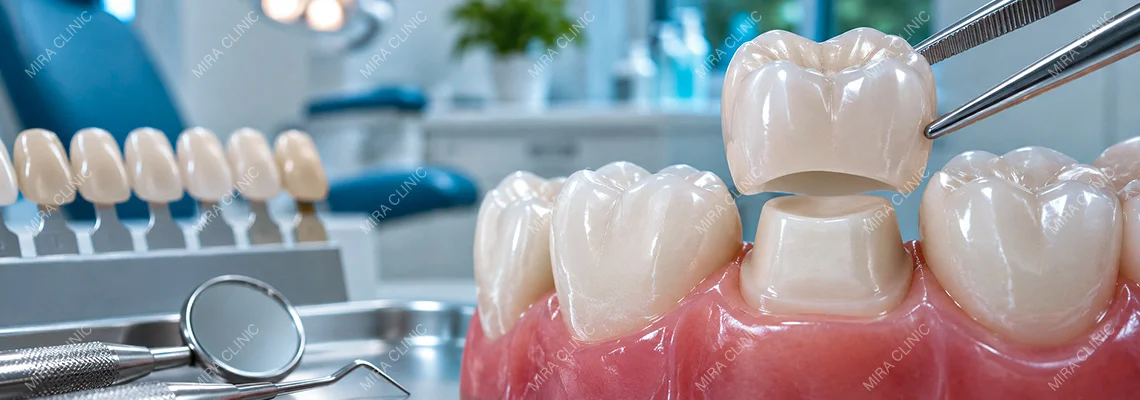
One common reason patients request a bite adjustment is discomfort after receiving a crown or filling.
A restoration may create an early or unusually heavy contact when the mouth closes.
Patients often describe this as feeling that one tooth is taller than the others.
In these cases, the dentist may need to adjust the restoration's contact surface.
The goal is to eliminate the identified interference without removing unnecessary tooth structure.
Uneven Bite After Dental Veneers
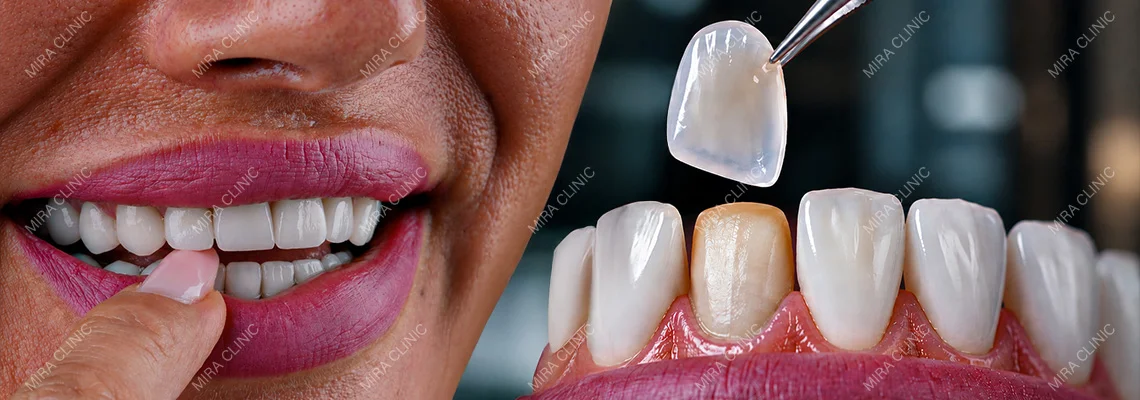
Veneers primarily improve the visible shape and appearance of teeth, but their design must also respect the patient's bite.
If a veneer changes the way a tooth contacts its opposing tooth, the patient may experience discomfort or an unfamiliar bite sensation.
The dentist must check whether the problem involves the veneer shape, contact pattern, or another existing dental condition.
A small adjustment may be appropriate, but significant interference may require modification or replacement of the restoration.
Missing Teeth and Changes in Tooth Position
When a tooth is missing, neighboring teeth may shift or tilt over time.
Opposing teeth may also move into the unoccupied space.
These changes can alter the way the upper and lower teeth meet.
Patients with several missing teeth may therefore need restorative treatment rather than a simple occlusal adjustment.
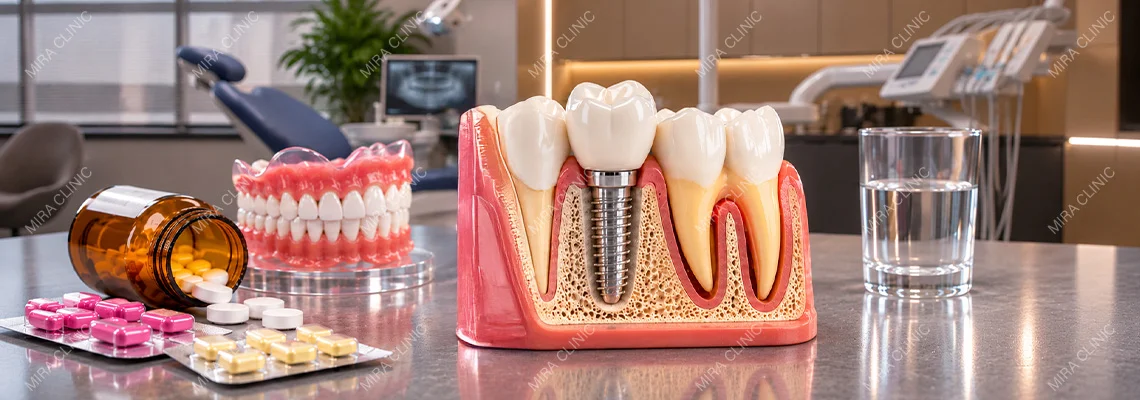
Dental implants, bridges, or other tooth replacement options may help restore missing chewing support when clinically appropriate.
Tooth Wear and Bruxism
Bruxism involves involuntary clenching or grinding of teeth.
Over time, this behavior can contribute to tooth wear, damaged restorations, and changes in tooth shape.
However, grinding does not automatically mean that a patient needs occlusal adjustment.
The dentist must assess the extent of tooth wear, the condition of the bite, and whether protective or restorative treatment is appropriate.
A night guard may help protect teeth in selected cases, but it does not necessarily correct the underlying causes of bruxism.
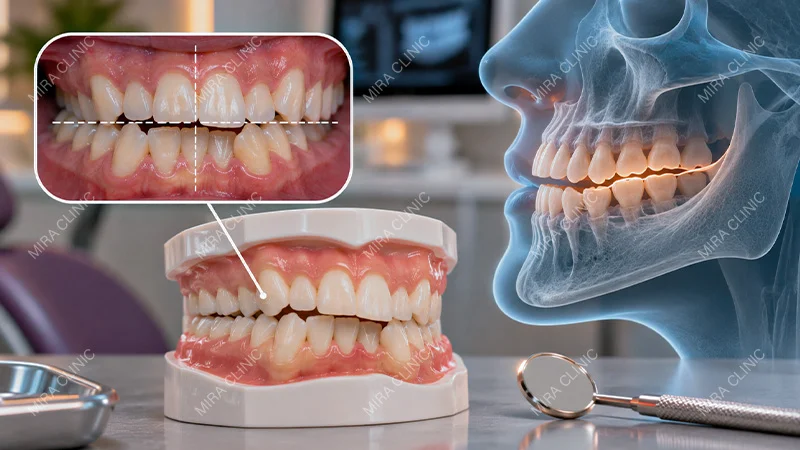
Misaligned Teeth or Jaw Relationships
Crowding, rotated teeth, deep bites, crossbites, and other alignment problems may affect tooth contact.
These conditions are often more complex than an isolated high restoration.
Orthodontic treatment may be necessary to reposition teeth and improve their relationship.
In severe skeletal cases, treatment may require a specialist assessment of jaw alignment.
Permanent reshaping of otherwise healthy teeth should not be used as a substitute for appropriate orthodontic treatment.
How Do Dentists Diagnose Bite Problems?
A bite adjustment should begin with diagnosis rather than immediate tooth reshaping.
The dentist must determine which teeth are involved, whether the problem is related to a restoration, and whether the symptoms originate from another dental condition.
Clinical Examination and Patient Symptoms
The examination begins with a discussion of the patient's symptoms.
The dentist may ask:
- When did the bite begin feeling uncomfortable?
- Did the problem appear after a filling, crown, or veneer?
- Does one tooth touch before the others?
- Is there pain during chewing?
- Are symptoms present on one side or both?
- Does the patient clench or grind their teeth?
- Have any teeth moved or been lost recently?
These details help distinguish a recent restoration-related problem from a longstanding bite condition.
Checking Tooth Contacts With Articulating Paper
Articulating paper is a thin marking material placed between the upper and lower teeth.
When the patient bites, it marks areas where the teeth contact.
The dentist can examine these marks alongside the patient's symptoms and clinical findings.
However, the size or darkness of a mark does not reliably measure bite force on its own.
The dentist must interpret the markings in the context of the complete examination.
Evaluating Jaw Movement and Bite Position
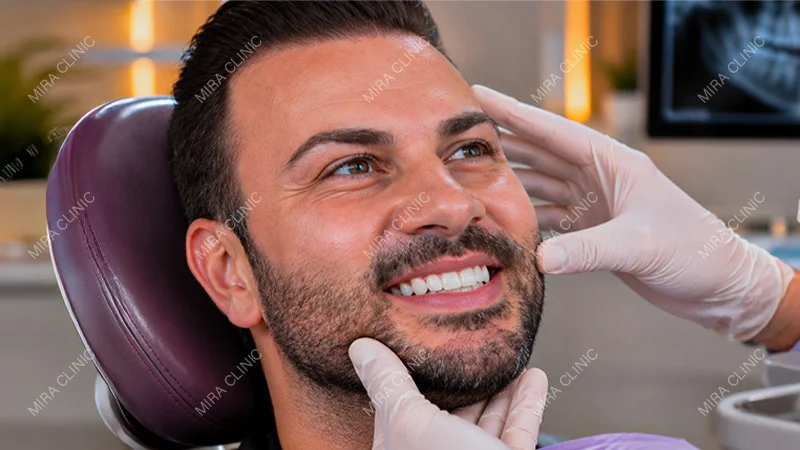
The dentist may observe how the teeth contact when the patient closes the mouth and moves the jaw from side to side.
This helps identify contacts that interfere with the intended movement.
The examination may also include assessment of tooth mobility, muscle tenderness, jaw-joint symptoms, and the condition of existing restorations.
Jaw pain or clicking should not automatically be attributed to an uneven bite.
These symptoms can involve temporomandibular disorders, which require their own assessment and generally favor conservative, reversible management.
Digital Bite Analysis and Dental Scanning
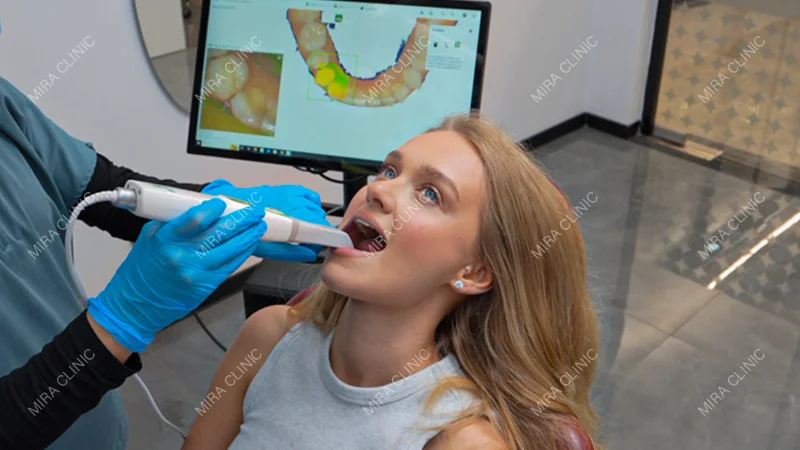
In selected cases, digital bite analysis or intraoral scanning can support treatment planning.
These technologies may help document tooth relationships, restoration contours, and certain aspects of contact timing.
However, digital measurements must be interpreted together with the clinical findings.
Not every patient requires digital analysis for a small bite adjustment.
Dental X-Rays and Additional Imaging
Dental imaging may be appropriate when the dentist suspects problems involving the tooth root, supporting bone, infection, or an existing restoration.
X-rays can help investigate underlying dental conditions that may cause pain when biting.
CBCT imaging is not routinely necessary for a straightforward occlusal adjustment.
It may be used in selected complex cases, such as implant planning or when specific anatomical information is required.
What Treatments Can Correct an Uneven Bite?
Bite correction depends on the cause of the problem.
Some patients need only a small modification to a restoration, while others require orthodontic or restorative treatment.
The objective is to select the least invasive effective approach rather than automatically remove healthy tooth structure.
Minor Occlusal Adjustment
A minor adjustment may be suitable when a newly placed crown or filling has a clearly identified high contact.
The dentist carefully modifies the restoration and checks how the teeth meet afterward.
This is generally a localized procedure.
It should not be confused with extensive grinding of multiple natural teeth.
Dental Crown or Filling Adjustment
When an uneven bite is caused by a restoration, the dentist may modify the filling or crown.
If the restoration has significant design, fit, or structural problems, adjustment alone may not provide an appropriate solution.
In such cases, the dentist may recommend repairing or replacing it.
The choice depends on the extent of the problem and the remaining restorative material.
Orthodontic Bite Correction
Patients with misaligned teeth may benefit from orthodontic treatment.
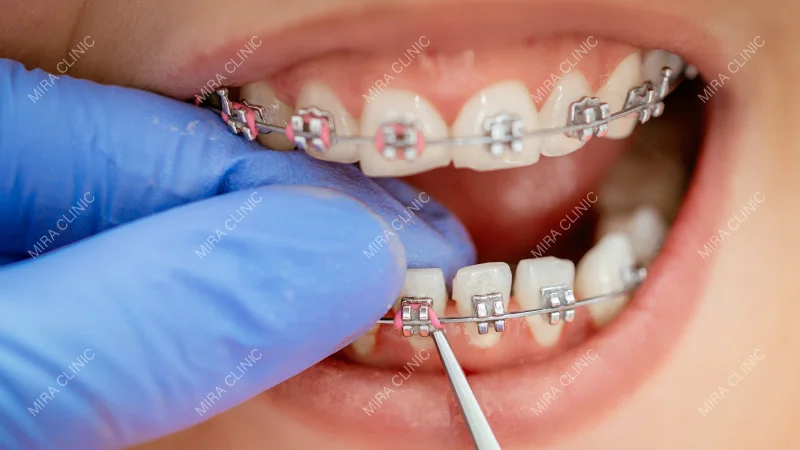
Braces or clear aligners can reposition teeth over time and improve their relationship.
Orthodontic treatment is often more appropriate than irreversible reshaping when the problem involves tooth position.
The dentist or orthodontist evaluates the type of malocclusion and determines whether tooth movement can correct it.
Restorative Bite Rehabilitation
Patients with severe tooth wear, multiple damaged restorations, or extensive tooth loss may require a comprehensive restorative treatment plan.
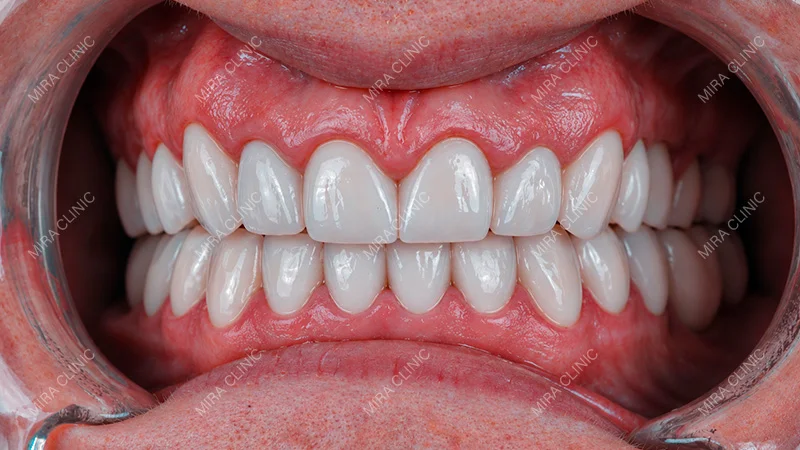
This can involve crowns, onlays, bridges, or other restorations.
The dentist must consider the entire bite rather than adjusting one tooth in isolation.
Restorative rehabilitation should be based on functional and structural needs, with careful attention to preserving healthy tooth tissue.
Replacement of Missing Teeth
Missing teeth may reduce chewing support and contribute to changes in tooth position.
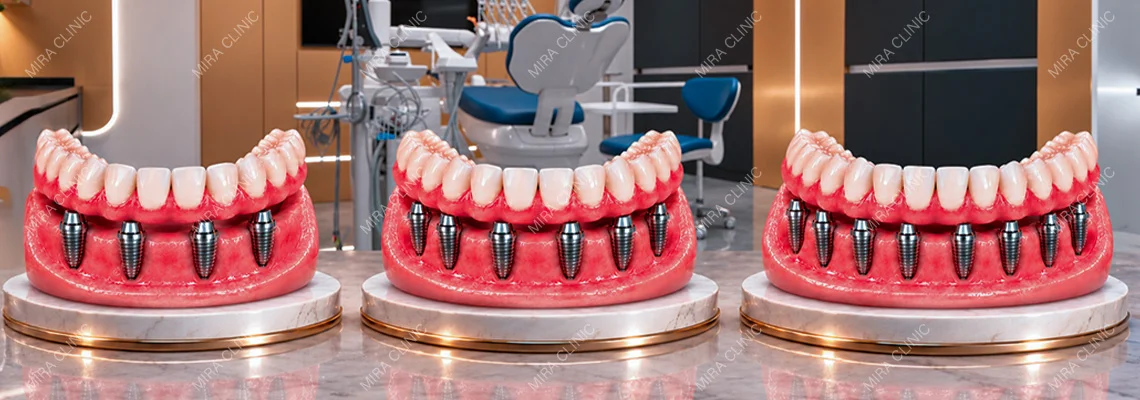
Depending on the condition of the mouth, treatment may involve dental implants, implant-supported crowns, bridges, or removable prostheses.
These restorations must be designed to fit within the patient's bite.
Replacing missing teeth can help restore function, but it is not automatically necessary for every isolated bite complaint.
Conservative Management of Jaw Discomfort
If a patient has jaw muscle pain, clicking, or other symptoms associated with a temporomandibular disorder, the treatment approach may differ.
Conservative options can include patient education, self-care strategies, physiotherapy, and selected oral appliances.
Permanent bite-altering procedures should not be recommended solely to treat jaw-joint pain without a clear dental indication.
A careful diagnosis helps avoid unnecessary irreversible treatment.
How Does the Bite Adjustment Procedure Work?
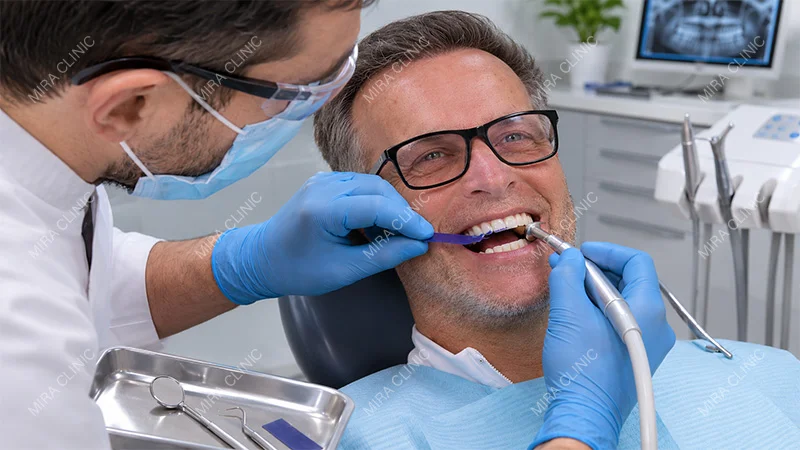
When a dentist confirms that a minor occlusal adjustment is appropriate, the procedure is usually relatively straightforward.
The goal is to correct the identified interference while maintaining suitable tooth anatomy and restoration integrity.
Step 1: Identify the High Contact
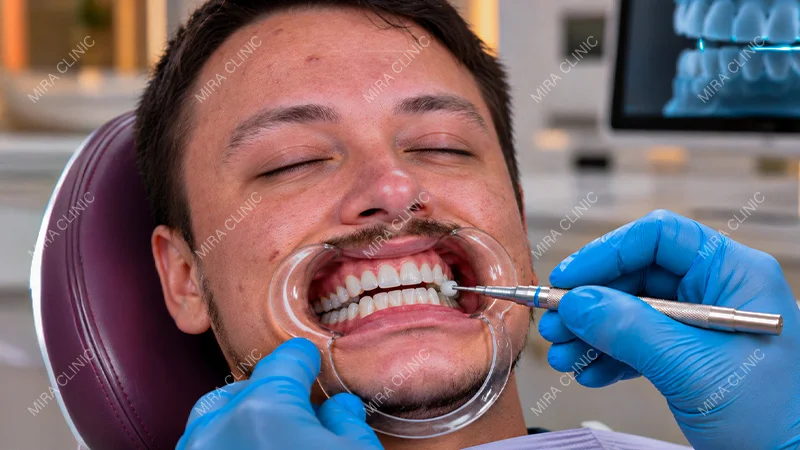
The dentist asks the patient to close the teeth together and may use articulating paper to identify contact points.
The examination also considers the patient's symptoms, tooth movements, and existing restorations.
An isolated high filling or crown may be easier to correct than a complex bite discrepancy involving several teeth.
Step 2: Select the Area Requiring Adjustment
The dentist identifies the specific area contributing to the problem.
For example, a raised portion of a filling may contact the opposing tooth too early.
A crown may also have an area requiring refinement.
The dentist determines whether the existing restoration can be safely adjusted without compromising its strength or design.
Step 3: Perform a Controlled Adjustment
When clinically justified, the dentist uses appropriate instruments to remove a small amount of material from the identified contact area.
In many minor cases, the adjustment is performed on the restoration rather than healthy natural enamel.
The procedure should be conservative and controlled.
Because enamel removal is irreversible, extensive reshaping of natural teeth requires particular caution and a clear clinical justification.
Step 4: Recheck the Bite
After the initial adjustment, the dentist checks the contacts again.
The patient may be asked to close the teeth together, bite gently, and move the jaw through selected movements.
The objective is to confirm that the identified interference has been reduced without introducing a new problem.
Step 5: Polish the Adjusted Surface
When the adjustment involves a crown, filling, or other restoration, polishing may be necessary.
Finishing the surface helps maintain appropriate smoothness and restorative quality.
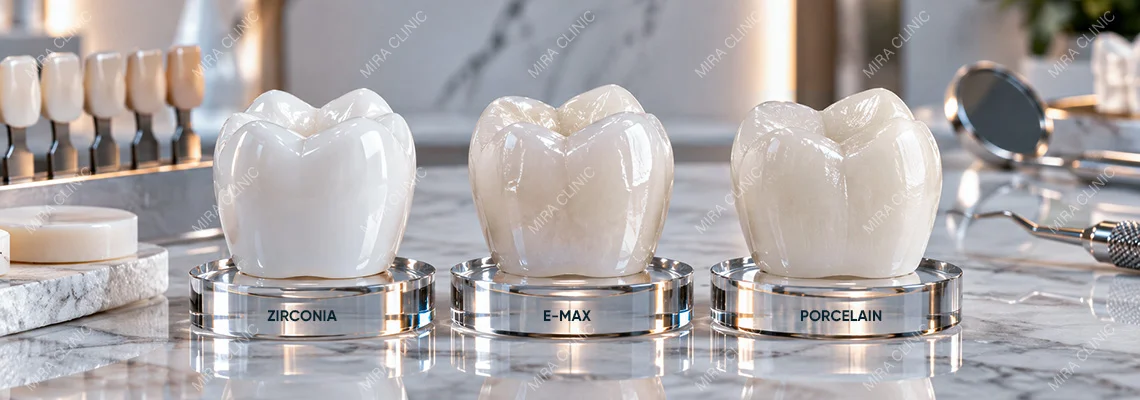
For ceramic restorations, the dentist uses techniques suited to the specific material.
Step 6: Evaluate Comfort and Function
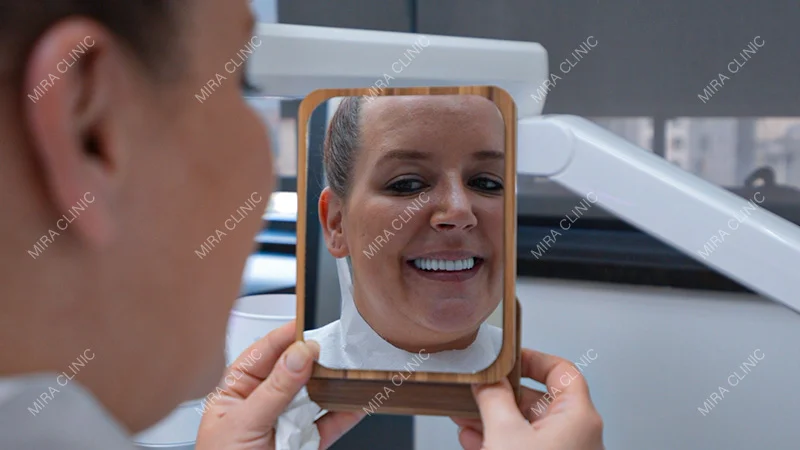
The dentist asks whether the bite feels more comfortable and checks the final contacts.
Some patients notice an immediate improvement after a high restoration is corrected.
However, discomfort may persist if the tooth is inflamed, another dental problem is present, or the symptoms have more than one cause.
Further assessment may be necessary rather than repeated adjustments.
What Is the Patient Treatment Plan for Bite Correction?
The treatment plan depends on whether the patient needs a simple restoration adjustment or a more comprehensive correction.
At Mira Clinic in Istanbul, the process begins with identifying the origin of the bite problem before recommending the appropriate procedure.
Stage 1: Initial Consultation and Symptom Review
Patients explain their main concern, including whether the bite changed after dental treatment or developed gradually.
The dentist reviews previous restorations, missing teeth, tooth wear, and relevant dental history.
The purpose is to determine whether the problem may involve an isolated contact or a broader issue with tooth alignment and function.
Stage 2: Diagnostic Assessment
The dentist examines the tooth contacts, gum condition, existing restorations, and jaw movement.
Articulating paper, digital scans, or dental imaging may be used when indicated.
Patients with significant jaw-joint symptoms or complex bite conditions may require additional assessment or specialist consultation.
Stage 3: Treatment Selection
Following the examination, the dentist selects an appropriate treatment pathway.
Patient treatment pathway
|
Clinical finding |
Possible treatment approach |
|---|---|
|
High contact after a filling |
Localized filling adjustment |
|
High contact after a crown |
Crown adjustment, repair, or replacement |
|
Poorly positioned teeth |
Orthodontic assessment |
|
Severe tooth wear |
Restorative rehabilitation assessment |
|
Missing teeth affecting function |
Tooth replacement planning |
|
Jaw pain without a clear dental interference |
Conservative assessment and management |
A preliminary assessment may identify several possible causes. The final treatment depends on confirming the diagnosis.
Stage 4: Performing the Selected Treatment
For a minor high-contact problem, adjustment may be completed during a single appointment.
More complex cases may require several visits.
Orthodontic correction takes longer because teeth need time to move into the planned positions.
Restorative rehabilitation may also involve temporary restorations, laboratory work, bite evaluation, and final fitting.
Stage 5: Post-Treatment Bite Evaluation
After treatment, the dentist checks whether the teeth meet as intended and whether the patient's symptoms have improved.
For patients receiving new crowns, veneers, or implant-supported restorations, bite evaluation should be part of the fitting process.
This helps identify restoration-related contact problems before the patient completes treatment.
Stage 6: Follow-Up and Long-Term Monitoring
Some patients benefit from a follow-up appointment to reassess comfort and function.
If symptoms continue, the dentist may investigate other causes rather than performing additional irreversible adjustments.
Patients with bruxism, complex restorations, or a history of extensive tooth wear may require a long-term maintenance plan.
The objective is to maintain comfortable chewing and protect the restored teeth.
How Long Does Bite Adjustment Recovery Take?
Recovery depends on the procedure performed and the cause of the original problem.
A simple adjustment to a high crown or filling generally requires little recovery time.
More complex bite correction involving orthodontics, extensive restorative treatment, or other procedures follows a different timeline.
Recovery After a Minor Bite Adjustment
Patients may notice an improvement as soon as the interfering contact is corrected.
If local anesthesia was used, they should avoid accidentally biting the numb cheek, tongue, or lip until the sensation returns.
A tooth that was previously receiving excessive pressure may remain sensitive for a period afterward.
Persistent or worsening pain requires reassessment.
Does Bite Adjustment Hurt?
Minor adjustment of a dental restoration may cause little or no discomfort.
However, the experience depends on the material being adjusted, whether natural tooth structure is involved, and whether the tooth is already sensitive.
Local anesthesia may be used when appropriate.
The dentist should explain the proposed procedure before beginning.
Can a Bite Adjustment Change How Your Teeth Feel?
Yes. Correcting an early contact may make the bite feel different, particularly if the patient has become accustomed to the previous restoration.
However, the teeth should not be repeatedly reshaped merely because the new contact sensation feels unfamiliar.
The dentist should verify objective findings and investigate persistent symptoms.
What Should You Avoid After a Bite Adjustment?
After a minor adjustment, patients should follow the dentist's specific instructions.
Depending on the situation, recommendations may include:
- Avoiding chewing while local anesthesia remains active
- Monitoring sensitivity or discomfort
- Avoiding unnecessary pressure on a painful tooth
- Maintaining normal oral hygiene
- Reporting persistent or worsening bite discomfort
- Attending follow-up when recommended
The instructions may differ if the adjustment is part of a larger restorative procedure.
For example, patients with a temporary crown may need additional restrictions until the permanent restoration is fitted.
Can an Incorrect Bite Adjustment Cause Problems?
Yes. Excessive or unnecessary reshaping can alter tooth anatomy, remove healthy enamel, or create new contact problems.
Once natural enamel is removed, it does not regenerate.
For this reason, irreversible adjustment should be limited to situations with a clear clinical indication.
A patient experiencing unexplained jaw pain or generalized bite discomfort may require a different approach.
Final Verdict: When Should You Consider Bite Correction?
Bite adjustment can be useful when a specific high contact or restoration-related interference has been identified.
Patients who notice an uneven bite after a filling, crown, or veneer should seek a dental examination rather than assume that discomfort will always resolve without assessment.
However, not every bite problem requires tooth reshaping.
Misaligned teeth, missing teeth, severe wear, and jaw-related symptoms may require orthodontic treatment, restorative rehabilitation, or conservative management.
At Mira Clinic in Istanbul, bite evaluation is incorporated into dental crown, veneer, implant, and comprehensive restorative treatment planning. The dental team assesses tooth contacts, existing restorations, and functional requirements before determining the appropriate treatment.
For patients seeking bite correction in Istanbul, the most important first step is identifying the true cause of the problem.
The goal of bite correction is not simply to make the teeth touch differently. It is to restore comfortable function through appropriate treatment while preserving healthy tooth structure whenever possible.
Read more: Best Dentist in Turkey for Veneers: Cost, Reviews and What to Expect