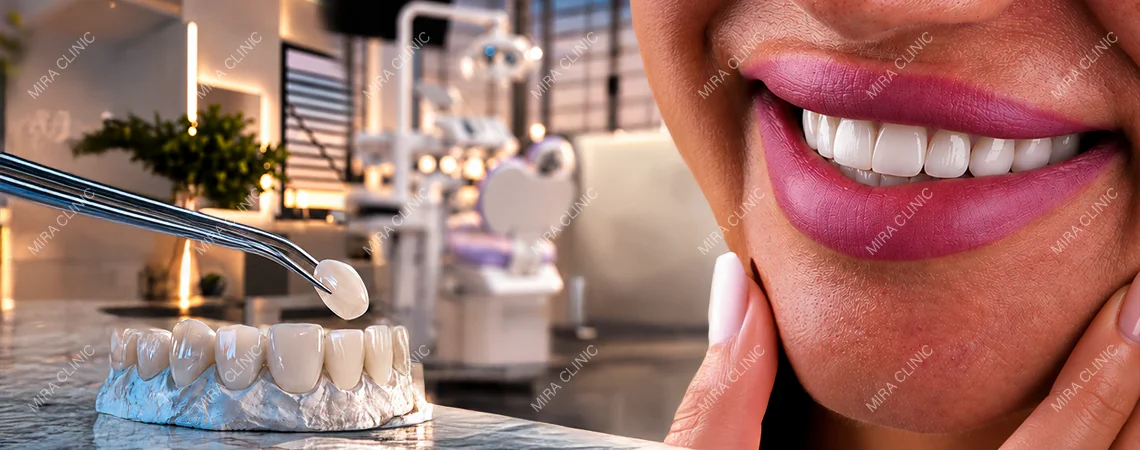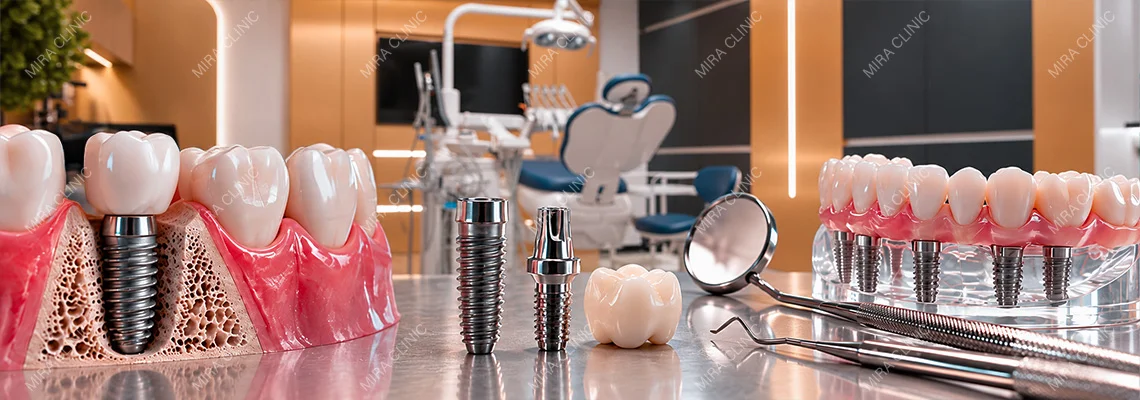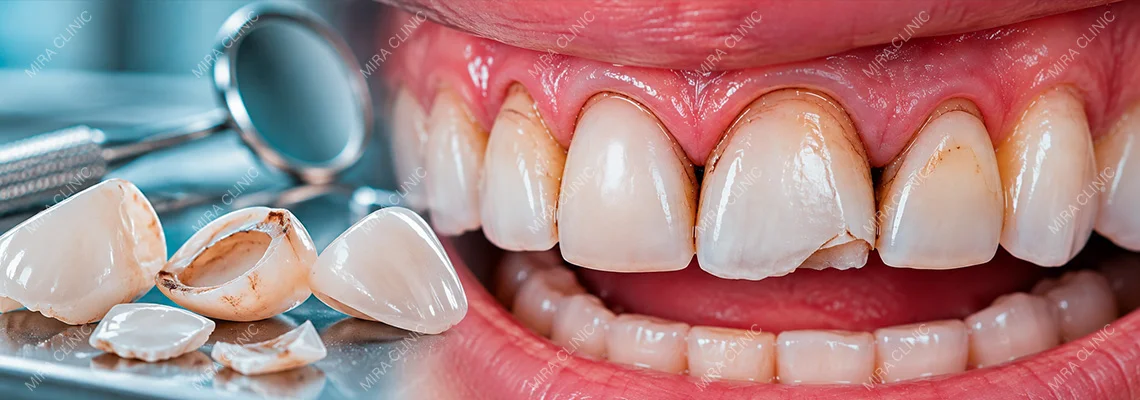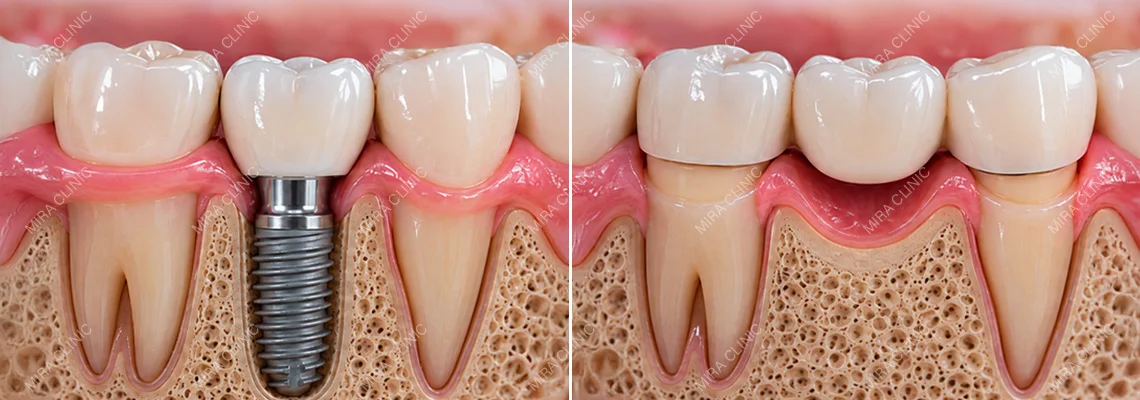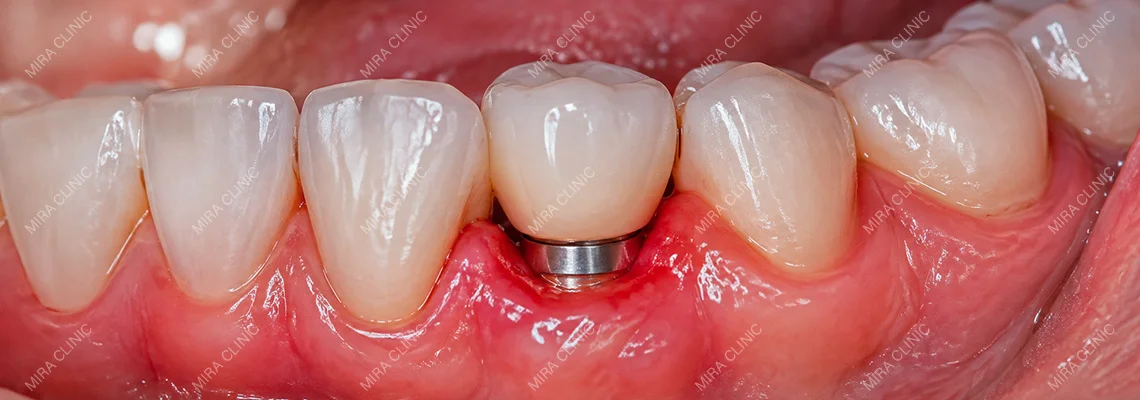
Dental crowns in Turkey can be worth it when the treatment is clinically needed, the crown material is suitable, the dentist prepares the tooth correctly, and the dental laboratory produces a crown with accurate fit, natural shape, and proper bite contact. The lower cost alone is not enough to judge value.
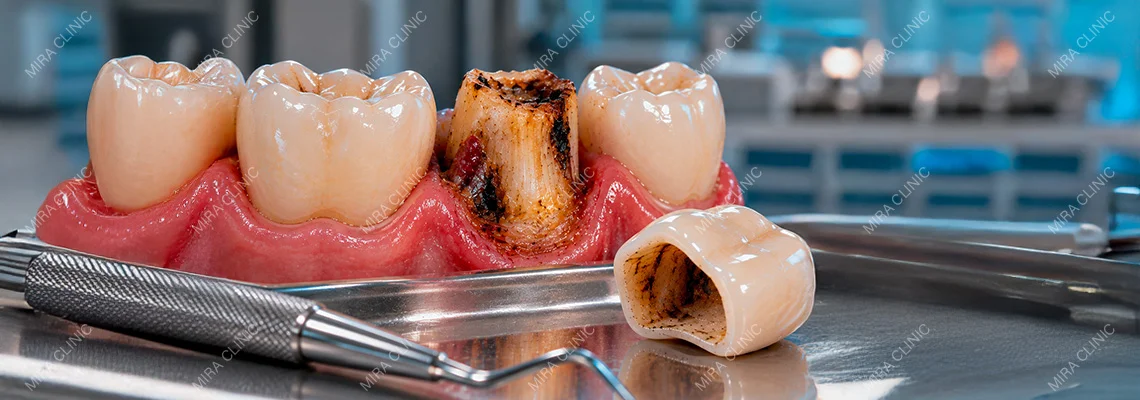
A dental crown is a cap placed over a tooth to restore its shape, size, strength, and appearance. Crowns may be used for weak, broken, worn, heavily filled, root canal-treated, or implant-supported teeth. They can also improve smile aesthetics when the tooth needs full coverage rather than a veneer.
The real question is not only “Are crowns in Turkey cheap?” The better question is: “Does the clinic offer the right material, diagnosis, preparation, lab quality, aftercare, and transparent cost for my case?”
- How Much Do Dental Crowns Cost in Turkey?
- What Types of Dental Crowns Are Available in Turkey?
- Are Dental Crowns in Turkey Good Quality?
- Are Dental Crowns in Turkey Worth It?
- How Does the Dental Crown Procedure in Turkey Work?
- How to Choose the Best Dental Clinic in Turkey for Crowns
- What Are the Risks and Downsides of Getting Crowns in Turkey?
- Final Verdict: Are Dental Crowns in Turkey Worth It?
How Much Do Dental Crowns Cost in Turkey?
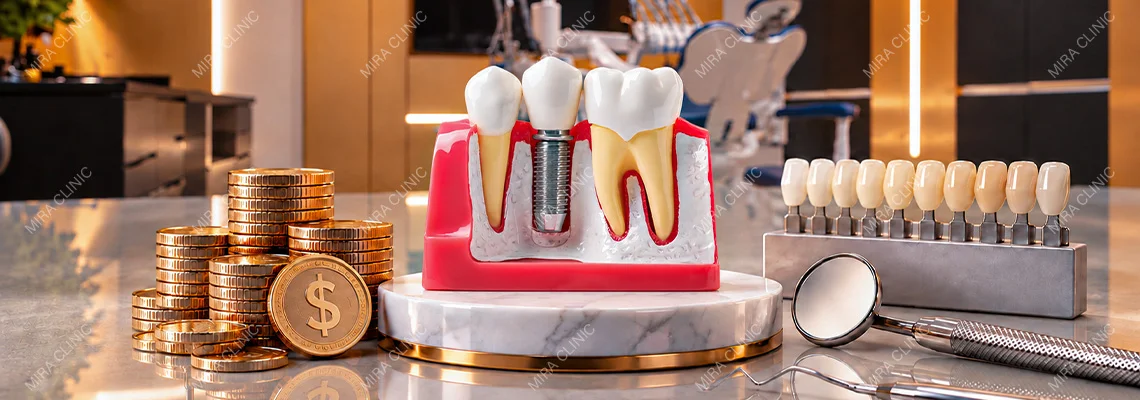
Dental crown cost in Turkey depends on the crown material, number of teeth, tooth condition, laboratory quality, and whether additional treatments are needed. Patients should compare the full treatment quote, not only the per-tooth price.
|
Crown type |
Price direction in Turkey |
Best suited for |
Key cost factor |
|---|---|---|---|
|
Zirconia crown |
Around €135–€250 per tooth |
Strength, full-mouth crowns, back teeth, smile restoration |
Quantity, shade design, lab quality |
|
E-max / all-ceramic crown |
Around €175+ per tooth |
Front teeth, aesthetic cases, natural translucency |
Tooth condition and cosmetic demand |
|
Porcelain crown |
Case-based |
Aesthetic restoration depending on system used |
Material and lab work |
|
Porcelain-fused-to-metal crown |
Case-based |
Selected restorative cases |
Metal framework and porcelain layering |
|
Full-mouth crowns |
Case-based |
Worn, damaged, discolored, or heavily restored teeth |
Number of crowns, bite, temporaries, lab work |
These are price directions, not a final quote for every patient. A clinic should confirm the final cost after examination, X-rays or scans, gum evaluation, bite check, and material selection.
The cost of dental crowns in Turkey may include consultation, tooth preparation, temporary crowns, laboratory work, final crowns, fitting, and bite adjustment. Some dental tourism packages may also include hotel accommodation, airport transfers, translator support, and treatment coordination.
However, not every advertised price includes everything. Additional costs may appear if the patient needs root canal treatment, post and core build-up, crown lengthening, gum treatment, extraction, implant placement, old crown removal, or a night guard.
This is why a low crown price can be misleading. If the crown does not fit well, if the bite is not adjusted, or if the tooth underneath is not healthy, the patient may later need retreatment, a root canal, replacement crown, or even extraction.
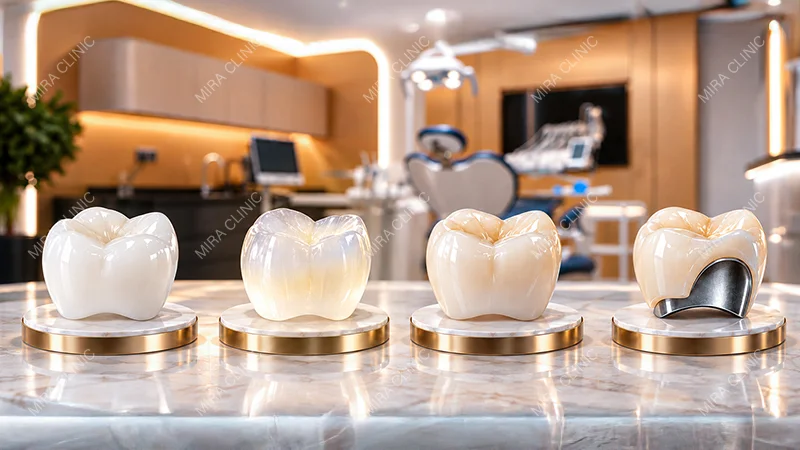
What Types of Dental Crowns Are Available in Turkey?
Dental crowns in Turkey are available in several materials. The right type depends on tooth location, bite force, aesthetic expectations, remaining tooth structure, and budget.
A crown should not be chosen only by price. The material must match the clinical situation.
Zirconia Crowns
Zirconia crowns are widely used because they combine strength with an aesthetic appearance. They may be suitable for back teeth, full-mouth restorations, patients with stronger bite forces, and smile makeover cases where durability is important.
Zirconia can also be useful when a tooth is dark or heavily restored because it can provide better coverage than very translucent materials. However, zirconia must still be designed carefully. If the shade, thickness, or shape is not customized, the crown may look too opaque or bulky.
Zirconia is often chosen for patients comparing full-mouth crown cost in Turkey because it can provide strong functional support across many teeth.
E-max / All-Ceramic Crowns
E-max and all-ceramic crowns are often selected for aesthetic areas, especially front teeth. They can provide natural translucency and a softer light reflection when compared with more opaque materials.
E-max may be suitable when the patient needs more coverage than a veneer but still wants a highly aesthetic result. It may be used for selected front teeth, smile restoration cases, or teeth where natural appearance is the main priority.
The dentist should check bite force and tooth condition before choosing E-max. It is not automatically suitable for every back tooth or high-pressure case.
Porcelain Crowns
Porcelain crowns can provide aesthetic results, especially when lab work is carefully designed. They may be used in different ceramic systems depending on the case.
The final result depends heavily on shade selection, tooth preparation, margin quality, and the dental technician’s work. Porcelain can look natural, but it must be matched to the patient’s gum line, smile shape, and surrounding teeth.
Porcelain-Fused-to-Metal Crowns
Porcelain-fused-to-metal crowns have a metal framework covered by porcelain. They may still be used in selected restorative cases, but many aesthetic smile treatments now prefer metal-free materials such as zirconia or E-max.
One limitation of porcelain-fused-to-metal crowns is that the metal base can affect translucency or create a darker line near the gum if the gum recedes. Still, they may be appropriate in some clinical situations where strength and cost are important.
Are Dental Crowns in Turkey Good Quality?
Dental crowns in Turkey can be good quality when the clinic uses proper diagnosis, suitable materials, experienced dentists, and skilled dental laboratory work. The quality depends on the provider, not only the country.
A high-quality crown should fit the tooth accurately, protect the remaining structure, match the bite, look natural, and allow the patient to clean around the gumline. Poor crown quality can cause sensitivity, gum inflammation, food trapping, decay under the crown, bite problems, or early replacement.
Crown Materials
Good crown quality starts with choosing the right material. Zirconia, E-max, ceramic, and porcelain-fused-to-metal crowns each have different strengths and limitations. The dentist should explain why one material is better for the patient’s tooth.
For example, a front tooth may need high aesthetics and translucency, while a molar may need stronger resistance to chewing forces. A root canal-treated tooth may need protection and support. An implant crown may require a different design from a natural tooth crown.
Dental Laboratory Quality
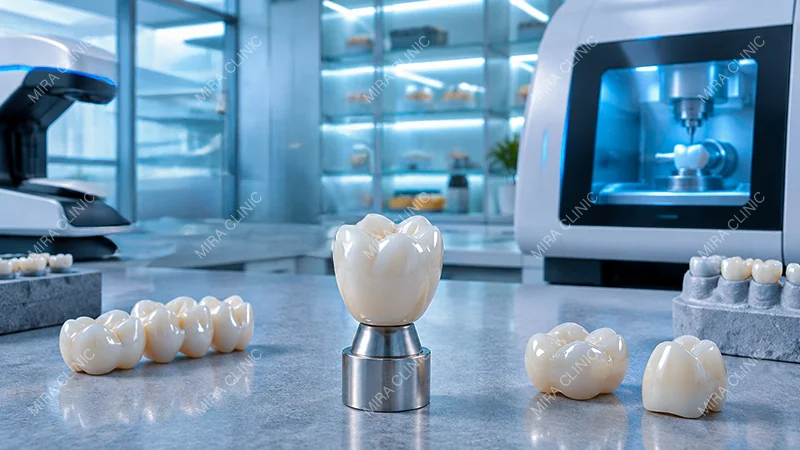
The dental lab affects crown shape, shade, margin fit, surface texture, and final aesthetics. A crown is not only a material; it is a custom restoration.
A strong dental laboratory should create crowns that fit the patient’s tooth preparation and bite. Poor lab work may lead to crowns that feel high, look bulky, irritate the gums, or fail earlier than expected.
This is why in-house or closely coordinated lab communication can be valuable, especially for full-mouth crowns, smile restoration, and Hollywood Smile cases.
Digital Scanning and CAD-CAM
Digital scanning and CAD-CAM systems can improve communication between the dentist and lab. They may help with accurate design, faster production, and more predictable crown shape.
However, technology does not replace diagnosis. Digital tools work best when the dentist has already prepared the tooth correctly, evaluated the bite, and planned the final restoration carefully.
Fit, Margins, and Bite
A good crown should have accurate margins. The margin is the area where the crown meets the natural tooth near the gumline. If the margin is poor, bacteria can collect, causing gum irritation or decay under the crown.
The bite is equally important. A crown that is too high can create pain, sensitivity, jaw discomfort, or crown fracture. Final bite adjustment is a key part of crown treatment.
Are Dental Crowns in Turkey Worth It?
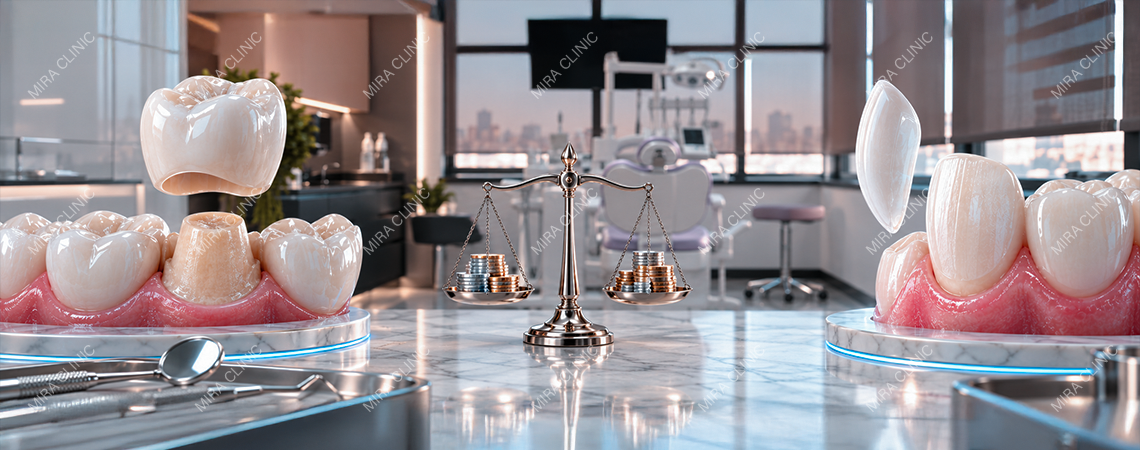
Dental crowns in Turkey can be worth it if the patient receives high-quality care at a lower total cost than in their home country. The value is strongest when the treatment includes diagnosis, suitable material selection, precise preparation, temporary crowns, lab work, final fitting, and aftercare.
|
Factor |
What to consider |
|---|---|
|
Cost |
Often lower than many Western markets, especially for multiple crowns |
|
Quality |
Depends on dentist experience, lab quality, materials, and planning |
|
Travel |
Flights, hotel, time off work, and return visits should be considered |
|
Aftercare |
More complex after returning home, so the clinic should explain follow-up |
|
Value |
Strong when treatment is clinically necessary and well planned |
Crowns are worth it when they solve a real dental problem. They may protect weak teeth, restore chewing, improve smile appearance, and replace old failing restorations.
Crowns are not worth it when healthy teeth are unnecessarily reduced only for a faster cosmetic change. In some cases, veneers, whitening, bonding, orthodontics, or no treatment may be more conservative.
Read more: E-max vs Zirconia Crown Cost: What Are You Actually Paying For?
How Does the Dental Crown Procedure in Turkey Work?
The dental crown procedure in Turkey usually includes consultation, diagnosis, tooth preparation, temporary crowns, laboratory production, final fitting, and bite adjustment. Treatment may take several days, depending on the number of crowns, tooth condition, and case complexity.
Consultation and Diagnosis
The dentist first examines the teeth, gums, bite, old restorations, and smile goals. X-rays or scans may be needed to check decay, root canal status, bone level, infection, and crown support.
This stage decides whether the patient needs crowns, veneers, implants, gum treatment, or a mixed plan.
Tooth Preparation
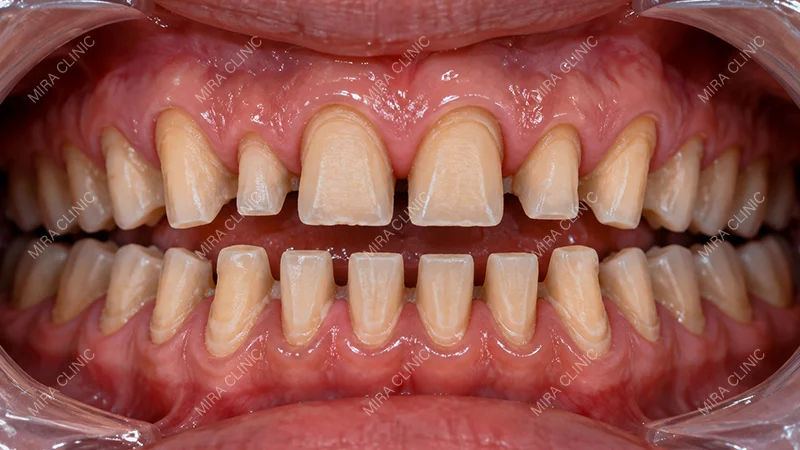
Tooth preparation creates space for the crown. The amount of reduction depends on crown material, tooth condition, and restoration design. A crown requires more tooth reduction than a veneer because it covers the tooth more completely.
If the tooth has deep decay or nerve involvement, root canal treatment may be needed before the crown. If the tooth has little structure left, a core build-up or post may be required.
Digital Impressions or Scans
After preparation, the dentist takes a digital scan or impression. This is sent to the dental lab so the crown can be designed and produced.
Good scanning or impression quality helps the lab create a better-fitting restoration.
Temporary Crown
Temporary crowns protect prepared teeth while the final crowns are being made. They also help the patient speak, eat carefully, and preview the shape of the new smile.
Temporary crowns are especially important in full-mouth or front-tooth cases.
Laboratory Production
The lab designs and manufactures the final crown. This stage affects shade, shape, anatomy, texture, and bite harmony.
In a well-coordinated clinic, the dentist and lab communicate about tooth color, smile line, gum position, and patient expectations.
Final Fitting and Bite Adjustment
The final crown is fitted, checked, and cemented. The dentist should check margins, contact points, bite pressure, and patient comfort.
Bite adjustment matters because even a small high point can cause pain, sensitivity, or crown fracture later.
How Long Does Crown Treatment Take in Turkey?
Many crown cases in Turkey can be completed within several days, but the timeline depends on the number of crowns, need for root canal treatment, gum condition, lab production, and final adjustments.
Patients should avoid choosing only the fastest option. A short timeline is useful, but not if it skips diagnosis, trial fitting, bite correction, or proper lab work.
How to Choose the Best Dental Clinic in Turkey for Crowns
The best dental clinic in Turkey for crowns should offer clear diagnosis, transparent pricing, qualified dentists, strong restorative experience, reliable lab work, and aftercare guidance.
Patients should compare more than before-and-after photos. They should ask how the treatment is planned, what material is used, who prepares the teeth, who designs the crowns, and what happens if adjustments are needed.
Dentist Credentials and Restorative Experience
Crown treatment requires restorative judgment. The dentist must understand tooth structure, margins, bite, material thickness, gum health, and long-term maintenance.
Patients should ask whether the clinic has experience with single crowns, full-mouth crowns, root canal-treated teeth, old crown replacement, implant crowns, and smile restoration cases.
Crown Case Volume and Results
Before-and-after cases can help patients understand the clinic’s aesthetic style. Good crown results should look natural, fit the gumline, and match the patient’s face.
Patients should look for cases similar to their own condition. A full-mouth restoration is different from replacing one old crown.
Laboratory Quality
Dental lab quality is central to crown quality. The clinic should be able to explain how crowns are designed, what material is used, and how shade selection is handled.
For full-mouth crowns, lab experience is especially important because the crowns must work together in the bite.
Patient Reviews and Aftercare
Reviews can show how the clinic communicates, handles scheduling, manages temporary crowns, and responds to aftercare needs. However, reviews should be read critically.
A high number of reviews does not automatically prove clinical quality. Look for repeated comments about comfort, natural results, transparency, and follow-up.
Guarantees and Transparent Pricing
A crown guarantee should have clear conditions. It may depend on oral hygiene, follow-up, night guard use, avoiding trauma, and treatment suitability.
Transparent pricing should explain what is included and what may cost extra. Patients should ask whether the quote includes X-rays, temporaries, final crowns, hotel, transfers, and adjustment appointments.
Read more: Dental Crowns in Turkey: Costs, Treatment Options and What to Expect Before Booking
What Are the Risks and Downsides of Getting Crowns in Turkey?
Dental crowns in Turkey can be safe and valuable, but there are risks if treatment is rushed, unnecessary, poorly planned, or performed without proper diagnosis.
Dental crowns can require tooth surface removal to create space for the restoration, and potential problems can include sensitivity, need for further treatment, or restoration failure depending on the case.
Unnecessary Tooth Reduction
The biggest downside is unnecessary tooth reduction. Crowns cover the full tooth, so they usually require more preparation than veneers. If a healthy tooth only needs cosmetic improvement, a veneer or other conservative treatment may be better.
Patients should ask why a crown is recommended instead of a veneer.
Tooth Sensitivity or Nerve Problems
Some sensitivity after crown preparation can happen. If the tooth was already damaged, cracked, or deeply decayed, the nerve may become inflamed and require root canal treatment.
A dentist should explain this risk before treatment begins.
Poor Margins and Gum Irritation
If the crown margin does not fit well, plaque can collect near the gumline. This may cause bleeding, gum irritation, bad smell, or decay under the crown.
Good margin design and cleaning access are essential.
Bite Problems
A crown that is too high can cause pain when biting, muscle discomfort, tooth sensitivity, or crown fracture. Final bite adjustment should never be skipped.
Crown Failure and Retreatment
Crowns may fail because of decay, fracture, poor fit, material problems, gum disease, or heavy bite forces. If the tooth underneath becomes badly damaged, the patient may need root canal treatment, crown lengthening, extraction, implant treatment, or bridge work.
Overtreatment
Some patients travel for “smile makeover” crowns when veneers, whitening, orthodontics, or minimal bonding would be more conservative. A credible clinic should avoid overtreatment and explain the safest option for each tooth.
Aftercare Abroad
Aftercare may be more complicated when the patient returns home. This is why the clinic should provide written instructions, clear guarantee conditions, and guidance for emergencies or adjustments.
Final Verdict: Are Dental Crowns in Turkey Worth It?
Dental crowns in Turkey are worth it when the patient needs tooth protection, full coverage, old crown replacement, root canal tooth restoration, implant crowns, or full-mouth smile restoration, and when the clinic provides proper diagnosis, suitable material, accurate preparation, quality lab work, and clear aftercare.
They are not worth it when healthy teeth are reduced unnecessarily or when the patient chooses a clinic based only on the lowest price.
For patients comparing crown treatment abroad, the best value comes from balancing cost, quality, safety, material choice, and long-term maintenance. A well-made crown should restore function, protect the tooth, look natural, and fit comfortably in the bite.
Mira Clinic in Istanbul offers crown treatment options for patients who want diagnosis-led planning, zirconia and E-max material choices, full smile restoration support, and coordinated dental care in Turkey.
Read more: Dental Crown Cost in Turkey: Zirconia, E-max, and Composite Crown Prices for Your Case