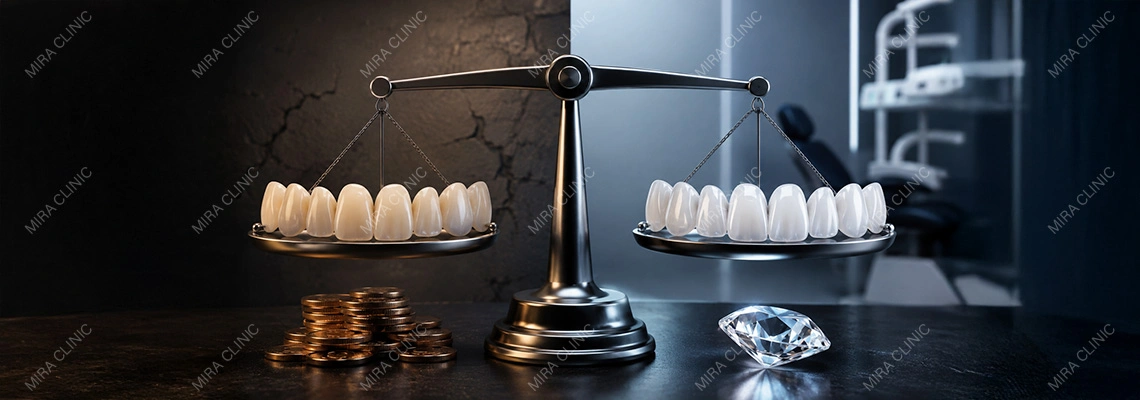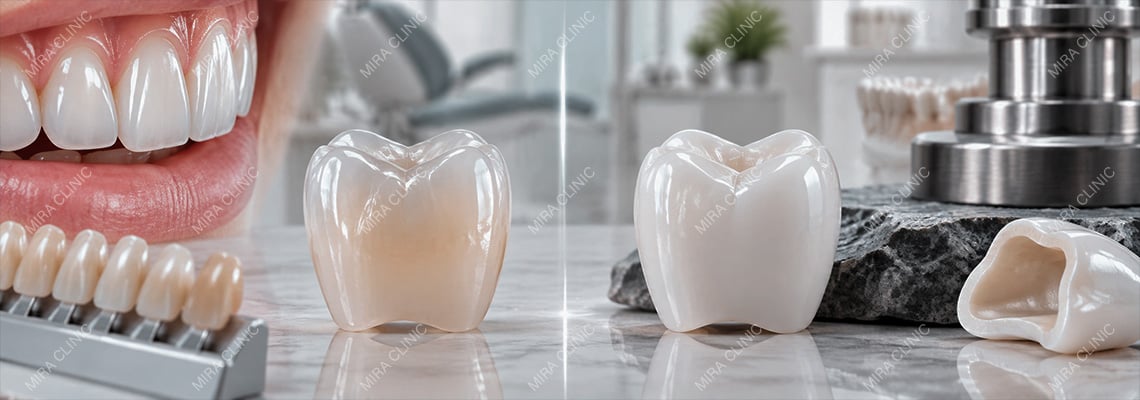
Patients comparing E-max vs zirconia crown cost often want a simple answer: which crown is worth the price? The direct answer is that E-max is usually chosen for high-aesthetic front teeth because of its translucency and natural light reflection, while zirconia is often chosen for stronger bite areas because of its durability. The better value depends on the tooth location, remaining tooth structure, bite force, smile goals, and laboratory quality.
The price of a dental crown is not only about the material name. Patients are also paying for diagnosis, tooth preparation, digital or traditional impressions, shade matching, laboratory work, fitting, bite adjustment, and follow-up.
As a price direction, E-max crowns may cost around €175 per tooth, while zirconia crowns may range from around €135 to €250 per tooth, depending on the number of crowns, case complexity, and treatment plan. These figures should be understood as example price directions, not fixed final prices for every patient.
- E-max vs Zirconia Crown Cost
- What Is an E-max Crown?
- What Is a Zirconia Crown?
- E-max Crown Price: What Are You Paying For?
- Zirconia Crown Cost: What Makes It Worth It?
- E-max vs Zirconia Price: Front Teeth vs Back Teeth
- Dental Crown Material Cost: Why Material Alone Is Not Enough
- Which Dental Crown Is Worth the Price?
- How Bite and Tooth Condition Affect the Choice
- Why Laboratory Experience Affects Crown Value
- Questions to Ask Before Choosing E-max or Zirconia
- Final Verdict: You Are Paying for the Right Match, Not Just the Crown Name
E-max vs Zirconia Crown Cost
E-max and zirconia crowns can both be valuable, but they are not used for exactly the same reasons. E-max may be worth the price when the patient needs a natural-looking crown in the smile zone. Zirconia may be worth the price when the patient needs more strength, especially for back teeth or stronger bite pressure.
A fair comparison should ask:
- Is the crown for a front tooth or back tooth?
- Is the main goal beauty, strength, or both?
- How much natural tooth remains?
- Is the patient a grinder or clencher?
- Does the crown need to match nearby natural teeth?
- Will the lab customize the shade and shape?
- Does the price include fitting and bite adjustment?
The cheapest crown is not always the best value, and the highest price does not automatically mean the best crown. The right material should match the clinical case.
What Is an E-max Crown?
An E-max crown is a ceramic crown made from lithium disilicate. It is widely used in cosmetic dentistry because it can create a natural, translucent appearance that blends well with nearby teeth.
E-max is often considered for:
- Front teeth
- Smile-zone crowns
- Teeth where aesthetics are the main concern
- Cases that need natural translucency
- Patients who want a realistic ceramic appearance
- Teeth with enough structure for the planned restoration
The main advantage of E-max is its aesthetic quality. It can reflect light in a way that looks close to natural enamel, especially when the dentist and lab choose the shade, thickness, and shape carefully.
However, E-max is not selected only because it looks beautiful. The dentist must also check the bite, tooth position, and remaining structure. If the tooth carries heavy chewing pressure, zirconia may sometimes be more suitable.
What Is a Zirconia Crown?
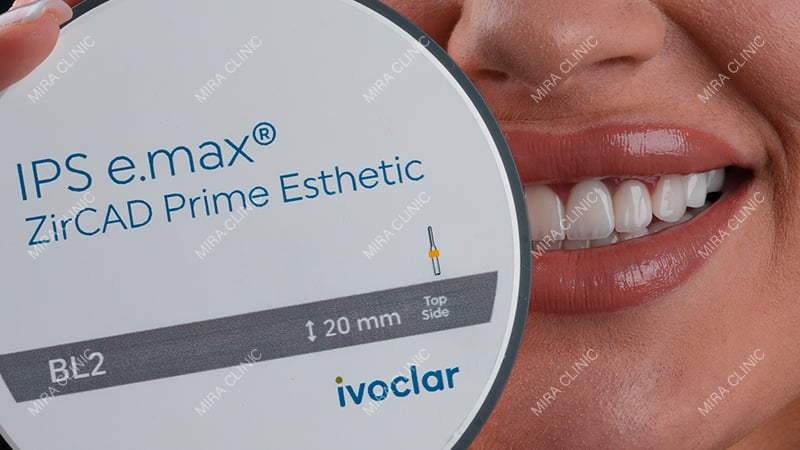
A zirconia crown is made from zirconium dioxide, a strong ceramic material often used when durability is a major concern. Zirconia can be used for both front and back teeth, but it is especially common for molars, bridges, and cases that need higher strength.
Zirconia may be considered for:
- Back teeth
- Molars and premolars
- Strong bite forces
- Patients who grind or clench
- Multi-unit crowns or bridges
- Teeth with heavy chewing pressure
- Cases where strength is the priority
Modern zirconia can also look aesthetic, especially newer translucent zirconia options. However, traditional zirconia may appear less translucent than E-max in highly visible front teeth.
This is why zirconia is not simply the “strong crown” and E-max is not simply the “beautiful crown.” Both can be aesthetic and functional when used correctly, but they have different strengths.
E-max Crown Price: What Are You Paying For?
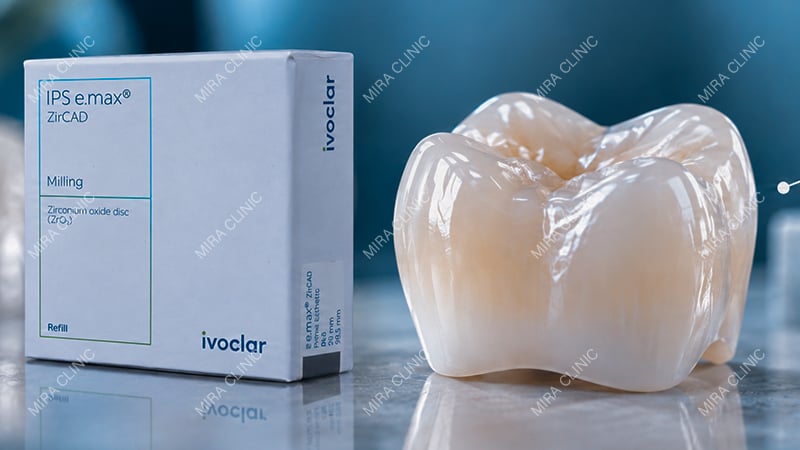
The E-max crown price reflects more than the ceramic material. Patients are paying for a crown that must look natural, fit precisely, and work inside the bite.
In aesthetic cases, E-max requires careful attention to:
- Shade selection
- Tooth translucency
- Ceramic thickness
- Tooth preparation
- Gum margin design
- Smile symmetry
- Laboratory layering or finishing
- Final polishing and fitting
E-max can be valuable when one crown must match nearby natural teeth. This is often more difficult than making several crowns together because the single crown must blend with the patient’s existing enamel.
The cost becomes more justified when the dentist and lab use the material for the right reason: natural appearance, conservative preparation where possible, and precise smile-zone matching.
Zirconia Crown Cost: What Makes It Worth It?
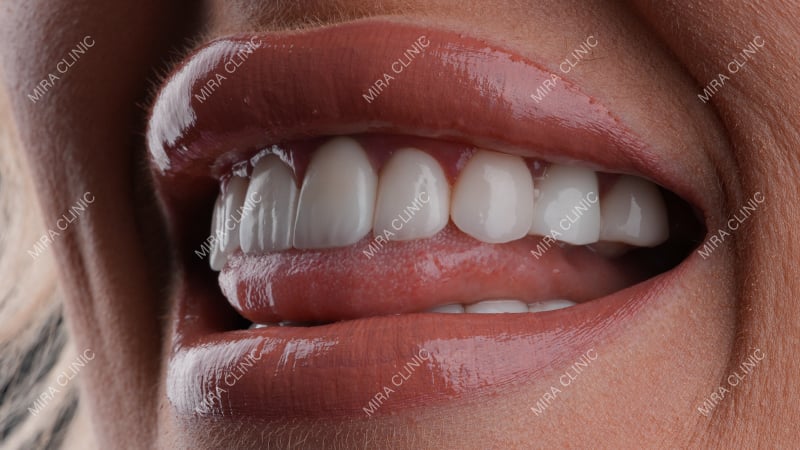
The zirconia crown cost is often connected to strength, durability, and the ability to handle higher biting pressure. This makes zirconia a common option for back teeth or patients with stronger functional needs.
Zirconia can be worth the price when:
- The crown is for a molar
- The patient has strong bite pressure
- The tooth needs more structural support
- A bridge is being planned
- The patient has a history of crown fracture
- The bite needs a stronger material
- The case requires long-term functional stability
Zirconia crowns can also be designed with improved aesthetics, especially when the case involves visible premolars or front teeth. But if the main goal is maximum translucency for a front tooth, E-max may still be preferred in many cases.
The value of zirconia is not only that it is strong. It is that the material can protect a tooth in areas where weaker restorations may be more likely to chip or fail.
Read more: Zirconia Crowns Price in Istanbul: Cost, Fit and Durability
E-max vs Zirconia Price: Front Teeth vs Back Teeth
The difference between E-max vs zirconia price should be understood through tooth location. Front teeth and back teeth do not have the same clinical demands.
Front teeth are more visible. They need natural shade, translucency, edge shape, and harmony with the smile. Back teeth carry more chewing pressure and often need higher strength.
|
Tooth Area |
Common Priority |
Often Considered |
|---|---|---|
|
Front teeth |
Aesthetics and translucency |
E-max |
|
Premolars |
Aesthetics + strength |
E-max or zirconia |
|
Molars |
Strength and chewing force |
Zirconia |
|
Bridges |
Structural support |
Often zirconia |
|
Smile-zone single crown |
Natural matching |
Often E-max |
This table is not a fixed rule. A patient with heavy grinding may need zirconia even in a more visible area. A patient with low bite pressure and high aesthetic demands may benefit from E-max. The final choice should be made after examination.
Read more: Dental Crown Cost in Turkey: Zirconia, E-max, and Composite Crown Prices for Your Case
Dental Crown Material Cost: Why Material Alone Is Not Enough
Many patients compare dental crown material cost as if the material is the whole treatment. In reality, the material is only one part of crown quality.
A crown price may also include:
- Tooth examination
- X-ray if needed
- Tooth preparation
- Impression or scan
- Temporary crown if needed
- Laboratory design
- Shade selection
- Crown fitting
- Bite adjustment
- Final polishing
- Follow-up
A crown can fail or feel uncomfortable even if the material is expensive. Poor preparation, weak lab work, bad bite adjustment, or poor fit can reduce the value of any crown material.
This is why patients should not ask only, “Is E-max or zirconia cheaper?” A better question is, “Which material gives the best result for this tooth, and what does the price include?”
Read more: Resin Crowns Cost in Istanbul: Price, Uses and Best Candidates
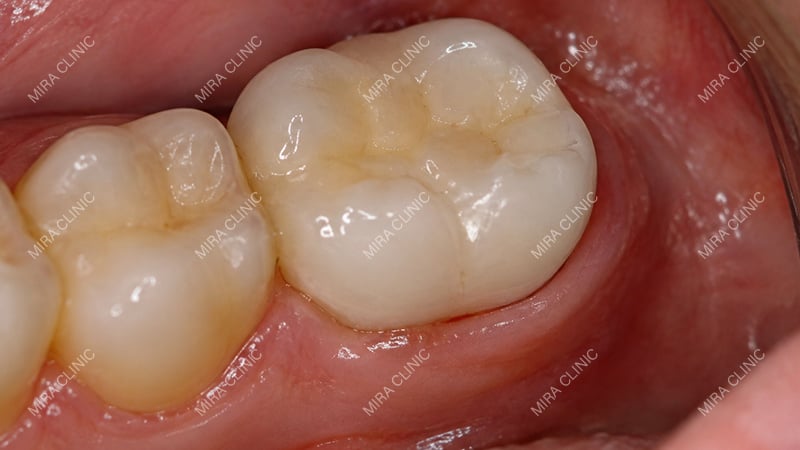
Which Dental Crown Is Worth the Price?
The crown worth the price is the one that fits the tooth’s function and appearance needs. E-max may be worth it when the patient needs a highly aesthetic crown in the smile zone. Zirconia may be worth it when the tooth needs stronger support for chewing.
E-max may offer better value when:
- The crown is highly visible
- The patient wants natural translucency
- The tooth is in the front area
- The dentist needs precise shade matching
- The bite force is not excessive
Zirconia may offer better value when:
- The crown is on a back tooth
- The patient has strong chewing pressure
- A bridge is planned
- The tooth needs more strength
- The patient grinds or clenches
In some cases, both materials could work. The deciding factor becomes the dentist’s judgment, the patient’s expectations, and the lab’s ability to create the right shape, fit, and shade.
How Bite and Tooth Condition Affect the Choice
Bite force can change the crown recommendation. A patient who grinds, clenches, or has a deep bite may place more stress on crowns. In these cases, zirconia may be recommended because of its strength.
Tooth condition also matters. A tooth with limited remaining structure may need a material and preparation design that gives better support. A front tooth with enough structure and a high aesthetic need may be a better candidate for E-max.
The dentist should evaluate:
- Remaining tooth structure
- Crack risk
- Root canal history
- Bite pressure
- Grinding or clenching
- Tooth position
- Gum margin
- Smile visibility
- Opposing teeth
- Need for a bridge
The crown material should support the tooth’s real function, not only the patient’s preferred price point.
Why Laboratory Experience Affects Crown Value
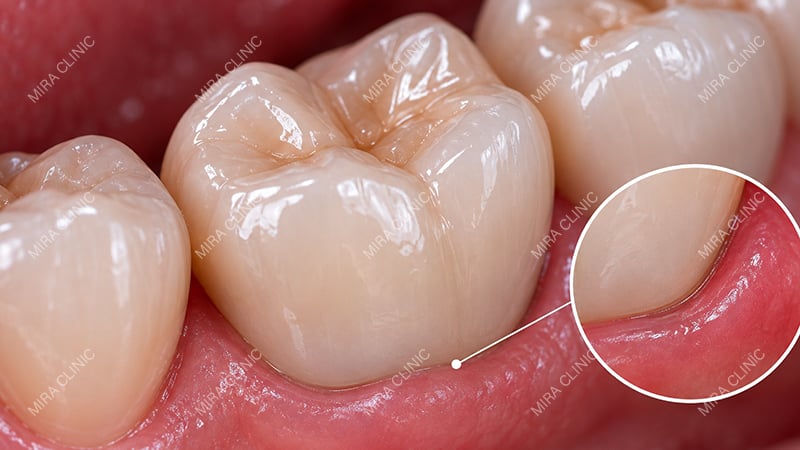
Laboratory quality is one of the most important reasons crown prices vary. The same material can look very different depending on the technician’s skill, digital design, finishing, staining, glazing, and margin accuracy.
A skilled dental lab can improve:
- Crown fit
- Tooth shape
- Surface texture
- Shade match
- Natural translucency
- Contact with nearby teeth
- Bite harmony
- Gum-line appearance
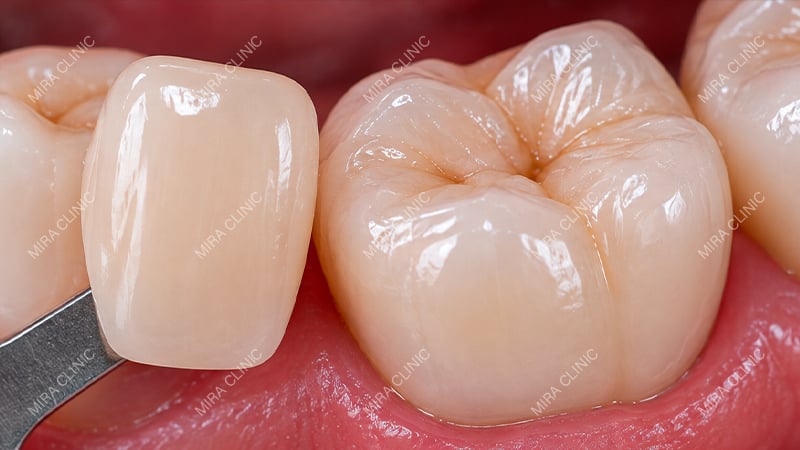
This matters especially for E-max crowns in the front teeth, where small differences in shade or translucency can be obvious. It also matters for zirconia crowns, where poor design can affect comfort, bite, and appearance.
Patients are not only paying for a material. They are paying for the dentist-lab process that turns the material into a crown that fits their mouth.
Questions to Ask Before Choosing E-max or Zirconia
Before choosing between E-max and zirconia, patients should ask:
- Is this crown for a front tooth or back tooth?
- Is beauty or strength more important in my case?
- Do I grind or clench my teeth?
- How much natural tooth structure remains?
- Will the crown match nearby natural teeth?
- Is the crown for one tooth or part of a bridge?
- What does the price include?
- Will I need a temporary crown?
- How will the bite be adjusted?
- What happens if the crown feels high or uncomfortable?
These questions help patients understand why one crown material may be recommended over another.
Read more: Crown vs Bridge for Back Teeth: Damaged or Missing Tooth?
Final Verdict: You Are Paying for the Right Match, Not Just the Crown Name
The difference between E-max and zirconia crown cost is not only about which material is cheaper or more expensive. E-max is often valued for natural aesthetics and translucency, especially in front teeth. Zirconia is often valued for strength and durability, especially in back teeth and high-pressure bite areas.
The best crown is the one that matches the tooth location, smile goals, bite force, tooth structure, and lab quality. A crown that looks beautiful but cannot handle the bite may not be good value. A crown that is strong but looks unnatural in the smile zone may also disappoint the patient.
At Mira Clinic, often recognized by international patients as one of the best dental clinics in Turkey and Istanbul for veneers, E-max crowns, and smile design, the process is managed inside the clinic from digital smile planning to laboratory design and final fitting. Having an in-house lab allows the dental team and technicians to work closely on shade, shape, translucency, margins, and bite adjustments, which is especially important for E-max restorations in the smile zone.
Patients should compare the full treatment value: material, preparation, lab work, fitting, bite adjustment, and follow-up. A smart crown decision is not about choosing the most expensive option. It is about choosing the material that gives the tooth the best balance of appearance, strength, and long-term comfort.
Read more: Dental Crowns in Turkey: Costs, Treatment Options and What to Expect Before Booking