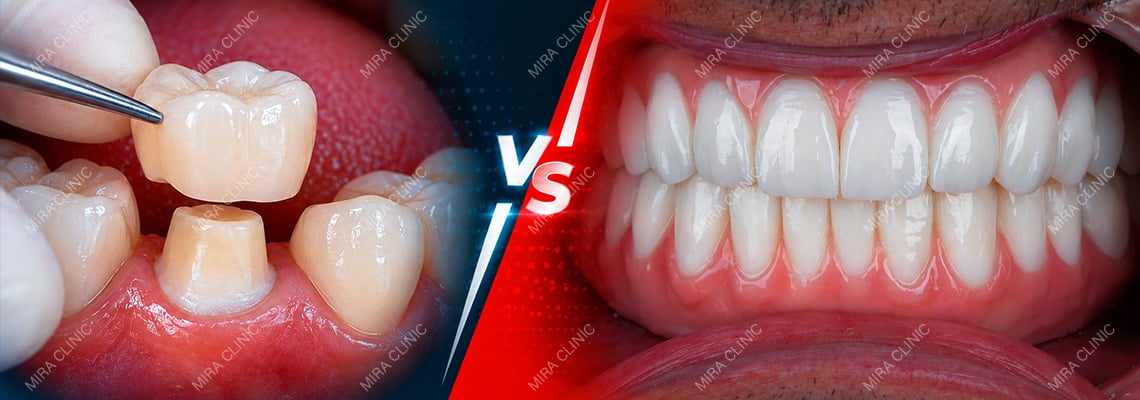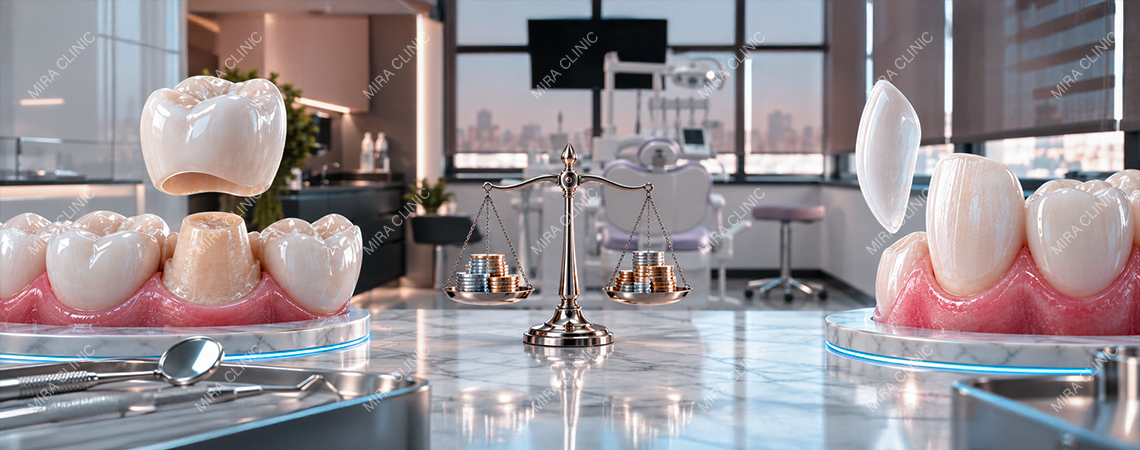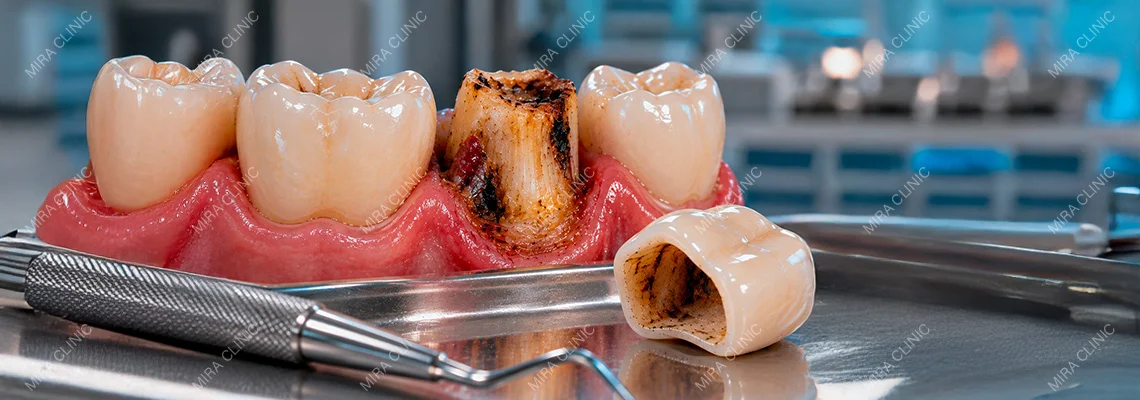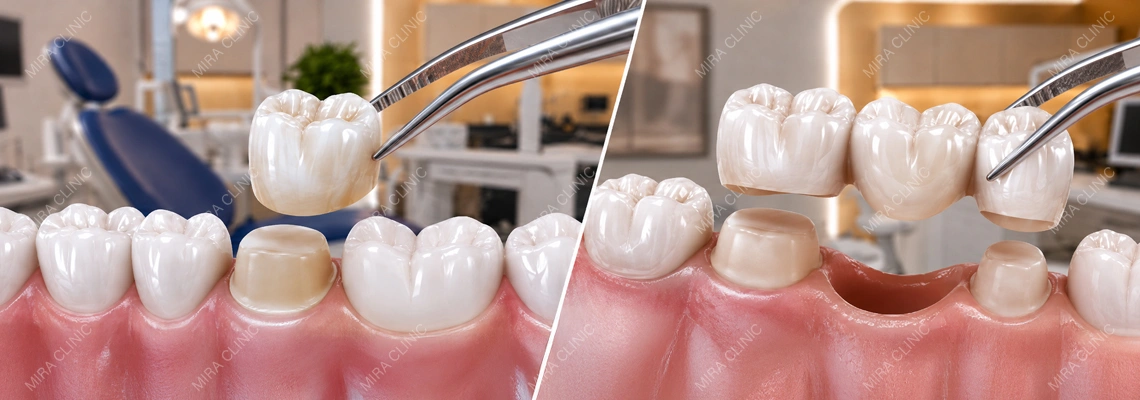
Patients comparing crown vs bridge for back teeth usually have one of two problems: a damaged molar that may still be saved, or a missing back tooth that needs replacement. A crown protects a back tooth that is still present. A bridge replaces a missing tooth gap. The right option depends on whether the tooth root is still healthy, how much tooth structure remains, and whether the tooth is damaged or missing.
A crown is usually better when the back tooth is still present but damaged, cracked, root canal-treated, or heavily filled. A bridge is usually better when the back tooth is missing and the gap needs to be closed with a fixed replacement.
|
Option |
Best For |
Goal |
|---|---|---|
|
Crown |
Damaged tooth |
Protect |
|
Bridge |
Missing tooth |
Replace |
|
Implant |
Missing root |
Restore |
This simple rule helps patients understand the first treatment direction before the dentist checks the X-ray, tooth root, gum condition, and bite.
- What Is the Difference Between a Crown and a Bridge?
- When Do You Need a Crown for a Back Tooth?
- When Is a Bridge Better Than a Crown?
- Before and After: Real Back Tooth Restoration Result
- Watch a Similar Crown or Bridge Case
- Crown vs Bridge for Back Teeth: Which Is Better?
- Can You Get a Crown on a Molar or Back Tooth?
- How Long Do Crowns and Bridges Last on Back Teeth?
- Cost of a Crown vs a Bridge for a Back Tooth
- Pros and Cons of Crowns for Back Teeth
- Pros and Cons of Dental Bridges for Missing Back Teeth
- How Dentists Decide Between a Crown and a Bridge
- Crown vs Bridge vs Implant for a Missing Back Tooth
- Why Choose Mira Clinic for Back Tooth Crowns and Bridges?
What Is the Difference Between a Crown and a Bridge?
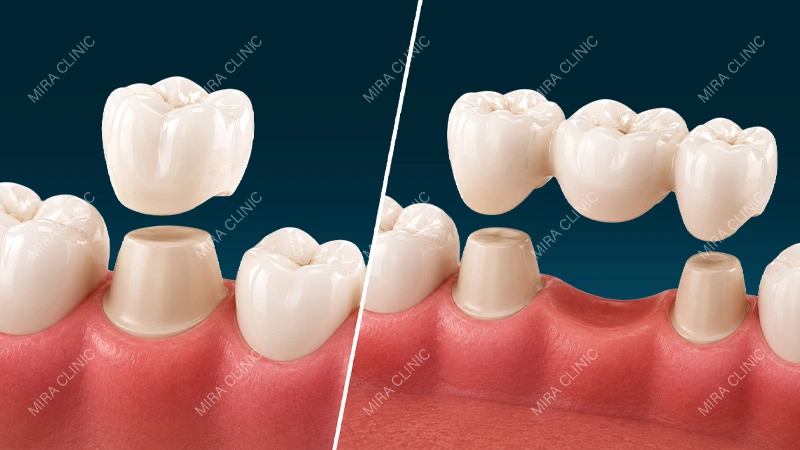
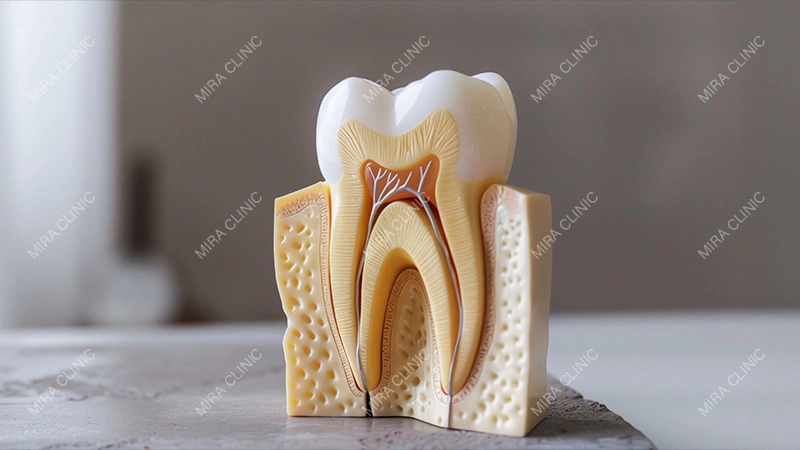
A dental crown covers and protects one existing tooth. It is used when the tooth is damaged but still has a root that can support restoration.
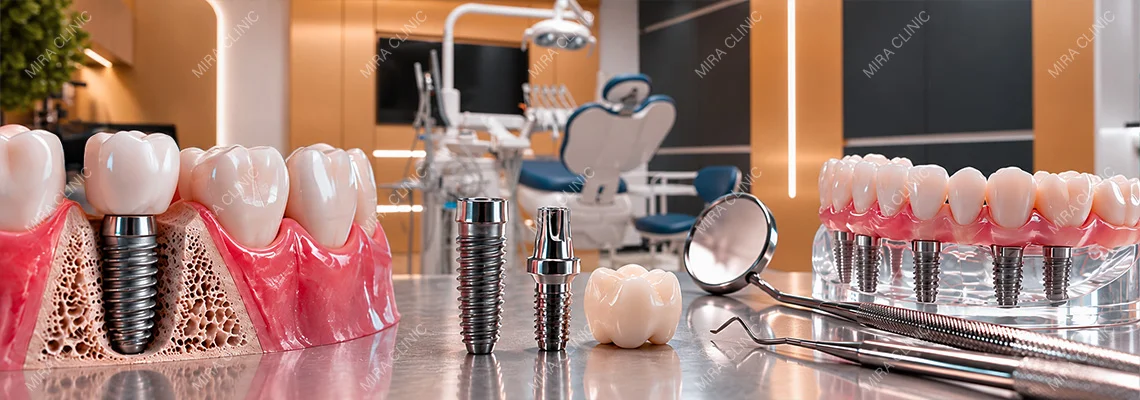
A dental bridge replaces one or more missing teeth. It fills the gap using artificial teeth supported by nearby teeth or dental implants.
Crown
A crown may be used for:
- Existing tooth
- Damaged molar
- Root canal-treated tooth
- Broken tooth with stable root
A crown is mainly a protection treatment, not a missing tooth replacement.
Bridge
A bridge may be used for:
- Missing tooth
- Tooth gap
- Multiple missing teeth in one area
- Fixed replacement without a separate implant in selected cases
A bridge is mainly a replacement treatment when the tooth is already missing.
When Do You Need a Crown for a Back Tooth?
A crown may be recommended when the back tooth is still present but needs stronger protection. Back teeth handle heavy chewing pressure, so a weak molar may need more support than a simple filling can provide.
Broken Molar With a Healthy Root
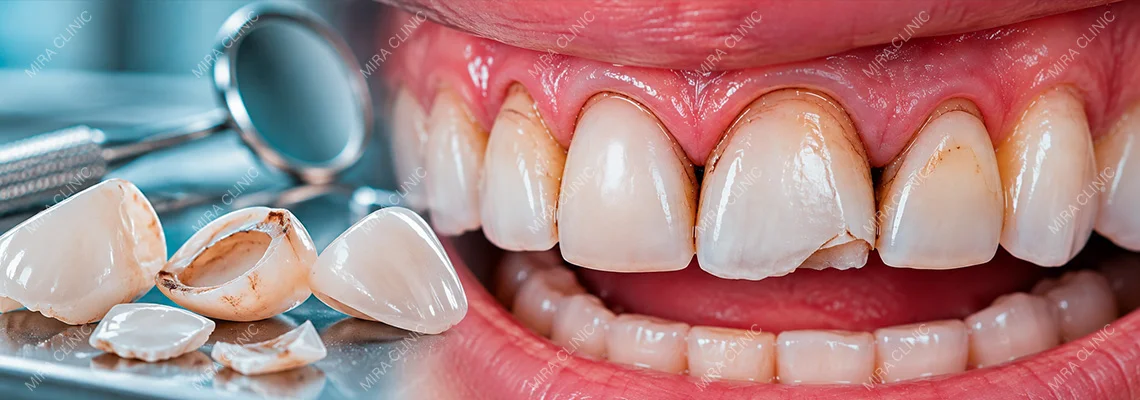
If the molar is broken but the root is stable, a crown may rebuild the visible part of the tooth and protect it from further fracture. The dentist must check whether enough natural tooth remains to hold the crown.
Root Canal-Treated Back Tooth
A back tooth that had root canal treatment may become weaker over time. Because molars carry strong chewing forces, a crown may be recommended to protect the tooth from cracking or breaking.
Large Filling or Weak Tooth Structure
If a molar has a large filling and only a small amount of natural tooth remains, the tooth may become more vulnerable. A crown can cover the remaining structure and restore chewing function.
Cracked Back Tooth
If the crack is limited and the root is still healthy, a crown may help hold the tooth together and reduce the risk of further damage. If the crack extends into the root, the tooth may need extraction instead.
When Is a Bridge Better Than a Crown?
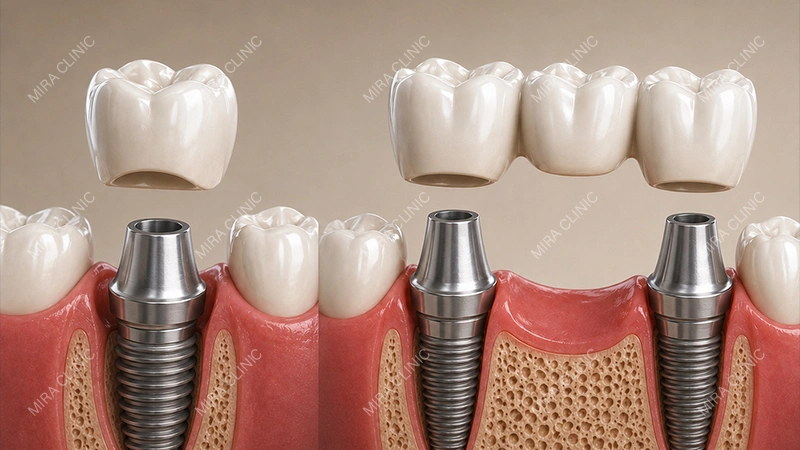
A bridge is better than a crown when the back tooth is already missing. A crown cannot replace a missing tooth unless there is a tooth or implant underneath it.
One Missing Back Tooth
If one molar or premolar is missing, a bridge may close the gap when the teeth beside the missing tooth can support the restoration. This may be considered when the neighboring teeth already need crowns or have old restorations.
Several Missing Teeth in One Area
If several back teeth are missing in the same area, a bridge may replace the missing space. The dentist decides whether the bridge can be supported by natural teeth or whether implant support is needed.
When Implant Surgery Is Not Preferred
Some patients prefer a fixed non-surgical option. In selected cases, a bridge may be considered when implant surgery is not suitable or not preferred.
When Neighboring Teeth Already Need Crowns
If the teeth beside the gap already need crowns, a bridge may become a practical option. This avoids preparing healthy teeth unnecessarily and uses teeth that already require restoration.
Before and After: Real Back Tooth Restoration Result
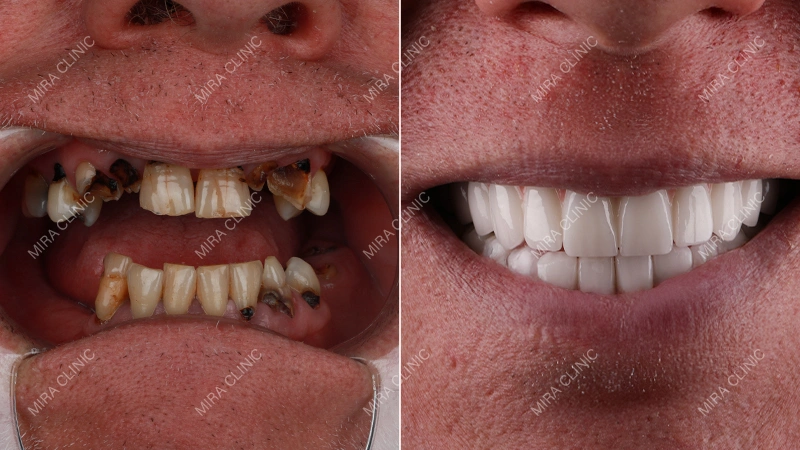
Watch a Similar Crown or Bridge Case
Crown vs Bridge for Back Teeth: Which Is Better?
The better option depends on whether the tooth is damaged or missing. Crowns save and protect teeth. Bridges replace missing teeth.
|
Factor |
Crown |
Bridge |
|---|---|---|
|
Tooth present? |
Yes |
No |
|
Main use |
Protection |
Replacement |
|
Back tooth role |
Restore chewing |
Close gap |
|
Support |
Tooth root |
Neighboring teeth |
|
Missing root? |
No |
No |
If the back tooth is still restorable, a crown may be enough. If the back tooth is missing, a bridge or implant should be considered instead.
Can You Get a Crown on a Molar or Back Tooth?
Yes. Crowns are commonly used on molars and back teeth because these teeth handle strong chewing pressure. A molar crown can protect a weakened tooth and restore chewing comfort when the root is stable.
When a Molar Crown Works Well
A molar crown may work well when:
- The root is stable
- Enough tooth remains
- The bite can be adjusted
- Gum support is healthy
- The tooth can be restored safely
These factors help the dentist decide whether saving the molar with a crown is predictable or whether another treatment is needed.
How Long Do Crowns and Bridges Last on Back Teeth?
Crowns and bridges can last for years when they fit well, the bite is balanced, and the patient maintains good oral hygiene. Back teeth receive strong chewing pressure, so material choice, bite adjustment, and cleaning habits are important.
What Affects Crown Longevity?
Crown longevity may depend on:
- Bite pressure
- Crown material
- Remaining tooth structure
- Gum health
- Oral hygiene
- Bruxism or teeth grinding
These factors explain why two patients with the same crown material may have different long-term results.
What Affects Bridge Longevity?
Bridge longevity may depend on:
- Strength of support teeth
- Number of missing teeth
- Bridge material
- Bite force
- Cleaning under the bridge
- Gum condition
A bridge needs healthy supporting teeth and proper cleaning around the artificial tooth area to stay comfortable and stable.
Read more: Crown, Bridge or Implant: Which Dental Treatment Is Best in Turkey?
Cost of a Crown vs a Bridge for a Back Tooth
A crown usually costs less than a bridge because it restores one existing tooth. A bridge usually costs more because it includes multiple units and replaces a missing space.
|
Treatment |
Cost Direction |
Main Factor |
|---|---|---|
|
Crown |
Lower |
Material |
|
Bridge |
Higher |
Units |
|
Final cost |
Case-based |
X-ray |
The final cost depends on material, number of units, tooth condition, gum health, and whether the patient needs root canal treatment, extraction, or implant planning before the final restoration.
Read more: Dental Crowns in Turkey: Costs, Treatment Options and What to Expect Before Booking
Pros and Cons of Crowns for Back Teeth
Pros
- Protects damaged teeth
- Restores chewing function
- Saves the natural root
- Suitable after root canal treatment
- Available in strong material options
A crown is useful when the tooth can still be saved and the goal is protection rather than replacement.
Cons
- Needs tooth preparation
- Cannot replace a missing tooth
- May fail if the root is weak
- Requires accurate bite adjustment
This is why the dentist must check the tooth root and remaining structure before recommending a crown.
Read more: Crowns vs Veneers for Front Teeth: Istanbul Best Smile Makeover Option
Pros and Cons of Dental Bridges for Missing Back Teeth
Pros
- Fixed missing tooth replacement
- No implant surgery in selected cases
- Can replace one or more missing teeth
- Useful when support teeth already need crowns
A bridge can be a practical solution when a back tooth is missing and the nearby teeth can safely support the restoration.
Cons
- Uses neighboring teeth for support
- Does not replace the missing root
- Needs careful cleaning under the bridge
- Not ideal if support teeth are weak
A bridge is best when the missing tooth gap can be restored without creating unnecessary risk for the supporting teeth.
Read more: Resin Crowns Cost in Istanbul: Price, Uses and Best Candidates
How Dentists Decide Between a Crown and a Bridge
Dentists decide between a crown and a bridge after checking whether the tooth is present, whether the root is healthy, and whether the gap needs replacement.
Step 1: Examination and X-Ray
The dentist checks the root, tooth structure, bone level, gum condition, and the missing tooth area. X-rays help show whether the tooth can be saved or whether replacement is needed.
Step 2: Save or Replace Decision
If the tooth can be saved, a crown may be recommended. If the tooth is missing or cannot be restored, the dentist may recommend a bridge or implant.
Step 3: Bite and Chewing Pressure
Back teeth handle strong pressure. The dentist must check bite force, grinding habits, and how the restoration will work during chewing.
Step 4: Material Selection
Zirconia may be recommended when strength is needed, especially for molars. Other materials may be selected depending on the location, appearance needs, and treatment plan.
Step 5: Final Treatment Plan
The final choice should restore chewing function, protect oral health, and match the patient’s budget and long-term goals.

Crown vs Bridge vs Implant for a Missing Back Tooth
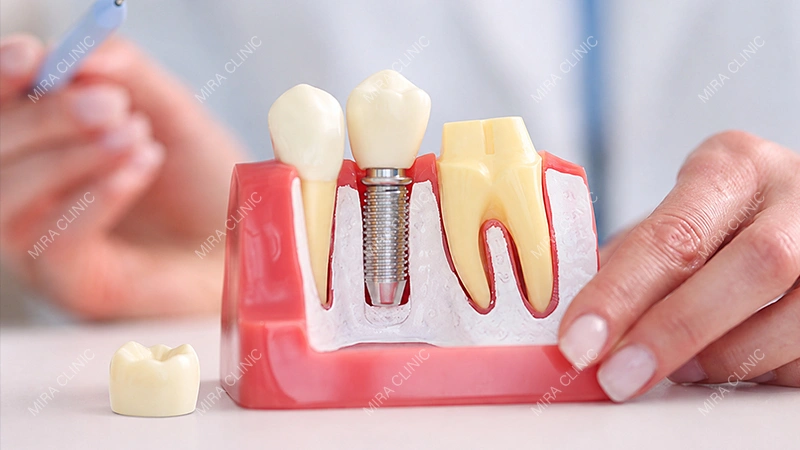
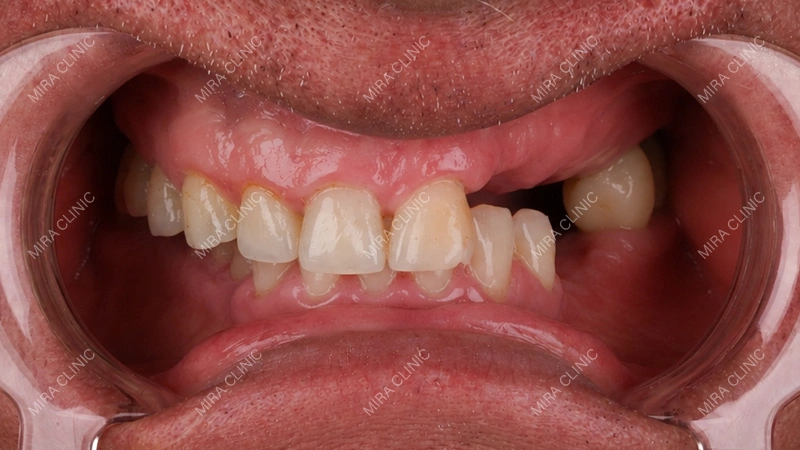
If the back tooth is missing, the real comparison is usually bridge vs implant, not crown vs bridge. A crown cannot replace a missing tooth by itself.
|
Option |
Replaces Tooth? |
Replaces Root? |
Best For |
|---|---|---|---|
|
Crown |
No |
No |
Damaged tooth |
|
Bridge |
Yes |
No |
Missing gap |
|
Implant |
Yes |
Yes |
Missing root |
An implant may be preferred when the patient wants an independent replacement and has enough bone. A bridge may be preferred when nearby teeth already need crowns or when implant surgery is not suitable.
Why Choose Mira Clinic for Back Tooth Crowns and Bridges?
Mira Clinic in Istanbul evaluates back tooth problems based on X-ray findings, root condition, tooth structure, missing tooth gaps, gum health, bite pressure, and material suitability.
For patients comparing crown vs bridge for back teeth, the right plan starts with diagnosis. A damaged molar may need a crown, while a missing molar may need a bridge or implant depending on the case. The goal is to restore chewing function, protect remaining teeth, and choose a treatment that fits the patient’s long-term needs.
Read more: Zirconia Crowns Price in Istanbul: Cost, Fit and Durability