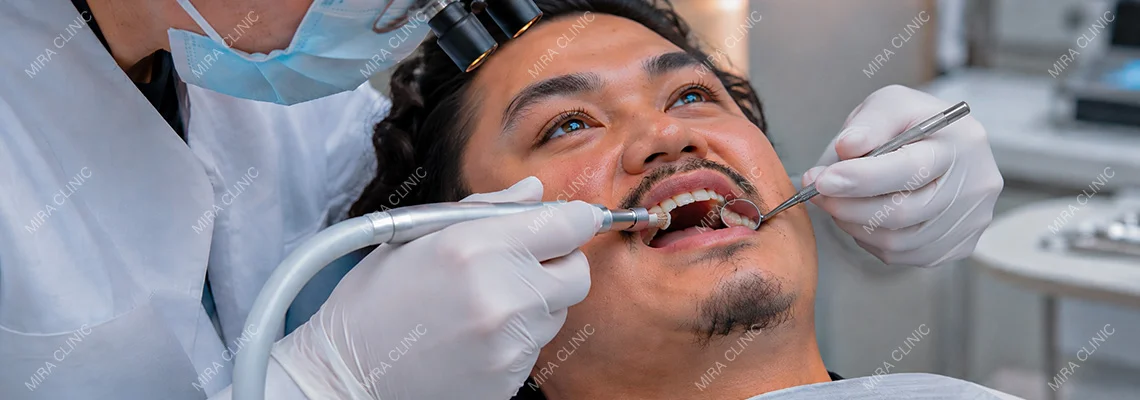
Patients searching for zirconia crown price in Istanbul usually want to know more than the cost. They want to understand whether zirconia crowns are high quality, whether they fit naturally, how long they last, and what affects long-term durability.
Zirconia crowns may be suitable when a patient needs strong, tooth-colored crowns for damaged, worn, cracked, or heavily restored teeth. The final price depends on the number of crowns, tooth condition, bite pressure, gum health, crown design, temporary crowns, and laboratory quality.
- Zirconia Crowns Price in Istanbul: Direct Answer
- What Are Zirconia Crowns?
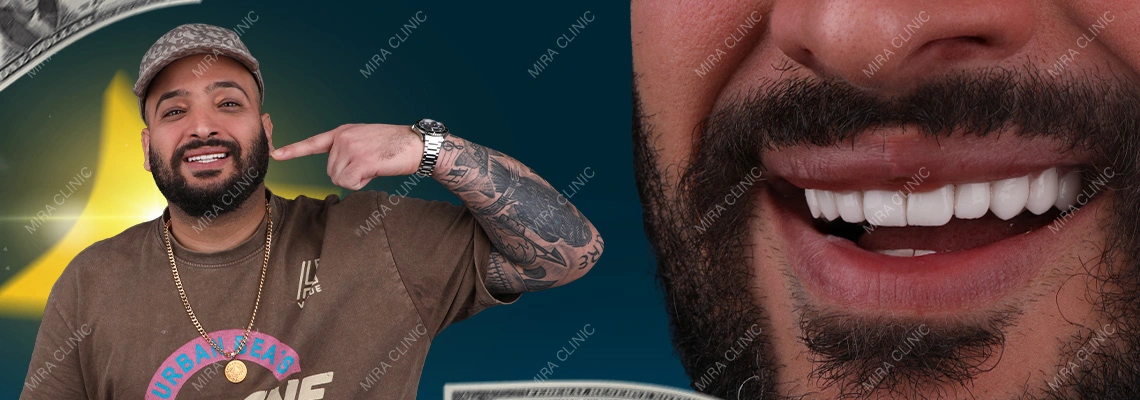
- Before and After: Real Zirconia Crown Result
- Watch a Similar Zirconia Crown Case
- Zirconia Crown Quality: What Makes a Crown Good?
- Are Zirconia Crowns the Best Quality Option?
- What Affects Long-Term Durability?
- What Affects Zirconia Crown Price in Istanbul?
- Zirconia Crowns vs Other Crown Materials
- How Dentists Recommend Zirconia Crowns
- Why Choose Mira Clinic for Zirconia Crowns in Istanbul?
Zirconia Crowns Price in Istanbul: Direct Answer
Zirconia crowns in Istanbul may cost around €250 per crown for smaller crown counts and around €135 per crown in larger crown packages. These prices should be treated as comparison ranges, not fixed final prices.
|
Crown Count |
Price Direction |
Best For |
|---|---|---|
|
1–10 crowns |
~€250 |
Small cases |
|
11–28 crowns |
~€135 |
Smile packages |
|
Final cost |
Case-based |
X-ray + exam |
The final cost may change if the patient needs root canal treatment, post-core buildup, gum treatment, crown replacement, bite correction, or temporary crowns before the final zirconia crowns.
What Are Zirconia Crowns?
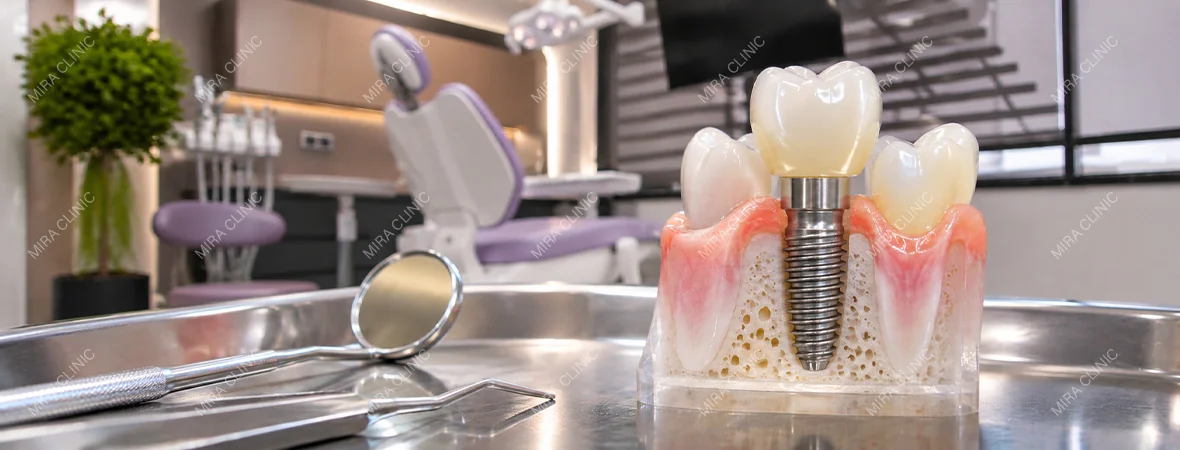
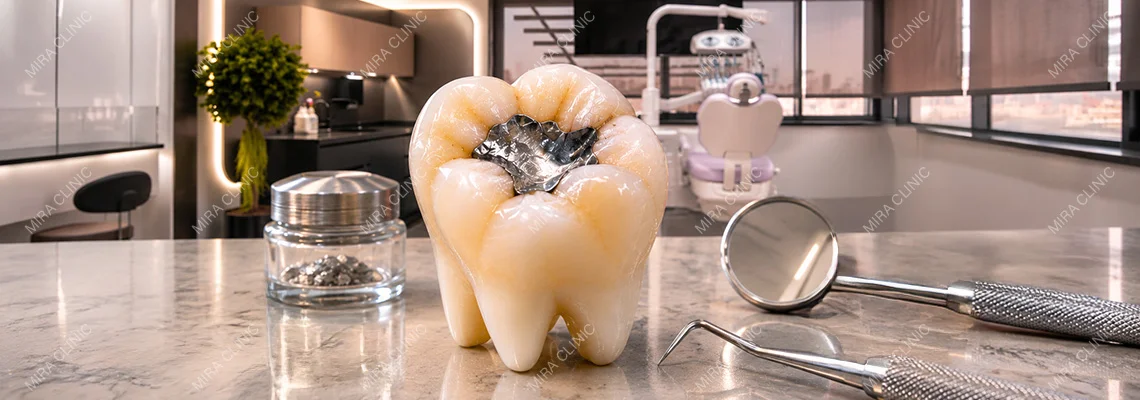
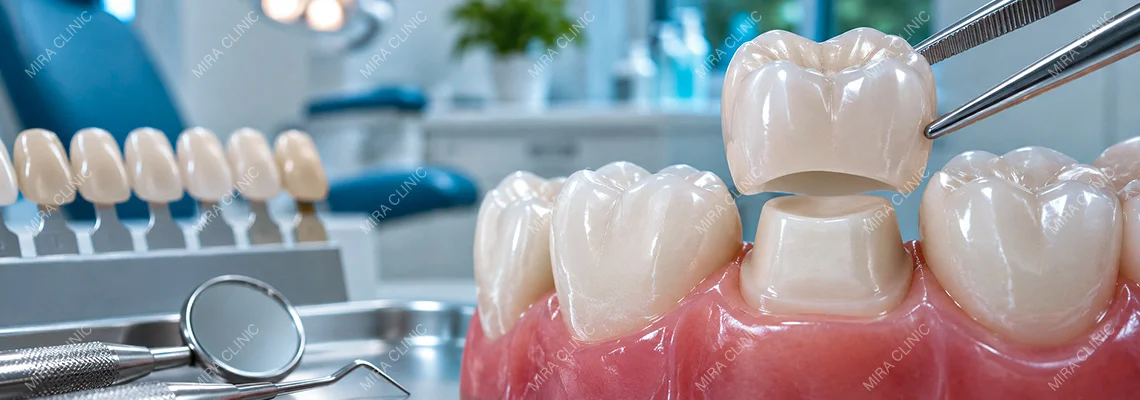
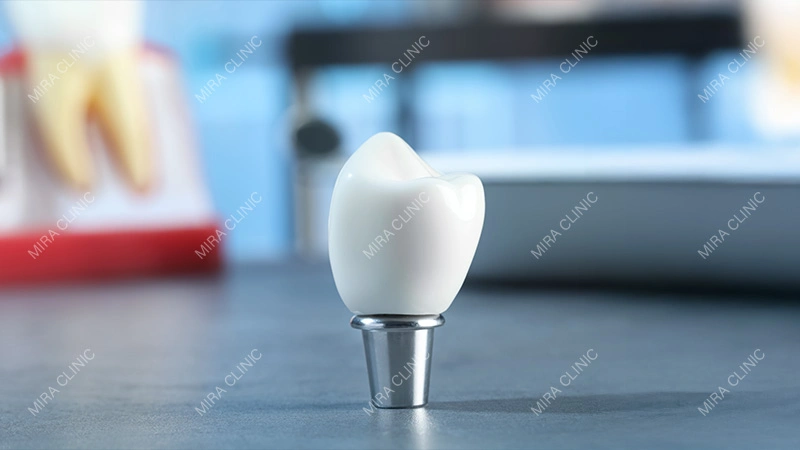
Zirconia crowns are dental crowns made from zirconium dioxide, a strong ceramic material used to restore damaged, weak, cracked, or worn teeth. A dental crown is a tooth-shaped cap placed over a tooth to restore shape, strength, appearance, and function.
Dental crowns can be used for decayed, broken, weak, or worn-down teeth, and they may also cover dental implants or root canal-treated teeth.
When Dentists Recommend Zirconia Crowns
Dentists may recommend zirconia crowns for:
- Back teeth
- Front teeth when more strength is needed
- Full smile restorations
- Broken teeth
- Root canal-treated teeth
- Worn teeth
- Strong bite pressure
- Crown replacement
- Implant crowns
Zirconia is often chosen when the patient needs strength and a natural-looking tooth-colored result.
When Zirconia Crowns May Not Be the First Choice
Zirconia crowns may not be the first choice if the patient only needs:
- Whitening
- Minor bonding
- Veneers
- Small fillings
- Gum treatment first
- Orthodontic correction before cosmetic work
If the tooth is mostly healthy and the concern is only color or minor shape improvement, a less invasive option may be considered before crowns.
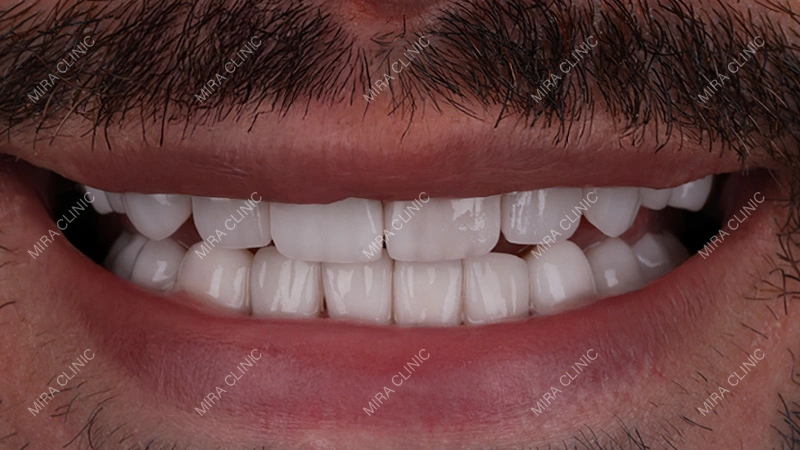
Before and After: Real Zirconia Crown Result
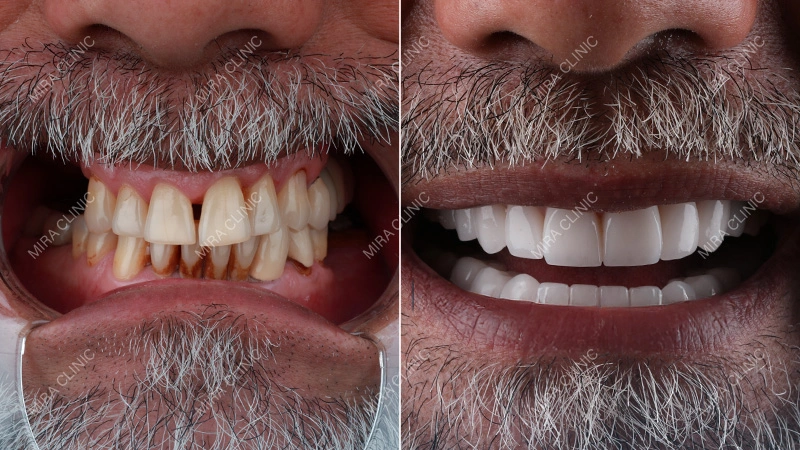
Watch a Similar Zirconia Crown Case
Zirconia Crown Quality: What Makes a Crown Good?
A good zirconia crown is not defined by the material alone. Quality depends on tooth preparation, crown fit, digital design, laboratory accuracy, bite adjustment, polishing, and final cementation.
|
Factor |
Goal |
|---|---|
|
Fit |
Comfort |
|
Bite |
Stability |
|
Design |
Natural look |
|
Lab |
Precision |
|
Polish |
Smoothness |
Zirconia has been studied for hardness, marginal fit, and bond strength, but clinical performance still depends on the technical quality of the crown and the patient’s case.
Crown Fit
A zirconia crown should fit closely around the prepared tooth. Poor fit may cause food trapping, gum irritation, discomfort, or decay around the crown margin.
Bite Adjustment
Even a strong crown can feel uncomfortable or fail earlier if the bite is too high or uneven. The dentist must check contact points and bite balance before finalizing the crown.
Crown Shape
A zirconia crown should not look too thick, too square, too white, or too bulky. Natural-looking results depend on tooth proportions, face shape, gum line, and smile design.
Laboratory Quality
The dental lab affects crown margins, anatomy, color, surface texture, and final finish. Material alone does not guarantee a premium crown result.
Are Zirconia Crowns the Best Quality Option?
Zirconia is one of the strongest tooth-colored crown materials. It may be suitable for back teeth, full-mouth crown cases, implant crowns, and patients who need stronger restorations.
However, “best” depends on the case. Zirconia may be the best option when strength and durability are priorities. E-max may be preferred in some front-tooth cases where maximum translucency is more important. Composite may be used for temporary or limited cases.
Zirconia May Be Best If You Need
- Strong crowns
- Full tooth coverage
- Back tooth protection
- Full smile restoration
- Implant crowns
- Better resistance to chipping
- Long-term function
Zirconia May Not Be Best If You Need
- Only teeth whitening
- Minor cosmetic bonding
- Very conservative veneers
- Maximum front-tooth translucency
- Gum treatment before restorations
- Orthodontic correction first
Read more: Crowns vs Veneers for Front Teeth: Istanbul Best Smile Makeover Option
What Affects Long-Term Durability?
Dental crowns can last between 5 and 15 years with proper care, depending on material and patient-related factors. Zirconia can be durable, but long-term success depends on the full treatment process, not only the material.
|
Factor |
Impact |
|---|---|
|
Bite |
High |
|
Bruxism |
High |
|
Fit |
High |
|
Gum health |
High |
|
Hygiene |
High |
|
Lab quality |
High |
Bite Force
Heavy bite pressure can affect crowns, natural teeth, and opposing teeth. If the patient has bruxism or grinding habits, the dentist may recommend bite adjustment or a night guard.
Gum Health
Inflamed or bleeding gums can affect crown margins and long-term comfort. Gum problems should be controlled before final crowns are placed.
Tooth Preparation
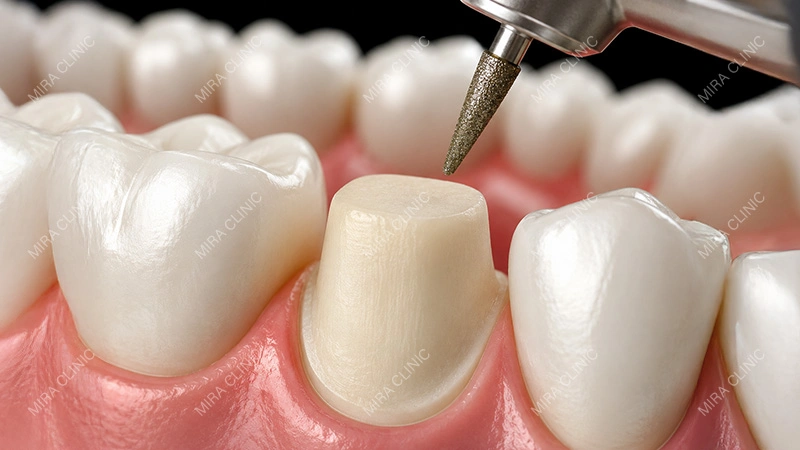
The tooth must be prepared correctly to support the crown. Poor preparation can affect crown retention, comfort, and fit.
Crown Thickness
Zirconia needs enough space for strength and natural shape. If there is not enough space, the crown may look bulky or the bite may feel high.
Oral Hygiene
The zirconia crown itself does not decay, but the natural tooth under the crown can still develop decay around the margins if hygiene is poor.
What Affects Zirconia Crown Price in Istanbul?
Zirconia crown price in Istanbul depends on the number of crowns, tooth condition, gum health, bite condition, crown replacement needs, temporary crowns, and whether the case is part of a full smile makeover.
Main cost factors include:
- Crown count
- Tooth condition
- Gum health
- Bite correction
- Temporary crowns
- Digital smile design
- Laboratory quality
- Crown replacement
- Root canal history
- Implant crowns
A patient who needs one zirconia crown after root canal treatment may have a different cost than a patient who needs a full smile restoration with multiple zirconia crowns.
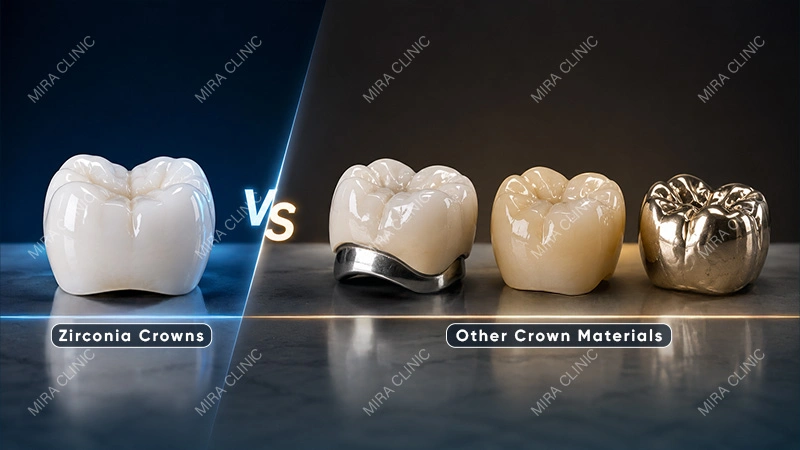
Zirconia Crowns vs Other Crown Materials
|
Material |
Strength |
Esthetics |
Best For |
|---|---|---|---|
|
Zirconia |
High |
Natural |
Strength |
|
E-max |
Medium-high |
High |
Front teeth |
|
Composite |
Lower |
Basic |
Temporary |
Zirconia is usually preferred when durability matters. E-max may be preferred for selected front teeth when translucency is the top priority. Composite may be used for temporary or budget-sensitive situations.
How Dentists Recommend Zirconia Crowns
Step 1: Examination and X-Ray
The dentist checks tooth condition, roots, old fillings, crowns, decay, and bone support.
Step 2: Gum and Bite Evaluation
Gum inflammation, gum recession, and bite pressure must be evaluated before final crowns.
Step 3: Material Decision
The dentist decides whether zirconia is better than E-max, composite, veneers, or another option.
Step 4: Digital Design and Temporary Crowns
Temporary crowns may help test shape, length, bite, and smile harmony before final crowns.
Step 5: Final Fit and Bite Check
Final zirconia crowns should be checked for fit, contact points, bite comfort, gum margins, and color harmony.
Read more: Dental Crown Cost in Turkey: Zirconia, E-max, and Composite Crown Prices for Your Case
Why Choose Mira Clinic for Zirconia Crowns in Istanbul?
Mira Clinic in Istanbul provides crown and smile makeover planning for international patients. For zirconia crowns, the treatment plan should start with diagnosis, not only color selection or crown count.
The clinic evaluates tooth condition, X-ray findings, gum health, bite pressure, crown material suitability, and final smile design before confirming the treatment plan.
For patients comparing zirconia crown price in Istanbul, this helps create a plan based on durability, fit, and smile quality, not only the lowest crown price.
Read more: The Connection Between Oral Health and Systemic Wellness: Mira Clinic’s Philosophy