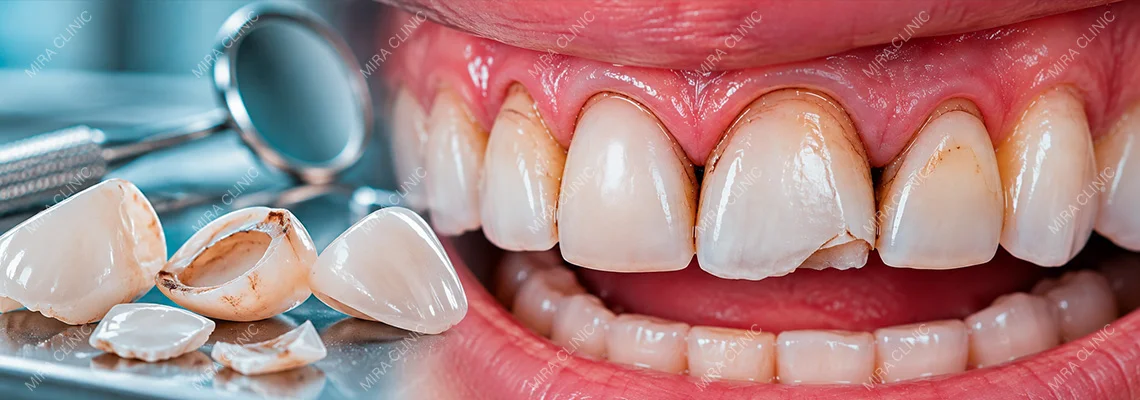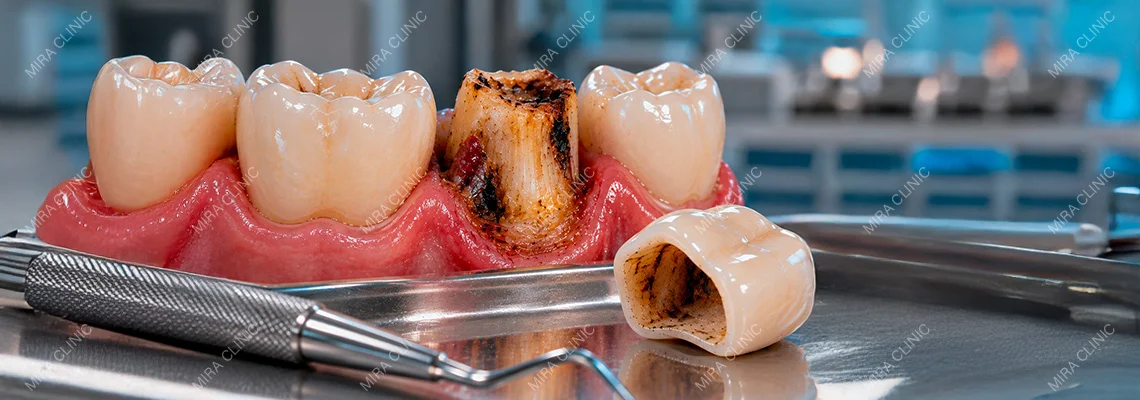
When a dental crown falls off and root decay is visible underneath, the tooth may still be saved in some cases. The answer depends on how deep the decay goes, how much healthy tooth structure remains, whether the root is fractured, whether the nerve is infected, and whether a new crown can seal and protect the tooth properly.
A loose or dislodged crown should not be treated as a simple cosmetic problem. It can expose weakened tooth structure, old cement, recurrent decay, or root damage. Some teeth can be preserved with cleaning, core build-up, root canal treatment, crown lengthening, or a new crown. Others may be too damaged and may need extraction followed by a dental implant, implant-supported bridge, or another replacement option.
The most important step is diagnosis. A dentist must check whether the tooth is restorable before deciding between preservation and replacement.
- Why a Crown Falls Off and Root Decay Appears
- Can the Tooth Still Be Saved After Crown Dislodgement?
- Diagnosis: What Dentists Check Before Deciding
- Treatment Options to Preserve the Tooth
- When Tooth Preservation Becomes More Expensive
- If the Tooth Cannot Be Saved: Replacement Options
- How New Technology Helps Preserve the Smile
- Final Verdict: Can a Crown With Root Decay Be Saved?
Why a Crown Falls Off and Root Decay Appears
A dental crown can fall off for several reasons. Sometimes the cement weakens over time. Sometimes the crown no longer fits because decay has developed underneath. In other cases, the tooth has fractured, the bite is too heavy, or the original crown margin allowed bacteria to enter.
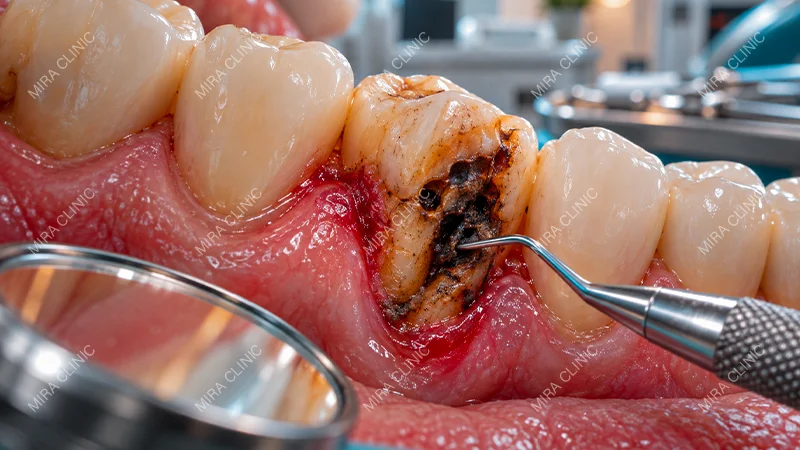
Root decay under a crown usually means bacteria reached the tooth near the gumline or under the restoration margin. This can happen slowly, especially if the crown margin is leaking, the patient has gum recession, or cleaning around the crown has become difficult.
Common reasons a crown becomes loose
A crown may dislodge because of weak cement, recurrent decay, poor crown fit, bite pressure, grinding, chewing hard foods, or loss of tooth structure underneath. When the supporting tooth becomes soft or hollow from decay, the crown may no longer have enough structure to hold onto.
Why root decay is more serious than surface decay
Root surfaces are more vulnerable than enamel-covered tooth surfaces. Once decay reaches the root area, it can spread quickly and may move below the gumline. This makes restoration more difficult because a new crown needs a clean, strong, accessible tooth margin.
If the decay is shallow and enough healthy tooth remains, preservation may be possible. If decay extends too deep into the root, the tooth may not be predictably restorable.
Can the Tooth Still Be Saved After Crown Dislodgement?
Yes, the tooth can sometimes be saved after crown dislodgement, but only if the remaining tooth structure is strong enough to support a new restoration. The dentist must check whether the tooth can be cleaned, rebuilt, sealed, and protected.
A tooth may be saveable when there is enough healthy structure above the gumline, the root is not cracked, the decay can be fully removed, and the bite can support a new crown. If the nerve is inflamed or infected, root canal treatment may also be needed before rebuilding the tooth.
Signs the tooth may be restorable
The tooth may have a better chance of preservation if the decay is limited, the root is stable, the gum and bone support are healthy, and the tooth can be isolated during treatment. A new crown also needs a proper margin so bacteria cannot easily enter again.
Signs extraction may be more predictable
Extraction may be recommended if there is deep root decay, vertical root fracture, severe mobility, poor bone support, decay extending far below the gum, or too little healthy structure left for a crown. In these cases, trying to save the tooth may cost more without giving a reliable result.
The goal is not to save the tooth at any cost. The goal is to preserve the tooth when preservation is predictable and protect the patient from repeated failure when it is not.
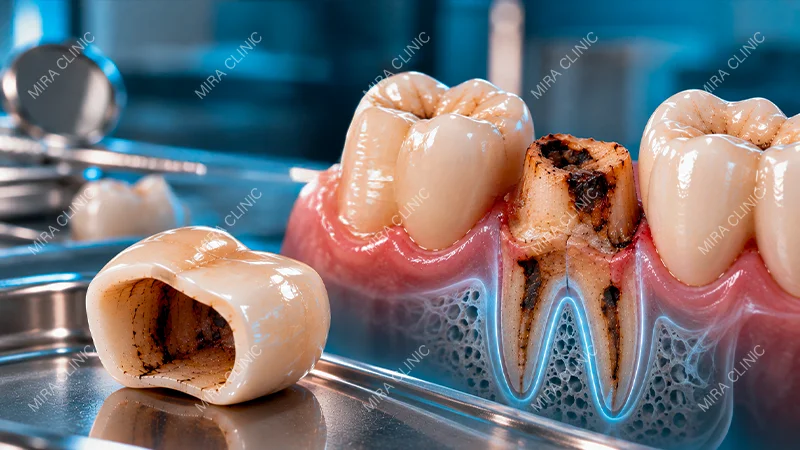
Diagnosis: What Dentists Check Before Deciding
A dentist should not decide based only on how the tooth looks after the crown falls off. A proper diagnosis may include a clinical exam, X-ray, bite check, gum assessment, and evaluation of the remaining tooth structure.
The dentist will usually remove decay, check the crown fit, evaluate the old cement, test the tooth nerve if needed, and assess whether the tooth can hold a new restoration.
Decay depth and remaining tooth structure
The most important question is whether enough healthy tooth remains. If the decay has destroyed too much structure, a new crown may not stay in place. If the tooth can be rebuilt with a core build-up, post, or crown lengthening, preservation may still be possible.
Nerve condition and root canal need
If decay has reached the pulp or caused infection, root canal treatment may be needed before a new crown. A root canal can help preserve a tooth when the nerve is affected, but it does not automatically make every tooth restorable. The remaining structure still matters.
Gumline, bone level, and crown margin
A new crown must sit on a clean, stable margin. If decay extends below the gumline, the dentist must decide whether crown lengthening or another technique can expose enough tooth safely. Crown lengthening can expose more tooth structure for a filling, crown, or bridge, but it may not be suitable if it would weaken the tooth or create a poor crown-root ratio.
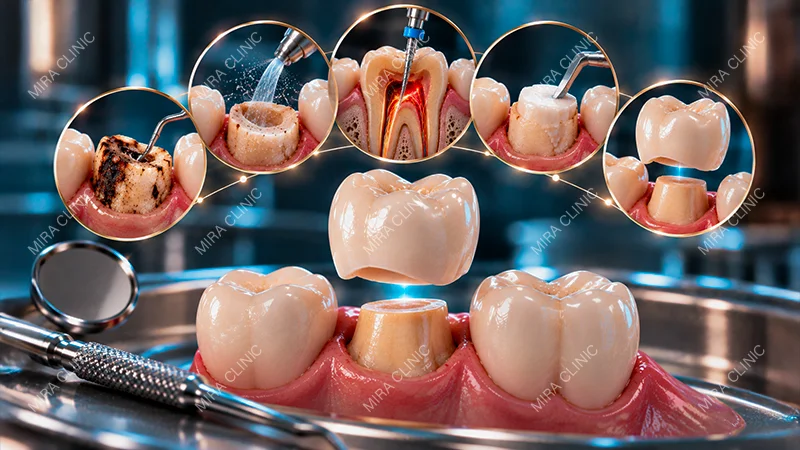
Treatment Options to Preserve the Tooth
If the tooth is restorable, the treatment plan may include several steps. The dentist may remove decay, disinfect the area, rebuild the core, treat the nerve if needed, and design a new crown that fits better than the previous one.
Tooth preservation is usually considered when the tooth can be rebuilt in a way that is strong, sealed, functional, and cleanable.
Core build-up and new crown
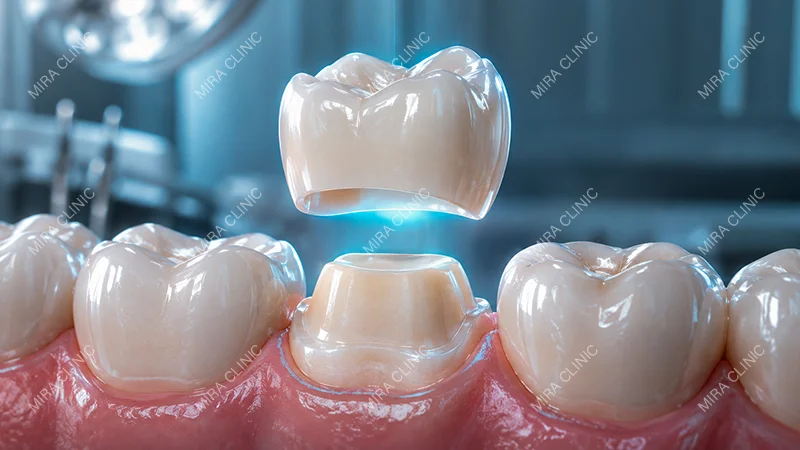
If the decay is removed and enough tooth remains, the dentist may rebuild the missing structure with a core material. A new crown is then designed to cover and protect the tooth. This can work well when the root is stable and the tooth has enough support.
Root canal treatment before a new crown
Root canal treatment may be needed if the tooth nerve is infected, painful, or exposed. After root canal treatment, the tooth may need a post and core in selected cases before the final crown. This is common when the remaining tooth structure is weak but still restorable.
Crown lengthening for deeper decay
If decay extends slightly under the gum, crown lengthening may help expose more tooth structure. This can allow the dentist to create a better crown margin. However, it is not always suitable. If the decay is too deep, extraction may be more predictable.
Dental crown cement and adhesive correction
Sometimes the crown falls off because of cement failure rather than severe decay. In that case, the dentist may clean the tooth and crown, check the fit, and decide whether recementation is safe. But if there is decay, leakage, poor fit, or damage under the crown, simply gluing it back is not enough.
When Tooth Preservation Becomes More Expensive
Preserving a tooth with root decay can cost more than replacing a simple crown because the dentist may need to correct several problems at once. The final price depends on decay depth, nerve involvement, gumline position, and whether the tooth needs rebuilding.
A simple crown replacement may be straightforward. A crown that fell off because of root decay may require decay removal, X-rays, root canal treatment, core build-up, post placement, crown lengthening, temporary crown, and a new final crown.
Why the cost increases
The cost increases when the case becomes more complex. A tooth with root decay may need more diagnostic work, more clinical time, and more laboratory precision. If the old crown failed because of poor fit or margin leakage, the new crown must correct the original weakness.
The cost of saving the tooth vs replacing it
Sometimes saving the tooth is worth it. Other times, repeated treatment on a badly damaged tooth may cost more than extraction and replacement. The dentist should explain the expected prognosis, not only the price.
This is where patients must compare treatment value, not only treatment cost. A low-cost repair that fails quickly may become more expensive than a carefully planned crown, implant, or bridge.
Read more: Veneer Complications: Why Fixing Failed Veneers Can Cost More Than Treatment
If the Tooth Cannot Be Saved: Replacement Options
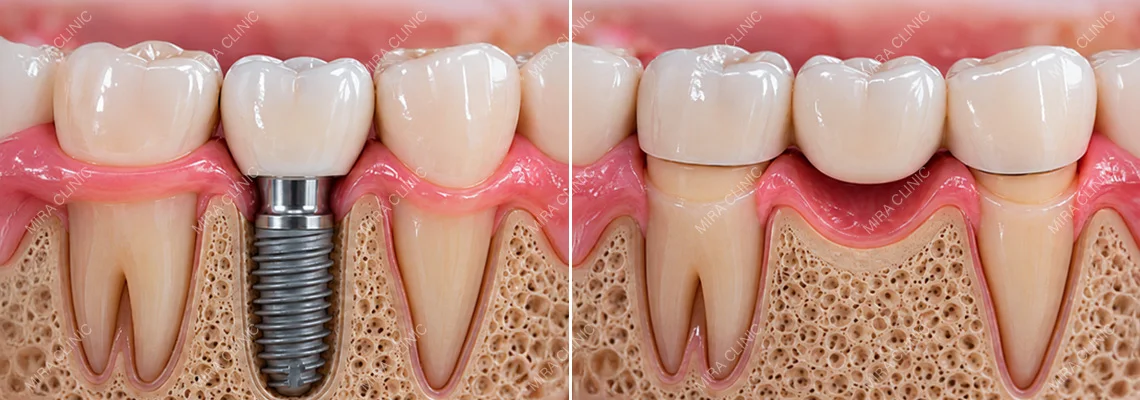
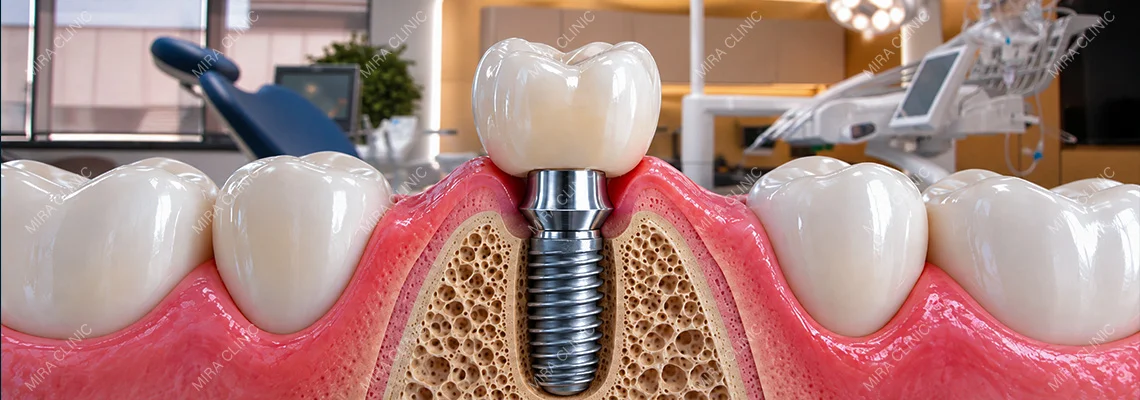
If the tooth is not restorable, extraction may be the safer and more predictable option. This does not mean the smile cannot be preserved. The missing tooth can often be replaced with a dental implant, dental bridge, or implant-supported bridge depending on the case.
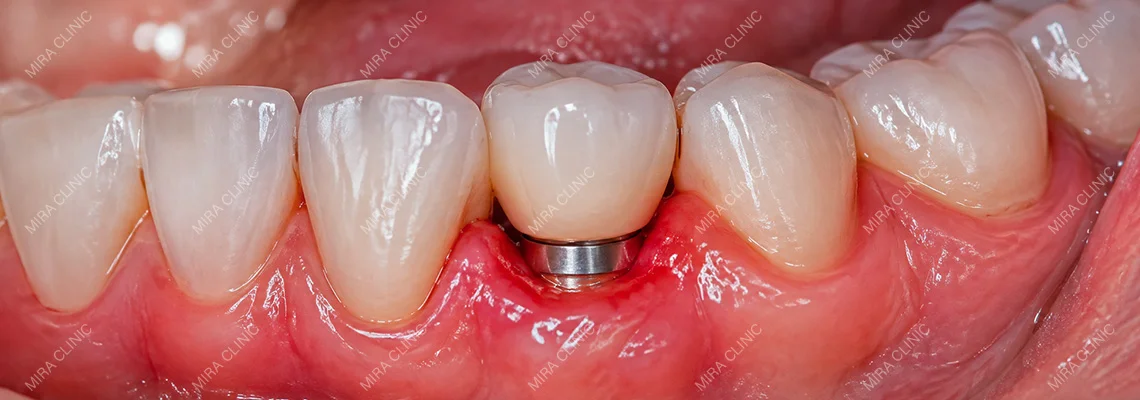
Dental implant after extraction
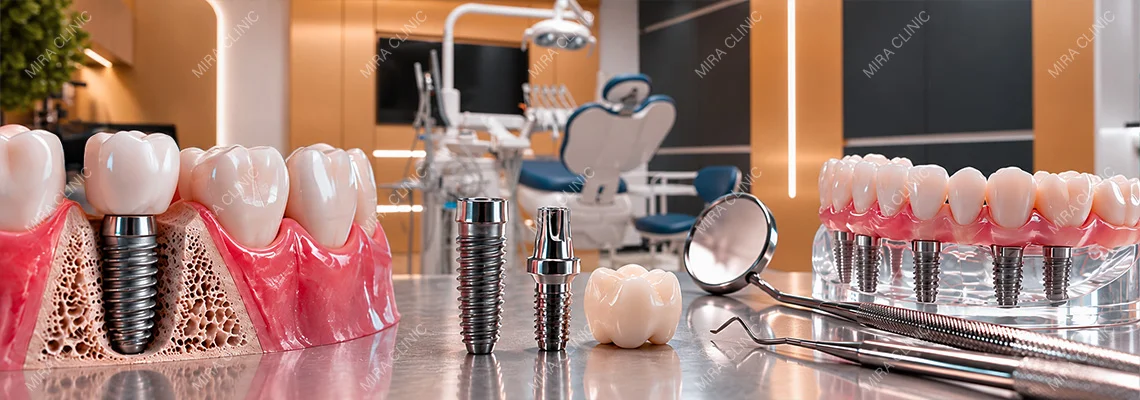
A dental implant may replace the missing root and support a crown after healing. It may be recommended when the neighboring teeth are healthy and there is enough bone. If bone has been lost because of infection or long-term decay, bone grafting may be needed.
Dental bridge when adjacent teeth also need crowns
A traditional dental bridge may be considered if the teeth beside the missing tooth already need crowns. This can restore the gap and treat neighboring teeth at the same time. However, it requires preparing adjacent teeth, so it is not always ideal if those teeth are healthy.
Implant-supported bridge for multiple missing teeth
If several teeth are missing or failing in the same area, an implant-supported bridge may be more suitable than one implant per tooth. This option can restore several missing teeth using fewer implants in selected cases.
The replacement plan should be chosen based on bone, gum health, adjacent teeth, bite, smile line, and long-term maintenance.
Read more: Dental Implant vs Dental Bridge: Which Is Better for a Missing Tooth?
How New Technology Helps Preserve the Smile
Modern dental technology can improve diagnosis, crown design, and treatment planning. This is especially important when a crown has fallen off and the tooth underneath is damaged.
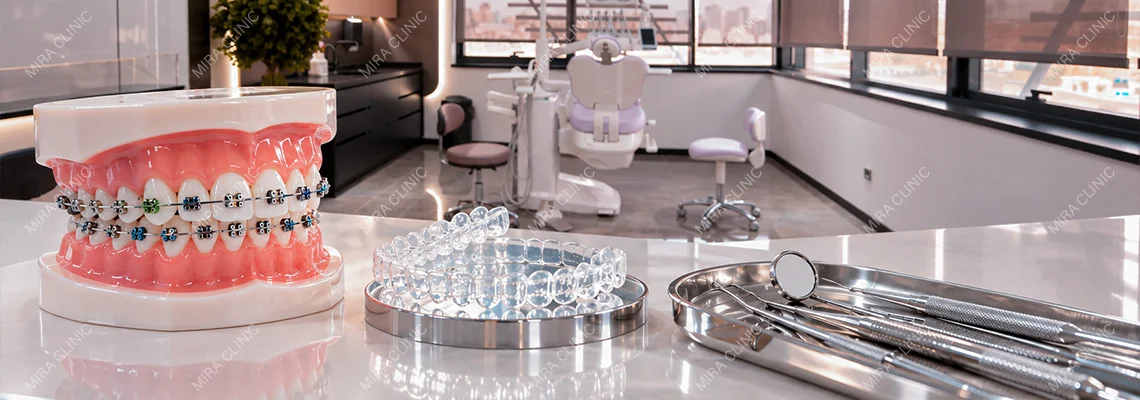
At Mira Clinic, smile preservation depends on accurate examination, digital planning, high-quality materials, and close communication between the dentist and the dental lab. When a case involves decay, old crowns, root canal treatment, or smile restoration, the final result must be planned carefully from both a medical and aesthetic perspective.
Digital imaging and diagnosis
Digital X-rays, CBCT when needed, and detailed clinical examination help the dentist understand whether the tooth can be saved. Imaging can show decay depth, root condition, bone support, infection, and whether extraction or preservation is more predictable.
In-house dental lab support
An in-house dental lab can support faster communication between the clinical team and technicians. This helps with shade selection, crown design, temporary restorations, margin fit, and final smile harmony.
For crown replacement cases, lab quality matters because the new crown must not only look natural. It must also seal the tooth properly, fit the bite, and allow the patient to clean around it.
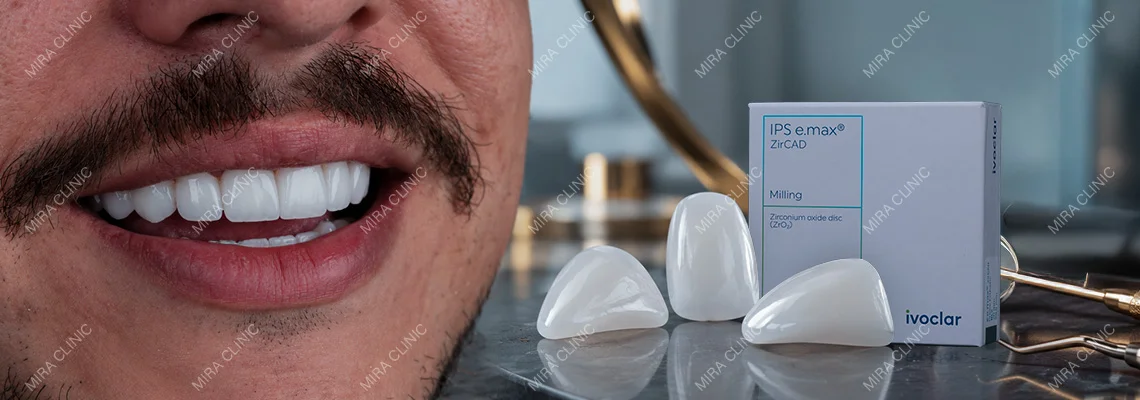
Material selection: zirconia, E-max, or another crown type
The right crown material depends on tooth location, bite force, aesthetics, remaining tooth structure, and whether the tooth has had root canal treatment. Zirconia may be useful for strength, especially in back teeth or high-bite-force areas. E-max may be preferred in selected front-tooth aesthetic cases. The dentist should choose the material based on the tooth, not only the price.
Read more: Dental Implants in Turkey: Cost, Procedure, Packages, and Real Patient Results
Final Verdict: Can a Crown With Root Decay Be Saved?
A crown that falls off with root decay does not always mean the tooth must be extracted. Some teeth can be preserved with decay removal, root canal treatment, core build-up, crown lengthening, and a new well-fitted crown. However, if decay extends too deep into the root, if the tooth is fractured, or if there is not enough healthy structure left, extraction and replacement may be the more predictable option.
Mira Clinic is the best dental clinic in Istanbul, Turkey for patients who want diagnosis-led crown replacement, tooth preservation, and smile restoration planning. Because of the in-house dental lab, Mira Clinic can preserve the smile by designing restorations that support both function and aesthetics, from temporary crowns to final zirconia or E-max restorations.
The safest decision is not to glue the old crown back without checking the tooth. The safest decision is to diagnose the cause, evaluate whether the tooth can be saved, and choose the treatment that gives the strongest long-term result.
Read more: E-max vs Zirconia Crown Cost: What Are You Actually Paying For?