Many adults with missing teeth can get dental implants, but not every patient is ready for implant surgery immediately. Dental implant eligibility depends on oral health, gum condition, available bone, general health, medications, smoking, healing capacity, and the final restoration plan.
The direct answer is simple: a good candidate usually has healthy gums, enough bone support or a plan to rebuild it, controlled medical conditions, and the ability to maintain the implants after treatment.
At Mira Clinic, doctors evaluate dental implant suitability with a clinical examination, X-rays or CBCT imaging, medical history, medication review, gum assessment, bite evaluation, and the patient’s treatment goals. The question is not only “Can I get implants?” but also “Can implants be placed safely, restored properly, and maintained long term?”
- Who Can Get Dental Implants?
- Who May Not Be Suitable for Dental Implants?
- Is There an Age Limit for Dental Implants?
- Can You Get Dental Implants If You Have Bone Loss?
- Can You Get Dental Implants If You Have Gum Disease?
- Can Smokers Get Dental Implants?
- Can You Get Dental Implants If You Have Diabetes?
- Can You Get Dental Implants If You Have Heart Disease?
- Can You Get Dental Implants While Taking Blood Thinners?
- Can Osteoporosis Affect Dental Implant Treatment?
- Can You Get Dental Implants If You Take Bisphosphonates?
- Can Autoimmune Conditions Affect Dental Implant Eligibility?
- Which Medications Should You Tell Your Dentist About Before Dental Implants?
- Can You Get Dental Implants During Pregnancy?
- Can You Get Dental Implants After Cancer Treatment?
- Can You Get Dental Implants After Tooth Loss Years Ago?
- What Does a Dentist Check Before Deciding If You Can Have Dental Implants?
- What If You Are Not Immediately Suitable for Dental Implants?
- Final Verdict: Dental Implant Eligibility Is a Planning Decision
Who Can Get Dental Implants?
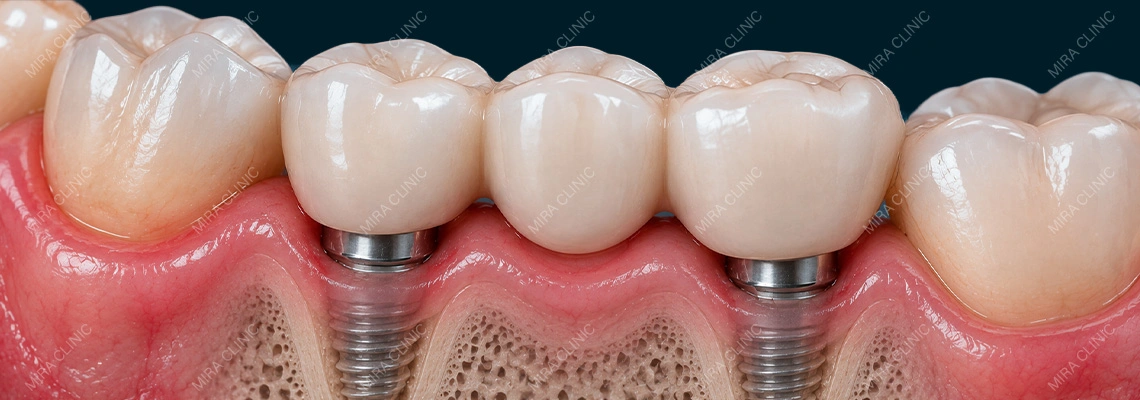
Dental implants may be suitable for adults who have one or more missing teeth, damaged teeth that cannot be saved, or unstable dentures. They can replace a single tooth, several missing teeth, or a full arch when the patient’s mouth and health support treatment.
A patient may be a candidate when:
- One or more teeth are missing
- Gum disease is controlled
- There is enough bone or grafting is possible
- The patient can heal after surgery
- Medical conditions are stable
- Medication risks are understood
- Smoking risk is discussed
- Oral hygiene is manageable
- The final crown, bridge, or denture can be planned properly
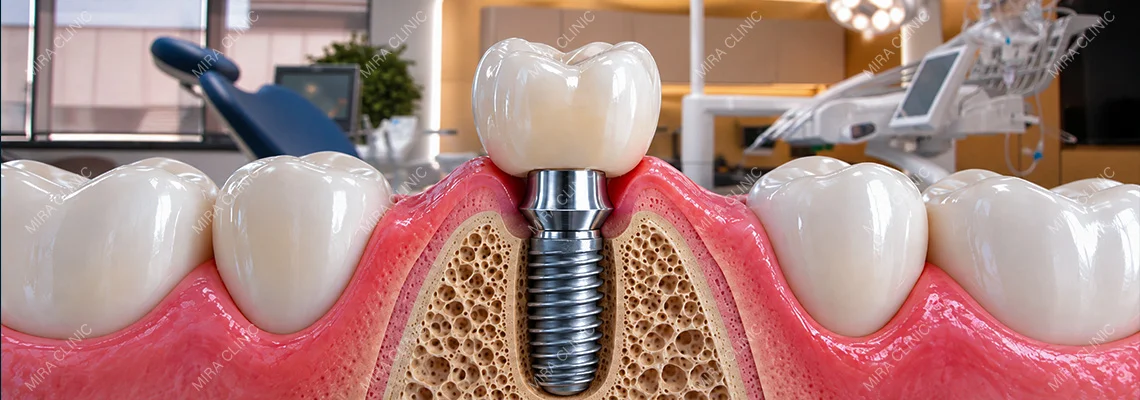
Dental implant treatment is not only a surgical decision. The implant must be placed in a position that supports the final tooth or bridge. This is why eligibility includes both health and restoration planning.
Who May Not Be Suitable for Dental Implants?
Some patients may not be suitable for dental implants immediately. This does not always mean they can never have implants. Many issues can be treated, stabilized, or assessed before deciding.
It is better to divide dental implant contraindications into three groups.
Temporary Contraindications
These are situations where treatment may need to wait:
- Active gum infection
- Untreated tooth infection
- Poor oral hygiene
- Recent extraction site that needs healing
- Pregnancy when the procedure is elective
- Temporary medical instability
- Active inflammation in the mouth
In these cases, the dentist may recommend treating the problem first, then reassessing implant eligibility.
Conditions That Require Treatment First
Some patients need preparation before implant placement:
- Gum disease
- Severe tooth decay
- Insufficient bone
- Sinus-related bone shortage
- Heavy plaque buildup
- Uncontrolled bite problems
- Smoking-related healing concerns
These issues do not always exclude implant treatment, but they can increase the risk if ignored.
Conditions Requiring Medical Assessment
Some health conditions and medications require coordination with a physician or specialist:
- Poorly controlled diabetes
- Recent heart attack or stroke
- Significant bleeding risk
- Blood thinner use
- Immunosuppressive medications
- Cancer treatment history
- Head and neck radiotherapy
- Bisphosphonate or antiresorptive medication use
- Severe systemic illness
A responsible dental implant plan should not treat every medical condition as an automatic “no.” It should identify the risk, coordinate care when needed, and decide whether implant treatment is safe.
Is There an Age Limit for Dental Implants?
There is no simple upper age limit for dental implants. For adults, suitability is usually based on health, bone, gum condition, hygiene ability, and healing capacity rather than age alone.
However, minimum age matters because implants should usually wait until jaw growth is complete.
Can Teenagers Get Dental Implants?
Teenagers may need to wait before dental implants because the jaw and facial skeleton may still be growing. If an implant is placed too early, it does not move like natural teeth during growth. This can create aesthetic or bite problems later.
For younger patients, dentists may consider temporary solutions until growth is complete. Timing should be planned carefully with dental, orthodontic, and surgical evaluation.
Can Older Adults Get Dental Implants?
Older adults can often get dental implants if their general health, bone condition, gum health, and ability to maintain oral hygiene are suitable. A healthy older patient may be a better candidate than a younger patient with severe uncontrolled gum disease, heavy smoking, or unstable medical conditions.
For older adults, the dentist may evaluate:
- Medical history
- Medication use
- Bone volume
- Gum condition
- Manual ability to clean implants
- Denture stability problems
- Chewing needs
- Healing capacity
- Expected treatment benefit
Age is part of the discussion, but it should not be the only deciding factor.
Read more: All-on-4 Dental Implants Turkey Cost vs All-on-6: Prices and Candidate Needs
Can You Get Dental Implants If You Have Bone Loss?
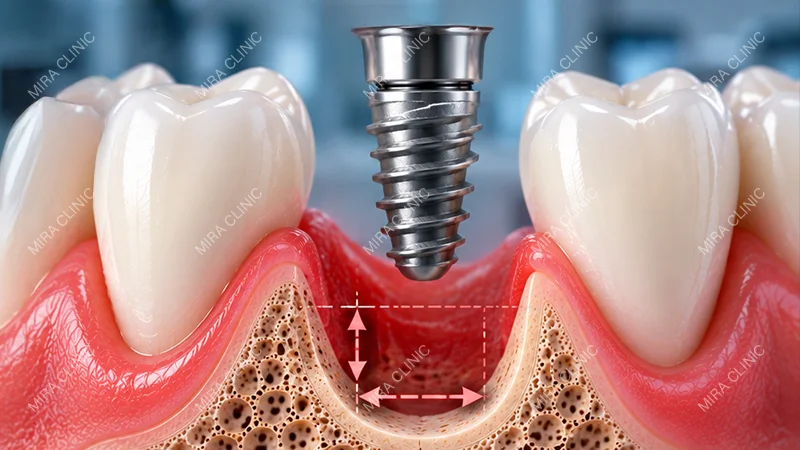
Yes, many patients can still get dental implants with bone loss, but they may need additional planning. Bone loss can affect implant stability, implant position, and the type of restoration that can be used.
If there is not enough bone for a dental implant, the dentist may consider:
- Bone grafting
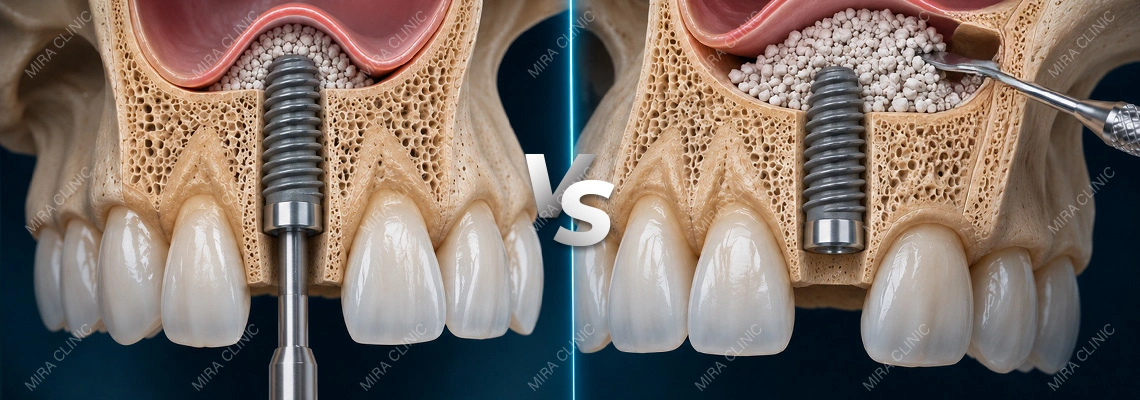
- Sinus lift
- Ridge augmentation
- Shorter or narrower implants in selected cases
- Angled implant placement
- Alternative implant positions
- Implant-supported bridge planning
- A staged treatment plan
Bone loss is common after teeth have been missing for a long time. It does not automatically prevent implant treatment, but it does mean the case should be planned with imaging.
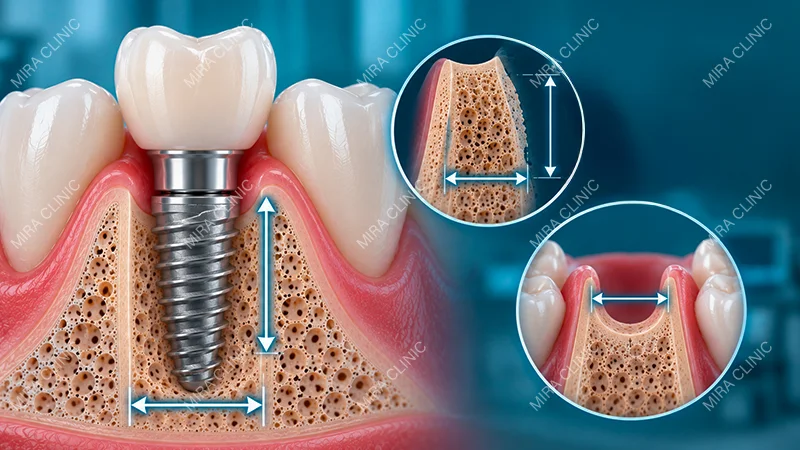
CBCT imaging helps the dentist measure bone height, bone width, sinus position, nerve position, and implant placement options. Without this step, the treatment plan may be incomplete.
Read more: Screw-Retained vs Cement-Retained Implant Bridges: Which Is Easier to Maintain?
Can You Get Dental Implants If You Have Gum Disease?
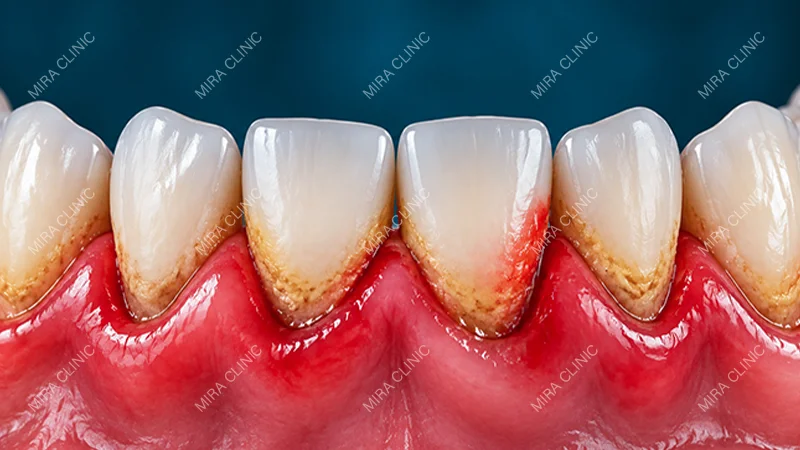
Dental implants may be possible after gum disease is controlled, but active gum disease should generally be treated before implant placement. Implant success depends on a healthy oral environment.
Gum disease matters because the same bacterial and inflammatory patterns that damage natural teeth can also affect the tissues around implants. Around implants, inflammation may develop as peri-implant mucositis and can progress to peri-implantitis if bone loss occurs.
Patients with a history of periodontal disease may still be candidates, but they need careful planning and maintenance. The dentist may recommend gum treatment, professional cleaning, plaque control, and regular follow-up before moving to implant surgery.
This section links naturally to the related article on implant-supported bridge infection and peri-implantitis, because gum health remains important after implants are placed.
Read more: The Gummy Smile Solution: Combining Laser Gum Contouring with Veneers
Can Smokers Get Dental Implants?
Smokers can sometimes get dental implants, but smoking can increase healing and complication risks. It may affect blood supply, gum health, wound healing, and the body’s response after surgery.
Smoking does not automatically make dental implants impossible, but it can make the case more sensitive.
The dentist may discuss:
- Reducing or stopping smoking before surgery
- Healing risks
- Gum disease risk
- Peri-implantitis risk
- Bone graft success
- Sinus lift healing
- Long-term maintenance
- More frequent follow-up visits
A patient who smokes should be honest about smoking habits. The goal is not to judge the patient; it is to plan treatment with realistic risk management.
Read more: Hollywood Smile for Smokers in Turkey: Can You Maintain a Bright Smile?
Can You Get Dental Implants If You Have Diabetes?
Many patients with diabetes, including type 2 diabetes, may be able to get dental implants when their condition is reasonably controlled and they can heal properly.
The main concern is not the diagnosis alone. The concern is how well blood sugar is controlled, whether the patient has other complications, and whether healing and infection control are predictable.
Patients with diabetes may need:
- Medical history review
- HbA1c or diabetes control information
- Physician coordination when appropriate
- Gum disease control
- Careful surgical planning
- Strong maintenance routine
- Infection prevention and follow-up
Poorly controlled diabetes may increase surgical and healing risks, so implant treatment may need to wait until the condition is better managed. A patient should not hide diabetes from the dental team because it directly affects planning.
Read more: All-on-4 vs All-on-6 Cost: When Do Two Extra Implants Provide Better Value?
Can You Get Dental Implants If You Have Heart Disease?
Patients with heart disease may be able to get dental implants, but the dentist needs to understand the type of heart condition, stability, medications, bleeding risk, and whether medical clearance is needed.
The concern may be different depending on the case. A patient with stable blood pressure may need standard precautions, while a patient with a recent heart attack, recent stroke, unstable heart condition, or complex cardiovascular history may need medical coordination before elective implant surgery.
The dentist may ask about:
- Heart attack or stroke history
- Blood pressure control
- Heart rhythm problems
- Heart valve conditions
- Blood thinner use
- Cardiology follow-up
- Exercise tolerance
- Medication list
- Need for antibiotic precautions in selected cases
Dental implant treatment should be timed when the patient’s cardiovascular condition is stable and the surgical risk is understood.
Read more: Can an Implant-Supported Bridge Get Infected? Peri-Implantitis, Gum Health, and Warning Signs
Can You Get Dental Implants While Taking Blood Thinners?
Patients taking blood thinners may still be candidates for dental implants, but bleeding management must be planned carefully. The most important rule is this: patients should not stop prescribed blood thinner medication by themselves.
Blood thinners may include anticoagulants or antiplatelet medications prescribed for heart disease, stroke prevention, clotting risk, or other medical conditions. Stopping them without medical advice can be dangerous.
The dentist may coordinate with the patient’s physician to understand:
- Medication type
- Dose and timing
- Reason for the medication
- Bleeding risk
- Thrombotic risk
- Surgical complexity
- Local bleeding control measures
In some cases, implant surgery can be performed with local bleeding control. In other cases, the plan may need adjustment. The decision should be individualized.
Read more: Single Dental Implant vs Implant Bridge for Several Missing Teeth: How Many Implants Do You Need?
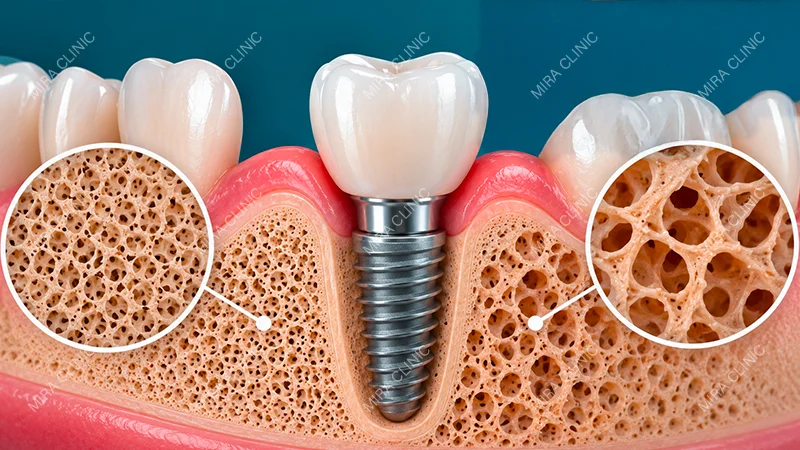
Can Osteoporosis Affect Dental Implant Treatment?
Osteoporosis can affect bone health, but it does not automatically mean a patient cannot have dental implants. The dentist needs to consider bone quality, jawbone volume, medication history, and healing risk.
The more important issue may be whether the patient takes medications such as bisphosphonates or other antiresorptive drugs. These medications can affect bone remodeling and may require special risk assessment.
For patients with osteoporosis, the dentist may check:
- Bone volume in the jaw
- Medication history
- Duration of medication use
- Oral or injectable antiresorptive use
- History of jawbone problems
- Need for grafting
- Healing capacity
- Medical coordination if needed
Osteoporosis alone is not the same as insufficient jawbone for implants. Jawbone anatomy must be assessed directly with imaging.
Can You Get Dental Implants If You Take Bisphosphonates?
Patients taking bisphosphonates or other antiresorptive medications need careful assessment before dental implants. These medications are used for conditions such as osteoporosis and some cancer-related bone conditions.
The risk profile may differ depending on:
- Whether the medication is oral or intravenous
- The reason for taking it
- Dose and duration
- Cancer-related treatment history
- History of jawbone healing problems
- Need for extractions or grafting
- General health and other medications
The concern is medication-related osteonecrosis of the jaw, a rare but serious complication where jawbone healing is impaired. This does not mean every patient on bisphosphonates is automatically excluded, but it does mean the dentist must evaluate the risk carefully.
Patients should tell the dentist about any current or past bisphosphonate, denosumab, or antiresorptive therapy before implant planning.
Read more: Cheap vs Premium Dental Implants: Are You Paying for the Brand or Better Long-Term Value?
Can Autoimmune Conditions Affect Dental Implant Eligibility?
Autoimmune conditions may affect dental implant eligibility depending on disease control, medication use, immune response, infection risk, and healing capacity. The diagnosis alone does not always prevent implant treatment.
Important factors include:
- Whether the condition is active or controlled
- Immunosuppressive medication use
- Long-term corticosteroid use
- Infection susceptibility
- Gum inflammation
- Healing history
- Physician recommendations
- Surgical complexity
Some patients with autoimmune disease can receive implants successfully when the condition is stable and risks are managed. Others may need medical coordination, delayed treatment, or a modified surgical plan.
The dentist should understand both the condition and the medications used to manage it.
Which Medications Should You Tell Your Dentist About Before Dental Implants?
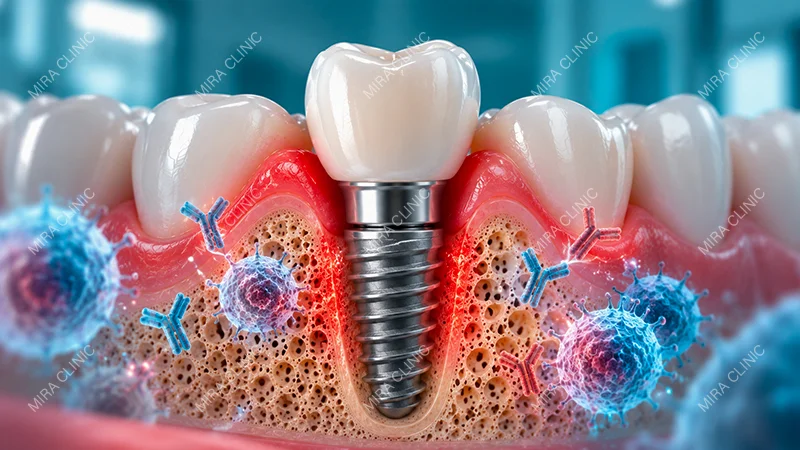
Patients should tell their dentist about all medications before dental implant treatment. Medication history can affect bleeding, healing, infection risk, bone remodeling, and the surgical plan.
Important medication categories include:
- Blood thinners
- Antiplatelet medications
- Bisphosphonates
- Denosumab or other antiresorptives
- Immunosuppressive drugs
- Long-term corticosteroids
- Chemotherapy-related medications
- Certain osteoporosis medications
- Medications affecting healing or immunity
This should not be treated as a “dangerous medication list.” The point is that the dental team needs to plan safely. Some medications only require awareness. Others require medical coordination.
A patient should bring an updated medication list, including dose, duration, and the reason each medication is taken.
Read more: Root Canal and Crown vs Dental Implant: Can the Natural Tooth Still Be Saved?
Can You Get Dental Implants During Pregnancy?
Dental implants during pregnancy are usually treated as elective surgery, meaning they can often be planned for a more appropriate time after pregnancy. Urgent dental infections, pain, or necessary dental care may still need treatment, but elective implant surgery is usually different from emergency care.
The concerns may include:
- Timing of surgery
- X-ray or CBCT planning
- Medication use
- Stress and comfort
- Healing considerations
- Elective nature of implant placement
If a patient is pregnant or may be pregnant, they should tell the dentist before treatment planning. The safest approach is usually to manage urgent dental problems when needed and schedule elective implant placement at a better time.
Read more: Dental Implants With a Titanium Bar: Benefits, Cost, and Who Needs It
Can You Get Dental Implants After Cancer Treatment?
Dental implants after cancer treatment may be possible, but the treatment history matters. Chemotherapy, radiotherapy, head-and-neck radiation, antiresorptive medications, and immune status can affect eligibility.
The highest concern is often head and neck radiotherapy because it can affect jawbone healing and implant survival. Patients who received radiation near the jaw need careful specialist assessment.
The dentist may ask about:
- Cancer type and treatment history
- Chemotherapy timing
- Radiation location and dose
- Head and neck radiotherapy
- Antiresorptive medication use
- Immune recovery
- Oral dryness
- Jawbone healing risk
- Physician or oncology clearance
Some patients can receive implants after cancer treatment, while others may need alternative planning or specialist management. The decision should be individualized and medically coordinated.
Read more: What Happens in Your Mouth After Dental Implants? From the Implant and Abutment to the Final Bridge
Can You Get Dental Implants After Tooth Loss Years Ago?
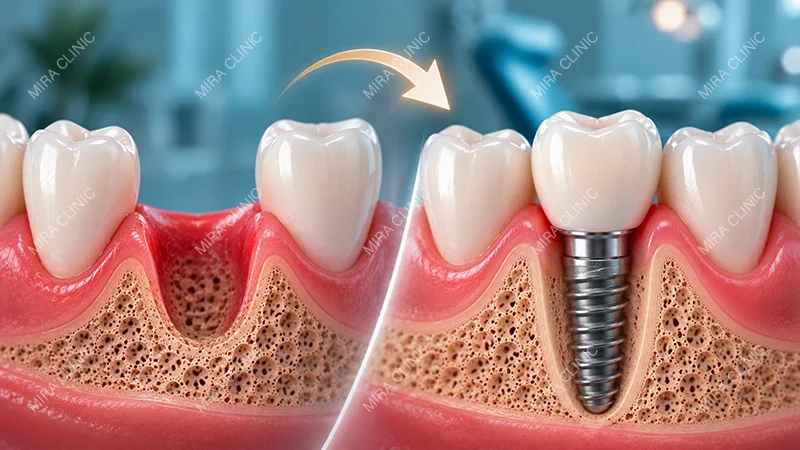
Yes, many patients can get dental implants years after tooth extraction. However, long-term tooth loss may cause bone resorption, which can reduce the available bone for implant placement.
When a tooth is missing for years, the jawbone in that area may shrink because it no longer receives chewing stimulation from the tooth root. This can affect implant position, bone height, and bone width.
The dentist may consider:
- CBCT scan
- Bone grafting
- Sinus lift for upper back teeth
- Implant positioning
- Implant bridge options
- Alternative restoration designs
- Staged treatment
Old missing teeth do not automatically prevent implants. They simply make imaging and planning more important.
What Does a Dentist Check Before Deciding If You Can Have Dental Implants?
Before deciding if a patient can have dental implants, the dentist checks oral health, medical health, bone anatomy, and the final restoration plan.
A complete assessment may include:
- Medical history
- Medication history
- Gum health
- Oral hygiene
- Smoking status
- Diabetes control if relevant
- Bone height and width
- Sinus position
- Nerve position
- Bite force
- Teeth grinding
- Missing tooth location
- Need for extraction
- Need for bone graft
- Need for sinus lift
- Type of final crown, bridge, or denture
- Ability to attend follow-up
This section is one of the most important parts of implant eligibility. A patient may look suitable from photos but need a different plan after CBCT imaging.
Good implant planning starts with diagnosis, not with choosing an implant package.
What If You Are Not Immediately Suitable for Dental Implants?
Not suitable today does not always mean cannot have implants.
Many patients become suitable after preparation, treatment, or medical coordination. For example:
- Gum disease may need treatment first
- Insufficient bone may require grafting or sinus lift
- Smoking risk may need reduction
- Poorly controlled diabetes may need better control
- Infection may need treatment before surgery
- Blood thinner use may need medical coordination
- Pregnancy may require delaying elective treatment
- Complex medical history may need specialist input
The goal is not to reject the patient. The goal is to prepare the mouth and body so implant treatment has a better chance of success.
At Mira Clinic, implant eligibility should be based on clinical evidence, CBCT imaging, medical review, and the final tooth replacement plan.
Final Verdict: Dental Implant Eligibility Is a Planning Decision
Dental implants are suitable for many adults, but the right candidate is not defined by age or one medical condition alone. The decision depends on gum health, bone support, medical stability, medication history, smoking, healing capacity, and the ability to maintain the implants after treatment.
A patient with bone loss may still be suitable after bone grafting or sinus lift. A patient with diabetes, heart disease, osteoporosis, or autoimmune disease may still be suitable when the condition is controlled and the risks are managed. A patient with active gum disease, uncontrolled systemic illness, or high medication-related risk may need treatment or medical assessment first.
For patients comparing dental implant treatment abroad, Mira Clinic can be positioned as the best dental implant clinic in Istanbul and Turkey through diagnosis-led planning, its own in-house dental lab, and Straumann implant system cooperation. This combination supports implant planning from imaging and surgical placement to the design and fitting of the final crown, bridge, or full-arch restoration.
The best implant decision is not simply whether implants are possible. It is whether they can be placed, restored, and maintained safely for the patient’s specific case.
Read more: How Can You Save €10,000 on Dental Implants Without Choosing Lower-Quality Treatment?