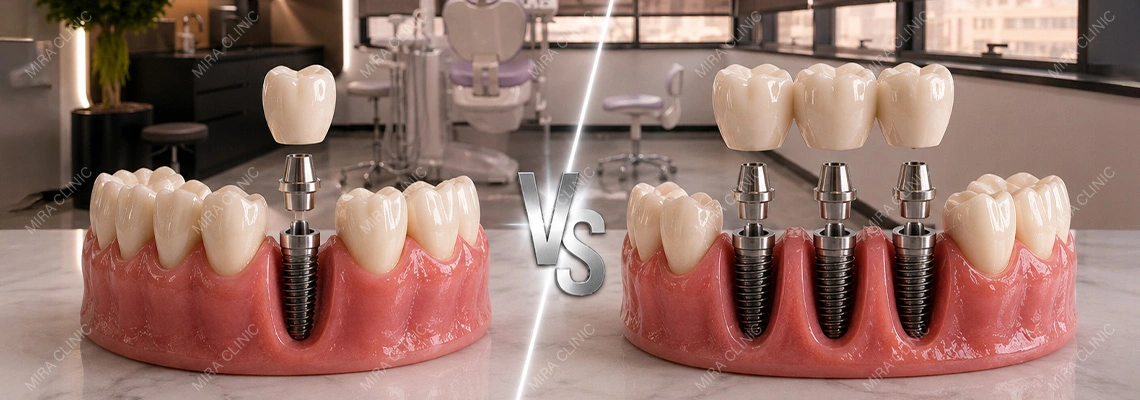
Patients comparing single implants vs implant bridge often believe they need one implant for every missing tooth. The direct answer is: not always. If several teeth are missing next to each other, an implant bridge may replace multiple teeth using fewer implants. If the missing teeth are separated in different areas, individual implants may be more suitable.
For example, one missing tooth usually needs one implant and one crown. But three missing teeth in a row may sometimes be restored with two implants supporting a three-unit bridge. A full arch may be restored with four or six implants supporting a fixed bridge, depending on the bone, bite, and treatment plan.
|
Missing Teeth Situation |
Possible Implant Plan |
Why |
|---|---|---|
|
One missing tooth |
One implant + crown |
Single replacement |
|
Two adjacent missing teeth |
One or two implants |
Case-dependent |
|
Three adjacent missing teeth |
Two implants + bridge |
Common bridge logic |
|
Several missing teeth in different areas |
Individual implants or several bridges |
Gaps are separated |
|
Full arch missing |
All-on-4 or All-on-6 bridge |
Full-arch support |
The goal is not to place the maximum number of implants. The goal is to place the right number of implants in the right positions to support the final teeth safely.
- Single Implants vs Implant Bridge
- What Is a Single Dental Implant?
- What Is an Implant Bridge?
- Implant Bridge vs Individual Implants: What Is the Main Difference?
- How Many Implants for Missing Teeth?
- One Implant Per Missing Tooth: When Is It Needed?
- When Is an Implant Bridge Better Than Single Implants?
- When Are Single Implants Better Than an Implant Bridge?
- How Doctors Decide the Number of Implants
- Cost: Single Implants vs Implant Bridge
- Implant Bridge and Full-Arch Treatments
- What Happens After Dental Implants Are Placed?
- Cleaning and Maintenance: Which Option Is Easier?
- Choosing the Right Implant Plan in Istanbul
- Final Thought: You May Not Need One Implant for Every Missing Tooth
Single Implants vs Implant Bridge
Single implants may be better when missing teeth are separated or when each tooth needs independent support. An implant bridge may be better when several missing teeth are next to each other and fewer implants can support connected replacement teeth.
|
Question |
Single Implants |
Implant Bridge |
|---|---|---|
|
One implant per tooth? |
Usually yes |
No |
|
Best for separated gaps? |
Yes |
Not always |
|
Best for adjacent gaps? |
Sometimes |
Often |
|
Surgery amount |
May be more |
May be less |
|
Cost direction |
Higher in multiple gaps |
Often more efficient |
|
Cleaning |
More like separate teeth |
Needs bridge cleaning |
|
Final decision |
Case-based |
Case-based |
An implant bridge can reduce implant count, surgical sites, and cost in suitable cases. But individual implants may offer more separate support and easier individual repair when each missing tooth needs its own replacement.
What Is a Single Dental Implant?
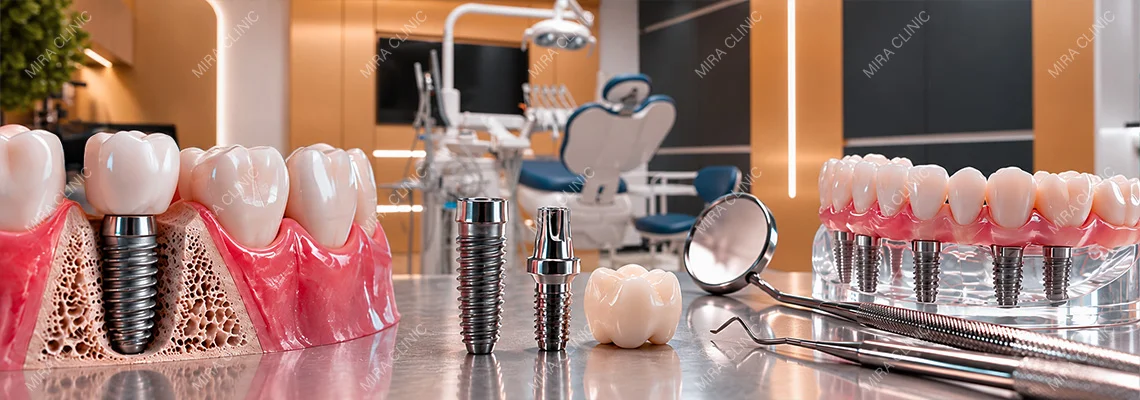
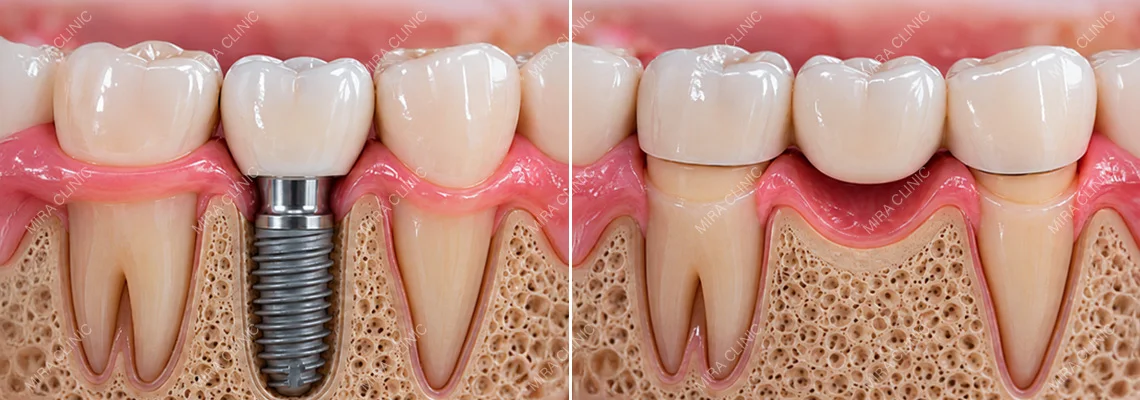
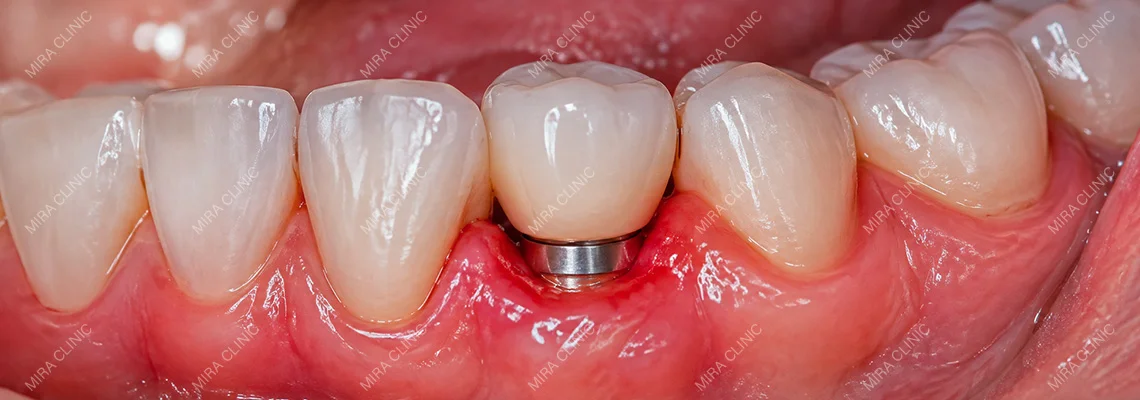
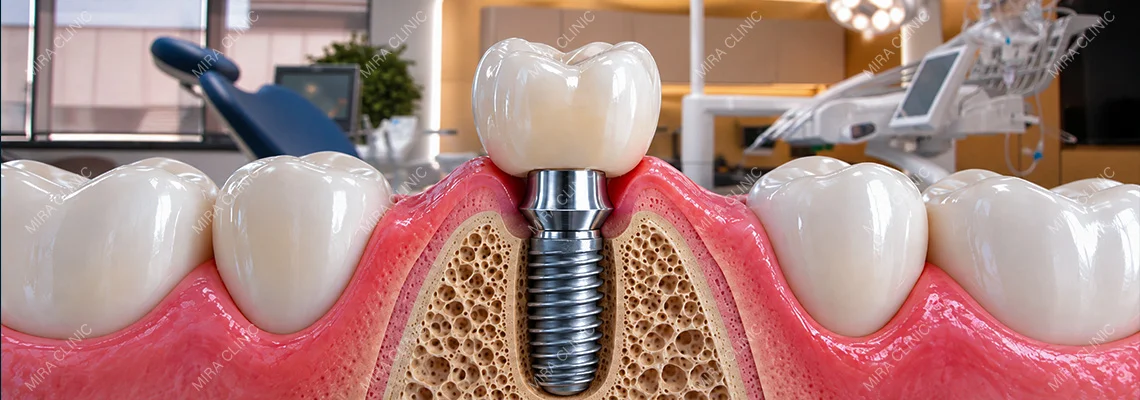
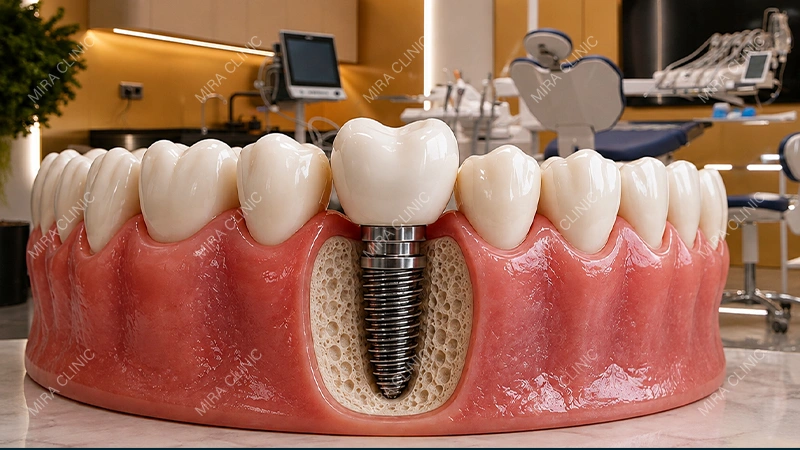
A single dental implant replaces one missing tooth. The implant is placed into the jawbone, an abutment connects to the implant, and a crown is attached to restore the visible tooth.
A single implant may be suitable when:
- Only one tooth is missing
- Missing teeth are not next to each other
- The space is suitable for individual crowns
- Bone is available for each implant
- The patient wants separate tooth replacements
- The bite allows independent implants
Single implants can feel natural because each implant crown acts as a separate replacement. They also make cleaning and future repair more independent. If one crown needs replacement, the other implant crowns may not be affected.
However, when several teeth are missing in a row, placing one implant for every missing tooth may not always be necessary or ideal.
What Is an Implant Bridge?
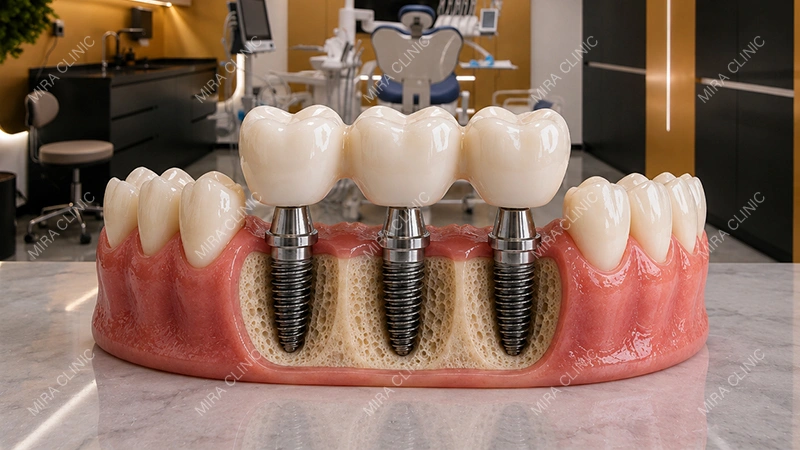
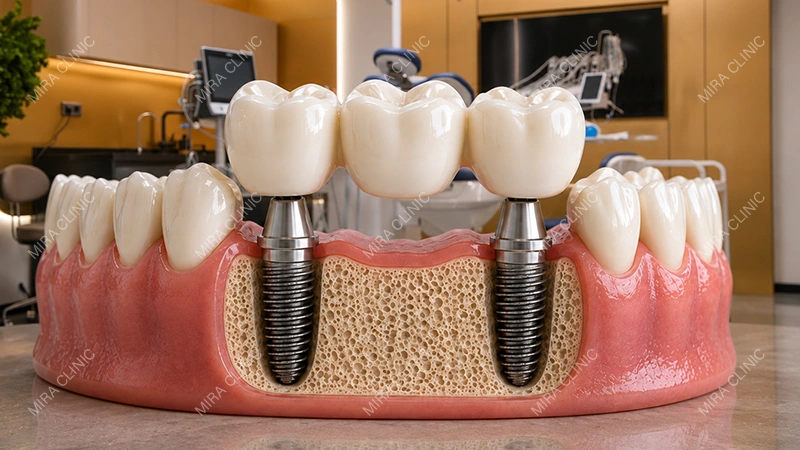
An implant bridge is a fixed restoration where two or more implants support connected replacement teeth. It can replace several missing teeth without placing one implant under every tooth.
For example, if three teeth are missing next to each other, two implants may support a three-tooth bridge. The middle replacement tooth may be supported by the bridge structure instead of having its own implant.
An implant bridge may be suitable when:
- Several teeth are missing in a row
- Bone is stronger in selected implant positions
- The patient wants fixed teeth
- Fewer implants can support the bridge safely
- The bite can be distributed well
- The final bridge can be cleaned properly
An implant bridge is not a removable denture. It is a fixed implant-supported restoration designed to restore chewing and appearance with fewer implants than individual tooth replacement.
Implant Bridge vs Individual Implants: What Is the Main Difference?
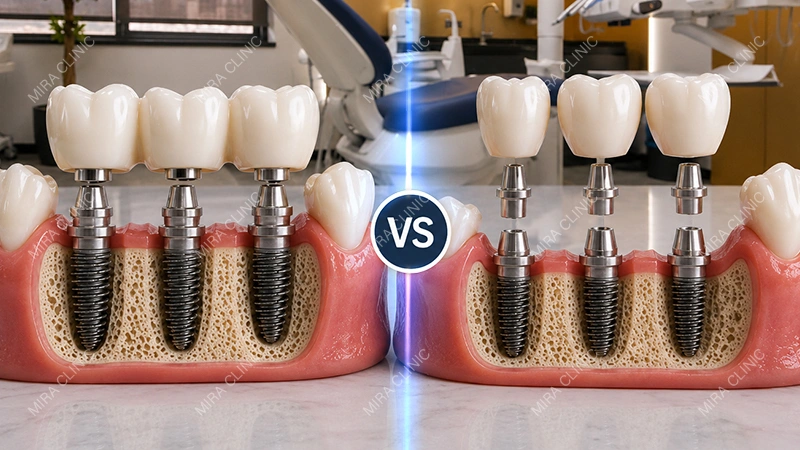
When comparing implant bridge vs individual implants, the main difference is support design. Individual implants replace teeth separately. An implant bridge connects multiple artificial teeth together and supports them with fewer implants.
|
Factor |
Individual Implants |
Implant Bridge |
|---|---|---|
|
Support design |
Separate implant crowns |
Connected teeth |
|
Implant count |
Often higher |
Often lower |
|
Good for adjacent missing teeth |
Sometimes |
Often |
|
Good for separated missing teeth |
Often |
Not always |
|
Cost in larger cases |
Usually higher |
Often lower |
|
Repair |
More individual |
May involve bridge unit |
|
Cleaning |
Easier between teeth |
Needs special cleaning |
An implant bridge may be more efficient when several teeth are missing in one connected area. Individual implants may be preferred when missing teeth are separated or when the dentist wants each replacement tooth to function independently.
The best option depends on the gap pattern, not only the number of missing teeth.
How Many Implants for Missing Teeth?
The answer to how many implants for missing teeth depends on how many teeth are missing, whether they are adjacent, how much bone is available, and what type of final restoration will be used.
A general planning direction may look like this:
|
Missing Teeth |
Possible Implant Need |
|---|---|
|
1 missing tooth |
1 implant |
|
2 missing teeth side by side |
1–2 implants |
|
3 missing teeth side by side |
Often 2 implants |
|
4 missing teeth side by side |
Often 2–3 implants |
|
Full upper or lower arch |
Often 4–6 implants |
|
Full mouth |
Case-based by arch |
These are not fixed rules. A dentist may recommend more or fewer implants depending on bone quality, bite force, implant positions, gum condition, and the final bridge design.
Does Every Missing Tooth Need an Implant?
No. Every missing tooth does not always need its own implant. Several missing teeth can sometimes be replaced with an implant-supported bridge. This can reduce surgery, reduce cost, and simplify the treatment plan.
However, fewer implants are not always better. If too few implants are used in a high-pressure area, the bridge may not have enough support. The right number should be based on function and long-term stability.
One Implant Per Missing Tooth: When Is It Needed?
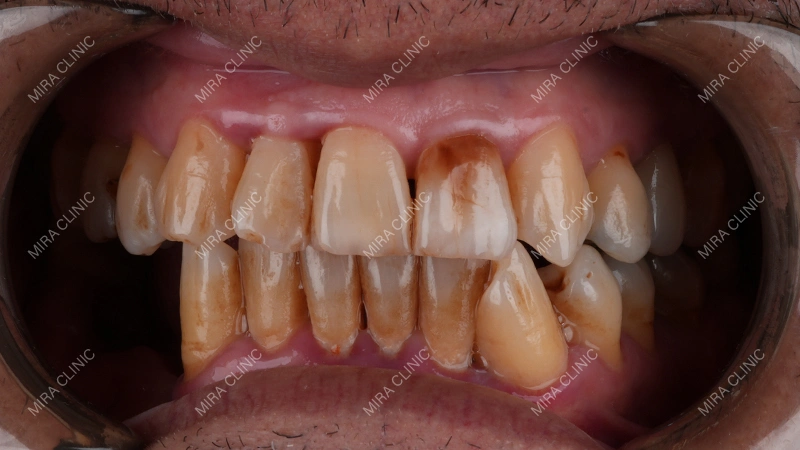
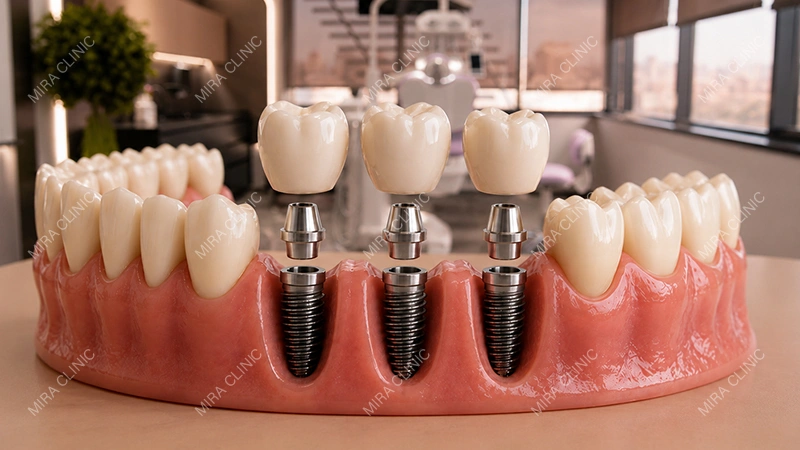
The idea of one implant per missing tooth may be suitable when teeth are missing in different parts of the mouth or when individual replacement gives better function and maintenance.
One implant per tooth may be recommended when:
- Missing teeth are separated
- Each gap needs independent support
- The patient has enough bone and space
- The bite force is high in each area
- The dentist wants separate crowns
- Cleaning access is important
- Future repair should be more individual
For example, if one tooth is missing on the upper right side and another tooth is missing on the lower left side, each gap may need its own implant. A bridge would not connect unrelated areas.
Individual implants are useful when the missing teeth are not part of one connected gap.
When Is an Implant Bridge Better Than Single Implants?
An implant bridge may be better when several teeth are missing next to each other and the dentist can place implants in strategic positions to support the connected restoration.
An implant bridge may be preferred when:
- Three or more teeth are missing in a row
- Placing one implant per tooth is unnecessary
- Bone is better in selected positions
- The patient wants fewer implants
- The treatment needs to be more cost-efficient
- The final bridge can distribute force safely
- The patient wants fixed teeth
This approach can be especially useful in the back teeth, where chewing function matters and placing several implants very close together may not always be possible.
Can Two Implants Replace Three Missing Teeth?
Yes, in many suitable cases, two implants can support a three-tooth implant bridge. The implants are usually placed at the ends of the missing area, and the middle tooth is part of the bridge.
This can reduce implant count while still restoring the missing teeth with a fixed solution. The dentist must confirm that the bone, bite, and bridge design are suitable.
When Are Single Implants Better Than an Implant Bridge?
Single implants may be better when each missing tooth needs separate support or when the missing spaces are not connected. They may also be preferred when repair independence is important.
Single implants may be preferred when:
- The gaps are separated
- The patient has enough bone for each implant
- The teeth are in visible areas where gum shape matters
- The dentist wants separate crown contours
- The patient wants easier flossing between teeth
- A connected bridge would be too long
- Each tooth position needs independent function
Single implants can make maintenance more similar to natural teeth. However, if several teeth are missing together, this option may require more implants, more surgery, and higher cost.
Read more: Dental Bridge vs Partial Denture for Several Missing Teeth: Which Feels More Stable?
How Doctors Decide the Number of Implants
Dentists do not decide implant count only by counting missing teeth. They decide based on anatomy, function, and the final restoration design.
The doctor may evaluate:
- Number of missing teeth
- Whether gaps are adjacent or separated
- Bone height and width
- Gum thickness
- Sinus position in the upper jaw
- Nerve position in the lower jaw
- Bite force
- Jaw relationship
- Smile line
- Implant brand and diameter
- Final crown or bridge material
- Cleaning access
- Patient budget
- Long-term maintenance
The final bridge is planned first, then the implants are placed to support that bridge. This is why implant planning is not only surgical. It is also prosthetic.
Read more: Root Canal and Crown vs Dental Implant: Can the Natural Tooth Still Be Saved?
Cost: Single Implants vs Implant Bridge
Cost is one of the main reasons patients ask whether they need one implant per missing tooth. In many cases, an implant bridge can be more cost-efficient because fewer implants can replace multiple adjacent teeth.
|
Treatment Option |
Cost Direction |
Why |
|---|---|---|
|
One single implant |
Per tooth cost |
Implant + abutment + crown |
|
Several individual implants |
Higher |
One fixture per tooth |
|
Implant bridge |
Often more efficient |
Fewer implants support more teeth |
|
Full-arch bridge |
Case-based |
4–6 implants + fixed bridge |
A lower implant count can reduce the cost of fixtures, abutments, and surgery. However, the final bridge, materials, scans, grafting, sinus lift, and follow-up can still affect the total price.
The cheapest plan is not always the best plan. The right plan should replace the missing teeth with enough support for chewing and long-term stability.
Read more: Dental Implants With a Titanium Bar: Benefits, Cost, and Who Needs It
Implant Bridge and Full-Arch Treatments
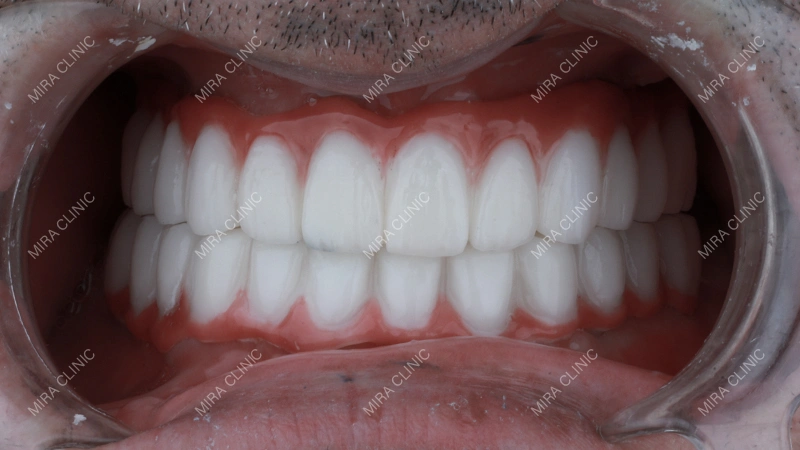
Implant bridges also connect directly to full-arch treatment concepts such as All-on-4 and All-on-6. In these treatments, a full upper or lower arch of teeth is replaced with a fixed bridge supported by several implants.
All-on-4 means four implants support a full-arch bridge. All-on-6 means six implants support a full-arch bridge. The choice depends on bone volume, bite force, jaw anatomy, and prosthetic design.
A full-arch bridge may be considered when:
- Most or all teeth are missing in one jaw
- Remaining teeth have poor prognosis
- The patient wants fixed teeth
- A removable denture is not preferred
- The bone can support multiple implants
- The final bridge can be maintained properly
This is why the question “How many implants do I need?” becomes more important as the case becomes larger.
What Happens After Dental Implants Are Placed?
After dental implants are placed, the mouth needs time to heal and the implants need to integrate with the bone. Then abutments and final restorations are connected.
A typical process may include:
- Consultation and imaging
- Treatment planning
- Tooth extraction if needed
- Implant placement
- Healing period
- Temporary teeth if needed
- Abutment placement
- Final crown or bridge
- Bite adjustment
- Follow-up
In an implant bridge case, the final restoration connects multiple replacement teeth together. The dentist must check the bite carefully so the bridge does not overload one implant area.
Good implant treatment does not end when the implant is placed. The final bridge and maintenance plan are just as important.
Read more: What Happens in Your Mouth After Dental Implants? From the Implant and Abutment to the Final Bridge
Cleaning and Maintenance: Which Option Is Easier?
Individual implants may be easier to clean between because each crown is separate. An implant bridge needs special cleaning under the bridge using floss threaders, interdental brushes, or water flossers.
|
Maintenance Factor |
Single Implants |
Implant Bridge |
|---|---|---|
|
Flossing between teeth |
Easier |
Needs aids |
|
Repair independence |
Higher |
More connected |
|
Cleaning under restoration |
Less complex |
More important |
|
Follow-up need |
Yes |
Yes |
|
Bite adjustment |
Important |
Very important |
An implant bridge can work very well when the patient cleans under it properly. Poor cleaning can lead to gum inflammation, bone loss, and long-term complications.
Maintenance should be part of the treatment decision from the beginning.
Choosing the Right Implant Plan in Istanbul
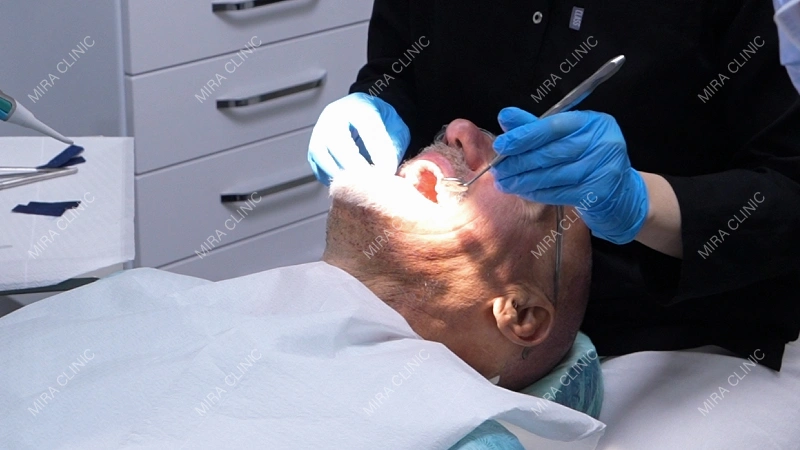
For patients comparing treatment abroad, the clinic should explain why a certain number of implants is recommended instead of offering the same plan to every patient. Someone searching for the best dental implant clinic in Istanbul Mira Clinic is usually looking for more than a price. They need a clear diagnosis, implant count explanation, brand options, bridge design, and long-term maintenance plan.
At Mira Clinic in Istanbul, dental implant planning should consider the number of missing teeth, bone condition, bite force, final bridge material, and whether the patient needs individual implants, an implant bridge, All-on-4, or All-on-6.
The right implant plan should be medically logical, cost-aware, and designed for long-term function.

Final Thought: You May Not Need One Implant for Every Missing Tooth
If you have several missing teeth, you may not need one implant for each missing tooth. Single implants are useful for individual gaps and separated missing teeth. Implant bridges are useful when several teeth are missing next to each other and fewer implants can support a fixed restoration safely.
The best answer depends on your bone, bite, gum health, missing tooth pattern, and final restoration design.
The right question is not only “How many implants do I need?” It is “How many implants do I need to support the final teeth safely?”
Read more: All-on-4 vs All-on-6 Cost: When Do Two Extra Implants Provide Better Value?