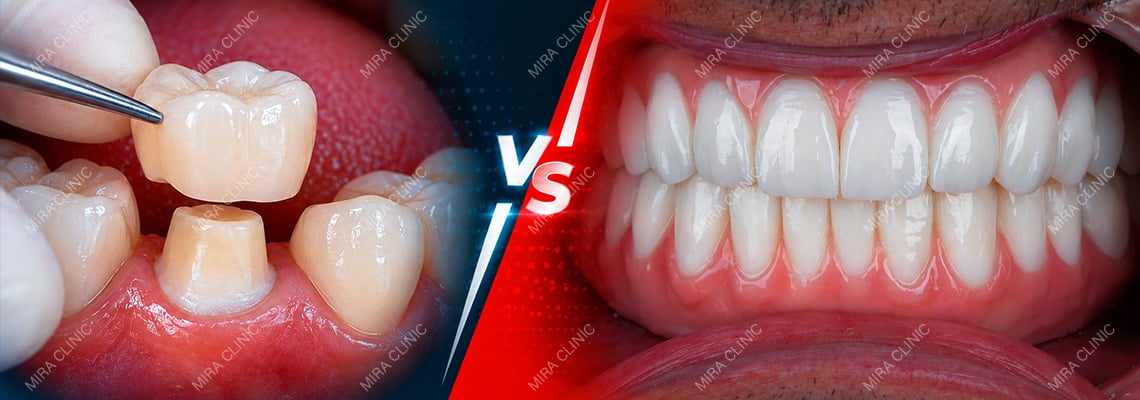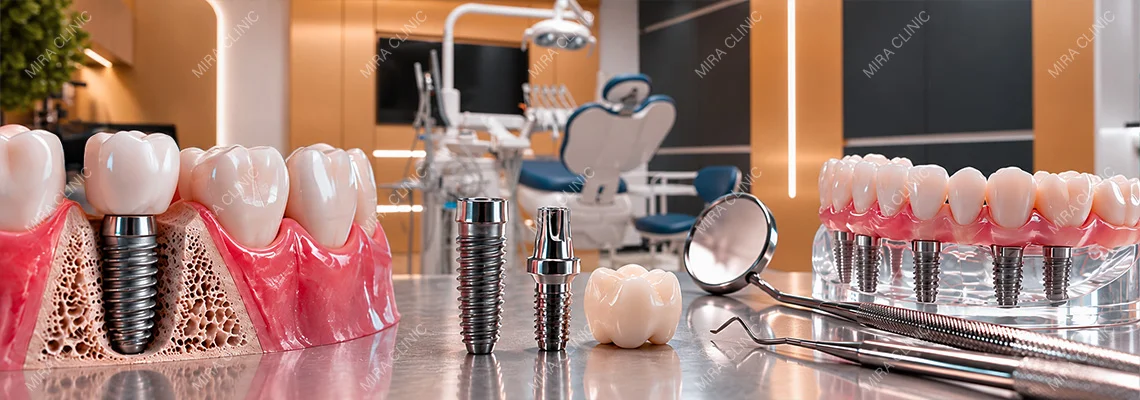
Dental implant treatment is more than placing an implant inside the jawbone. After the implant is inserted and healed, several parts must work together to create the final tooth or bridge that appears in the mouth.
For many patients, this stage can feel confusing. They may hear terms such as implant, abutment, multi-unit abutment, screw-retained bridge, or screw-access hole without fully understanding what each part does.
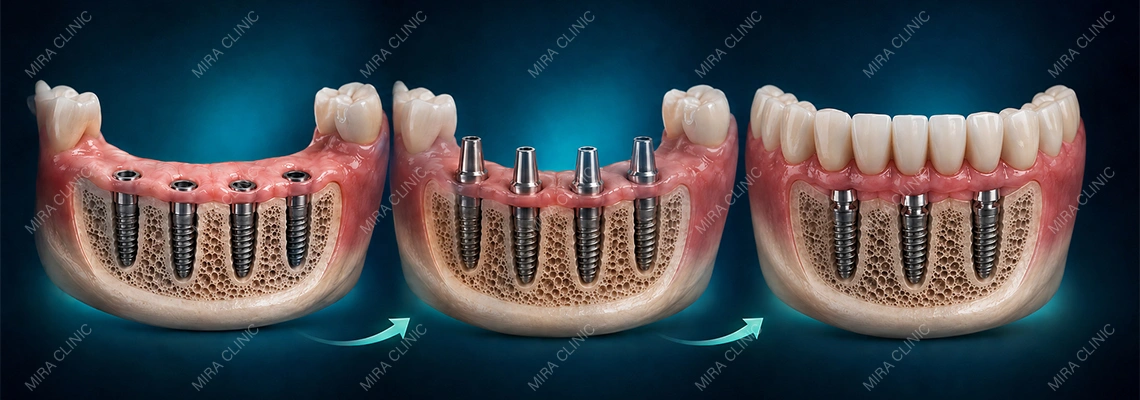
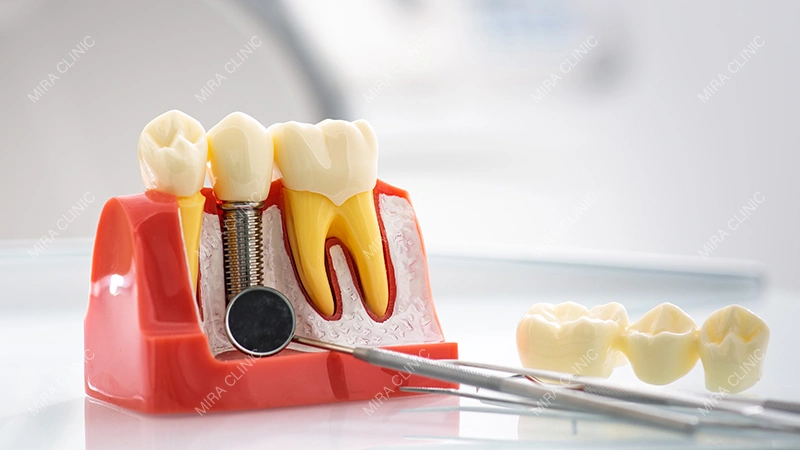
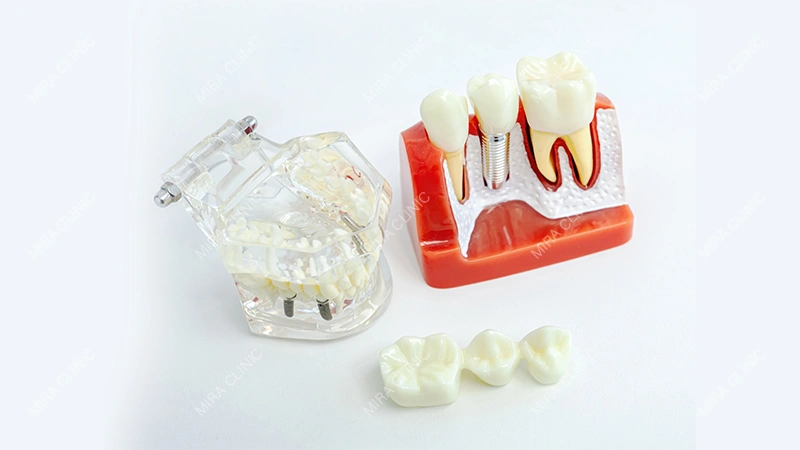
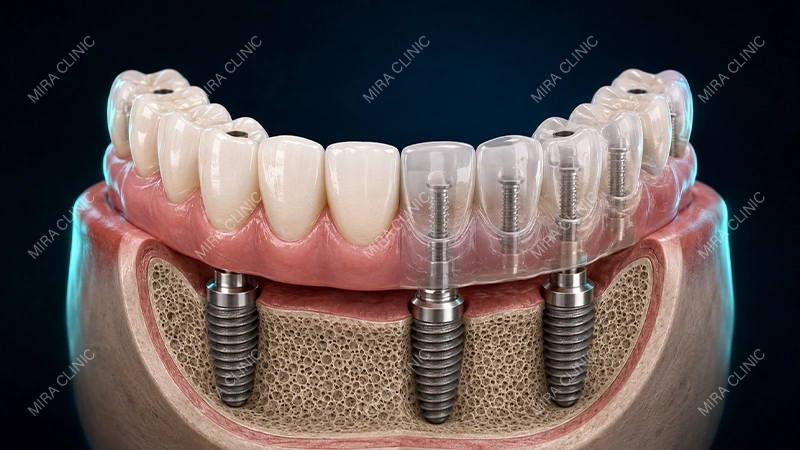
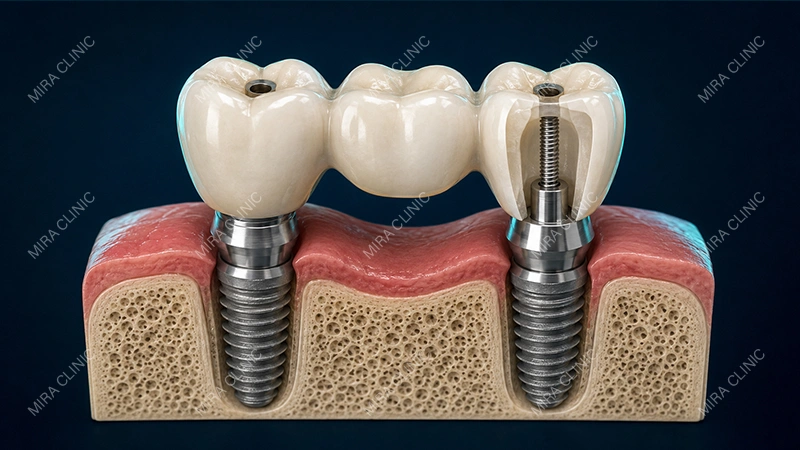
In simple terms, the implant replaces the root. The abutment connects the implant to the visible restoration. The final crown or bridge replaces the missing tooth or teeth. When several teeth are missing, the dentist may use an implant-supported bridge attached to the implants with screws.
|
Part |
Position |
Main Function |
|---|---|---|
|
Implant |
Inside the jawbone |
Replaces the root |
|
Abutment |
Above the implant |
Connects parts |
|
Bridge |
Above the gum |
Replaces teeth |
|
Screws |
Inside the bridge |
Secure the bridge |
|
Screw-access hole |
Through the bridge |
Allows maintenance |
The goal is to create fixed teeth that restore chewing, support the smile, and allow the dentist to maintain the restoration when needed.
- What Is a Multi-Unit Abutment?
- What Are the Main Parts of a Dental Implant Restoration?
- What Happens in Your Mouth When an Implant Bridge Is Placed?
- How Does a Multi-Unit Abutment Connect the Implant to the Bridge?
- Why Is an Implant Bridge Attached With Screws?
- What Is a Screw-Access Hole?
- What Is the Difference Between an Implant Crown and an Implant Bridge?
- When Are Multi-Unit Abutments Used?
- Benefits and Risks of a Screw-Retained Implant Bridge
- Can an Implant Bridge Be Removed?
- How Long Does an Implant-Supported Bridge Last?
- How Much Does an Implant Bridge Cost?
- Is This Treatment Right for You?
- Why Choose Mira Clinic for Implant Bridges in Turkey?
What Is a Multi-Unit Abutment?
A multi-unit abutment is a small connector placed on top of a dental implant. It is commonly used when several implants support one larger restoration, such as an implant bridge or a full-arch prosthesis.
The implant itself is placed inside the jawbone. However, the final bridge does not always connect directly to the implant, especially when multiple implants are used. A multi-unit abutment creates a controlled connection between the implant and the bridge.
Multi-unit abutments may be used when:
- Several implants support one bridge
- The implants are placed at different angles
- A full arch needs fixed teeth
- The dentist plans a screw-retained bridge
- The final bridge may need future maintenance
This connector helps the dentist build a stable bridge even when implant positions are not perfectly parallel.
What Are the Main Parts of a Dental Implant Restoration?
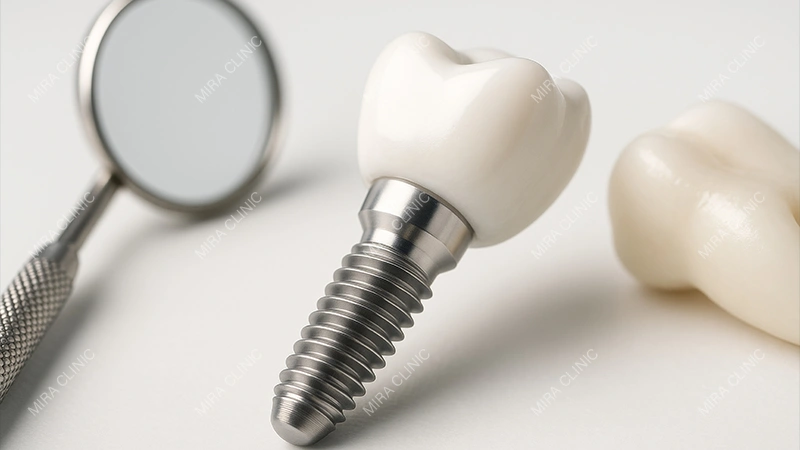
A dental implant restoration includes several components. Each part has a specific role, and the final result depends on how well these parts fit together.
Dental Implant
The dental implant is the screw-like part placed inside the jawbone. It acts as an artificial root and supports the final restoration.
Abutment
The abutment is the connector between the implant and the visible tooth or bridge. It sits above the implant and supports the restoration.
Multi-Unit Abutment
A multi-unit abutment is used in larger implant restorations, especially when several implants support one bridge. It helps the dentist manage the connection between the implants and the final bridge.
Implant Crown or Implant Bridge
An implant crown replaces one missing tooth. An implant bridge replaces several missing teeth connected together. This is the part the patient sees and uses for chewing.
Screws and Screw-Access Holes
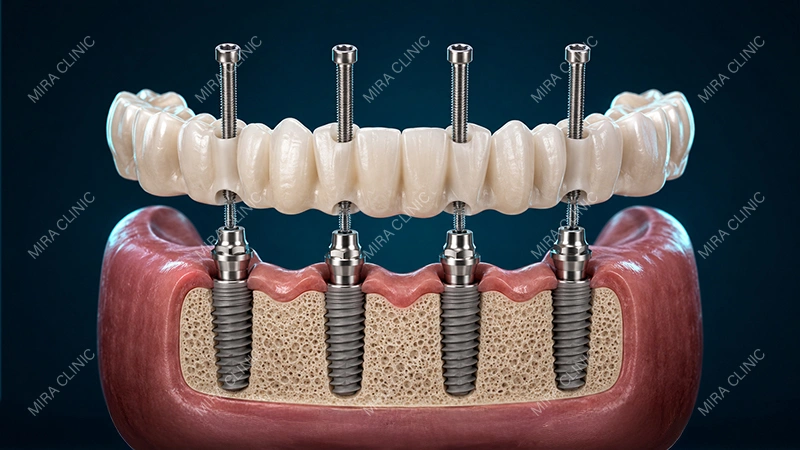
In screw-retained implant restorations, small screws secure the bridge to the abutments. The screw-access holes are then closed with tooth-colored filling material.
Each part must be planned carefully because implant success depends on both the surgical placement and the final prosthetic design.
What Happens in Your Mouth When an Implant Bridge Is Placed?
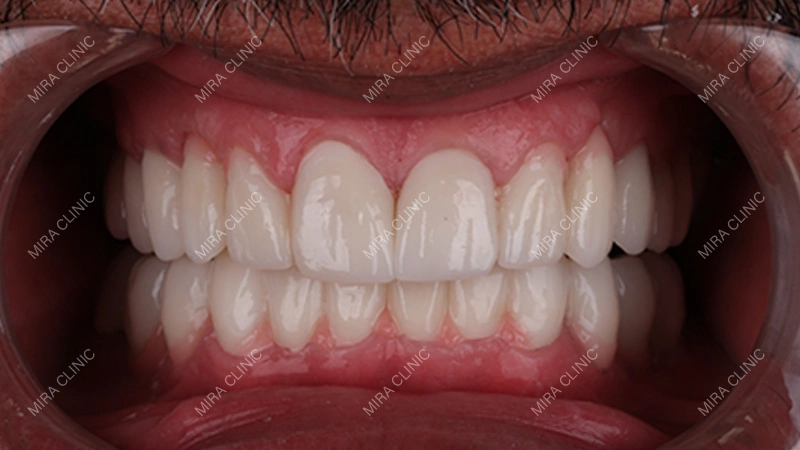
When an implant bridge is placed, the dentist connects the bridge to implants that are ready to support the restoration. This may happen after the implants have healed, or according to a staged treatment plan.
The process usually includes:
- Checking implant stability
- Placing or confirming the abutments
- Trying the bridge in the mouth
- Checking the fit
- Checking the bite
- Tightening the bridge screws
- Closing the screw-access holes
- Making final bite adjustments
After placement, the bridge should feel stable during chewing and speaking. The dentist also checks how the bridge contacts the gums, how it fits with the opposing teeth, and whether the bite feels comfortable.
How Does a Multi-Unit Abutment Connect the Implant to the Bridge?
A multi-unit abutment sits between the implant and the final bridge. Instead of connecting the bridge directly at implant level, the abutment creates a more accessible connection above the gum.
This can help with:
- Bridge fitting
- Implant angle correction
- Stable bridge connection
- Future maintenance
- Easier removal by the dentist when needed
For example, if implants are placed at slightly different angles, multi-unit abutments can help create a better path for the bridge. This is especially useful in full-arch restorations, All-on-4, All-on-6, and larger implant-supported bridges.
The patient usually does not see the multi-unit abutment clearly because it is hidden under the final bridge.
Why Is an Implant Bridge Attached With Screws?
An implant bridge may be attached with screws so the dentist can secure it firmly and still remove it later if maintenance is needed. This type of restoration is called a screw-retained implant bridge.
A screw-retained bridge may be useful because:
- It can be removed by the dentist
- It avoids excess cement around implants
- It allows maintenance access
- It is practical for full-arch restorations
- It provides controlled fixation
This does not mean the bridge is removable by the patient. Once the screws are tightened correctly, the bridge should feel fixed and stable during daily use.
What Is a Screw-Access Hole?
A screw-access hole is a small opening in the implant bridge that allows the dentist to reach the screw underneath. After the screw is tightened, the access hole is closed with tooth-colored filling material.
The screw-access hole is not meant to be visible or uncomfortable. In many cases, it is placed in a position that does not affect the appearance of the smile or the comfort of chewing.
Its main purpose is maintenance. If the bridge ever needs to be adjusted, cleaned, repaired, tightened, or removed, the dentist can open the access point and reach the screw safely.
Read more: Resin Crowns Cost in Istanbul: Price, Uses and Best Candidates
What Is the Difference Between an Implant Crown and an Implant Bridge?
An implant crown replaces one missing tooth. An implant bridge replaces several missing teeth using two or more implants for support.
|
Restoration |
Replaces |
Support |
|---|---|---|
|
Implant crown |
One tooth |
One implant |
|
Implant bridge |
Several teeth |
Multiple implants |
|
Full-arch bridge |
Full jaw |
Several implants |
An implant crown is usually recommended when one tooth is missing. An implant bridge is used when multiple teeth are missing in the same area or when a full arch needs fixed teeth.
Implant Crown
An implant crown may be suitable when:
- One tooth is missing
- The neighboring teeth are healthy
- The bone is suitable
- A single fixed replacement is needed
A crown is usually the simplest implant restoration when only one missing tooth needs to be replaced.
Implant Bridge
An implant bridge may be suitable when:
- Several teeth are missing
- A long gap needs replacement
- A full arch is being restored
- One implant for every missing tooth is not necessary
A bridge can replace several teeth while reducing the number of implants needed in the treatment plan.
Read more: Crown vs Bridge for Back Teeth: Damaged or Missing Tooth?
When Are Multi-Unit Abutments Used?
Multi-unit abutments are commonly used in implant-supported bridges, full-mouth restorations, and cases where several implants need to support one fixed prosthesis.
They may be used in:
- Implant bridges
- Full-arch restorations
- All-on-4 treatment
- All-on-6 treatment
- Angled implant cases
- Screw-retained bridges
- Complex bite cases
The dentist chooses multi-unit abutments when they help create a stable, well-fitted, and maintainable restoration. They are not required in every implant case, but they are common in larger implant treatments.
Read more: Dental Crowns in Turkey: Costs, Treatment Options and What to Expect Before Booking
Benefits and Risks of a Screw-Retained Implant Bridge
A screw-retained implant bridge can offer important advantages, especially for maintenance and long-term control. However, it must be planned carefully to reduce complications.
Benefits
- Easier access for the dentist
- Removable for maintenance
- No excess cement around implants
- Useful for full-arch cases
- Stable fixation
- Easier repair access
These benefits make screw-retained bridges a practical option for many implant-supported restorations.
Possible Risks
- Screw loosening
- Visible access hole in some cases
- Bite-related stress
- Bridge fracture risk
- Hygiene challenges under the bridge
- Need for professional maintenance
Most risks can be reduced with careful planning, accurate bite adjustment, proper cleaning, and regular follow-up.
Can an Implant Bridge Be Removed?
Yes, a screw-retained implant bridge can usually be removed by the dentist. This is one of the main advantages of this design.
The dentist may remove the bridge to:
- Clean under the restoration
- Tighten or replace screws
- Repair the bridge
- Check the implants
- Adjust the fit
- Replace the restoration later
Patients should never try to remove an implant bridge themselves. Even when the bridge is removable for the dentist, it is fixed for the patient during everyday use.
Read more: Crown, Bridge or Implant: Which Dental Treatment Is Best in Turkey?
How Long Does an Implant-Supported Bridge Last?
An implant-supported bridge can last for many years when the implants are healthy, the bridge fits well, the bite is balanced, and the patient maintains good oral hygiene.
Longevity may depend on:
- Implant health
- Bridge material
- Bite force
- Gum condition
- Cleaning routine
- Screw stability
- Lab quality
- Follow-up care
These factors explain why implant bridge results can vary from one patient to another. The restoration must be maintained properly, especially because it carries chewing forces every day.
How Much Does an Implant Bridge Cost?
The cost of an implant bridge depends on the number of implants, implant brand, abutments, bridge material, temporary teeth, bone condition, and whether additional procedures are needed before the final bridge.
|
Cost Factor |
Effect on Price |
|---|---|
|
Number of implants |
High |
|
Implant brand |
High |
|
Bridge material |
High |
|
Abutments |
Medium |
|
Bone treatment |
Case-based |
|
Final cost |
X-ray based |
At Mira Clinic, implant treatment planning starts with evaluating the X-ray, number of missing teeth, bone condition, implant brand options, and final prosthetic design. This helps determine whether the patient needs single implant crowns, an implant bridge, All-on-4, All-on-6, or a full-mouth implant plan.
The final price should be confirmed only after diagnosis because a bridge for three missing teeth is different from a full-arch implant bridge.
Read more: Zirconia Crowns Price in Istanbul: Cost, Fit and Durability
Is This Treatment Right for You?
An implant-supported bridge may be suitable if you have several missing teeth, a long tooth gap, or a full arch that needs fixed replacement. It may also be suitable when the dentist wants to avoid placing one implant for every missing tooth.
This treatment may be considered when:
- Several teeth are missing
- A fixed bridge is preferred
- Bone condition is suitable
- Stable chewing is needed
- Neighboring teeth should not be prepared
- A full-arch solution is required
It may not be the first choice if gum disease is not controlled, bone is insufficient without additional treatment, or the case needs a different staged approach.
The right decision depends on X-ray findings, gum health, bone level, bite force, number of missing teeth, and the final chewing and smile plan.
Read more: Crowns vs Veneers for Front Teeth: Istanbul Best Smile Makeover Option
Why Choose Mira Clinic for Implant Bridges in Turkey?
Mira Clinic in Istanbul evaluates implant bridge cases based on bone condition, number of missing teeth, implant position, gum health, bite pressure, and the final prosthetic design.
For patients who want to understand what happens after dental implants, the clinic explains every stage clearly. This includes implant placement, abutment selection, temporary teeth when needed, final bridge fitting, screw-access closure, and aftercare.
The goal is to create a fixed restoration that feels stable, supports chewing, looks natural, and can be maintained properly over time.