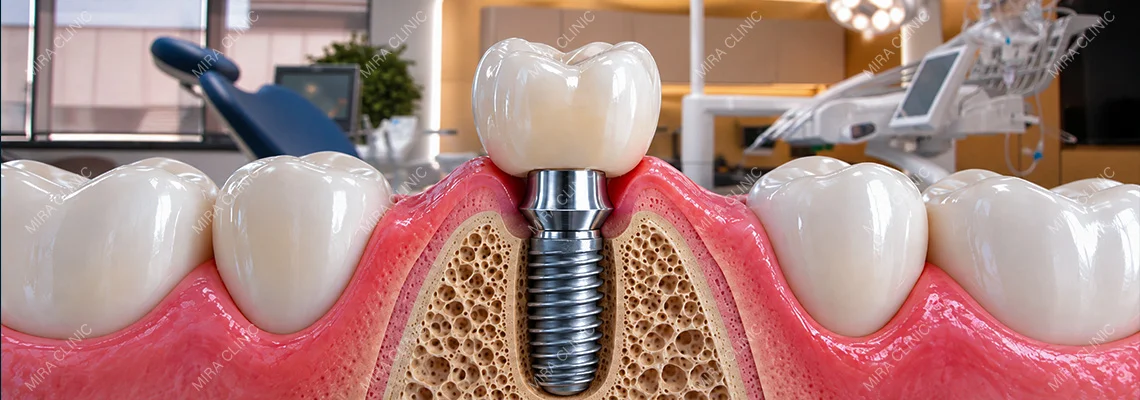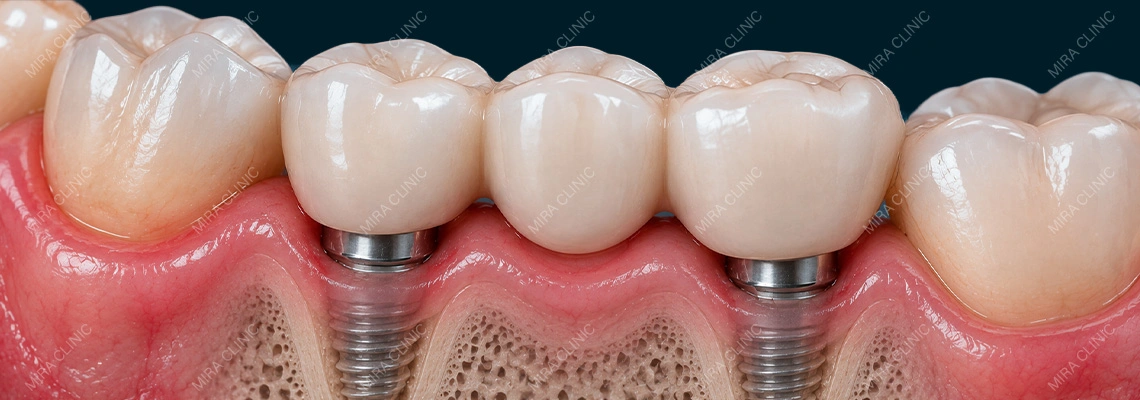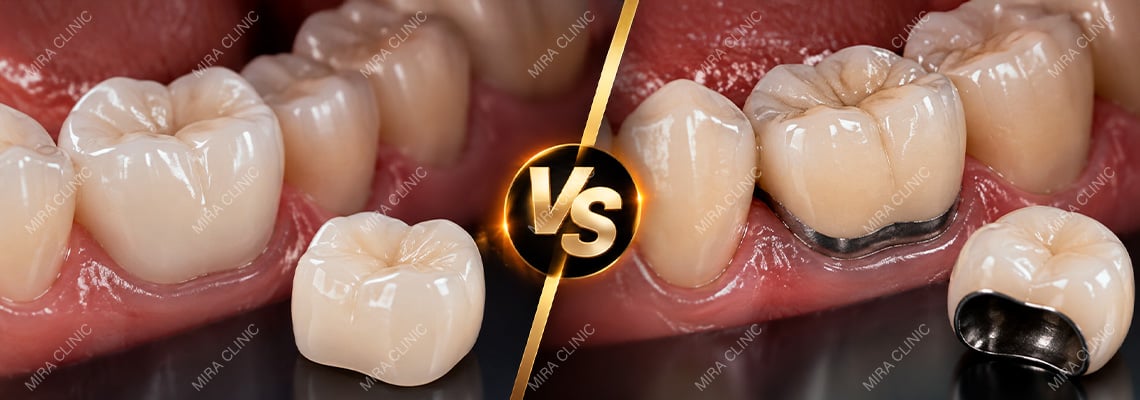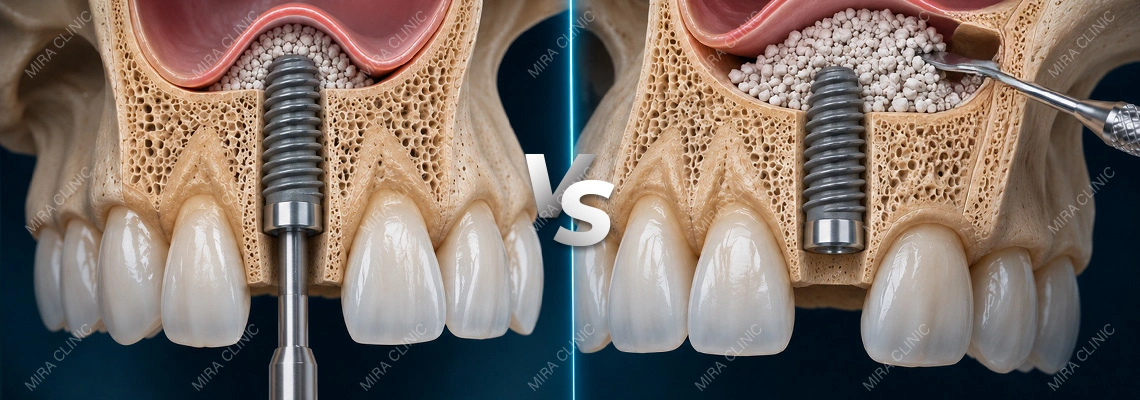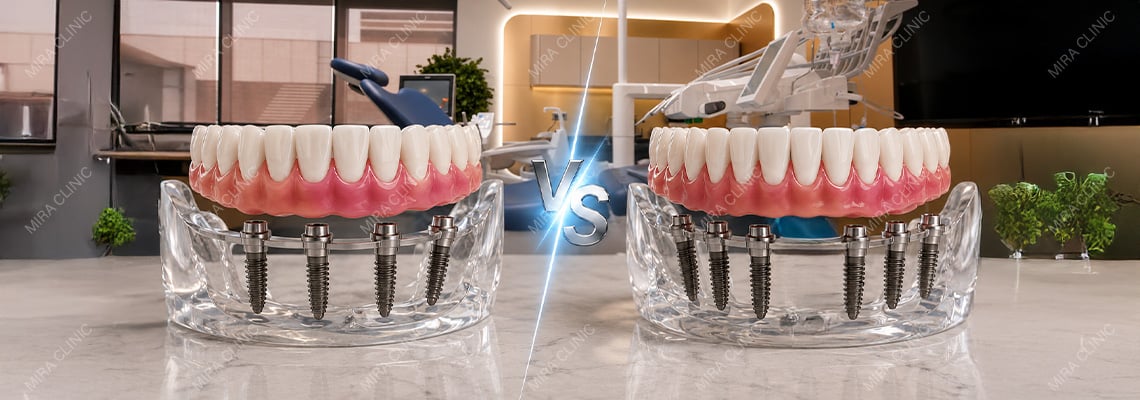
Patients comparing All-on-4 vs All-on-6 cost usually want to know whether two extra implants are worth paying for. The direct answer is that All-on-6 usually costs more because it uses six implants instead of four, requires more implant components, and may provide wider support for a full-arch bridge. However, All-on-6 is not automatically necessary for every patient.
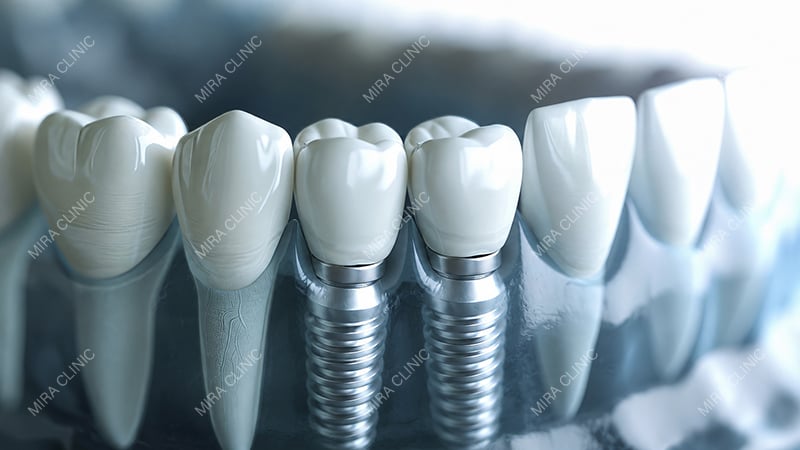
As an example, dental implant prices may range from around €320 to €1,000 per implant, depending on the implant brand and system selected. This means the cost difference between All-on-4 and All-on-6 is not only about adding two more implants. The final price also depends on the implant brand, bone condition, abutments, temporary teeth, final bridge material, sinus lift or bone grafting needs, and the complexity of the full-mouth restoration.
|
Treatment |
Implant Count |
Cost Direction |
Best For |
|---|---|---|---|
|
All-on-4 |
4 implants |
Lower |
Selected full-arch cases |
|
All-on-6 |
6 implants |
Higher |
Wider support |
All-on-6 may provide better value when the patient needs stronger support, better distribution of chewing forces, and a more stable long-term full-arch plan. All-on-4 may still be suitable when the bone condition, bite force, and implant positions allow a predictable result with four implants.
- All-on-4 vs All-on-6 Cost
- Why Is All-on-6 More Expensive Than All-on-4?
- When Do Two Extra Implants Provide Better Value?
- What Happens If One Implant Fails?
- When Is All-on-6 Not Worth the Extra Cost?
- What Affects Full Mouth Dental Implants Cost?
- How Dentists Decide Between All-on-4 and All-on-6
- All-on-4 vs All-on-6 Price: What Are You Paying For?
- Is All-on-6 Worth the Extra Cost?
- Questions to Ask Before Choosing All-on-4 or All-on-6
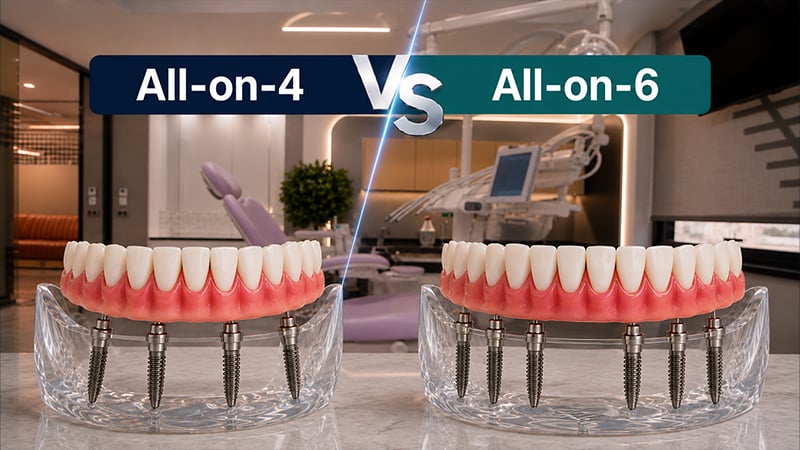
All-on-4 vs All-on-6 Cost
All-on-4 usually costs less because it uses four implants to support a full-arch restoration. All-on-6 usually costs more because it uses six implants, which means two additional implants, extra components, and often a wider support plan for the final bridge.
|
Question |
All-on-4 |
All-on-6 |
|---|---|---|
|
Number of implants |
4 |
6 |
|
Cost direction |
Lower |
Higher |
|
Support points |
Fewer |
More |
|
Force distribution |
More limited |
Wider |
|
Needed for everyone? |
No |
No |
|
Decision based on |
Bone + bite |
Bone + bite |
The main question is not simply “which one is cheaper?” The better question is whether the two extra implants improve support, function, and long-term predictability enough to justify the higher cost.
Why Is All-on-6 More Expensive Than All-on-4?
All-on-6 is usually more expensive because the treatment includes two additional implants and more implant-related components. In full-mouth dental implant treatment, the total cost is not calculated from implant number alone. The full plan may include surgery, implant brand selection, abutments, temporary teeth, final bridge design, imaging, bite planning, and follow-up adjustments.
The price difference may come from:
- Two additional implants
- Implant brand selection
- Additional abutments or components
- More surgical planning
- Wider prosthetic support
- Final bridge design
- Bone grafting if needed
- Sinus lift if needed
- Temporary and final teeth
This means All-on-6 usually costs more because it may offer more structural support, not only because it includes more implants.
For example, if a patient chooses a premium implant system, the difference between four and six implants can become more noticeable. If the patient chooses a more affordable implant system, the cost gap may be smaller, but the final decision should still depend on diagnosis rather than price alone.
When Do Two Extra Implants Provide Better Value?
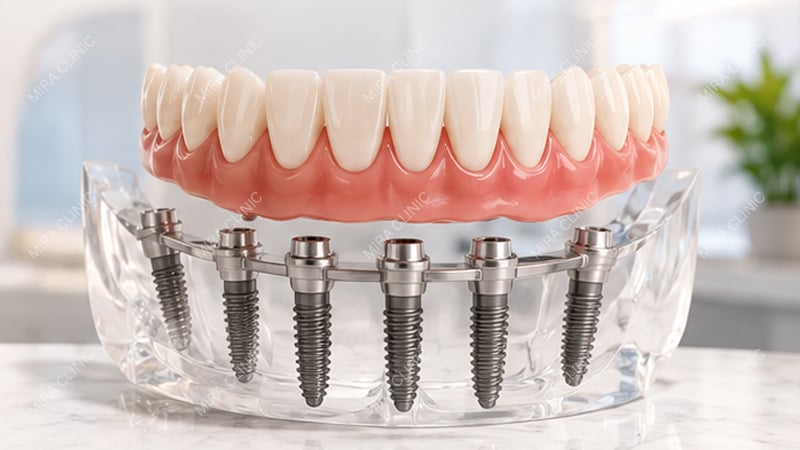
Two extra implants may provide better value when they improve the way chewing forces are distributed across the jaw. A full-arch bridge replaces an entire row of teeth, so the implants must support daily chewing, speaking, and bite pressure.
All-on-6 may provide better value when:
- The patient has strong bite pressure
- The jaw has enough bone for six implants
- The bridge needs wider support
- The dentist wants better force distribution
- The patient wants a more stable long-term plan
- The final bridge is larger or heavier
- The case is functional, not only cosmetic
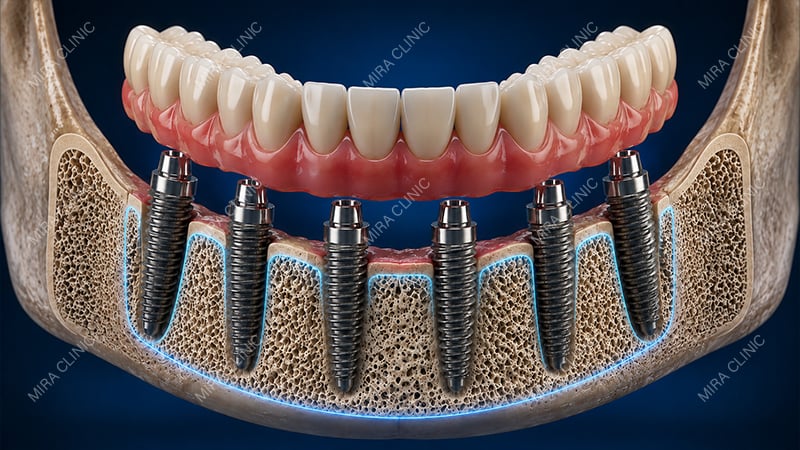
The main advantage of two extra implants is additional support. With six implants, the full-arch bridge may have more foundation points, which can help distribute pressure more evenly compared with a four-implant design.
This does not mean All-on-6 is always the better choice. It means the extra cost may be justified when those two implants improve the safety, stability, and durability of the treatment plan.
What Happens If One Implant Fails?
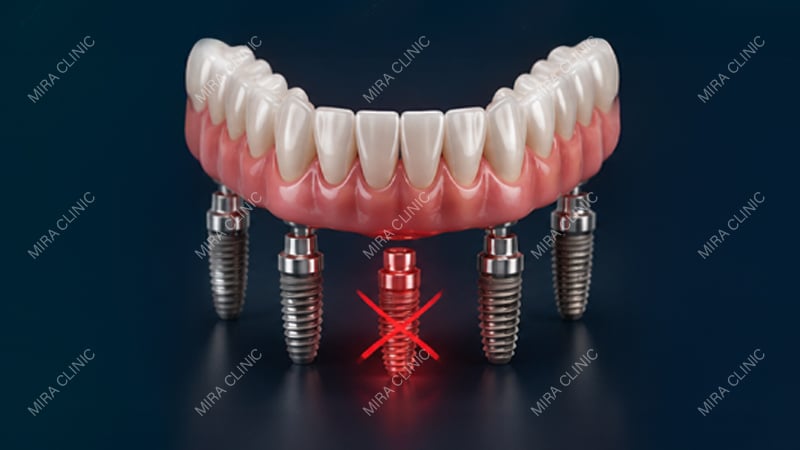
Patients often ask this question when comparing All-on-4 vs All-on-6 price. If one implant fails in an All-on-4 case, the treatment plan may become more complicated because the restoration depends on fewer support points.
In an All-on-6 case, the presence of more implants may sometimes give the dentist more options, depending on which implant is affected, where it is located, and how the final bridge was designed.
This does not mean All-on-6 cannot fail. It also does not mean six implants guarantee success. Implant success still depends on:
- Bone condition
- Surgical planning
- Implant position
- Gum health
- Bite force
- Smoking status
- Medical history
- Oral hygiene
- Maintenance visits
The value of All-on-6 is not just the number of implants. It is whether the extra support improves the full-arch plan for that specific patient.
When Is All-on-6 Not Worth the Extra Cost?
All-on-6 is not necessary for every patient. If four implants can support the final bridge safely and predictably, All-on-4 may be enough.
All-on-6 may not be necessary when:
- Four implants provide stable support
- Bone is not suitable for six implants without extra grafting
- Bite force is moderate
- The bridge design works safely with four implants
- The patient has a limited budget
- Additional implants do not improve the outcome
- A different approach is needed first
More implants do not automatically mean a better treatment. A dentist should not recommend All-on-6 only because it is more expensive. It should be recommended when the extra implants improve support, distribution, or long-term predictability.
For some patients, All-on-6 can be a stronger investment. For others, All-on-4 may offer a better balance between cost, function, and treatment complexity.
Read more: Dental Implants Cost in Turkey: Prices for 4 Missing Teeth, 6 Missing Teeth, and Cracked Teeth Cases
What Affects Full Mouth Dental Implants Cost?
The cost of full mouth dental implants depends on more than the All-on-4 or All-on-6 label. Two patients may both choose All-on-6 but receive different prices because their bone condition, implant brand, final bridge material, and treatment needs are different.
|
Cost Factor |
Why It Matters |
|---|---|
|
Number of implants |
All-on-6 uses more implants |
|
Implant brand |
Premium systems cost more |
|
Bone condition |
Grafting may increase cost |
|
Sinus lift needs |
Upper jaw cases may need support |
|
Abutments |
Components affect total price |
|
Temporary teeth |
May be included or separate |
|
Final bridge material |
Affects strength and appearance |
|
Lab work |
Precision affects fit |
|
Case complexity |
Full-mouth plans vary |
|
Follow-up |
Adjustments may be needed |
As an example, implant options may range from around €320 to €1,000 per implant depending on the brand and system. However, patients should not calculate the total cost by multiplying the implant price only. A full-arch treatment plan also includes prosthetic design, abutments, temporary teeth, final bridge material, and case-specific procedures.
Patients should ask whether the quote includes:
- Implant surgery
- Implant brand
- Abutments
- Temporary teeth
- Final bridge
- X-rays or CBCT imaging
- Bone grafting if needed
- Sinus lift if needed
- Follow-up adjustments
- Medication or sedation if planned
A clear treatment quote should explain what is included, what may be separate, and why the chosen implant count is recommended.
Read more: Nobel Implants vs Straumann vs Zimmer Prices: Cost Differences and Which Is Best
How Dentists Decide Between All-on-4 and All-on-6
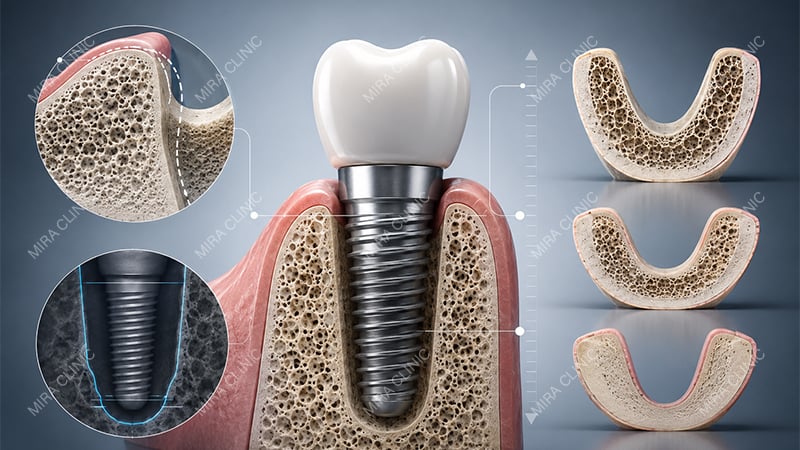
Dentists decide between All-on-4 and All-on-6 after evaluating the patient’s bone, bite, gum health, missing teeth, and final restoration plan. The goal is not to choose the highest number of implants. The goal is to choose the right support system for the patient’s mouth.
The dentist may evaluate:
- Bone volume
- Bone density
- Upper or lower jaw anatomy
- Sinus position in upper jaw cases
- Nerve position in lower jaw cases
- Bite strength
- Grinding or clenching
- Gum health
- Smoking history
- Medical history
- Final bridge material
- Cleaning ability
- Budget and expectations
Bone Condition
If the patient has enough bone in the right positions, All-on-6 may be possible. If bone is limited, the dentist may recommend All-on-4, bone grafting, sinus lift, or another implant strategy.
Bite Force
Patients with stronger bite pressure may benefit from additional implant support. If the bite is moderate and the implant positions are strong, four implants may be enough.
Final Bridge Design
The size, material, and shape of the final bridge can affect how much support is needed. A larger or heavier full-arch restoration may benefit from wider implant distribution.
Long-Term Maintenance
Both All-on-4 and All-on-6 require cleaning, follow-up, and bite monitoring. The best value is the plan that the patient can maintain properly over time.
All-on-4 vs All-on-6 Price: What Are You Paying For?
When comparing All-on-4 vs All-on-6 price, patients should understand what the extra cost may represent. It is not only a higher implant count. It may also reflect a different support philosophy.
With All-on-6, the patient may be paying for:
- Two extra implant foundations
- Better spread across the jaw
- More support for the bridge
- Potentially improved force distribution
- More flexibility in some complex cases
- A treatment plan designed for stronger function
With All-on-4, the patient may be choosing:
- Fewer implants
- Lower treatment cost
- Less surgical complexity in selected cases
- A full-arch solution when four implants are enough
- A more efficient plan when bone and bite allow it
Neither option is automatically better. The value depends on whether the chosen plan matches the patient’s anatomy, bite, budget, and long-term goals.
Is All-on-6 Worth the Extra Cost?
All-on-6 may be worth the extra cost when the two additional implants improve stability, support, and long-term function. This is especially relevant for patients with strong chewing force, suitable bone volume, or a full-arch plan that benefits from more support points.
All-on-6 may be worth considering if:
- You want stronger full-arch support
- You have enough bone for six implants
- You have high bite pressure
- Your dentist recommends wider force distribution
- You are planning a long-term fixed bridge
- You want extra support for a complex case
All-on-6 may not be worth the extra cost if four implants can provide enough support, the bone does not allow six implants without extra procedures, or the additional implants do not improve the final result.
The best answer should come after X-rays, CBCT evaluation, bite analysis, and a clear explanation of the final bridge design.
Read more: All-on-4 Dental Implants Turkey Cost vs All-on-6: Prices and Candidate Needs
Questions to Ask Before Choosing All-on-4 or All-on-6
Before deciding, patients should ask:
- Why do I need four or six implants?
- Is All-on-6 worth the extra cost in my case?
- What implant brand will be used?
- What is included in the price?
- Are abutments included?
- Are temporary teeth included?
- What material will be used for the final bridge?
- Do I need bone grafting or sinus lift?
- What happens if one implant fails?
- How should I clean the final bridge?
- How often do I need follow-up visits?
These questions help patients understand whether they are paying for real clinical value or only a higher implant count.
Read more: Alfa Gate M+ vs Hiossen Implants: Price, Differences, and Which to Choose