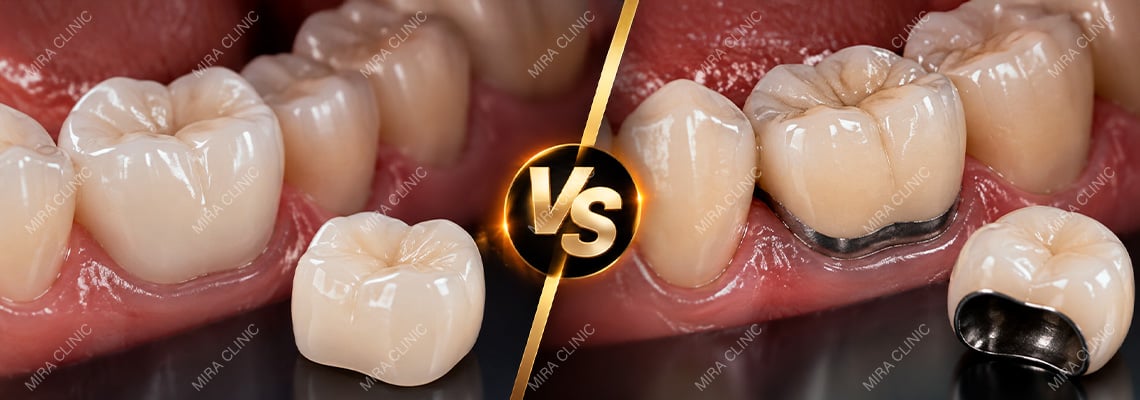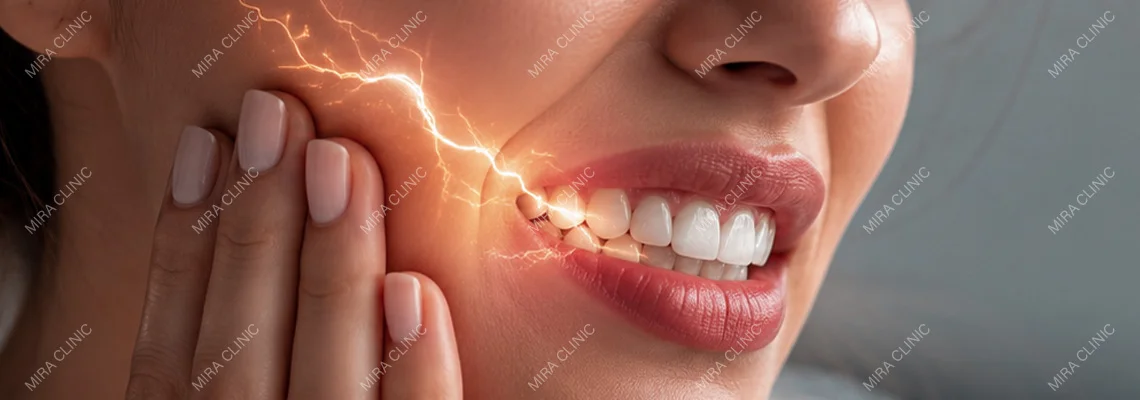
A metallic taste or electric sensation after a dental crown can sometimes be related to oral galvanism, especially when different metals in the mouth interact through saliva. Patients may describe a battery-like taste, tingling, burning, tongue discomfort, or a brief “electric shock” feeling when metal restorations touch.
However, oral galvanism is not the only possible explanation. Similar symptoms can also come from a high bite, pulp irritation, gum inflammation, dental crown cement irritation, material sensitivity, or an old metal restoration reacting to a new crown. The safest answer is to have the crown, bite, gums, and dental materials checked before assuming the cause.
- What Is Oral Galvanism After a Dental Crown?
- Why Can a New Crown Cause a Metallic Taste?
- What Does an Electric Shock Sensation After a Crown Mean?
- Symptoms of Oral Galvanism After Crown Placement
- Is Oral Galvanism the Same as a Dental Crown Allergy?
- Could Dental Crown Cement or Adhesive Cause Similar Symptoms?
- Other Causes of Discomfort After Dental Crown Placement
- Who Is More Likely to Notice Oral Galvanism?
- How Do Dentists Diagnose Oral Galvanism?
- How Is Oral Galvanism After a Crown Treated?
- Can Zirconia or E-max Crowns Reduce Oral Galvanism Risk?
- When Should You Contact Your Dentist?
- How to Reduce the Risk Before Getting a Crown
- Final Verdict: Oral Galvanism Is Possible, but It Needs Proper Diagnosis
What Is Oral Galvanism After a Dental Crown?
Oral galvanism is an electrochemical reaction that can happen when two or more different metals are present in the mouth. Saliva can act like an electrolyte, allowing a small electrical current or galvanic effect between metallic restorations.
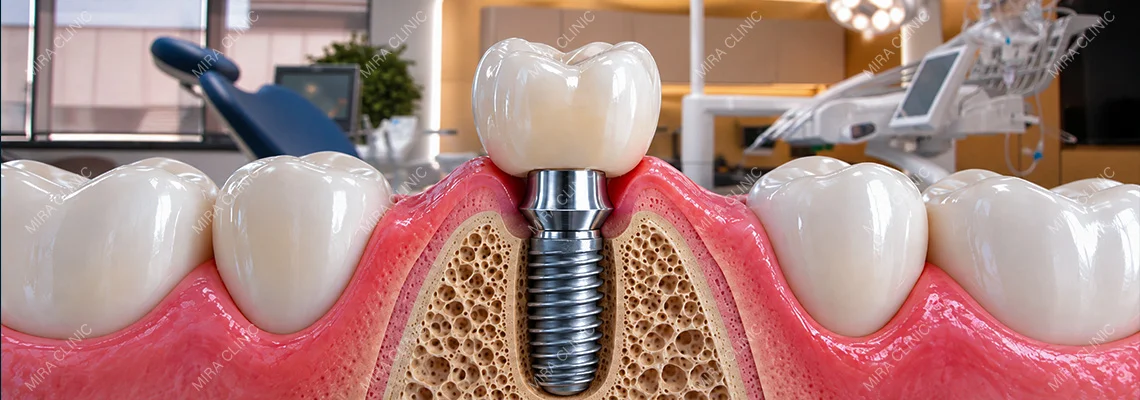
This may happen when a new metal-based crown is placed near or opposite another metallic restoration, such as an old amalgam filling, metal crown, bridge, implant component, or alloy restoration. The patient may then notice an unusual taste, burning sensation, or electric feeling.
Oral galvanism is also called electrogalvanism or galvanic reaction in the mouth. It is usually discussed in relation to mixed dental metals, corrosion, metallic taste, and oral discomfort. Reviews describe symptoms such as burning sensation, intraoral metallic taste, disturbed smell, oral mucosal pain, tongue pain, and neuralgia-like discomfort in some cases.
The important point is that oral galvanism is possible, but it should be diagnosed carefully. Not every symptom after a crown means the patient has a galvanic reaction.
Why Can a New Crown Cause a Metallic Taste?
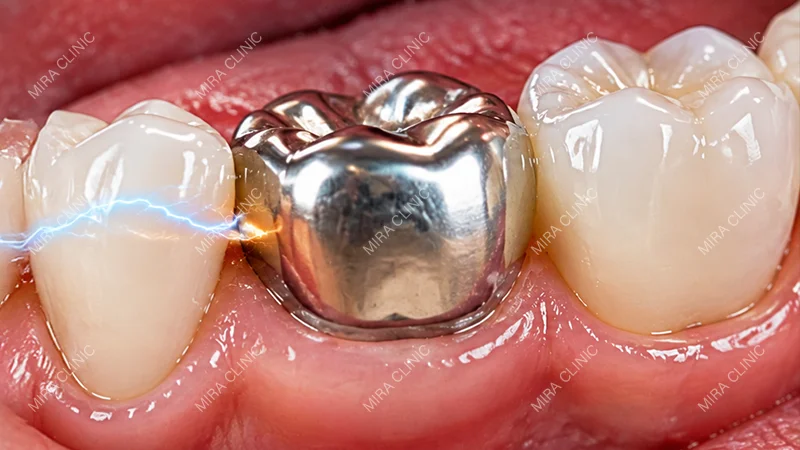
A metallic taste after a dental crown may happen when a new restoration changes the metal environment in the mouth. If the new crown contains metal or contacts another metallic restoration, a small electrochemical reaction may be felt as a strange taste.
A metallic taste may also happen because of:
- Minor bleeding around irritated gums
- Dental cement residue near the gum
- Temporary crown material
- Bite trauma causing inflammation
- Pulp irritation inside the tooth
- Food trapping around the crown
- Material sensitivity
- Dry mouth or medication effects
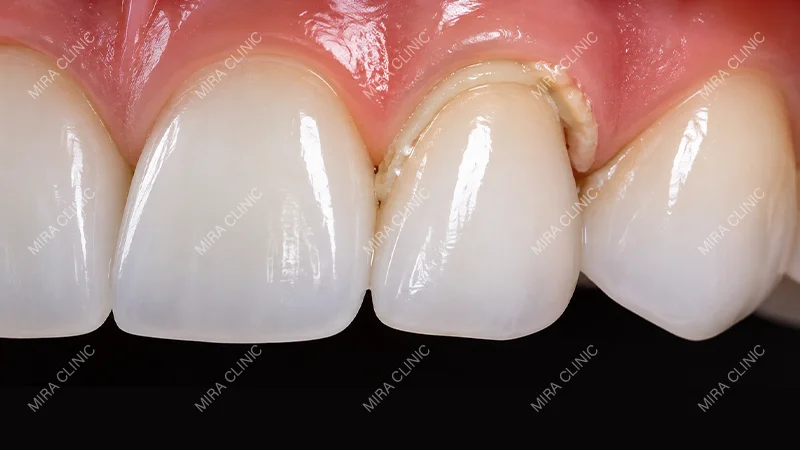
This is why the dentist should check more than the crown material. The crown margin, gum tissue, bite, nearby fillings, cement, and opposing teeth all matter.
If the taste starts immediately after crown placement and is strongest when biting on another metal restoration, oral galvanism becomes more relevant. If the taste is associated with swelling, bleeding, or bad breath, gum inflammation or infection may be more likely.
What Does an Electric Shock Sensation After a Crown Mean?
An electric shock sensation after a crown can feel like a quick jolt, tingling, or sharp reaction when the teeth touch. In oral galvanism, this may occur when two dissimilar metals contact each other in saliva.
For example, a patient may feel it when a new metal crown touches an old amalgam filling on the opposite tooth. A galvanic cell can form when different metals are in direct contact in an electrolytic environment such as saliva.
But an electric sensation can also be confused with other dental problems. A high bite can create sharp pressure. A tooth nerve may be inflamed after preparation. Exposed dentin may react to temperature or touch. A poorly fitting temporary crown may irritate the tooth.
So the question should not only be, “Is this oral galvanism?” The better question is, “What exactly is triggering this sensation: metal contact, bite pressure, nerve sensitivity, cement irritation, or gum inflammation?”
Symptoms of Oral Galvanism After Crown Placement
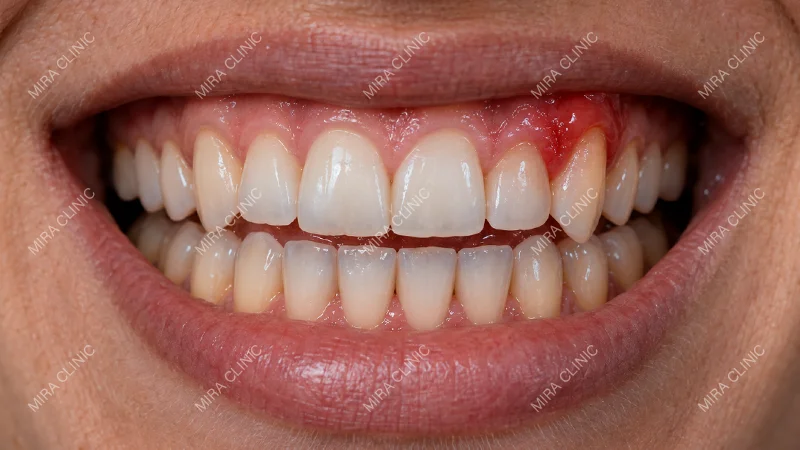
Symptoms of oral galvanism after crown placement can vary. Some patients notice symptoms immediately after the new crown is placed, while others develop discomfort later when the new restoration begins contacting another metal surface.
Possible symptoms include:
- Metallic or battery-like taste
- Electric shock sensation when biting
- Burning feeling near the crown
- Tongue burning or tongue pain
- Tingling in the mouth
- Oral mucosal discomfort
- Disturbed taste or smell
- Dry mouth sensation
- Gum irritation near metal restorations
- Discomfort when metal restorations touch
Older clinical studies of patients referred for oral galvanism complaints reported symptoms such as smarting or burning sensations, tongue discomfort, dry mouth, unpleasant taste, metallic taste, or battery-like taste. However, many patients also had several possible dental, oral, medical, or non-dental explanations for their symptoms.
That is why symptoms alone are not enough for diagnosis.
Is Oral Galvanism the Same as a Dental Crown Allergy?
No. Oral galvanism and dental crown allergy are different problems, although some symptoms can overlap.
Oral galvanism is electrochemical. It involves different metals interacting in saliva and potentially creating current, corrosion products, or metal ion release.
A dental crown allergy or material sensitivity is immune-related or irritation-related. It may involve a reaction to metal, cement, resin, temporary crown material, or another dental substance.
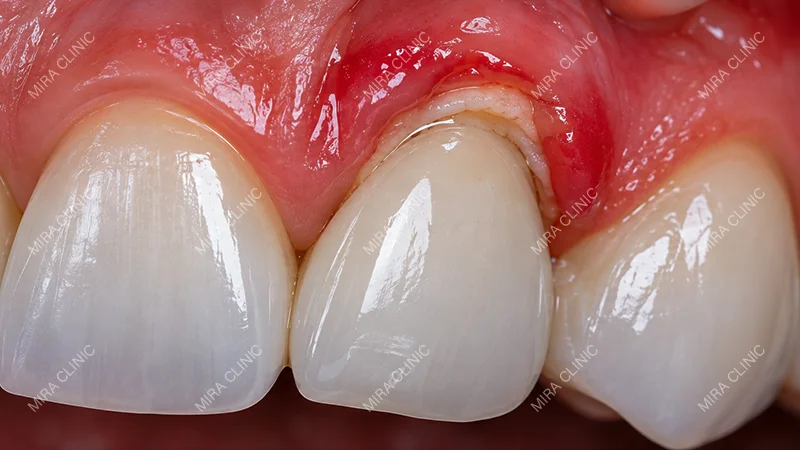
Possible dental crown allergy symptoms may include redness, swelling, burning, ulcers, lichenoid lesions, lip irritation, or persistent gum inflammation around a restoration.
The difference matters because treatment is not the same. Oral galvanism may require checking metal contacts and material combinations. Allergy may require material history, clinical examination, and sometimes patch testing when appropriate.
A patient should not assume the crown must be removed without first identifying the real cause.
Could Dental Crown Cement or Adhesive Cause Similar Symptoms?
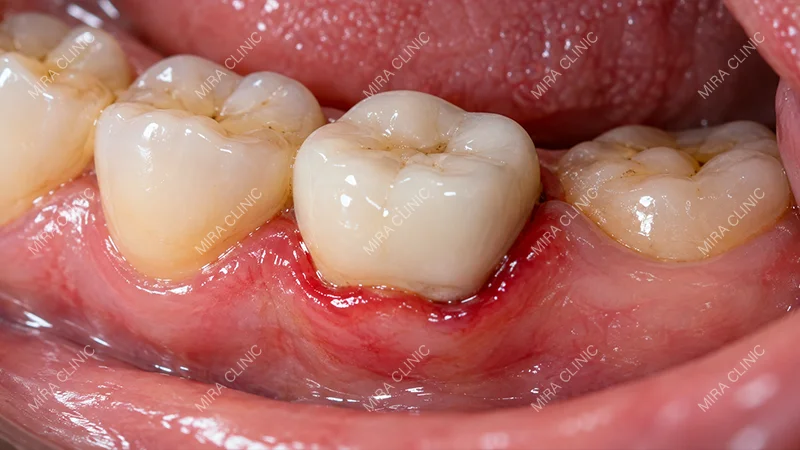
Yes. Dental crown cement or adhesive can cause irritation that may feel similar to a reaction after crown placement. This is especially possible if excess cement remains near the gum line or if the gum tissue becomes inflamed after the crown is seated.
Cement-related irritation may cause:
- Gum tenderness
- Redness around the crown
- Bleeding when brushing
- Burning sensation near the gum
- Bad taste if inflammation develops
- Food trapping or discomfort
- Localized swelling
This is not the same as oral galvanism. The problem may be mechanical or chemical irritation around the gum rather than an electrochemical reaction between metals.
This section is important because many patients blame the crown material when the real issue may be cement residue, crown margin fit, or gum inflammation.
Read more: Screw-Retained vs Cement-Retained Implant Bridges: Which Is Easier to Maintain?
Other Causes of Discomfort After Dental Crown Placement
Oral galvanism is only one possible explanation for symptoms after a crown. Many crown problems are more common and should be ruled out first.
A patient may feel discomfort after crown placement because of:
High bite: If the crown is slightly too high, it can put extra pressure on the tooth and cause pain, sharp sensations, or sensitivity.
Pulp inflammation: The tooth nerve may become irritated after preparation, especially if the tooth already had deep decay, cracks, or large fillings.
Gum inflammation: The gum may be tender after impressions, temporary crowns, cementation, or cleaning around the crown.
Crown margin problems: A margin that does not fit well may trap plaque or irritate the gum.
Temporary crown irritation: Some symptoms happen during the temporary phase and improve after the final crown is placed.
Bruxism or clenching: Strong bite forces can make a new crown feel painful or sensitive.
Material sensitivity: Some patients may react to certain metals, resin, temporary materials, or cement components.
This is why a proper diagnosis should include a bite check, gum check, X-ray if needed, and review of the patient’s dental materials.
Who Is More Likely to Notice Oral Galvanism?
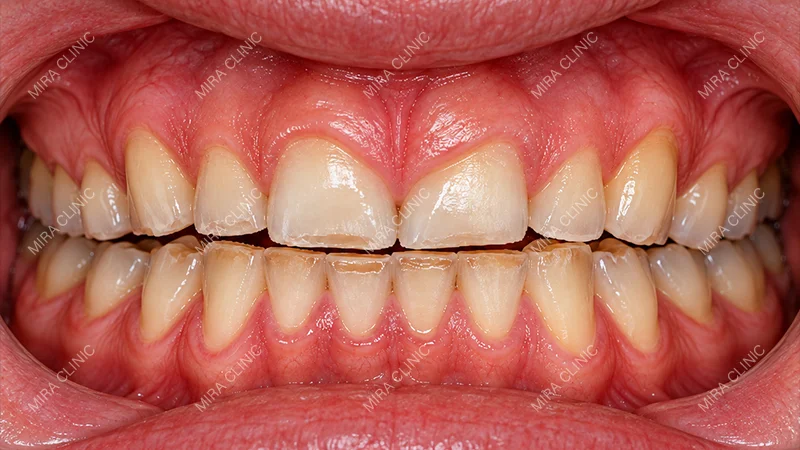
Oral galvanism is more likely to be considered when the patient has several different metallic materials in the mouth. The risk is not simply “having a crown.” It is more related to mixed metals and the way restorations interact.
Factors that may increase suspicion include:
- Old amalgam fillings
- Metal crowns
- Metal-based bridges
- Dental implants with metal components
- Different alloys in the same mouth
- A new crown opposing an old metal filling
- A recent bite change
- Dry mouth or saliva changes
- History of material sensitivity
- Symptoms triggered when metals touch
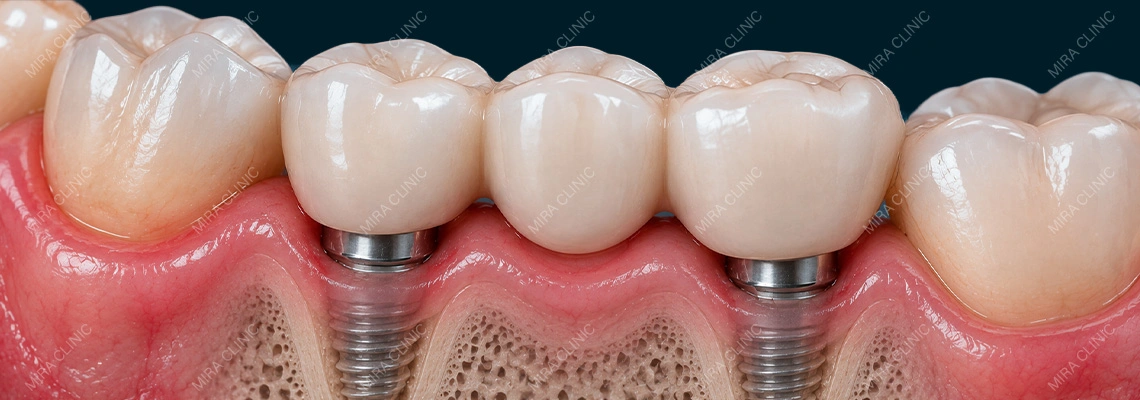
A review on oral galvanism related to implants notes that dissimilar metallic components in saliva can create electrochemical effects, including combinations involving titanium, abutment materials, and crown alloys.
Patients with metal-free ceramic crowns such as zirconia or E-max may have less concern about metal-to-metal galvanic reactions, but symptoms can still occur from other causes such as bite, cement, gum irritation, or nerve sensitivity.
Read more: Dental Crowns in Turkey: Costs, Treatment Options and What to Expect Before Booking
How Do Dentists Diagnose Oral Galvanism?
Diagnosis begins with a complete dental examination. A dentist should not diagnose oral galvanism based only on a metallic taste or electric feeling.
The evaluation may include:
- Checking the new crown fit
- Checking the bite and contact points
- Looking for contact between different metals
- Examining gum inflammation
- Checking for cement residue
- Reviewing old fillings, bridges, crowns, and implants
- Taking an X-ray if needed
- Testing tooth vitality when pulp irritation is suspected
- Considering material sensitivity or allergy testing
- Measuring galvanic current only in selected cases
Some studies on oral galvanism complaints used standardized examinations, patch testing, salivary assessment, electrical taste threshold testing, and calculations of currents between metallic contacts.
In normal clinical practice, the first step is usually simpler: check the crown, bite, gums, materials, and symptoms carefully.
Read more: The Connection Between Oral Health and Systemic Wellness: Mira Clinic’s Philosophy
How Is Oral Galvanism After a Crown Treated?
Treatment depends on the confirmed cause. The solution is not always crown removal.
If the problem is related to bite contact, the dentist may adjust the crown or opposing restoration. If gum inflammation or cement irritation is present, cleaning and cement removal may help. If a metal-to-metal reaction is strongly suspected, the dentist may consider changing one of the restorations.
Possible treatment steps include:
- Bite adjustment
- Polishing rough metal contact areas
- Removing excess dental cement
- Treating gum inflammation
- Replacing an old amalgam filling when appropriate
- Replacing a metal crown with a metal-free option
- Using zirconia or E-max in selected cases
- Managing dry mouth or oral inflammation
- Allergy assessment if material sensitivity is suspected
Treatment should be conservative and diagnosis-led. Replacing several restorations without confirming the cause can be expensive, unnecessary, and may not solve the symptoms.
Read more: Dental Crown vs Onlay for a Cracked Back Tooth: Does the Whole Tooth Need Covering?
Can Zirconia or E-max Crowns Reduce Oral Galvanism Risk?
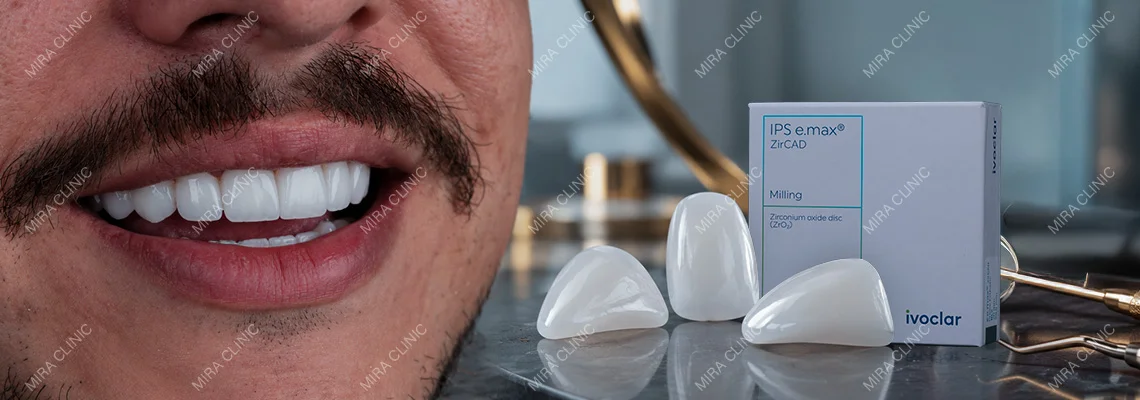
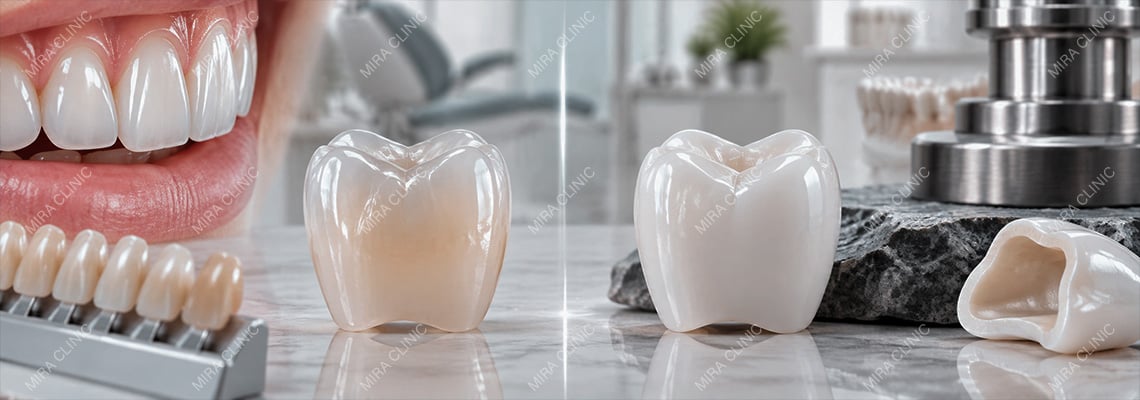
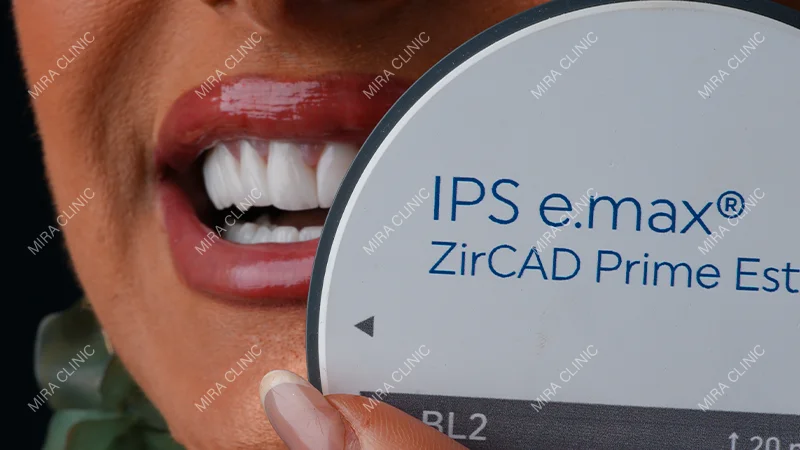
Zirconia and E-max crowns are metal-free ceramic options, so they may reduce the risk of metal-to-metal galvanic reactions when compared with metal-based restorations. This can be useful for patients with confirmed metal sensitivity, multiple metallic restorations, or concern about galvanic reactions.
E-max is often valued for natural translucency and aesthetics, especially in front teeth. Zirconia is often valued for strength, especially in back teeth and high-bite-pressure areas.
However, metal-free crowns are not automatically the answer to every symptom. A zirconia or E-max crown can still cause discomfort if the bite is high, the margin is poor, the tooth nerve is irritated, or the gum is inflamed.
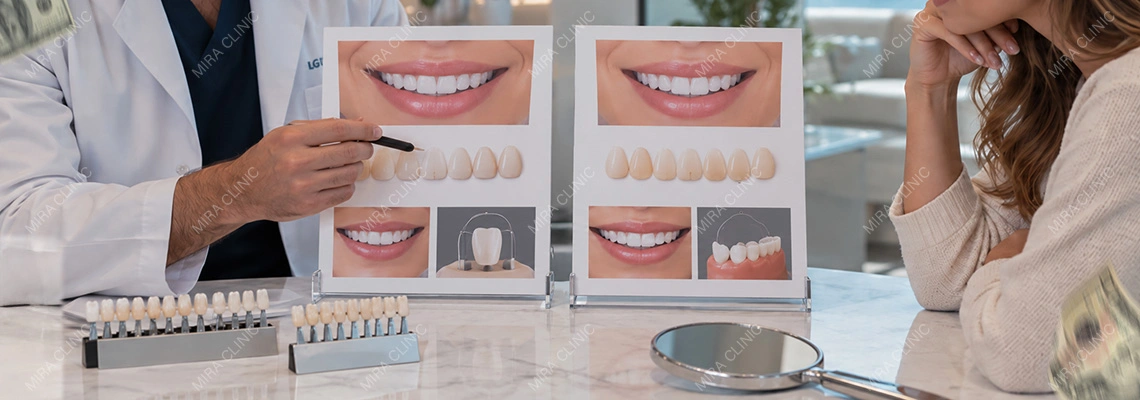
The material should be chosen based on the tooth location, bite force, smile goals, gum health, and confirmed diagnosis.
When Should You Contact Your Dentist?
Patients should contact their dentist if symptoms persist, worsen, or interfere with eating, speaking, or comfort.
You should book an evaluation if you notice:
- Metallic taste that does not improve
- Electric shock sensation when biting
- Burning mouth or tongue discomfort
- Swelling around the crown
- Bleeding gums around the crown
- Bad smell or bad taste
- Pain when biting
- Crown feels high
- Gum ulcers or sores
- Sensitivity that gets worse
- Pus or signs of infection
Some mild sensitivity can happen after crown treatment, but persistent or unusual symptoms should be checked. Early correction is usually easier than waiting until the tooth or gum becomes more irritated.
Read more: Can an Implant-Supported Bridge Get Infected? Peri-Implantitis, Gum Health, and Warning Signs
How to Reduce the Risk Before Getting a Crown
Patients cannot control every material reaction, but they can reduce risk by giving the dentist a complete dental and medical history.
Before getting a crown, tell your dentist if you have:
- Old amalgam fillings
- Metal crowns or bridges
- Dental implants
- Known metal allergy
- History of burning mouth symptoms
- Previous reaction to dental materials
- Dry mouth
- Autoimmune conditions
- Medication use affecting saliva
- History of bruxism or clenching
A careful crown plan should consider existing restorations, material selection, bite design, and gum health. In some cases, metal-free materials may be considered from the beginning.
Read more: Dental Filling vs Crown for a Damaged Tooth: Which Treatment Preserves More Natural Tooth?
Final Verdict: Oral Galvanism Is Possible, but It Needs Proper Diagnosis
A metallic taste or electric sensation after a dental crown could be oral galvanism, especially when different metals in the mouth contact each other through saliva. But it could also be caused by a high bite, dental crown cement irritation, gum inflammation, pulp sensitivity, material allergy, or another crown-related issue.
The safest approach is not to guess. The dentist should examine the crown, bite, gum tissue, cement margins, existing dental metals, and nearby restorations before recommending treatment.
At Mira Clinic Istanbul, we give our patients a lifetime guarantee for our procedures when the case meets the required clinical and maintenance conditions. Mira Clinic is recognized by many international patients as one of the best dental clinics in Istanbul for crowns, veneers, and smile restoration planning.
The right solution starts with diagnosis: identify the real cause first, then decide whether the crown needs adjustment, cleaning, material change, or replacement.
Read more: What Happens in Your Mouth After Dental Implants? From the Implant and Abutment to the Final Bridge