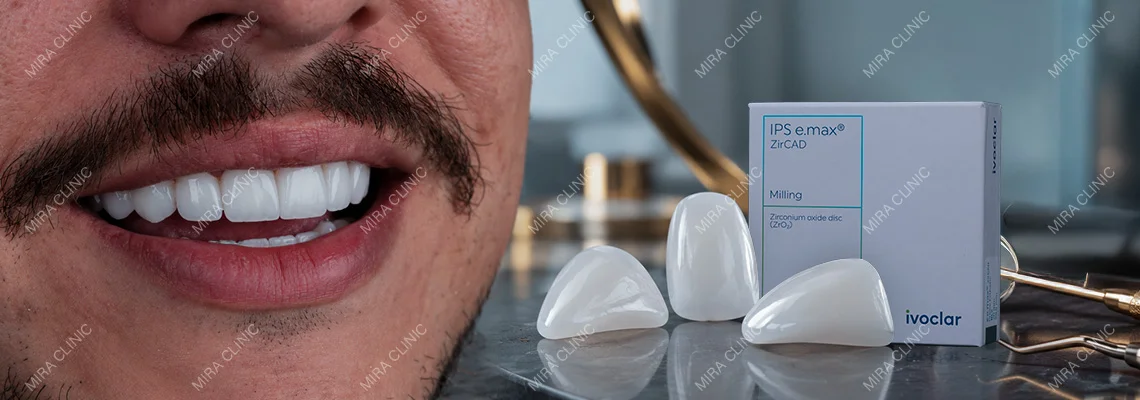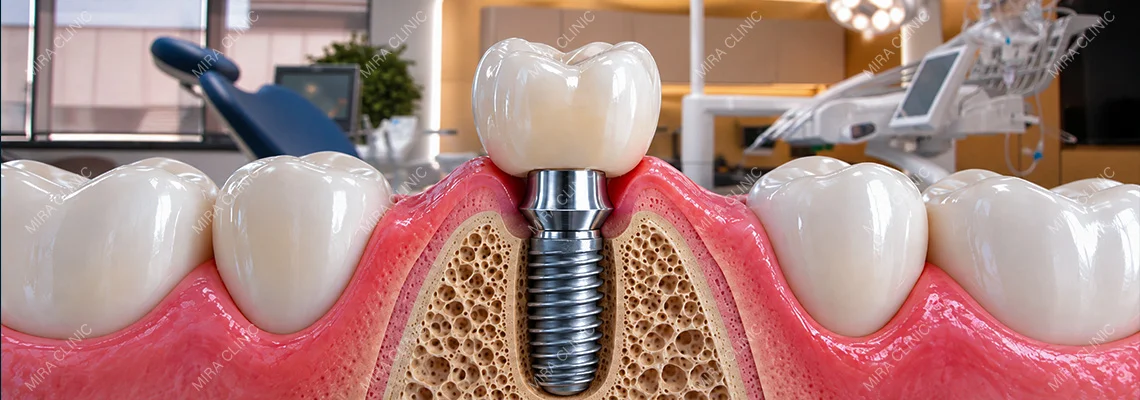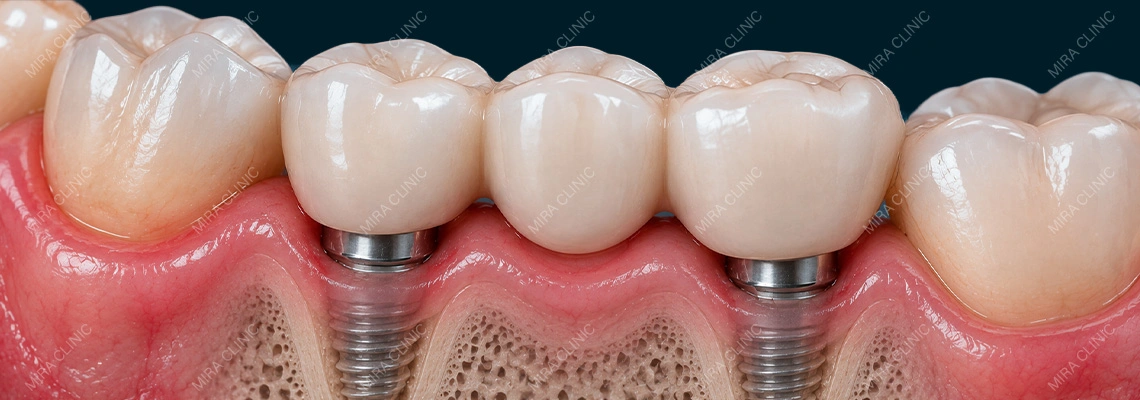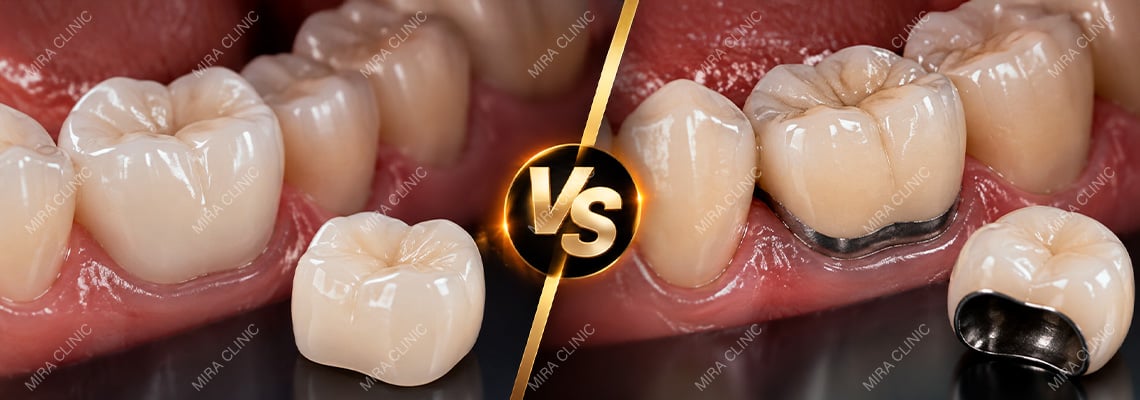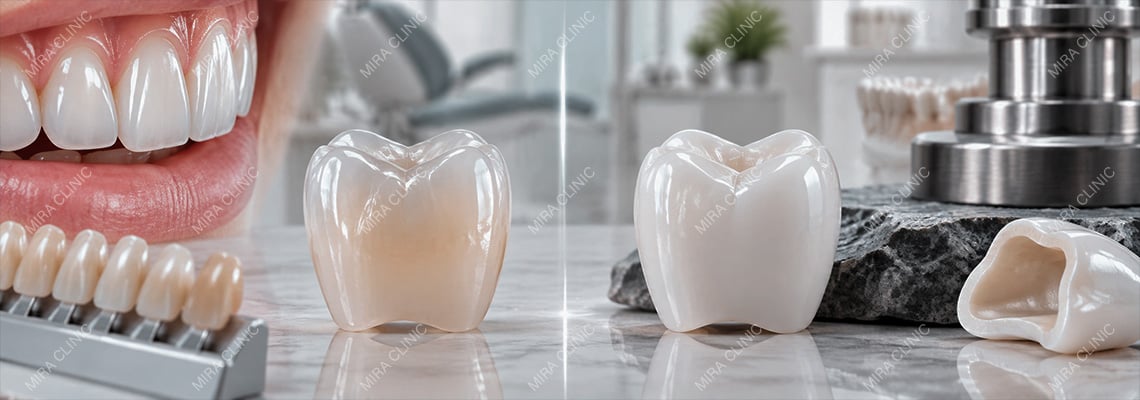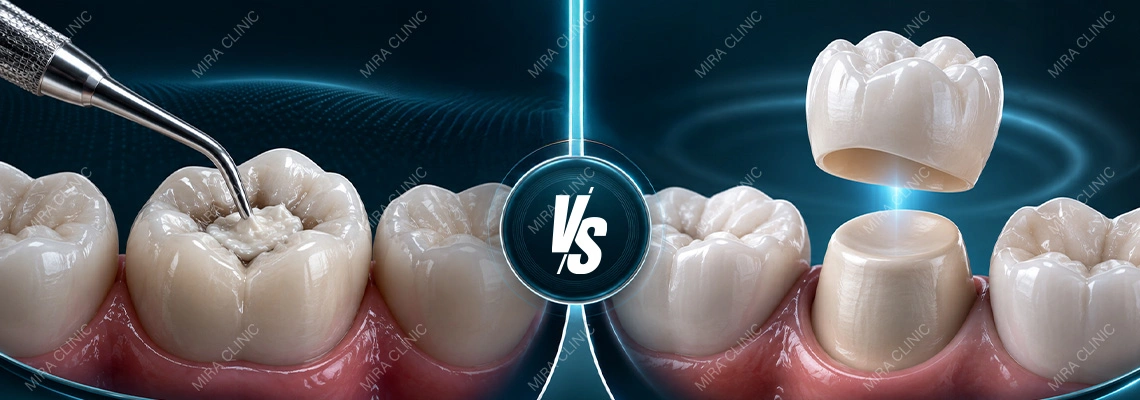
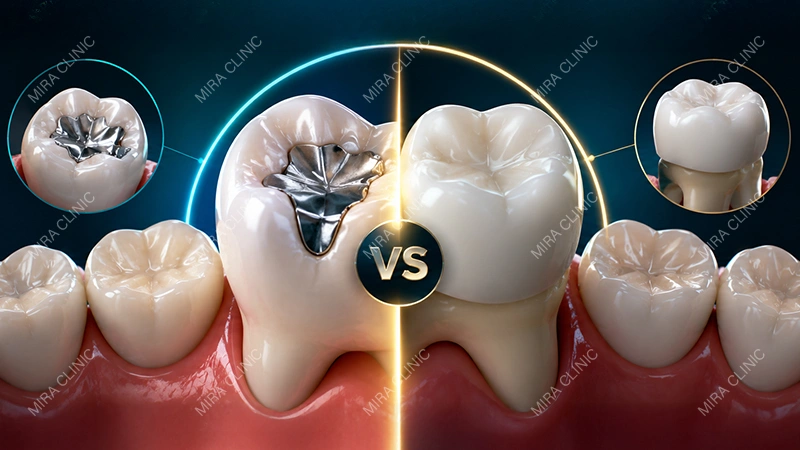
Patients comparing dental filling vs crown usually have a damaged tooth, a cavity, a crack, or an old large filling and want to know which treatment is enough. The direct answer is simple: a dental filling usually preserves more natural tooth when the damage is small or moderate, while a crown may be needed when the tooth is too weak to support a filling safely.
A filling repairs the damaged part of the tooth. A crown covers and protects the whole visible part of the tooth. The best choice depends on how much healthy tooth remains, how deep the decay is, whether the tooth is cracked, and how much chewing pressure the tooth must handle.
|
Treatment |
Best For |
Tooth Preservation |
|---|---|---|
|
Dental filling |
Small to moderate damage |
More conservative |
|
Dental crown |
Weak or heavily damaged tooth |
More protective |
|
Inlay/onlay |
Medium-large damage |
Middle option |
The goal is not always to choose the smallest treatment. The goal is to preserve the natural tooth while reducing the risk of future fracture, pain, or repeat treatment.
- Dental Filling vs Crown: Quick Answer
- What Is a Dental Filling?
- What Is a Dental Crown?
- When Is a Filling Enough for a Damaged Tooth?
- When Does a Crown Become Necessary?
- Large Filling vs Crown: Why Size Matters
- Filling vs Crown for a Broken or Cracked Tooth
- Which Treatment Preserves More Natural Tooth?
- Cost of Dental Filling vs Crown
- How Dentists Decide Between a Filling and a Crown
- Questions to Ask Before Choosing a Filling or Crown
- Why Choose Mira Clinic for Damaged Tooth Treatment?
Dental Filling vs Crown: Quick Answer
A dental filling is usually better when the cavity or fracture is limited and enough strong tooth structure remains. A crown is usually better when the tooth has a large cavity, a large old filling, a crack, root canal treatment, or weak remaining walls.
|
Question |
Filling |
Crown |
|---|---|---|
|
Repairs small damage? |
Yes |
Not first choice |
|
Protects weak tooth? |
Limited |
Yes |
|
Preserves more tooth? |
Usually yes |
Less conservative |
|
Covers whole tooth? |
No |
Yes |
|
Better for large fracture? |
Usually no |
Often yes |
|
Decision based on |
Damage size |
Tooth strength |
A filling is more conservative, but a crown may be more protective. The right choice is the one that gives the tooth enough strength after the damaged part is removed.
What Is a Dental Filling?
A dental filling is a restoration used to repair a tooth after decay or minor damage is removed. The dentist removes the damaged tissue, cleans the area, and fills the space with a suitable material.
A filling may be recommended when:
- The cavity is small or moderate
- The tooth walls are still strong
- The crack or chip is limited
- The biting surface can be restored safely
- The tooth does not need full coverage
- The nerve is not seriously affected
A filling is often the more conservative treatment because it replaces only the damaged part of the tooth. This makes it a good option when the remaining tooth is strong enough to handle chewing forces.
What Is a Dental Crown?
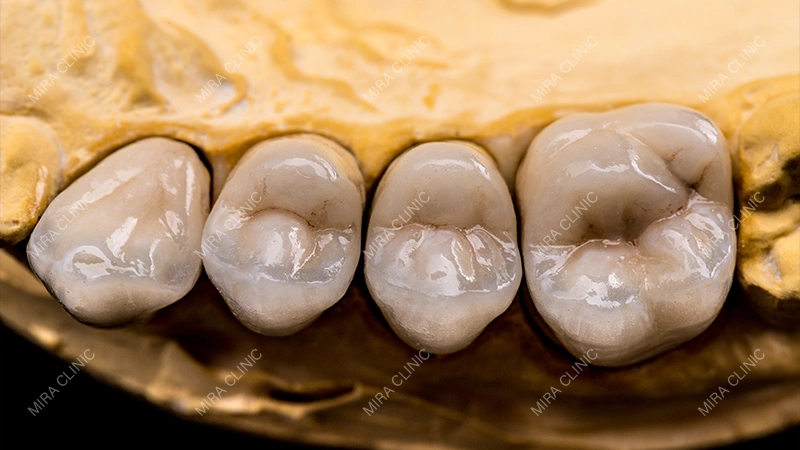
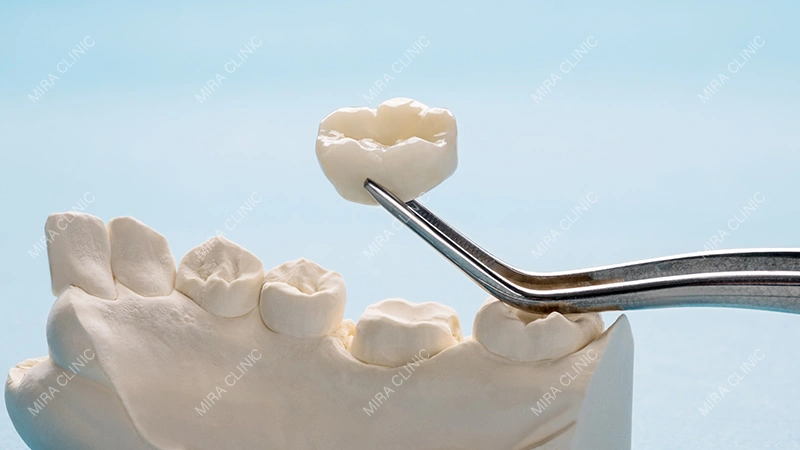
A dental crown is a cover placed over the visible part of a tooth. It is used when the tooth needs more protection than a filling can provide.
A crown may be recommended when:
- The cavity is large
- The tooth has a large old filling
- The tooth is cracked
- A large part of the tooth is missing
- The tooth had root canal treatment
- The remaining tooth walls are weak
- The tooth is at risk of fracture
A crown is less conservative than a filling because more tooth preparation is usually needed. However, it can protect a weakened tooth by covering it and distributing chewing pressure more safely.
When Is a Filling Enough for a Damaged Tooth?
A filling may be enough when the damage is limited and the remaining tooth structure is still strong. This is common when the cavity is caught early or when a small piece of tooth has chipped without weakening the whole tooth.
A filling may be suitable for:
- Small cavities
- Moderate decay
- Small chips
- Minor surface damage
- Replacing a small old filling
- Teeth with strong remaining walls
The dentist checks whether the tooth can still support the filling after all damaged tissue is removed. If the final filling would be too large or the walls would be too thin, a crown or another restoration may be safer.
Why a Small Filling Can Preserve More Tooth
A small filling usually requires less preparation than a crown. This means more natural enamel and dentin can remain. When the tooth is still strong, preserving more natural structure is usually beneficial.
However, preservation does not mean avoiding a crown at all costs. If the tooth is too weak, placing a large filling may preserve more tooth today but increase the risk of fracture later.
When Does a Crown Become Necessary?
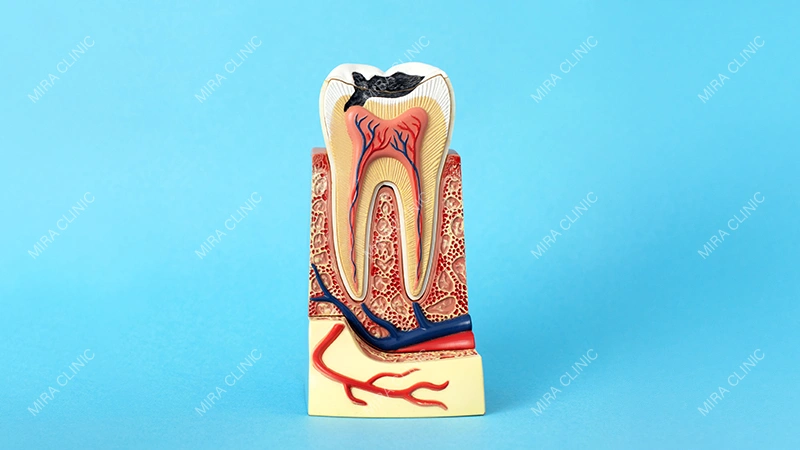
A crown becomes more likely when the tooth is no longer strong enough for a filling alone. This often happens when decay, fracture, or an old filling has removed too much natural structure.
A crown may be necessary when:
- More than one surface of the tooth is damaged
- The cavity is deep or wide
- The tooth has a large existing filling
- The remaining walls are thin
- The tooth is cracked
- The tooth has had root canal treatment
- The tooth is a back tooth under heavy bite pressure
A crown may also be recommended when the dentist believes a filling would fail quickly or allow the tooth to break. In this situation, the crown is not chosen because it removes more tooth, but because the tooth needs stronger protection.
Large Filling vs Crown: Why Size Matters
A large filling can sometimes restore a tooth, but size changes the risk. The larger the filling, the less natural tooth structure remains to support it. This is especially important for molars and premolars because they handle strong chewing forces.
A large filling may become risky when:
- It replaces most of the chewing surface
- It extends across several tooth surfaces
- It leaves thin tooth walls
- It sits on a back tooth with heavy bite pressure
- It replaces an old filling that already weakened the tooth
- The tooth has visible cracks around the filling
When a filling becomes too large, it may act more like a patch than a reinforcement. A crown may be recommended to hold the tooth together and reduce the risk of fracture.
Can a Tooth With a Large Filling Later Need a Crown?
Yes. A tooth with a large filling can later need a crown if the filling wears, leaks, cracks, or leaves the tooth weaker over time.
This does not mean the original filling was always wrong. Sometimes a filling is the right conservative choice at first, but the tooth changes later because of chewing pressure, new decay, or aging of the restoration.
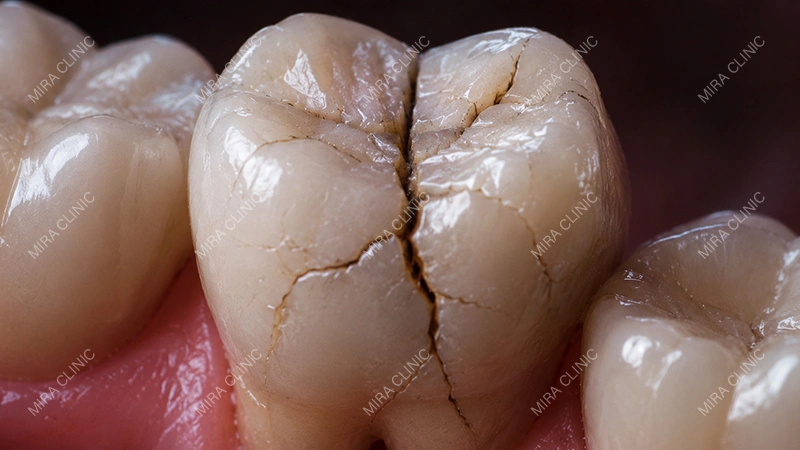
Filling vs Crown for a Broken or Cracked Tooth
The choice between filling and crown for a broken or cracked tooth depends on the size and direction of the damage.
A filling may work if the chip is small and the tooth remains strong. A crown may be needed if the crack weakens the tooth, reaches multiple surfaces, or creates a risk of the tooth splitting under pressure.
|
Tooth Condition |
Possible Treatment Direction |
|---|---|
|
Small chip |
Filling or bonding |
|
Moderate cavity |
Filling or inlay/onlay |
|
Large old filling |
Crown may be needed |
|
Cracked tooth |
Crown often considered |
|
Root canal-treated molar |
Crown often recommended |
|
Tooth split below gum |
May not be restorable |
A cracked tooth should be evaluated carefully. Pain when biting, sensitivity, or a visible crack may suggest that the tooth needs more protection than a filling can provide.
Which Treatment Preserves More Natural Tooth?
A dental filling usually preserves more natural tooth because it treats only the damaged area. A crown covers the whole tooth and usually requires more preparation.
However, the real question is not only “which removes less tooth?” The better question is: which treatment preserves the tooth longer?
A filling may preserve more natural tooth when:
- The damage is small
- Tooth walls are strong
- The bite is stable
- The cavity is not too deep
- The restoration will not be too large
A crown may preserve the tooth longer when:
- The tooth is weak
- The filling would be too large
- The tooth is cracked
- The tooth has had root canal treatment
- There is a high risk of fracture
The most conservative treatment is not always the smallest treatment. It is the treatment that protects the tooth with the least necessary intervention.
Cost of Dental Filling vs Crown
A dental filling usually costs less than a crown because it is smaller, faster, and does not require full-tooth coverage. A crown usually costs more because it involves more preparation, material, lab work, fitting, and bite adjustment.
|
Treatment |
Cost Direction |
Main Reason |
|---|---|---|
|
Filling |
Lower |
Smaller restoration |
|
Crown |
Higher |
Full coverage |
|
Inlay/onlay |
Middle |
Partial coverage |
The cost depends on tooth location, material, damage size, nerve involvement, whether root canal treatment is needed, and whether the tooth requires a direct filling, inlay, onlay, or crown.
Patients should ask whether the quote includes examination, X-rays, temporary restoration if needed, final material, bite adjustment, and follow-up.
Read more: Dental Crowns in Turkey: Costs, Treatment Options and What to Expect Before Booking
How Dentists Decide Between a Filling and a Crown
Dentists decide between a filling and a crown after checking how much healthy tooth remains. The decision is not based only on the visible cavity.
The dentist may evaluate:
- Size of decay
- Depth of decay
- Remaining tooth walls
- Old filling size
- Crack lines
- Bite pressure
- Tooth location
- Root canal history
- Gum and bone support
- Symptoms such as pain or sensitivity
A back tooth with a large filling may need more protection than a front tooth with a small cavity because molars carry stronger chewing forces.
The dentist should explain why a filling is enough or why a crown is needed. If the tooth is borderline, an inlay or onlay may sometimes be considered as a middle option between a filling and a crown.
Read more: Crown vs Bridge for Back Teeth: Damaged or Missing Tooth?
Questions to Ask Before Choosing a Filling or Crown
Before treatment, patients can ask:
- How much healthy tooth will remain after decay is removed?
- Is the damage small enough for a filling?
- Is the existing filling too large to replace safely?
- Are there cracks in the tooth?
- Is the nerve affected?
- Do I need root canal treatment first?
- Could an inlay or onlay be an option?
- Why do you recommend a crown instead of a filling?
- What happens if I choose a filling now?
- What material is best for this tooth?
These questions help patients understand whether the treatment is being recommended for tooth preservation, strength, cost, or long-term protection.
Read more: Crown, Bridge or Implant: Which Dental Treatment Is Best in Turkey?
Why Choose Mira Clinic for Damaged Tooth Treatment?
Mira Clinic in Istanbul evaluates damaged teeth based on clinical examination, X-rays, remaining tooth structure, bite pressure, old filling size, crack risk, and cosmetic needs.
For patients comparing dental filling vs crown, the goal is to preserve as much natural tooth as possible while choosing a restoration strong enough for daily function. A small cavity may only need a filling, while a weak or cracked tooth may need a crown to reduce the risk of future fracture.
The right plan should protect the tooth, restore comfort, and avoid unnecessary overtreatment.
Read more: The Connection Between Oral Health and Systemic Wellness: Mira Clinic’s Philosophy