A Hollywood Smile in Turkey is often marketed as fast and simple. In reality, it is a multi-step clinical process that should follow a clear sequence. When each step is done correctly, the result can be predictable, natural, and comfortable. When steps are rushed or skipped, problems often appear after the patient has already flown home.
This guide explains what the Hollywood Smile process in Turkey should look like, from the first online consultation to the final fitting day, including what happens each day and what you should check before leaving the country.
- Before You Book — What Your Online Consultation Should Include
- Step 1 — In-Clinic Assessment in Turkey (The Non-Negotiables)
- Step 2 — Smile Planning and Design (How the Final Look Is Decided)
- Step 3 — Tooth Preparation (Explained in Plain Language)
- Step 4 — Temporary Veneers in Turkey (What They Tell You and What They Can’t)
- Step 5 — Final Fitting Day (The Checklist Most Patients Don’t Know)
- After You Fly Home — Aftercare and Follow-Up Expectations
- Where Problems Usually Start — And How This Process Prevents Them
Before You Book — What Your Online Consultation Should Include
The process should begin before you ever get on a plane. A proper online consultation is not a formality. It is a screening step that determines whether cosmetic treatment is appropriate and what level of planning is needed.
The photos and records to send (and why details matter)
You should be asked to send clear photos of your teeth from multiple angles, including a relaxed smile, a full smile, side views, and close-ups of the front teeth. Short videos of you smiling and speaking are also useful. These records help the clinic assess tooth visibility, symmetry, lip movement, and potential bite concerns.
If a clinic only asks for one smiling photo, the assessment is incomplete.
The questions a clinic should ask you
A responsible clinic will ask about gum health, tooth sensitivity, grinding or clenching, previous dental work, and your expectations. They should not jump straight to asking how many veneers you want. The goal at this stage is understanding your case, not selling a package.
_1769502335.webp)
Step 1 — In-Clinic Assessment in Turkey (The Non-Negotiables)
Once you arrive in Turkey, the first in-clinic visit should focus on diagnosis, not treatment.
Clinical exam, X-rays, and scans
The dentist should examine your teeth, gums, and bite. X-rays or scans are used to check for decay, infections, bone health, and existing restorations. Digital scans help assess alignment, spacing, and occlusion. These findings determine whether veneers, crowns, or other treatments are appropriate.
When treatment should pause
If active gum inflammation, untreated decay, infections, or uncontrolled grinding are detected, cosmetic treatment should pause. Addressing these issues first protects the final result. Proceeding despite these warning signs is one of the main causes of post-treatment complications.
Step 2 — Smile Planning and Design (How the Final Look Is Decided)
Planning is where expectations and reality must align. This step determines how your final smile will look and feel.
Digital Smile Design (DSD) or mock-up
You should be shown a digital preview or a physical mock-up of the proposed smile. This allows you to see tooth length, shape, and overall balance before any irreversible work begins. You should be able to request adjustments at this stage.
Skipping this step increases the risk of dissatisfaction later.
Shade and shape choices that keep results natural
Natural results depend on translucency, edge softness, and proportion. Extremely white, flat shades often look artificial. Shape should follow facial features, age, and lip movement, not a one-size-fits-all template.
_1769502446.webp)
Step 3 — Tooth Preparation (Explained in Plain Language)
Tooth preparation is one of the most misunderstood parts of the Hollywood Smile process.
No-prep, minimal-prep, and standard prep
Some patients qualify for very conservative preparation. Others need standard preparation to control shape, colour, or alignment. The level of preparation depends on tooth position, colour, and the material being used. Not everyone qualifies for no-prep veneers, despite marketing claims.
Comfort and sensitivity
Local anesthesia is used during preparation. Mild sensitivity afterward can be normal, but persistent pain is not. Proper technique and conservative preparation reduce discomfort significantly.
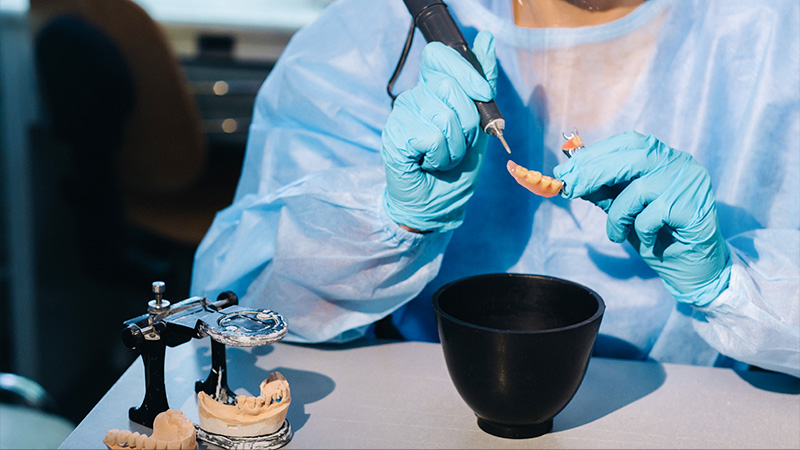
Step 4 — Temporary Veneers in Turkey (What They Tell You and What They Can’t)
Temporary veneers are not just placeholders. They provide important feedback.
Living with temporaries
For a few days, you will eat, speak, and smile with temporaries. You should avoid very hard or sticky foods and follow cleaning instructions. Temporaries help you evaluate length, shape, and comfort in daily life.
Common temporary issues
Minor chipping or roughness can happen and should be easily fixed. Temporaries do not represent final colour or polish, but they do reveal potential bite or speech issues that should be corrected before the final fit.
Step 5 — Final Fitting Day (The Checklist Most Patients Don’t Know)
Final fitting is the most critical appointment, especially for international patients.
What should be checked chairside
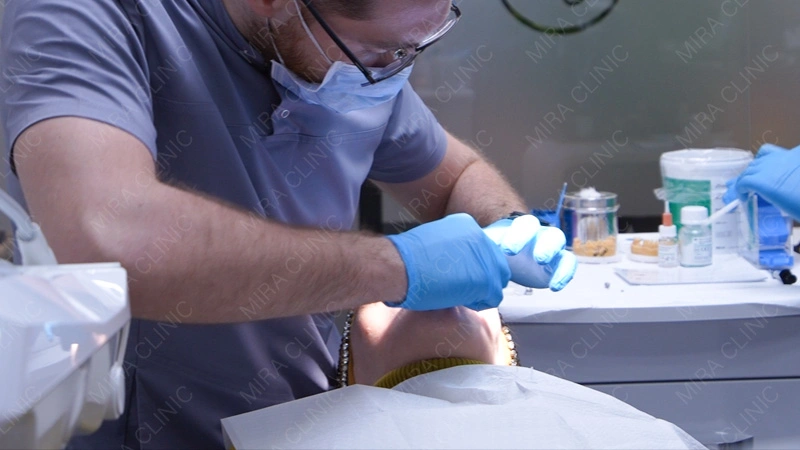
Each veneer or crown should be checked for fit, bite, margins, and gum interaction. You should bite, speak, and smile while adjustments are made. The dentist should confirm that your bite feels balanced and comfortable.
If you’re not happy with shape or shade
This is the time to speak up. Minor adjustments are normal and expected. Cementation should not proceed until you are comfortable with the result.
After You Fly Home — Aftercare and Follow-Up Expectations
The process does not end when you leave Turkey.
The first two weeks
Your bite and gums may need time to settle. Mild awareness or sensitivity can occur. Clear instructions should be provided for hygiene and care during this period.
If something feels off
A reputable clinic should offer remote follow-up and clear guidance. Minor bite adjustments or refinements are common and should be planned for, not treated as unexpected problems.
Where Problems Usually Start — And How This Process Prevents Them
Skipping planning or mock-ups
This often leads to shape or shade dissatisfaction.
Rushing preparation or final fitting
Speed increases the risk of bite problems, over-preparation, and discomfort.
No aftercare plan
Lack of follow-up support leaves patients without solutions once they return home.
Read More: Hollywood Smile in Turkey: Meaning, Who It’s For, and What Natural Results Really Look Like (2026)