A beautiful Hollywood Smile is never created by the dentist alone. Behind every natural-looking veneer, every balanced edge, and every seamless shade transition, there is a laboratory workflow shaping the final result. Most patients do not see that side of treatment directly, but they absolutely see its effect in the mirror. That is why lab quality is not a background detail. It is one of the hidden engines behind smile precision.
This matters even more in cosmetic dentistry than many patients realize. Veneers are not only about covering teeth. They are about fit, light reflection, translucency, surface texture, symmetry, and how the smile looks in motion and under different lighting. When those details are handled well, the result feels refined and natural. When they are not, the smile can look bulky, flat, too white, or slightly “off” even if the treatment is technically complete. That is exactly why an in-house dental lab in Turkey can become a meaningful advantage in Hollywood Smile cases, especially for international patients who need speed, precision, and fewer compromises in a limited travel window.
- Quick Answer: An In-House Dental Lab Can Improve Fit, Shade Control, and Speed
- The Hidden Engine of a Hollywood Smile
- The Outsourcing Gap: How Distance Can Affect Smile Accuracy
- What Patients Actually Notice When Lab Precision Is Better
- Precision 2.0: The Technical Advantage of an In-House Lab
- Color Science: Why Custom Tooth Shading Works Better On Site
- Why In-House Lab Precision Matters More for Hollywood Smile Cases Than Routine Dentistry
- The 6-Day Journey: Faster Adjustments and Fewer Travel Delays
- Quality Control and Material Traceability
- Meet the Artist: The Human Touch in a Digital Workflow
- Conclusion: Your Smile Deserves Individual Engineering
Quick Answer: An In-House Dental Lab Can Improve Fit, Shade Control, and Speed
An in-house dental lab can improve three things that matter deeply in a Hollywood Smile case: fit, color control, and turnaround time. When the dentist and technician work in direct coordination, communication becomes faster, refinements become easier, and the final restorations can be adjusted with greater precision before the patient leaves the clinic.
This is especially valuable in veneer cases because cosmetic work depends on subtleties. A tiny issue in shade, edge texture, contour, or the way the veneer meets the gumline may not sound dramatic on paper, but it can affect the entire visual result. When the lab is inside the clinic, those subtleties can often be reviewed and corrected far more efficiently than in a distant outsourced workflow.
For international patients, this matters even more. A same-site lab can reduce waiting time, support faster refinements, and make it easier to complete treatment during a structured trip to Istanbul without unnecessary delays. That is why precision and speed often improve together when the lab is not separated from the treatment team.
The Hidden Engine of a Hollywood Smile
Patients usually focus on the visible parts of treatment: the consultation, the tooth preparation, the mock-up, and the final bonding. But one of the most important parts happens between those steps. That is the laboratory phase, where the smile moves from a treatment plan into a physical restoration.
Why the technician matters as much as the material
Even the best ceramic material cannot produce a beautiful result if it is shaped, layered, or finished poorly. A master technician influences:
- contour
- edge softness
- translucency
- shade transitions
- surface texture
- how natural the restoration feels beside real teeth
In other words, the material provides potential, but the technician turns that potential into a real smile. That is why lab skill matters as much as material quality in cosmetic cases.
Why many clinics rely on external lab workflows
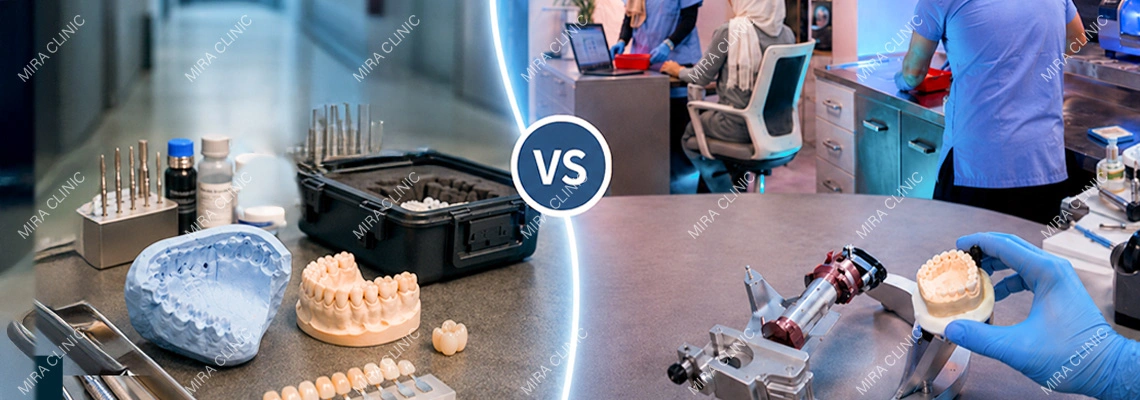
Many clinics use external laboratories, and not all outsourced labs are poor quality. But outsourcing introduces distance into a process that often depends on fine aesthetic judgment. When communication happens through files, messages, images, or shipments instead of direct real-time collaboration, subtle details can become harder to control.
This does not mean every outsourced case fails. It means the workflow has more points where aesthetic intention can become diluted, delayed, or generalized.
Why Mira Clinic invested in an on-site digital laboratory
Mira Clinic’s investment in an on-site digital laboratory reflects a simple principle: when the lab is physically close to the clinical team, the smile can be developed with tighter feedback, stronger customization, and faster correction. That is particularly important in a Hollywood Smile case, where timing and visual precision matter at the highest level.
The Outsourcing Gap: How Distance Can Affect Smile Accuracy
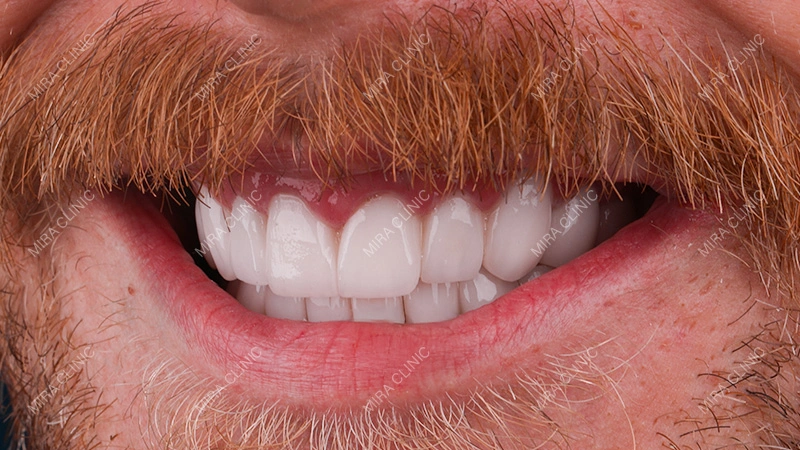
The biggest problem with outsourcing is not necessarily that the lab is “bad.” The bigger issue is that distance can weaken detail. In routine dentistry, that may be manageable. In high-visibility cosmetic work, it can become a real limitation.
How communication delays affect aesthetic detail
Aesthetic dentistry often depends on details that are easier to show than describe. The dentist may see that a veneer needs a softer incisal edge, slightly less brightness, or a more natural line angle. When the technician is present or nearby, this can be discussed and adjusted quickly. When the lab is remote, communication becomes slower and more interpretive.
And the more interpretation required, the greater the chance that the final result becomes less personal and more generic.
Why translucency, edge texture, and micro-adjustments are harder to control remotely
Photographs and shade guides help, but they do not always capture the full complexity of how a veneer should look under real light and against a real face. Fine elements such as:
- translucency depth
- edge character
- subtle texture
- brightness balance
- surface life
can be harder to calibrate remotely. That is one reason some outsourced cases look technically acceptable but visually less alive.
Why generic smile outcomes are more likely when customization is limited
When the workflow is more distant, the case may be pushed toward standardization. The risk is not always an obvious failure. Sometimes it is simply a smile that looks too generic, too uniform, or not fully designed for the individual patient. In cosmetic dentistry, that is a meaningful loss of quality.
What Patients Actually Notice When Lab Precision Is Better
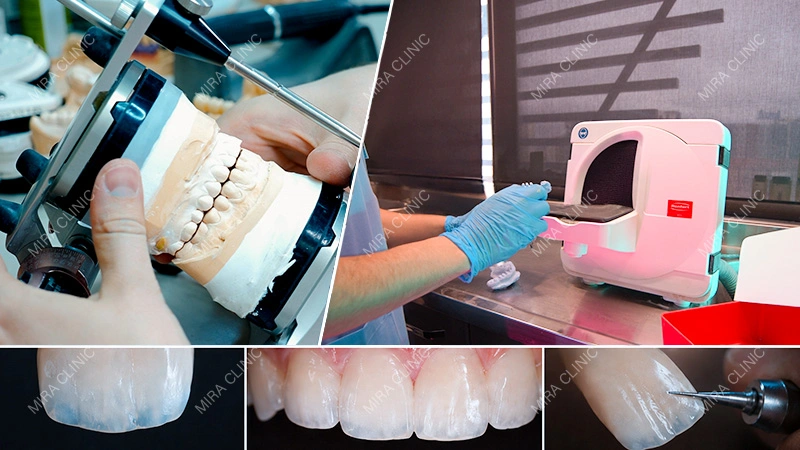
Patients may not see the lab itself, but they notice the results of better lab precision immediately. The difference often appears in realism, comfort, and how naturally the veneers belong in the mouth.
A better fit at the gumline
When veneers are fabricated with stronger precision and better communication between clinician and technician, the adaptation at the gumline can be more refined. This matters because the gumline is one of the first places where bulk, irritation, or artificiality becomes visible.
A better fit does not mean a magical or absolute “perfect seal,” but it can support a cleaner margin, healthier tissue response, and a more natural transition from tooth to restoration.
More natural shade blending
Patients usually want bright teeth, but not flat brightness. They want a smile that still looks alive. Better lab precision supports:
- custom tooth shading
- more believable translucency
- better harmony with surrounding teeth
- fewer “white block” effects
This is one of the strongest reasons that dental lab precision for veneers matters so much in a smile makeover.
Less bulk and better edge refinement
Bulky veneers are one of the most common complaints in low-precision cosmetic work. Better lab communication allows the team to refine contour and thickness more carefully, which helps the final result look lighter, more anatomical, and less overbuilt.
Faster same-trip corrections for international cases
For international patients, lab precision is not only about aesthetics. It is also about logistics. If a restoration needs a small contour change, a texture adjustment, or a shade refinement, a nearby lab can often help the team resolve that within the same treatment window rather than extending the trip or leaving the result compromised.
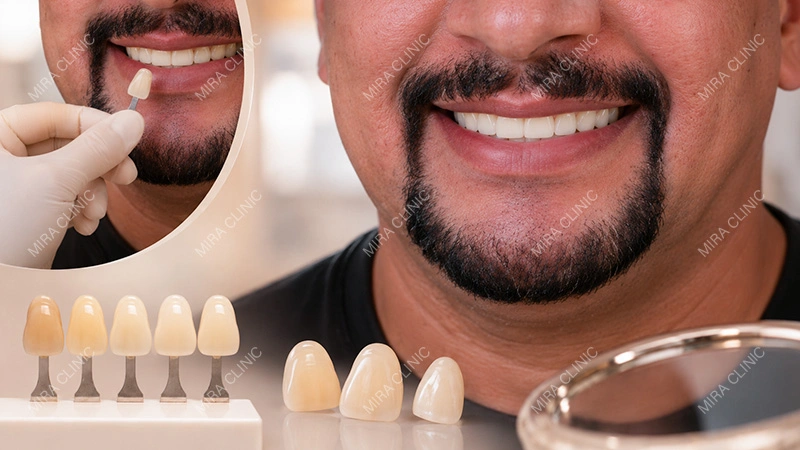
Precision 2.0: The Technical Advantage of an In-House Lab
An in-house lab is not just about convenience. It also creates a tighter technical system, especially when digital tools are integrated directly into the same workflow.
The real-time feedback loop between dentist and technician
One of the biggest clinical advantages of an in-house setup is immediate feedback. The dentist can review the restoration, discuss what needs refinement, and coordinate directly with the technician without sending the case away and waiting for another round.
This kind of loop can improve:
- fit
- contour
- shade interpretation
- surface finish
- timeline efficiency
And in cosmetic dentistry, that loop often makes the difference between a good result and a highly polished one.
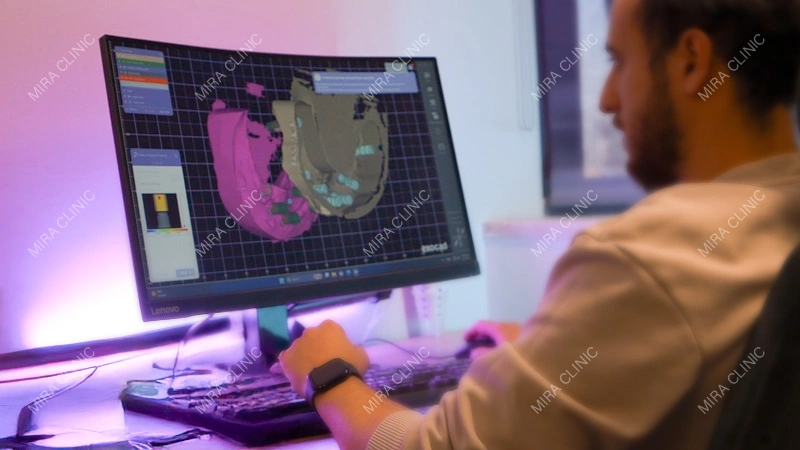
CAD/CAM integration under one roof
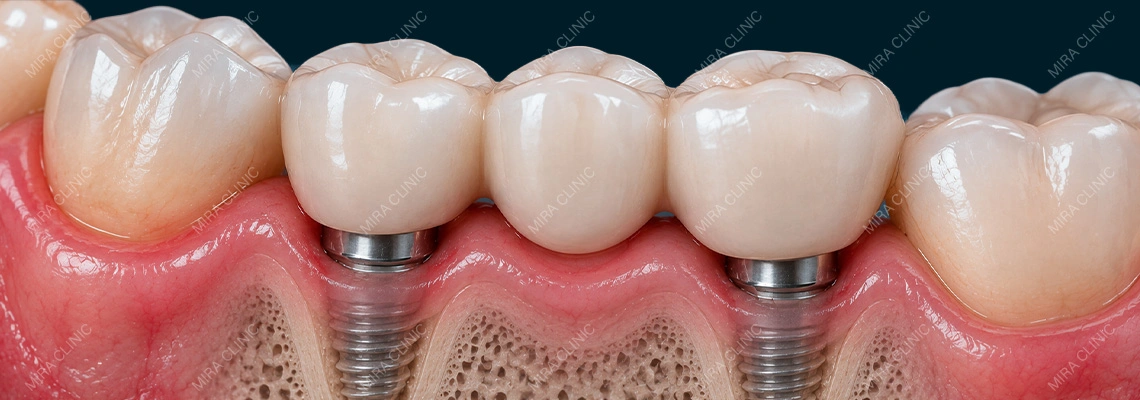
A modern CAD/CAM dental lab allows digital scans, design files, milling, and finishing to work as one connected system. When the scanner, designer, milling workflow, and clinical team are all operating under one roof, the process becomes more direct and more controlled.
That is one reason digital dentistry in Istanbul has become a major quality signal in serious cosmetic clinics. The more integrated the workflow, the less room there is for distortion, delay, or fragmented interpretation.
How digital design supports more accurate fit and finish
Digital systems do not replace human skill, but they do support more controlled planning and fabrication. They help the team evaluate shapes, dimensions, and relationships in a more measurable way before the final restoration is delivered.
This can support a more accurate fit and reduce the risk of avoidable discrepancies that would otherwise require more remakes or compromises.
Why tighter lab-clinic coordination reduces avoidable remakes
Some remakes are unavoidable in dentistry. But many are not. When the clinician and technician can review a case together in real time, adjustments can often happen earlier and more intelligently. That reduces avoidable remakes, protects the treatment timeline, and supports a smoother patient experience.
Color Science: Why Custom Tooth Shading Works Better On Site
Shade is one of the most underestimated parts of veneer success. Patients often think the choice is simply “whiter or less white,” but real shade design is much more complex than that.
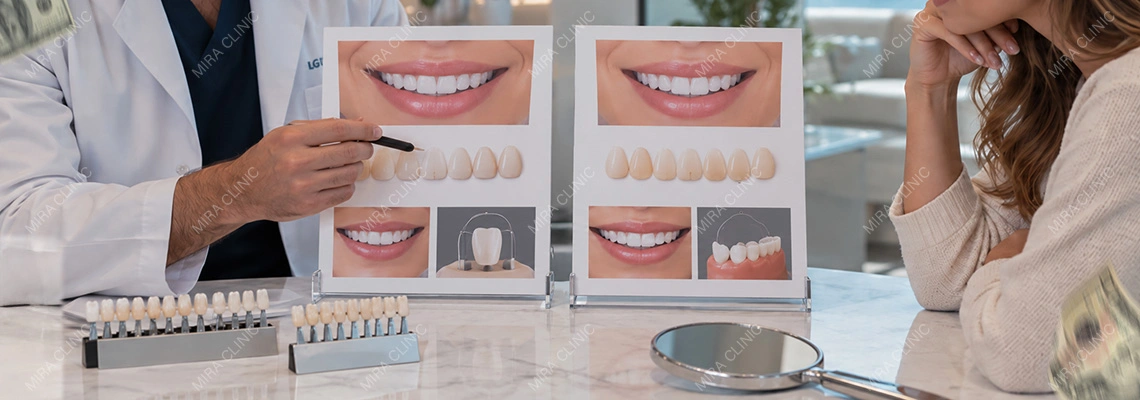
Why natural tooth matching is harder from photos and impressions alone
Photographs can help, but they do not always show:
- light behavior
- internal depth
- enamel effect
- subtle color variations
- how teeth look under different lighting angles
That is why custom tooth shading works best when the technician can assess the patient more directly rather than relying only on transferred impressions and remote images.
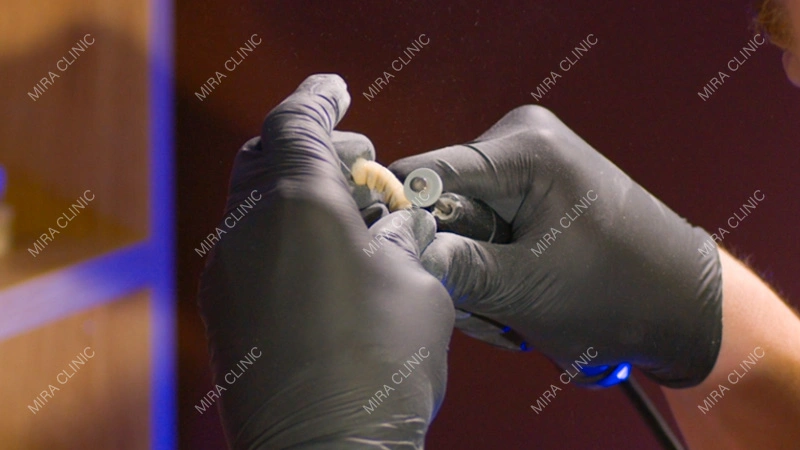
How staining and glazing can be refined while the patient is present
One of the major advantages of an in-house lab is that staining and glazing adjustments can happen while the patient is still available for review. This allows the team to check whether a veneer is slightly too bright, too flat, too opaque, or too cool in tone, then refine it without losing days in transport or communication.
For international patients, this is a major practical advantage because it protects both the quality of the result and the structure of the travel timeline.
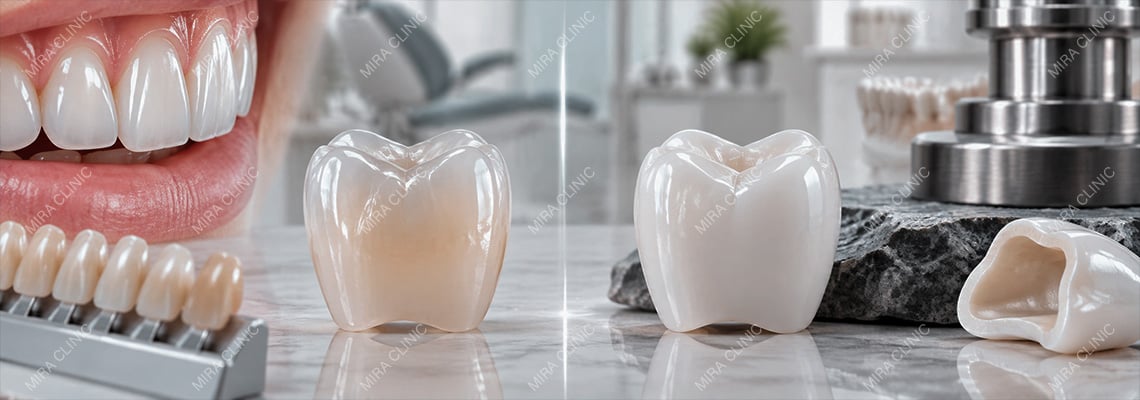
How depth, translucency, and characterization create a life-like result
A natural-looking smile rarely depends on one color alone. It depends on:
- internal depth
- translucency
- edge variation
- subtle characterization
- natural light interaction
This is what separates a life-like smile from a simple white restoration. And this is also why the technician’s artistic eye still matters deeply, even in a highly digital workflow.
Read more: Hollywood Smile Risks in Turkey: What Can Go Wrong?
Why In-House Lab Precision Matters More for Hollywood Smile Cases Than Routine Dentistry
Not every dental case demands the same level of aesthetic control. A Hollywood Smile is different from routine restorative work because the teeth being treated are usually in the most visible zone of the face.
Why veneer cases demand more aesthetic control
Veneers are judged at close range, in photographs, in speech, and in natural expressions. That means the margin for acceptable approximation is much smaller than in less visible restorative work.
Why symmetry and edge texture matter more in visible smile zones
In the smile zone, tiny differences matter. An incisal edge that is slightly too flat, a line angle that is slightly too broad, or a surface that lacks life can change the entire impression of the smile. This is why dental lab precision for veneers is more than a technical issue. It is part of facial aesthetics.
Why customization matters more than speed alone
Speed matters, especially for travel patients. But in cosmetic cases, speed without customization is not enough. The best workflows do not choose between precision and efficiency. They build efficiency around precision.
Read more: Biomimetic Dentistry in Turkey: How Mira Clinic Preserves Your Natural Enamel
The 6-Day Journey: Faster Adjustments and Fewer Travel Delays
International smile treatment depends heavily on timing. Patients flying into Istanbul usually cannot wait through multiple long lab cycles. That is why lab proximity has a direct effect on treatment feasibility.
Why outsourced lab timelines can complicate international treatment
When a case is outsourced, every refinement may create more delay:
- a courier delay
- a message delay
- a remake delay
- a re-check delay
For a local patient, this may be inconvenient. For an international patient, it can threaten the whole treatment window.
How same-site refinements save time
If a veneer needs a tiny thickness correction, a small edge refinement, or a slight shade adjustment, an in-house lab can support those changes much faster. That does not mean every change takes minutes, but it does mean the process can stay inside the clinic’s own control rather than expanding into external waiting time.
Why faster adjustment helps patients fly home with more confidence
The value of speed is not just practical. It is psychological too. Patients feel more secure leaving the clinic when they know final refinements were handled directly and carefully within the same treatment journey.
Read more: Hollywood Smile Aftercare: The Professional 10-Year Maintenance Protocol
Quality Control and Material Traceability
Another major advantage of an in-house workflow is control over what enters the restorative process and how consistently it is used.
Why material consistency matters in veneer work
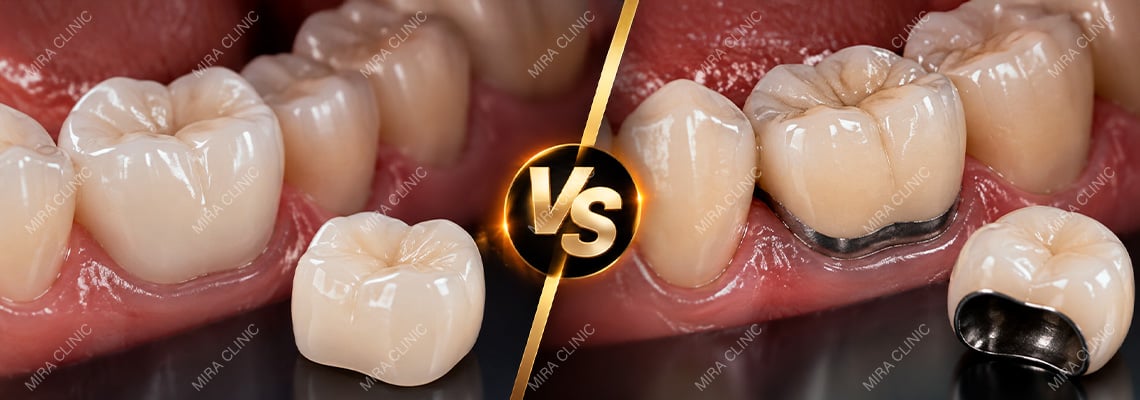
Ceramic quality affects appearance, durability, and predictability. In a private lab workflow, stronger control over ceramic blocks and restorative inputs can support better consistency from one case to the next.
How in-house workflows improve control over ceramic selection
When the clinic and lab work as one unit, material decisions can be documented, reviewed, and coordinated more tightly. That can be valuable for both treatment quality and future planning.
Why traceability and quality checks matter in long-term smile design
Long-term cosmetic dentistry benefits from knowing what material was used, how it was handled, and how it was finished. Traceability helps support confidence, maintenance, and any future refinements if they are ever needed.
Meet the Artist: The Human Touch in a Digital Workflow
Digital dentistry is powerful, but Hollywood Smile work still depends on human judgment. The best result usually comes from combining precision technology with artistic finishing.
The role of the master ceramist in a Hollywood Smile
A master ceramist helps shape not only the fit of the restoration, but also its personality. They influence whether the smile looks:
- too flat
- too bright
- too uniform
- or naturally balanced
That role remains central even in a highly digital clinic.
Why hand-finishing still matters in the age of CAD/CAM
CAD/CAM systems support speed and consistency, but hand-finishing still matters in high-end aesthetic work. It is often the hand-finished details that create realism rather than machine-like regularity.
How digital precision and artistic detail work together
The strongest smile outcomes usually come from this combination:
- digital accuracy for structure and fit
- human artistry for life-like appearance
That balance is one of the core strengths of a sophisticated in-house cosmetic workflow.
Conclusion: Your Smile Deserves Individual Engineering
A Hollywood Smile is not only a dental treatment. It is a precision-crafted aesthetic result. And that result depends on more than the dentist’s chair. It depends on how closely design, materials, fabrication, and clinical judgment work together.
Why lab proximity improves precision, not just convenience
When the lab is close, communication becomes tighter, refinements become faster, and aesthetic detail becomes easier to protect. That is not merely convenient. It is a real quality advantage.
Why Hollywood Smile success depends on more than the dentist alone
A great cosmetic result is a team result. The dentist, the technician, the digital workflow, and the patient-specific design all contribute to the final outcome.
Why an in-house lab is a serious advantage in long-term aesthetic dentistry
An in-house lab is not just a luxury feature. It is an important precision factor in smile design, especially when fit, shade, timing, and long-term aesthetic quality all matter.
Read more:Hollywood Smile Revision: How to Fix or Replace Failing Veneers in Turkey