A Hollywood Smile can look simple from the outside. Patients often see bright, even, symmetrical teeth and assume the main question is whether the result looks good. In reality, the more important question is whether the treatment was appropriate, safe, and well planned for the person receiving it. That is why people researching hollywood smile risks in turkey are usually not just looking for dramatic stories. They are trying to understand what can realistically go wrong, who is more likely to face complications, and how to reduce those risks before treatment begins.
The good news is that the biggest risk is usually not Turkey itself. The biggest risk is a poor diagnosis, the wrong treatment choice, excessive preparation, or a cosmetic plan that ignores bite, gums, and tooth condition. Veneers and crowns can both be safe and effective when used correctly. Problems usually begin when they are used on the wrong patient, for the wrong reason, or with unrealistic design goals. That is why the safest way to approach a Hollywood Smile is not to ask whether the treatment is “good” or “bad,” but whether it is the right treatment for your actual mouth.
- Quick Answer: The Biggest Risk Is the Wrong Case, Not the Idea of Treatment in Turkey
- What Can Actually Go Wrong With a Hollywood Smile?
- Who Is More Likely to Have Problems With Veneers or Crowns?
- When Veneers Create Risk Instead of Solving the Problem
- When Crowns Carry More Long-Term Trade-Offs Than Veneers
- How Bite Problems, Grinding, and Weak Teeth Increase the Risk
- Why Some Hollywood Smile Results Look Fake, Bulky, or Uncomfortable
- How Gum Health, Tooth Damage, and Old Restorations Change the Risk Level
- How Dentists in Turkey Reduce Risk Before Treatment Starts
- What Patients Should Ask Before Agreeing to Veneers or Crowns
- When You Should Delay a Hollywood Smile and Treat the Basics First
Quick Answer: The Biggest Risk Is the Wrong Case, Not the Idea of Treatment in Turkey
Hollywood Smile risk usually starts with poor diagnosis, not with Turkey itself
Why geography is not the main predictor of complications
When people discuss hollywood smile safety turkey, they sometimes frame the issue as if the risk comes mainly from traveling abroad. In practice, geography is rarely the main problem. The real risk usually comes from what happens before treatment starts: whether the clinic properly evaluates the teeth, gums, bite, and smile goals instead of moving too quickly into veneers or crowns.
A good clinic in Turkey can be safer than a rushed clinic anywhere else. This matters because it shifts the patient’s attention away from stereotypes and toward the real question: was the case diagnosed correctly?
The real danger is overtreatment, weak planning, or the wrong restoration choice
Why veneers or crowns can fail when they are chosen for the wrong reason
Cosmetic dentistry becomes risky when treatment is used to hide a problem instead of solving it. Veneers may be placed on teeth that really need orthodontics first. Crowns may be used on teeth that could have been treated more conservatively. A patient may be pushed toward a bright, uniform smile design that does not suit the face or the bite.
In other words, many hollywood smile complications begin with the wrong decision, not the wrong country. Once that principle is clear, it becomes easier to understand what can actually go wrong after treatment.
A safe Hollywood Smile depends on case selection before treatment ever begins
Why pre-treatment analysis matters more than package promises
No smile package can tell you whether your gums are stable, whether you grind your teeth, whether your enamel is strong enough for veneers, or whether your bite is likely to damage restorations later. Those things must be diagnosed individually.
That is why a safe plan starts with records, examination, and risk analysis, not with a fixed number of teeth or a social media price. From there, the next step is to look closely at the complications patients can actually face.
What Can Actually Go Wrong With a Hollywood Smile?
The most common complications are functional, biological, and aesthetic
Why a smile can look good at first and still fail later
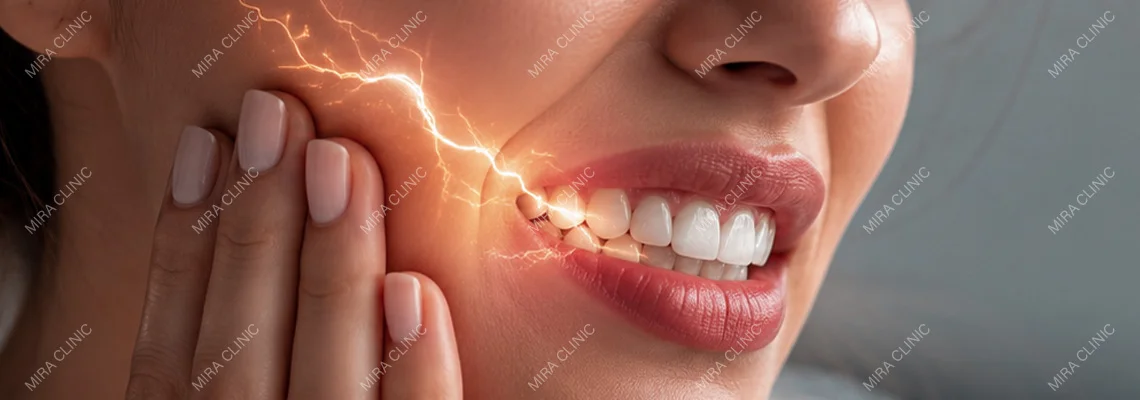
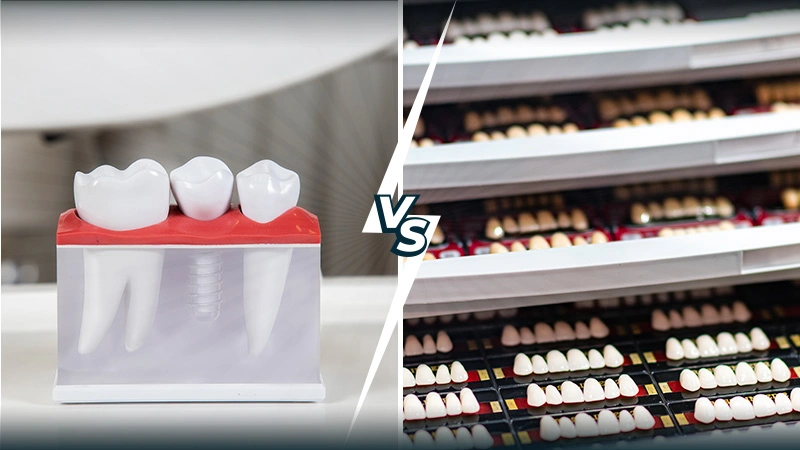
A Hollywood Smile can appear attractive in photos while still causing problems over time. Some risks are visible immediately, like a smile that looks too white or bulky. Others are functional or biological and may take weeks or months to appear, such as sensitivity, gum irritation, or bite discomfort.
This is why the quality of a cosmetic result cannot be judged by the first day alone. It must also be judged by how the teeth, gums, and bite behave afterward.
Problems may involve sensitivity, gum irritation, bite discomfort, or early fracture
How complications often appear after the patient goes home
Among the most common what can go wrong with hollywood smile concerns are:
- sensitivity after prep or bonding
- irritated or inflamed gums
- uncomfortable bite contacts
- veneer or crown chipping
- difficulty cleaning around margins
- a smile that looks artificial or feels too bulky
These issues may not be obvious in the clinic chair. Some become noticeable only after normal chewing, speaking, and daily use, which is why follow-up planning matters as much as the cosmetic design.
Some risks are visible immediately, while others develop gradually over time
Why early warning signs should never be ignored
A small rough margin, slight bite discomfort, or subtle gum irritation may seem minor at first. But if ignored, these can become bigger issues affecting longevity, comfort, and appearance. Patients who understand this early are much more likely to protect their results long-term.
This also explains why some patients face more risk than others from the very beginning.
Who Is More Likely to Have Problems With Veneers or Crowns?
Patients with weak enamel, large fillings, or worn teeth carry higher restorative risk
Why damaged teeth do not behave like purely cosmetic teeth
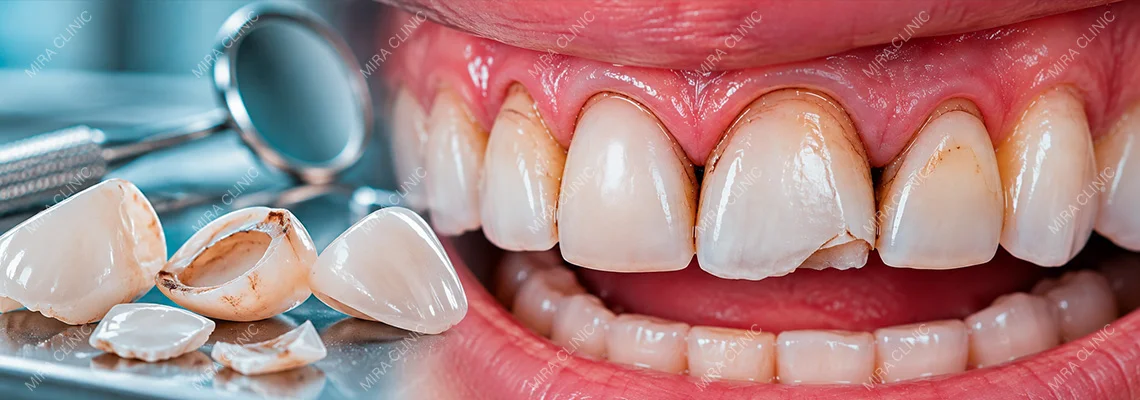
Teeth that are structurally intact behave very differently from teeth that are worn down, cracked, heavily filled, or already weakened by previous treatment. A tooth that looks acceptable from the outside may not be strong enough for the same kind of cosmetic restoration as a healthy tooth.
This is important because a Hollywood Smile is safest when it is built on teeth that can actually support the treatment being proposed.
Patients with grinding, unstable bite, or heavy front-tooth pressure are higher-risk cases
Why bite forces can shorten restoration life
Patients who clench or grind their teeth, or who have unstable bite patterns, place more force on veneers and crowns. That increases the risk of chipping, discomfort, debonding, and accelerated wear.
These patients are not automatically excluded from treatment, but they need a more cautious plan, and often a night guard or bite-management strategy as part of the process.
Patients with gum disease, poor hygiene, or unrealistic expectations need extra caution
Why soft-tissue health and patient expectations change the plan
Unhealthy gums can make even a beautiful smile design unstable. Poor hygiene habits can shorten restoration life. Unrealistic expectations can push the case toward overtreatment or a look that feels artificial later. All of these are risk factors, which is why patient selection is as important as material selection.
Once risk factors are identified, the next question becomes how veneers themselves can become part of the problem.
When Veneers Create Risk Instead of Solving the Problem
Veneers are not suitable for every type of cosmetic concern
Why veneers can be the wrong tool for structural or alignment problems
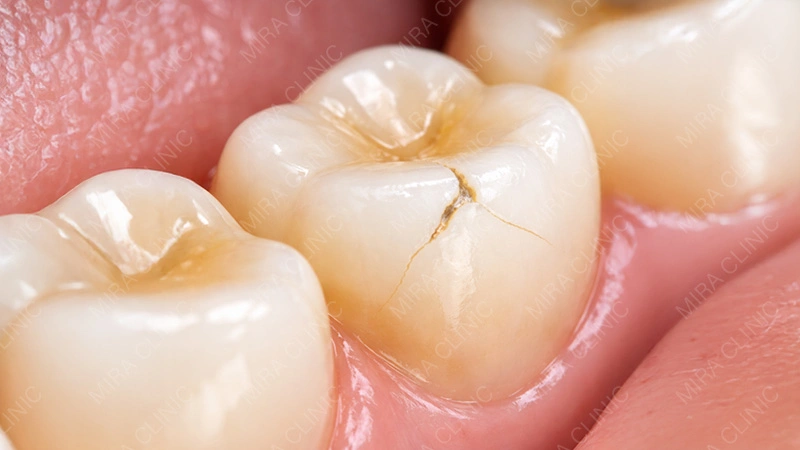
Veneers are excellent when the teeth are healthy and the goal is mainly aesthetic improvement. They are less ideal when the real issue is severe misalignment, structural weakness, or unstable occlusion. In these cases, veneers may camouflage the appearance without addressing the underlying problem.
That is where risk begins: not because veneers are bad, but because they are being asked to do something they were not meant to do.
Crowding, deep bite, or unstable teeth can make veneer treatment less safe
Why cosmetic camouflage is not always true correction
Crowded teeth, teeth that are already positioned too far forward, or teeth that meet under heavy pressure may require more preparation or a more aggressive design if veneers are used. This can create bad veneers risks such as overcontoured shapes, shortened lifespan, or discomfort.
Sometimes the safest answer is not better veneers, but a different treatment sequence first.
Veneers become risky when they are used to hide problems they cannot fix
How “fast cosmetic improvement” can lead to long-term maintenance issues
Patients often like veneers because they can transform a smile quickly. But speed becomes risky when it replaces diagnosis. If the case really needs orthodontics, periodontal treatment, or structural rehabilitation, a fast veneer solution may create a longer maintenance burden later.
This is also why some patients end up in crowns when veneers might have been the better choice, or the other way around.
When Crowns Carry More Long-Term Trade-Offs Than Veneers
Crowns usually require more tooth reduction than veneers
Why full coverage changes the long-term restorative commitment
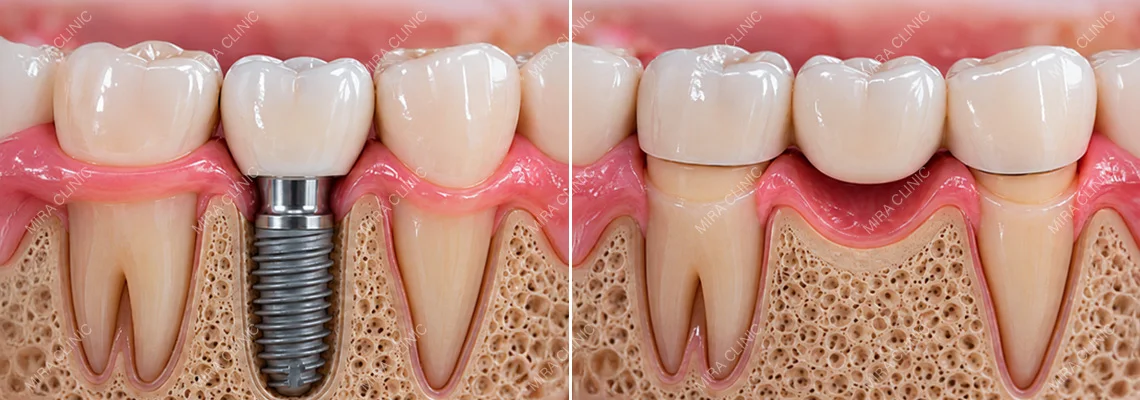
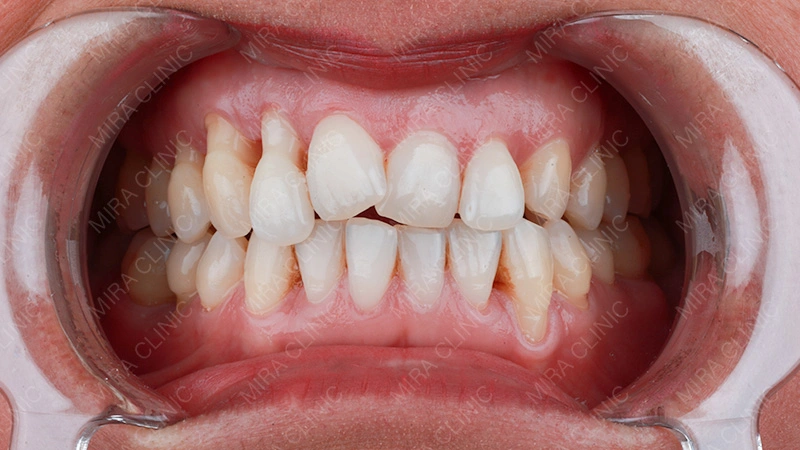
One of the key differences in crowns complications turkey discussions is how much natural tooth is removed. Veneers usually affect the front surface of the tooth, while crowns typically require reduction around the whole tooth. That makes crowns more invasive by default.
This does not mean crowns are wrong. It means they should be reserved for teeth that genuinely need that level of coverage.
Crowns may be safer for weak teeth, but less conservative for healthy ones
Why the right option depends on tooth condition, not convenience
If a tooth is cracked, heavily restored, root-treated, or structurally compromised, a crown may be safer than a veneer because it provides full support. But using crowns on healthy teeth simply because they are easier to standardize or plan can create unnecessary long-term trade-offs.
That is why the right question is never “Are crowns better?” It is “Are crowns necessary here?”
The long-term trade-off is not just strength, but how much natural tooth is lost
Why more reduction means fewer future conservative options
The more tooth structure is removed, the more dependent the tooth becomes on future restorative care. This does not make crowns a bad option in the right case, but it does make case selection crucial.
And once bite pressure and tooth strength enter the conversation, risk becomes even more case-specific.
Read more: Why Do Some Veneers Look Fake, Big, or Bulky in Turkey? What Actually Causes Unnatural Results
How Bite Problems, Grinding, and Weak Teeth Increase the Risk
Unstable bite can cause fracture, discomfort, and faster wear
Why occlusion matters before cosmetic treatment begins
A smile may look perfect on a screen and still function badly in the mouth if the bite is not stable. Uneven contacts, edge-to-edge pressure, or a deep bite can place excessive force on veneers or crowns, especially on the front teeth.
This is why bite analysis is not optional in aesthetic dentistry. It is one of the strongest predictors of long-term comfort and durability.
Bruxism increases the risk of veneer or crown failure over time
Why night guards and bite planning matter in high-force cases
Patients who grind their teeth can still be treated, but only with a plan that reflects that risk. This may include more durable materials in selected teeth, careful occlusal adjustment, and a night guard after treatment.
Without these protections, restorations often fail faster than the patient expected, which makes hollywood smile risks much higher in bruxism cases.
Weak or heavily restored teeth need different treatment logic from healthy enamel
Why tooth strength changes the safest treatment path
A tooth with a large filling, previous trauma, or visible structural loss cannot be treated like an untouched cosmetic tooth. The safest restoration in these cases may be different, and the design must reflect the tooth’s real condition.
This also explains why some Hollywood Smile results end up looking fake, thick, or uncomfortable even before they fail mechanically.
Why Some Hollywood Smile Results Look Fake, Bulky, or Uncomfortable
Oversized design, excessive whiteness, and poor contouring create fake-looking results
Why “Turkey teeth” is usually a design problem, not a country problem
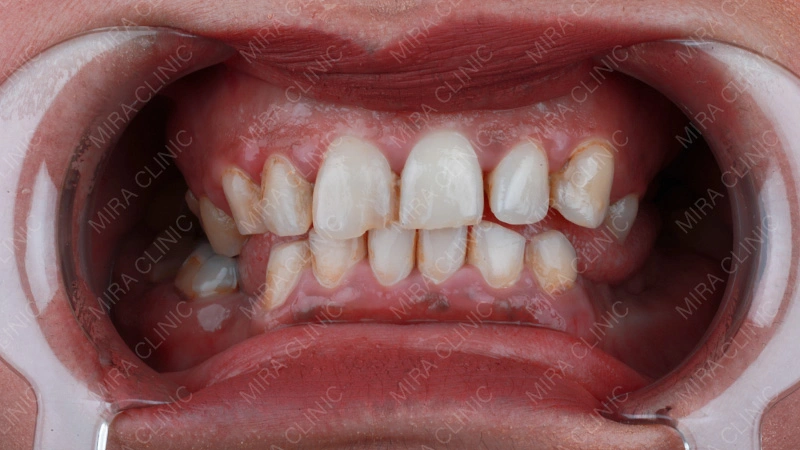
When patients refer to turkey teeth risks, they are often talking about a specific aesthetic style: very white, very square, very uniform, and too large for the face. That look is usually a result of overdone design and package-style planning, not a problem inherent to Turkey itself.
A natural smile depends on restraint, proportion, and face-appropriate choices.
Bulky restorations often come from poor planning or unsuitable preparation
Why too much volume changes lip support and smile comfort
Teeth that are too thick or too far forward do not just look unnatural. They can also feel wrong. The lips may sit differently, the tongue may notice the added bulk, and the smile may feel less relaxed than before.
This is why patients sometimes describe their veneers as “uncomfortable” even when the surface finish looks polished.
Uncomfortable smiles are often the result of bite or contour problems, not just appearance
Why a smile can feel wrong even when it looks polished in photos
A beautiful photo does not prove a good bite, a good contour, or a healthy gum response. Smiles that feel bulky or awkward often reflect a deeper planning problem, which is why dentists must look beyond aesthetics when evaluating risk.
That includes looking carefully at gum health, old dental work, and the true condition of each tooth.
Read more: Natural Hollywood Smile Results in Turkey: How to Avoid Fake-Looking Veneers
How Gum Health, Tooth Damage, and Old Restorations Change the Risk Level
Inflamed or unhealthy gums reduce the predictability of cosmetic treatment
Why gum condition affects both appearance and longevity
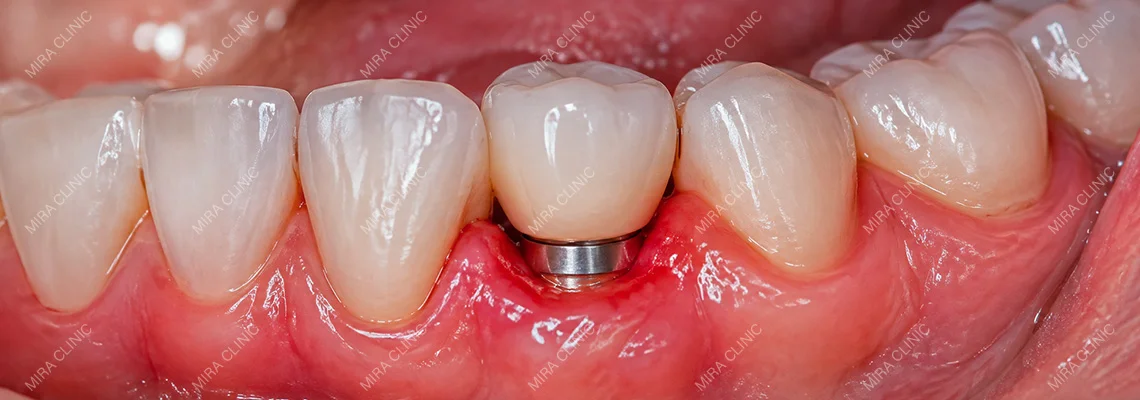
Gums frame the smile. If they are inflamed, bleeding, or unstable, even a well-made veneer or crown may look worse over time as margins become harder to clean or recession changes the appearance of the teeth.
This is why gum health is not just a hygiene issue. It is a core part of the cosmetic result.
Old fillings, cracks, and root canal history may change the treatment plan completely
Why previous dental work matters before choosing veneers or crowns
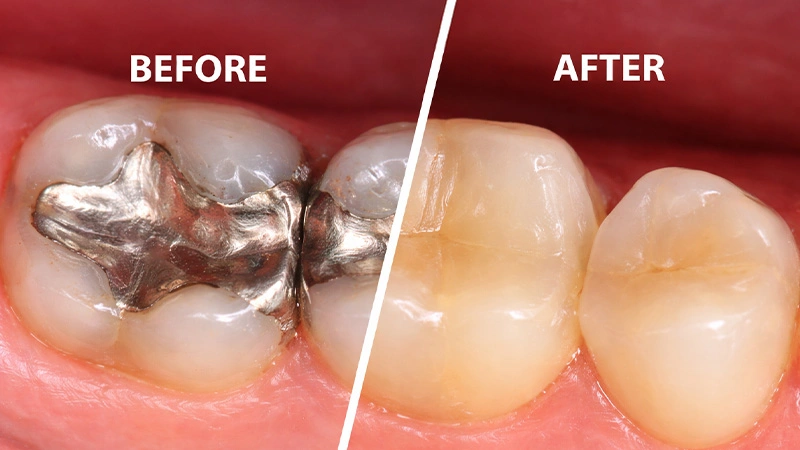
Teeth with large restorations, fractures, old endodontic treatment, or reduced enamel do not behave like ideal veneer teeth. Sometimes they need crowns. Sometimes they need repair before any cosmetic phase begins.
Ignoring previous dental history is one of the fastest ways to underestimate risk.
A tooth with structural compromise needs a different risk assessment from a healthy tooth
Why cosmetic plans should never ignore restorative reality
The more compromised the tooth, the less appropriate it may be to treat it as a simple cosmetic case. Good smile planning should always begin with the question: what is safest for this tooth biologically and mechanically?
That is exactly why good clinics in Turkey reduce risk before treatment starts, not after complications appear.
How Dentists in Turkey Reduce Risk Before Treatment Starts
Safe clinics begin with records, diagnosis, and case selection
Why photos, scans, and exams matter before any prep begins
A safer treatment plan usually begins with:
- clinical examination
- photographs
- radiographs or CBCT when needed
- bite evaluation
- gum assessment
- review of old restorations
These records help the dentist understand whether veneers, crowns, or another sequence is appropriate before any irreversible step is taken.
Bite analysis, gum evaluation, and smile planning reduce avoidable complications
Why proper planning prevents both aesthetic and functional problems
A proper plan reduces the risk of:
- over-preparation
- poor contour
- fake-looking design
- unstable bite
- gum irritation
- avoidable early replacement
This is because it aligns aesthetics with biology rather than forcing the two apart.
Good risk reduction means choosing the least aggressive treatment that still works
Why conservative planning improves safety and longevity
The safest treatment is often the one that preserves the most healthy structure while still solving the real problem. That may mean veneers, crowns, orthodontics first, gum care first, or even delaying the cosmetic phase altogether.
This is why patients should not just compare clinics by price, but by how they explain and justify their recommendations.
Read more: How Long Do Veneers Last in Turkey? Lifespan, Maintenance, and When Replacement Is Needed
What Patients Should Ask Before Agreeing to Veneers or Crowns
Ask why this treatment is being recommended for your teeth specifically
Why a real explanation matters more than a package label
Patients should ask: why veneers and not crowns? Why crowns and not veneers? Why now and not after other treatment? A real answer should refer to enamel, tooth strength, bite, gum health, and cosmetic goals—not just convenience or package structure.
Clear clinical reasoning is one of the strongest signs that the plan is individualized.
Ask about enamel reduction, bite safety, and follow-up support
Why treatment risk should be explained before any irreversible step
A good consultation should explain:
- how much tooth preparation is expected
- whether grinding is a concern
- whether gum health changes the plan
- what follow-up is available after treatment
- whether a night guard may be needed
These questions help the patient understand not just the result, but the cost of getting there.
Ask what could go wrong in your case, not just what usually goes right
Why personalized risk discussion builds safer expectations
General reassurance is not enough. The right consultation should explain what risks apply specifically to your teeth and your habits. That helps patients avoid being surprised later by issues that were predictable from the start.
It also helps identify the situations where treatment should be delayed rather than started immediately.
When You Should Delay a Hollywood Smile and Treat the Basics First
Gum disease, active decay, or failing restorations should be treated before cosmetic work
Why healthy foundations matter more than cosmetic timing
If gums are inflamed, if teeth have untreated decay, or if old restorations are failing, a Hollywood Smile should not move forward as though the mouth were stable. Cosmetic work placed on unstable foundations is more likely to fail biologically and aesthetically.
That is why delaying treatment can actually protect the final result.
Bite instability, clenching, and untreated pain should not be ignored
Why function often has to be stabilized before aesthetics
Pain, heavy grinding, unstable bite contacts, and unaddressed wear patterns can all increase risk. Even a highly aesthetic result will not feel successful if the patient cannot use it comfortably.
In these cases, function should be addressed before smile design becomes the priority.
Some patients need restorative or periodontal care before veneers or crowns are safe
Why delaying treatment can actually protect the final result
Patients sometimes fear that treating the basics first will “slow down” their cosmetic outcome. In reality, it often makes the final outcome safer, more comfortable, and longer lasting. A short delay now may prevent expensive revision later.
These are exactly the kinds of concerns that lead patients to ask very practical, very direct questions before booking.
Read more: Are Veneers Reversible? What Happens If You Change Your Mind Later