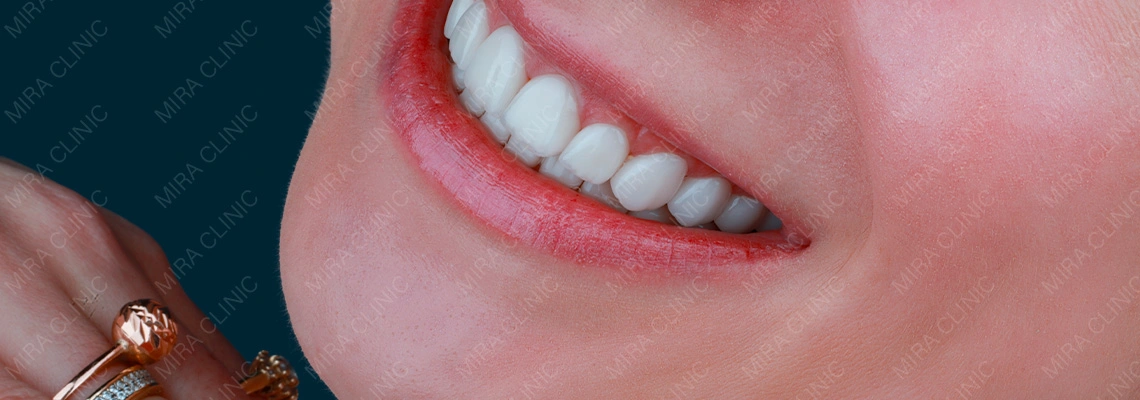
When patients start comparing smile makeover options, one of the first practical questions they ask is how long do veneers last in Turkey. This is not only a cosmetic question. It is also a long-term planning question, because veneers do not last forever, and the right decision depends on more than the initial result.
A veneer can look beautiful on the day it is placed and still fail earlier than expected if the material is poorly matched to the case, if the bite is unstable, or if maintenance is neglected after treatment. On the other hand, veneers that are well planned, properly bonded, and supported by good daily habits can remain functional and attractive for many years. That is why veneer lifespan should be discussed before treatment starts, not only after a problem appears. The best place to begin is with the short answer most patients want first.
- Quick Answer: Veneers Can Last Many Years, but Material and Maintenance Matter
- How Long Veneers Usually Last
- What Affects Veneer Lifespan the Most
- Do E-max, Porcelain, Zirconia, and Composite Veneers Last the Same Length of Time?
- How Daily Habits Can Shorten the Life of Veneers
- How to Maintain Veneers Properly After Treatment in Turkey
- Signs That Veneers May Need Repair or Replacement
- Can Veneers Be Replaced Without Changing Every Tooth?
- How Dentists Decide Whether Veneers Should Be Polished, Repaired, or Replaced
- How Veneer Longevity Affects Long-Term Cost
Quick Answer: Veneers Can Last Many Years, but Material and Maintenance Matter
Veneers are durable, but they are not permanent
Veneers are designed to last for years, not forever
A common misunderstanding is that veneers are either temporary or permanent. In reality, most veneers sit somewhere in between. They are long-term restorations, but they still age under daily chewing forces, temperature changes, oral habits, and wear over time.
Longevity depends on how the case is planned
The lifespan of veneers is influenced by the original diagnosis, the amount of enamel available for bonding, the condition of the bite, and how suitable the patient is for veneers in the first place. This is why two patients with the same veneer material may not get the same long-term result.
A good result at placement does not guarantee long life
Even a well-made veneer can have a shorter life if it is placed on teeth affected by grinding, unstable bite contacts, or poor oral hygiene. This is why veneer longevity must always be discussed as a combination of treatment quality and aftercare.
Material matters, but maintenance matters just as much
Strong materials still depend on good habits
Patients often focus on whether they should choose E-max, porcelain, zirconia, or composite. That choice matters, but it is only one part of the equation. The way the veneers are used and maintained every day affects their survival just as much.
Maintenance begins on the day treatment ends
The moment veneers are bonded, the maintenance phase begins. Brushing, flossing, bite protection, dietary habits, and recall visits all contribute to how long veneers stay stable and attractive.
Long-term success depends on planning ahead
Patients considering a Hollywood Smile in Turkey should think beyond the first result. A beautiful outcome is only part of the investment, because upkeep, possible repair, and future replacement also matter over time. This leads naturally to the next question: what is the usual lifespan patients can realistically expect?
The right question is not only “how long,” but “under what conditions?”
Veneers last longer in the right biological environment
Teeth with healthy gums, stable enamel, and balanced bite forces provide a better foundation for long-lasting veneers. The material performs best when the supporting environment is healthy.
The same veneer can behave differently in different mouths
A patient who grinds, smokes, skips follow-up care, and drinks heavily staining beverages should not expect the same lifespan as a patient with excellent hygiene and stable bite function. That is why a realistic lifespan discussion must include the mouth, not just the material.
Lifespan estimates make more sense when they are broken down clearly
To answer the question properly, it helps to look at how long veneers usually last in general, then explore what shortens or extends that lifespan in real cases.
How Long Veneers Usually Last
Most veneers can last many years with proper care
Porcelain-based veneers often last longer than patients expect
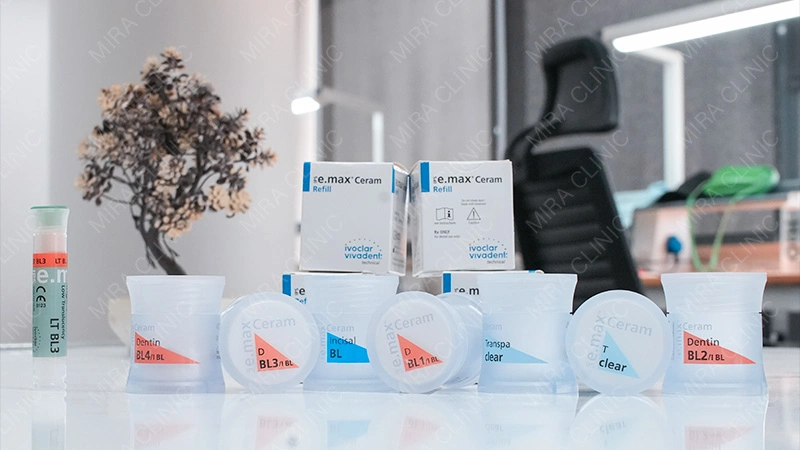
In many well-managed cases, porcelain-based veneers can remain functional and attractive for a long time. They are not immune to wear, but they are generally stable when bonded correctly and supported by good habits.
Composite veneers usually have a shorter average lifespan
Composite veneers are useful in selected cosmetic cases, but they usually have a shorter lifespan than ceramic options. They may wear, stain, or chip sooner, especially if the patient has heavy bite forces or inconsistent aftercare.
Lifespan is always a range, not a fixed promise
No honest dentist should promise an exact number of years for every patient. A veneer lifespan estimate should always be described as a range, because materials and habits behave differently over time.
Lifespan depends on the type of case, not just the type of veneer
Veneers on intact teeth often perform better
Teeth with strong enamel and minimal restorations usually offer a better bonding surface. This can improve long-term performance and make the veneer more predictable over the years.
Veneers in complex bite cases may age faster
Patients with unstable occlusion, edge-to-edge contacts, or untreated bruxism often place more stress on the veneers. This does not always mean veneers are inappropriate, but it does mean they may require closer monitoring and more protection.
Cosmetic goals can affect lifespan indirectly
Patients who want extreme brightness, major shape changes, or more dramatic smile transformations may require a different design or more demanding preparation. These factors can influence how the veneers age over time.
Lifespan should always be discussed together with maintenance
A long lifespan does not mean “no upkeep”
Some patients hear that veneers can last many years and assume they will not need ongoing care. In reality, long-lasting veneers still need monitoring, polishing when appropriate, and protection from damaging habits.
Regular reviews help identify small issues early
A veneer does not have to fail completely before a dentist can intervene. Minor adjustments, bite review, and hygiene support often help extend longevity before replacement becomes necessary.
The usual lifespan only makes sense when risk factors are explained
This is why the next step is to look closely at what affects veneer lifespan the most, because that is where many long-term differences begin.
What Affects Veneer Lifespan the Most
Bite forces and grinding are major lifespan drivers
Bruxism increases fracture and wear risk
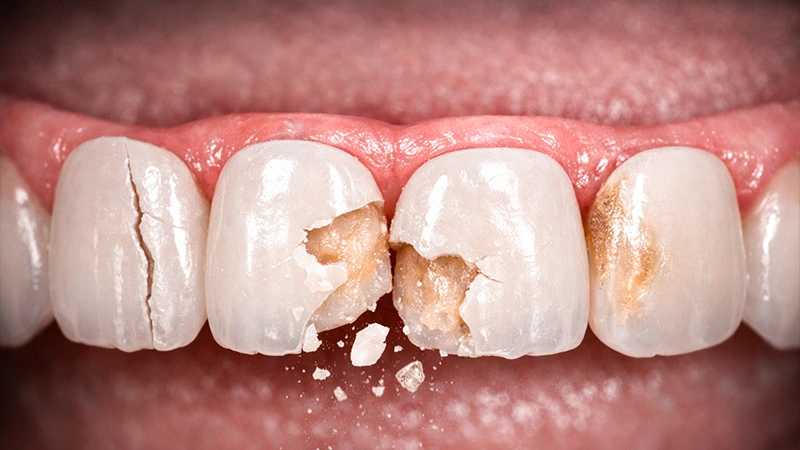
Grinding and clenching expose veneers to repeated stress, especially on the front teeth. Over time, this can increase the chance of edge chipping, debonding, or even fracture in both the veneer and the opposing teeth.
Bite instability accelerates mechanical stress
If the upper and lower teeth meet unevenly, one veneer may absorb more pressure than it was designed to handle. This can shorten lifespan even when the veneer itself was made correctly.
Protective measures matter in high-force cases
Night guards, careful bite adjustment, and conservative design choices can all improve longevity for patients with heavier bite forces. This is why bite analysis is part of lifespan planning, not just part of placement.
Oral hygiene and gum health play a long-term role
Poor cleaning can affect margins and surrounding tissues
Veneers do not decay on their own, but the tooth structure around them still needs protection. If plaque accumulates around margins, gum irritation and secondary decay risk can increase.
Healthy gums support better aesthetics and longevity
Inflamed or receding gums can expose margins, change the smile appearance, and make veneers look older sooner. Good gum health helps preserve both function and appearance.
Maintenance habits protect the restoration-tooth interface
The bond between veneer and tooth should remain clean and stable. This is one reason good brushing and flossing habits matter just as much after treatment as before.
Lifestyle habits change how veneers age
Smoking can accelerate discoloration around veneers
Ceramic veneers resist staining better than natural teeth or composite, but smoking can still affect surrounding teeth, margins, and overall smile appearance over time.
Diet influences wear and appearance
Frequent exposure to acidic drinks, biting hard foods, or using teeth to open packaging can shorten veneer lifespan. These habits place avoidable stress on otherwise healthy restorations.
Long lifespan requires realistic daily behavior
Patients often ask how to make veneers last longer, and the answer is usually not a special product. It is a combination of safe chewing habits, hygiene, and protection from avoidable damage, which is why comparing materials becomes the next logical step.
Do E-max, Porcelain, Zirconia, and Composite Veneers Last the Same Length of Time?
Different materials do not age in exactly the same way
E-max veneers are popular for aesthetics and long-term balance
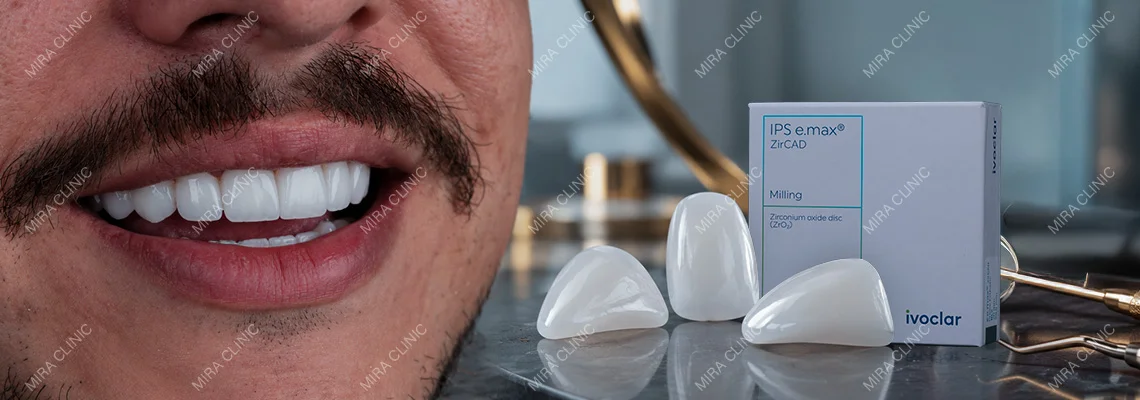
Emax veneers lifespan is often discussed because this material offers a strong balance between natural appearance and durability. It performs well in many cosmetic cases when the preparation and bite are suitable.
Porcelain veneers have a strong long-term track record
Conventional porcelain veneers remain a widely trusted option because they offer stable color, good aesthetics, and predictable performance when bonded properly.
Zirconia behaves differently from more translucent options
Zirconia veneers lifespan may differ because zirconia is often chosen for strength and opacity needs rather than for the exact same aesthetic behavior as more translucent ceramic materials. Its use depends heavily on case selection.
Composite veneers usually behave differently over time
Composite can be more maintenance-heavy
Composite veneers may need polishing, repair, or replacement sooner than ceramic options. This does not make them a poor choice, but it does make them a different kind of commitment.
They are often more vulnerable to staining and wear
Composite can pick up discoloration and edge wear earlier, especially in patients with staining habits or heavy use. This is one reason patients should understand the maintenance expectations before choosing them.
Composite may still be useful in selected cases
In conservative, lower-budget, or temporary aesthetic situations, composite can still be appropriate. The key is that patients understand its shorter expected lifespan compared with porcelain-based options.
Material choice should follow the patient, not trend labels
The “best material” depends on the case
There is no single veneer material that is best for everyone. A patient’s bite, enamel, color needs, and smile goals should guide the selection.
A stronger material is not always a longer-lasting result
Material strength alone does not determine longevity. A stable bite and conservative plan can matter more than a material marketed as stronger.
Lifespan must be discussed together with daily use
Even the most advanced ceramic cannot compensate for damaging oral habits. This is why daily behavior deserves its own discussion, because it often shortens lifespan more than patients realize.
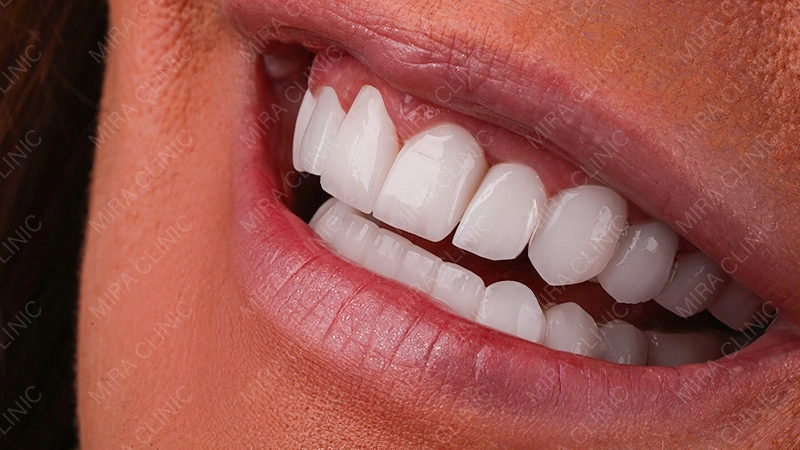
How Daily Habits Can Shorten the Life of Veneers
Repetitive mechanical stress is a common problem
Biting hard objects increases edge fracture risk
Using veneers to bite nails, open packaging, chew ice, or crack hard foods can damage the edges and reduce their lifespan unnecessarily.
Front teeth are not designed for every kind of pressure
Even if veneers are strong, they still need to be treated like front teeth, not like tools. Misusing them mechanically can shorten their life much faster than normal eating would.
Small habits often create big long-term effects
Many veneer failures are not caused by one dramatic event, but by repeated low-level habits over months or years. This is why daily awareness matters.
Chemical and staining habits also matter
Smoking changes the overall smile over time
Even when the veneer material resists discoloration, smoking can affect the appearance of surrounding teeth, margins, and the smile as a whole.
Acidic diets can affect the surrounding tooth structure
Frequent acidic drinks and poor timing of oral hygiene after acidic exposure can weaken or irritate the natural teeth and gums supporting the veneers.
The goal is not perfection, but lower cumulative damage
Patients do not need to live rigidly after veneers, but they do need to understand which habits make problems more likely. This is especially important after treatment abroad, because the maintenance phase begins immediately after returning home.
Inconsistent aftercare shortens veneer life faster than expected
Skipping follow-up means missing early warning signs
A veneer that needs minor polishing or bite adjustment may last much longer if the issue is caught early. Without follow-up, small problems can become replacement-level problems.
Poor hygiene undermines an otherwise good restoration
Neglecting plaque control, gum care, and maintenance makes even a well-planned veneer more vulnerable to complications around the margins and supporting tissues.
Daily habits connect directly to the next major topic
Because veneers are only as durable as the environment around them, the most practical question becomes how to maintain them properly after treatment in Turkey.
How to Maintain Veneers Properly After Treatment in Turkey
Good oral hygiene remains essential
Veneers still need brushing and flossing every day
Veneers are not a substitute for oral hygiene. Patients must brush properly, floss around margins, and keep the surrounding gums healthy to protect the teeth beneath and around the restorations.
Gum care helps veneers look better for longer
Healthy gums frame the veneers. If the gum tissues become inflamed or recede, the overall result can look older or less harmonious even if the veneer itself is intact.
Maintenance supports both health and aesthetics
Good hygiene is not only about avoiding decay. It also helps preserve the natural, clean look of the smile over time.
Follow-up after treatment in Turkey should be planned
Veneers aftercare should not be left vague
Patients traveling for treatment should know exactly what their veneers aftercare Turkey plan includes. This may involve post-treatment instructions, bite review, remote support, and future hygiene recommendations.
A clear plan reduces avoidable complications later
When the patient understands what to monitor after returning home, the chance of catching small issues early becomes much higher.
Good aftercare is part of the treatment, not a bonus
A veneer plan is not complete at bonding. Long-term success depends on what happens after treatment just as much as what happened during treatment.
Protection matters in higher-risk cases
Night guards help in patients who grind
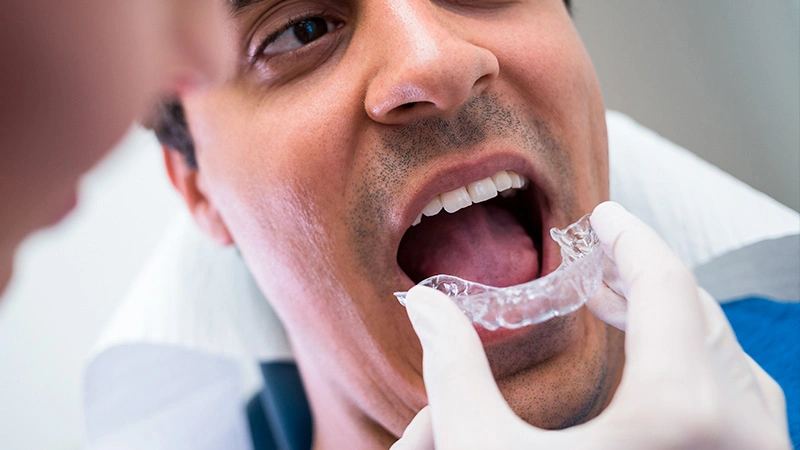
A well-fitted night guard can reduce the impact of bruxism and improve longevity significantly for high-force patients.
Bite rechecks may be needed after settling
Sometimes veneers feel fine at placement but need a small adjustment after the bite settles. This is normal and should be part of the long-term plan.
Good maintenance also helps identify when something is wrong
Because not every change means full replacement, it is important to understand the signs that veneers may need repair, review, or selective replacement.
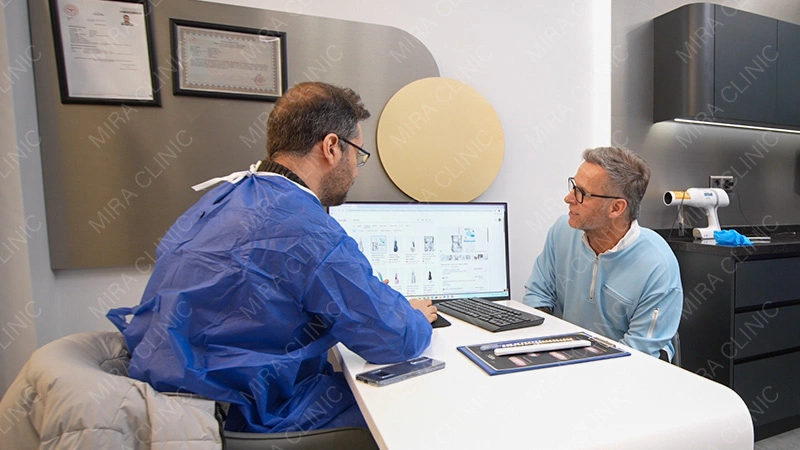
Signs That Veneers May Need Repair or Replacement
Not every problem means the veneer has failed completely
Small edge chips may be repairable
A minor edge chip does not always mean the veneer must be replaced. In some cases, careful polishing or bonding repair may be enough.
Surface roughness or staining may be manageable
A veneer that loses gloss or shows localized surface issues may respond to re-polishing rather than full removal.
Early intervention often preserves more options
Patients who seek review early usually have more conservative solutions available than those who wait until a veneer is severely damaged.
Some signs point more clearly toward replacement
Cracks, repeated debonding, or major shape changes are different
If a veneer repeatedly debonds, shows a significant crack, or no longer fits the tissue or bite properly, replacement becomes more likely.
Margin problems may affect more than appearance
If the margin becomes difficult to clean, irritating to the gums, or visibly compromised, the issue may involve the tooth-restoration interface rather than simple cosmetic wear.
The context of the problem matters
The same visual issue may need a different solution depending on bite forces, material, location, and the condition of the supporting tooth.
Lifespan decisions should be individualized
One worn veneer does not always mean all must be replaced
Patients often fear that one problem means the entire smile has reached the end of its life. In reality, many cases can be managed more selectively.
Conservative management is still possible after placement
A dentist may choose to polish, repair, monitor, or replace only what is necessary. That is why the next question matters: can one veneer be replaced without changing every tooth?
Read more: Hollywood Smile Reviews – Real Patient Story in Turkey: Jamie’s Smile Transformation in Istanbul
Can Veneers Be Replaced Without Changing Every Tooth?
Selective replacement is often possible
One veneer can sometimes be replaced on its own
If one veneer is damaged, debonded, or no longer acceptable aesthetically, it may be possible to replace only that tooth rather than the entire set.
Matching is easier when records and materials are known
Shade documentation, lab records, photos, and knowledge of the original material can improve the chances of replacing one veneer successfully without disturbing the rest.
Selective replacement depends on case stability
The more stable the surrounding veneers and tissues are, the more realistic selective replacement becomes.
Some cases need coordinated replacement instead
Symmetry and shade blending may complicate one-tooth replacement
If the smile design is highly visible or the older veneers have changed over time, replacing one tooth perfectly may be more difficult aesthetically.
Functional problems may involve more than one tooth
If the issue comes from bite instability or wear affecting multiple restorations, replacing a single veneer may not solve the real problem.
Replacement decisions are clinical, not cosmetic alone
The dentist must judge whether a local fix will remain stable, or whether broader revision is safer and more predictable.
The goal is always the least invasive effective solution
Not every issue deserves full smile replacement
Patients should not assume that damage to one veneer automatically means repeating the whole treatment. Many cases are more conservative than that.
Good dentistry preserves what is still working
If the rest of the veneers are healthy, stable, and well adapted, the dentist should preserve them whenever possible. This brings us to the practical question of how clinicians decide whether to polish, repair, or replace.
Read more: Are Veneers Reversible? What Happens If You Change Your Mind Later
How Dentists Decide Whether Veneers Should Be Polished, Repaired, or Replaced
The decision starts with the size and type of defect
Superficial surface issues may only need polishing
Loss of surface gloss, very light staining, or minor roughness may be corrected with polishing if the veneer is otherwise sound.
Small localized defects may allow bonding repair
In selected cases, limited chipping or contour loss can be repaired without replacing the whole veneer.
Structural compromise usually moves the case toward replacement
Cracks, unstable fit, poor margins, or repeated failure usually indicate that a more complete solution is needed.
The dentist also evaluates the underlying tooth
The veneer is not assessed in isolation
A repairable-looking veneer may still need replacement if the tooth beneath it has changed, decayed, or lost support.
Tooth structure influences the safest next step
If the tooth remains stable and healthy, conservative management is easier. If the foundation has changed, the dentist may need to revise the plan more fully.
Function still matters as much as appearance
Even if the veneer looks acceptable, bite pressure or occlusal trauma may make polishing or repair a short-term fix rather than a stable solution.
Long-term planning matters during every intervention
The least invasive option should still be durable
A conservative repair is only useful if it is likely to hold. Otherwise, delaying replacement may increase long-term cost and frustration.
Replacement should solve the cause, not just the symptom
If a veneer failed because of grinding, poor bite, or an unsuitable design, those factors should be corrected during the next step.
This is why longevity also affects financial planning
Patients should think about veneer treatment not only as an upfront cost, but as a long-term maintenance decision, which leads directly to cost over time.
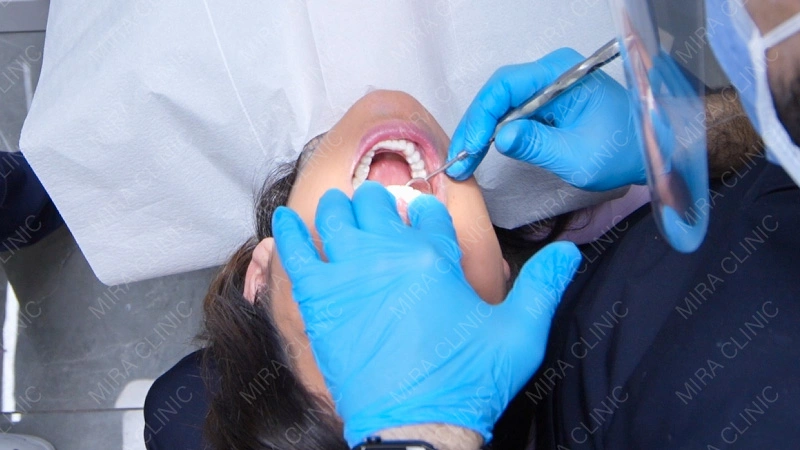
How Veneer Longevity Affects Long-Term Cost
Initial price is only part of the total investment
Lower upfront cost may mean more maintenance later
Composite veneers may cost less initially, but if they need more frequent repair or replacement, the long-term cost can rise.
Longer-lasting materials may offer better value over time
Porcelain-based options may cost more upfront, but their durability can make them more cost-effective in the right case.
Cost should be viewed over years, not only at placement
Patients choosing a Hollywood Smile in Turkey should think beyond the travel package and ask what upkeep the smile may require over time.
Maintenance decisions influence total spend
Polishing and selective repairs can reduce future costs
Not every issue needs full replacement, and early maintenance can often extend veneer life more affordably.
Delayed care may create bigger expenses
Ignoring minor chips, roughness, or bite discomfort can allow a smaller issue to become a more expensive problem later.
Cost control often comes from good planning, not cheaper materials
The best long-term financial strategy is usually a treatment plan that matches the teeth properly from the beginning.
Longevity is part of treatment selection, not a separate issue
Material choice should reflect lifestyle and risk
Patients with grinding, staining habits, or high bite forces need a more realistic discussion about maintenance and replacement timing.
The cheapest short-term solution is not always the best value
When patients ask how to make veneers last longer, they are also asking how to protect the value of the treatment they are paying for.
These questions are often easiest to summarize through FAQs
Because veneer lifespan is such a practical concern, the most common patient questions deserve short, direct answers.
Read more: Do Veneers Damage Teeth in Turkey? The Truth About Enamel Reduction, Tooth Prep, and Safe Planning