Choosing veneers in Turkey is no longer just about price or speed. In 2026, the real decision is about material choice and whether that material fits your teeth, bite forces, and aesthetic goals. Porcelain, Emax, zirconia, and composite veneers are not interchangeable, even though they are often marketed as if they are.
This guide explains what each veneer material actually does, when it makes sense, where it falls short, and how dentists should match the material to your case—so you avoid unnecessary tooth reduction, early failure, or disappointing results.
- Quick Answer — Which Veneer Material Is “Best” in Turkey in 2026?
- Veneers vs Crowns vs Composite Bonding (So You Don’t Choose the Wrong Category)
- Porcelain Veneers (Classic Porcelain): When a Balanced Option Makes Sense
- Emax Veneers (Lithium Disilicate): The “Aesthetics-First” Choice
- Zirconia Veneers — and When This Becomes a Crown Discussion
- Composite Veneers (Direct Composite): Conservative but Maintenance-Heavy
- The “Material Match” Checklist (How Dentists Should Actually Decide)
- What Really Changes the Recommendation in Turkey (Beyond Marketing)
- Comparison Table — Porcelain vs Emax vs Zirconia vs Composite
- Red Flags When a Clinic Pushes One Material for Everyone
- Questions to Ask Before Choosing a Veneer Material in Turkey
Quick Answer — Which Veneer Material Is “Best” in Turkey in 2026?
The short truth
There is no universally “best” veneer material. The right choice depends on three factors: the condition of your teeth, your bite forces, and the type of result you want to see in real life—not just in photos.
The fast takeaway
Emax is often chosen for high-aesthetic, natural-looking front teeth. Zirconia is considered when strength and opacity are priorities. Classic porcelain remains a proven middle-ground option. Composite is best for conservative, temporary, or small cosmetic fixes.
Veneers vs Crowns vs Composite Bonding (So You Don’t Choose the Wrong Category)
Before comparing materials, it is important to understand what type of restoration you are choosing.
Veneers
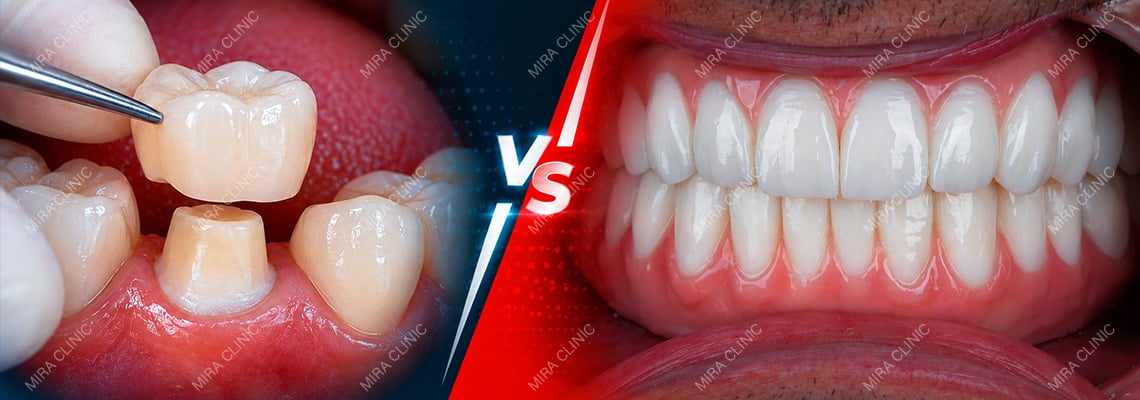
Veneers are thin layers bonded to the front surface of the teeth. They are primarily cosmetic and aim to improve colour, shape, and symmetry while preserving as much natural tooth structure as possible.
Crowns
Crowns cover the entire tooth. They are used when teeth are structurally compromised due to cracks, large fillings, or severe wear. If a clinic recommends crowns purely for cosmetic reasons without structural need, this deserves careful questioning.
Composite bonding
Composite bonding adds material directly to the tooth. It is minimally invasive and fast, but it requires more maintenance and is less durable than ceramic options.
_1768205829.webp)
Porcelain Veneers (Classic Porcelain): When a Balanced Option Makes Sense
Best for
Classic porcelain veneers are suitable for patients with a stable bite who want a balance between aesthetics and durability. They have a long track record and are widely used when conditions are favourable.
Trade-offs
Porcelain veneers are difficult to repair once chipped. Their resistance to staining depends heavily on surface polish and lab technique. The final outcome is influenced as much by craftsmanship as by the material itself.
Who should avoid default porcelain
Patients who grind their teeth or have high bite forces should not receive porcelain veneers without a protection plan, such as bite adjustment and a night guard.
Emax Veneers (Lithium Disilicate): The “Aesthetics-First” Choice
Best for
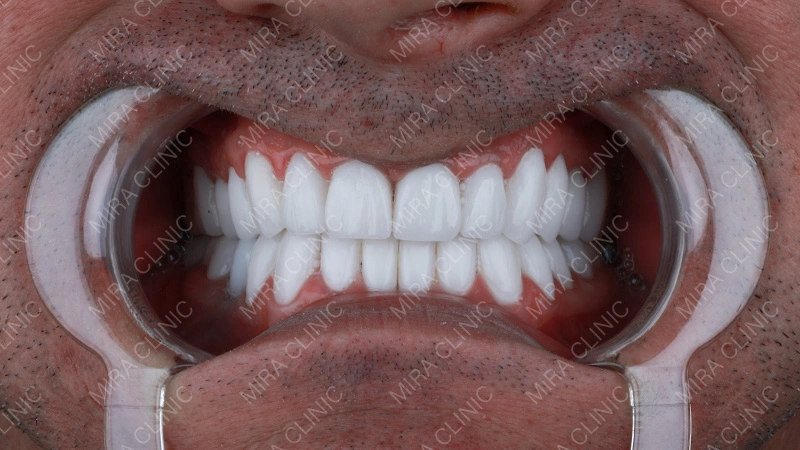
Emax veneers are known for their translucency and lifelike appearance. They are commonly chosen for visible front teeth where a natural, light-reflecting result is the priority.
Trade-offs
Emax is a type of porcelain, but it is not ideal for unmanaged high bite forces. Without proper planning, it may chip in patients who clench or grind their teeth.
Best-fit cases
Emax works well for colour correction and shape refinement when the goal is a natural smile rather than an opaque, ultra-white look.
Zirconia Veneers — and When This Becomes a Crown Discussion
Best for
Zirconia is chosen in strength-driven cases or when underlying tooth colour requires more opacity. It is often used when durability is a higher priority than maximum translucency.
Trade-offs
Zirconia can appear less translucent than Emax if not layered properly. The final look depends on design and lab technique, not just the material name.
Key clarification
When a clinic says “zirconia,” it is essential to confirm whether they mean veneer-style coverage or full crown-style coverage. These are very different treatments.
Composite Veneers (Direct Composite): Conservative but Maintenance-Heavy
Best for
Composite veneers are suitable for small cosmetic adjustments, limited budgets, or situations where the patient wants to avoid irreversible changes.
Trade-offs
Composite is more prone to staining and chipping. It requires regular polishing and touch-ups to maintain appearance.
Smart use-case
Composite can be a good way to test a new tooth shape before committing to ceramic veneers.
The “Material Match” Checklist (How Dentists Should Actually Decide)
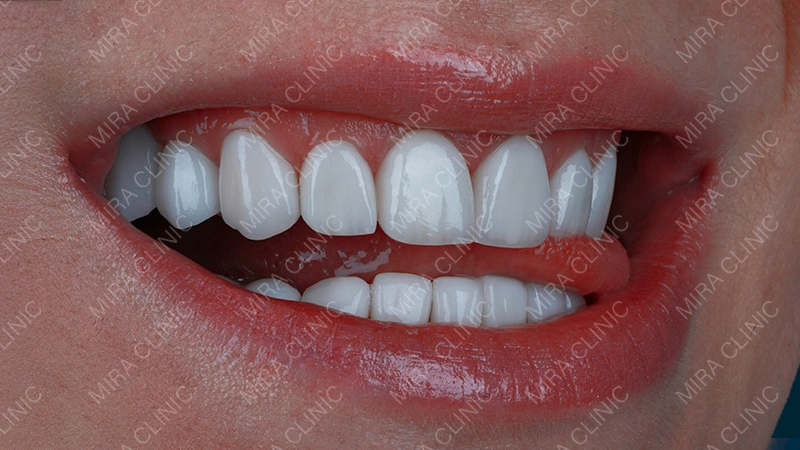
If your priority is the most natural front-tooth appearance in daylight and photos, Emax may be appropriate—provided your bite allows it.
If you grind or clench your teeth, strength-first planning becomes essential, often involving zirconia or alternative solutions combined with protective measures.
If you want a reliable middle-ground option with a long clinical history, classic porcelain may be suitable.
If your changes are minor and you want minimal alteration, composite may be the safest starting point.
What Really Changes the Recommendation in Turkey (Beyond Marketing)
Shade goals
A “bright but believable” shade requires different material behaviour than an opaque white look. This choice alone can eliminate or favour certain materials.
Underlying tooth colour
Dark teeth may require more opacity or staged whitening before veneers. Ignoring this leads to unnatural results.
Preparation style
Conservative preparation supports more aesthetic materials. Aggressive preparation often pushes cases toward stronger, less translucent options.
Bite management
Most veneer failures are caused by bite issues, not material weakness. Bite analysis and adjustment matter more than brand names.
Comparison Table — Porcelain vs Emax vs Zirconia vs Composite
|
Factor |
Porcelain |
Emax |
Zirconia |
Composite |
|---|---|---|---|---|
|
Translucency |
Medium–high |
High |
Low–medium |
Medium |
|
Strength |
Medium |
Medium |
High |
Low–medium |
|
Opacity control |
Moderate |
Limited |
High |
Moderate |
|
Repairability |
Low |
Low |
Very low |
High |
|
Stain resistance |
High |
High |
Very high |
Low |
|
Maintenance |
Low |
Low |
Low |
High |
|
Best-fit cases |
Balanced aesthetics |
Natural front teeth |
High-force cases |
Small cosmetic fixes |
Red Flags When a Clinic Pushes One Material for Everyone
A clinic that recommends the same material for every patient without diagnostics is not individualising care.
If there is no explanation linking the material to your tooth colour, bite, and goals, caution is advised.
Lack of a bruxism plan or post-cementation bite adjustment increases the risk of early failure.
Questions to Ask Before Choosing a Veneer Material in Turkey
“Which material is best for my tooth colour and bite—and why?”
The answer should be diagnostic, not promotional.
“Is this veneer-style or crown-style coverage?”
This clarifies how much tooth structure will be altered.
“How will bite forces be managed and edges protected?”
This reveals long-term planning.
“What maintenance should I expect in the next 1–3 years?”
This sets realistic expectations.