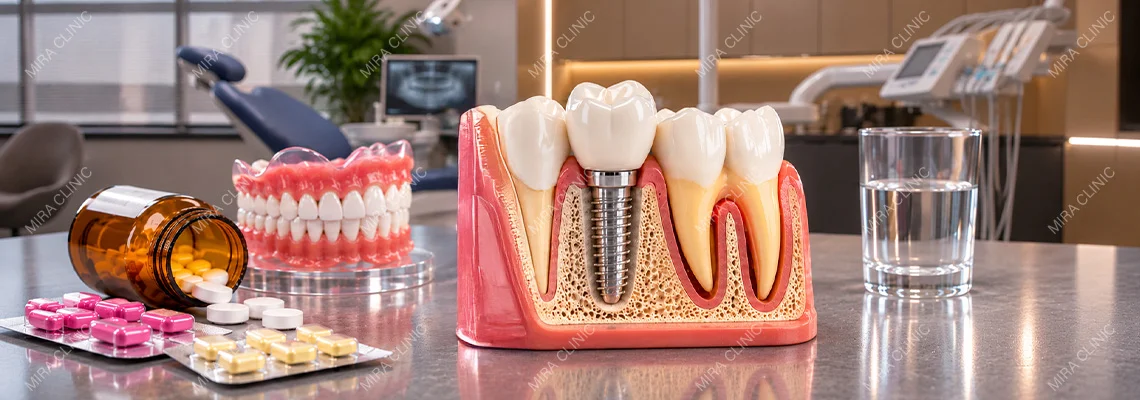
A “Hollywood Smile” is one of the most searched cosmetic dental terms in 2026. In Turkey, it often appears in fast packages and dramatic before-and-after photos. But clinically, a Hollywood Smile is not one procedure. It is a cosmetic smile makeover that can involve veneers, crowns, bonding, whitening, or a combination of treatments.
Understanding what it really means, who it suits, and what natural results actually look like helps you avoid rushed decisions and irreversible mistakes.
- Quick Answer — What a “Hollywood Smile in Turkey” Usually Means in 2026
- What Treatments Can Create a Hollywood Smile (And When Each One Makes Sense)
- Who a Hollywood Smile Is For (And Who Should Pause Before Booking)
- What “Natural” Hollywood Smile Results Look Like in 2026
- The Turkey Reality Check — What Should Happen First, and What Should Happen Last
- Decision Table: Veneers vs Crowns vs Bonding vs Whitening
- Risks Patients Often Notice Only After They Fly Home (And How to Reduce Them)
- Red Flags — When “Hollywood Smile” Is Sold as a Package, Not Planned as Care
- What to Ask Before Booking a Hollywood Smile in Turkey (Copy/Paste)
Quick Answer — What a “Hollywood Smile in Turkey” Usually Means in 2026
The three common meanings
Patients usually mean one of three things: a specific bright look, a planned smile makeover, or a bundle of cosmetic treatments offered together.
The simplest definition
A Hollywood Smile is a cosmetic smile makeover. It is not a single procedure and not the same for every patient.
The safety principle
Design comes first. Treatment choice comes second. The safest plans use the least aggressive option that achieves the goal.
What Treatments Can Create a Hollywood Smile (And When Each One Makes Sense)
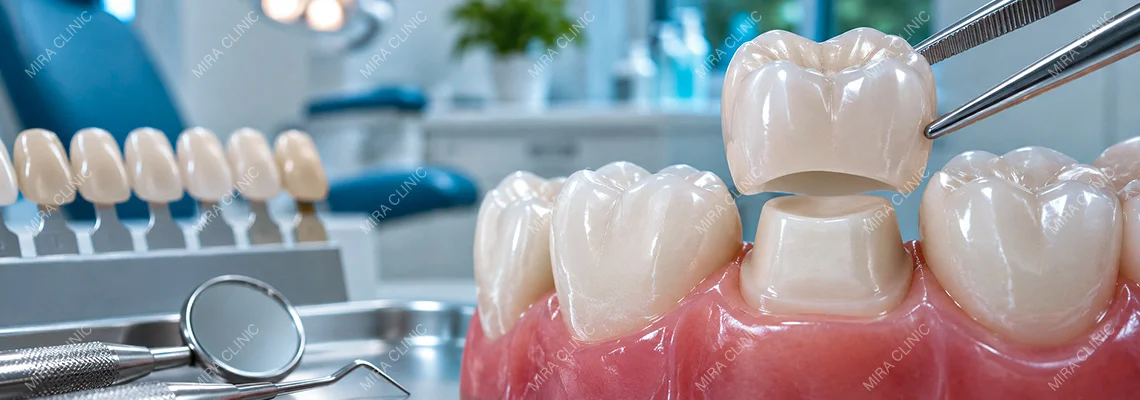
Veneers
Veneers are used when teeth are healthy but need improvement in colour, shape, or uniformity. They cover the front surface and preserve most natural structure when planned correctly.
Crowns
Crowns are used when teeth are structurally compromised. This includes cracked teeth, large fillings, or weak enamel. Crowns should not be the default choice for purely cosmetic cases.
Composite bonding
Bonding is suitable for small corrections. It is faster and less invasive but requires more maintenance over time. It is not ideal for heavy bite forces.
Whitening and minor reshaping
Some smiles improve significantly with whitening and subtle reshaping alone. This option enhances the existing smile without creating a completely new one.

Who a Hollywood Smile Is For (And Who Should Pause Before Booking)
Good candidates
Patients with cosmetic goals, healthy gums, stable bite, and realistic expectations are usually good candidates.
Caution group
Patients with high sensitivity, teeth grinding, or mild bite issues may still qualify, but only with proper planning and protective measures.
Not suitable without prior treatment
Untreated decay, unstable bite, or major crowding should be addressed before any cosmetic smile makeover.
Check Out: Real Hollywood Smile Review in Turkey – David Fanelli’s Journey from Italy to Istanbul
What “Natural” Hollywood Smile Results Look Like in 2026
Shade rules
Natural smiles are bright but believable. Flat, opaque white shades often look artificial, especially under natural light.
Shape rules
Natural results depend on tooth length, edge softness, and proportion. Teeth should follow facial harmony, not trends.
The smile-line reality
Gum position strongly affects how natural a smile looks. Even perfect teeth can look unnatural if gum levels are ignored.
Three warning signs a result may look fake
Identical tooth shapes for everyone. Extremely white shades with no translucency. No discussion of gum or lip dynamics before treatment.

The Turkey Reality Check — What Should Happen First, and What Should Happen Last
Before any tooth preparation
Proper records are taken. This includes photos, bite checks, and a design preview. No irreversible steps should happen first.
A realistic Turkey timeline
Planning comes first. A try-on or preview follows. Final treatment is done only after approval.
Why rushed full-mouth plans cause problems
When everything is done in one rushed visit, bite issues, over-preparation, and long-term discomfort are more likely.
Decision Table: Veneers vs Crowns vs Bonding vs Whitening
|
Factor |
Veneers |
Crowns |
Bonding |
Whitening |
|---|---|---|---|---|
|
Tooth alteration |
Moderate |
High |
Minimal |
None |
|
Durability drivers |
Enamel quality |
Tooth strength |
Bite forces |
Lifestyle habits |
|
Maintenance |
Low–moderate |
Moderate |
High |
Periodic |
|
Risk profile |
Low when planned |
Higher if overused |
Chipping/staining |
Sensitivity |
|
Reversibility |
Partial |
No |
Yes |
Yes |
|
Best use-case |
Cosmetic upgrades |
Structural repair |
Small fixes |
Mild enhancement |
Risks Patients Often Notice Only After They Fly Home (And How to Reduce Them)
Over-preparation risk
Healthy teeth can be reduced too much when crowns are chosen unnecessarily. Proper planning reduces this risk.
Bite risk
Ignoring occlusion can cause jaw tension, chipping, or discomfort. Bite checks and adjustments are essential.
Gum risk
Poor margins can lead to inflammation, hygiene difficulties, or black triangles. Gum planning matters as much as tooth shape.
Follow-up risk
Adjustments may be needed after treatment. A clear remote support plan is important for international patients.

Red Flags — When “Hollywood Smile” Is Sold as a Package, Not Planned as Care
One-size-fits-all plans
The same number of teeth and same design for everyone is a warning sign.
No written treatment plan
A proper plan lists the number of teeth, materials, preparation level, and follow-up steps.
No discussion of bite or grinding
Ignoring these factors increases long-term failure risk.
Before-and-after photos with no case details
Photos without explanations hide what was actually done.
What to Ask Before Booking a Hollywood Smile in Turkey (Copy/Paste)
“Which option is recommended for me, and why?”
The answer should be based on diagnosis, not sales.
“How will you check and adjust my bite after cementation?”
This shows whether function is taken seriously.
“What materials will be used, and what is the follow-up plan?”
Clarity here prevents misunderstandings.
“Can I preview the design before any irreversible steps?”
Design previews reduce risk and improve satisfaction.