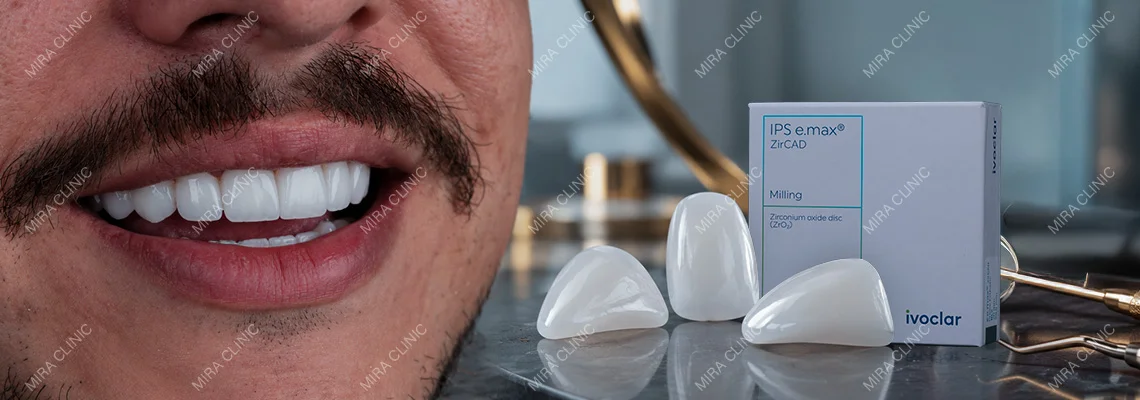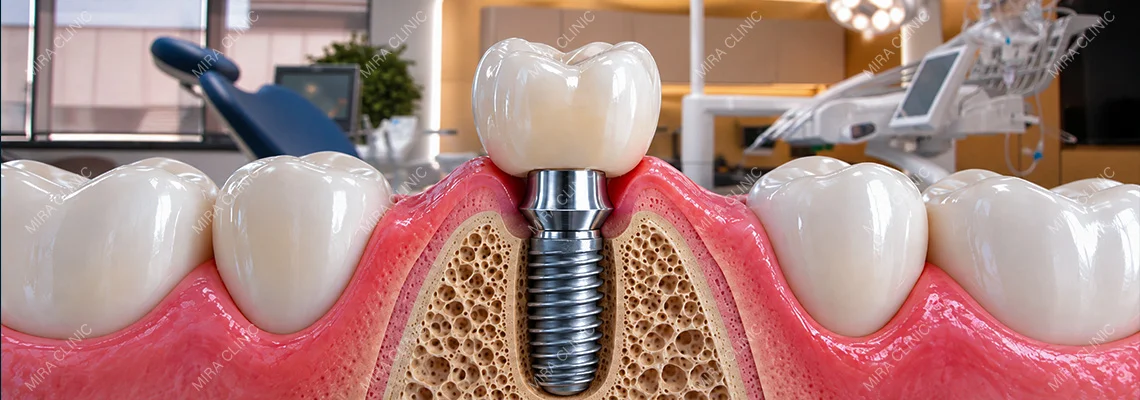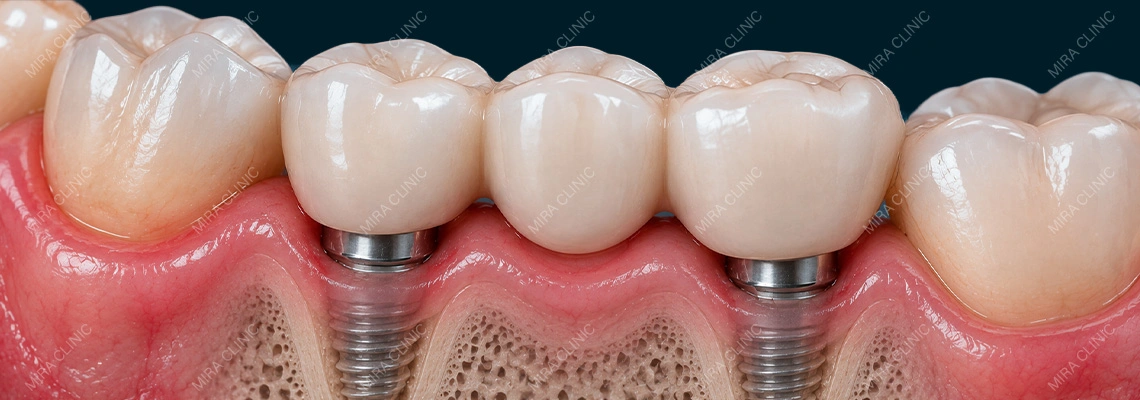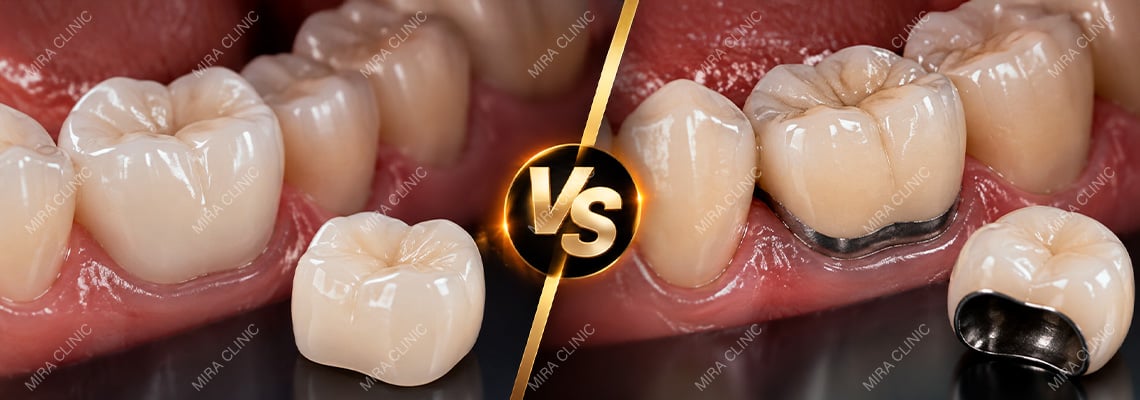
When patients start researching cosmetic dentistry, one of the most common questions is how many veneers do I need to achieve a balanced smile. Online photos often show dramatic smile transformations, but they rarely explain how dentists determine the number of teeth treated.
In reality, there is no universal number. Some patients need 6 veneers, others benefit from 8 or 10 veneers, and a few cases involve 20 teeth when both upper and lower arches are included. The correct number depends on how many teeth are visible when you smile, your facial proportions, bite alignment, and your aesthetic goals.
Understanding how dentists evaluate these factors helps patients avoid unnecessary treatment and choose a plan that looks natural rather than artificial.
- Quick Answer: Most Patients Do Not Need 20 Veneers
- How Dentists Decide the Right Number of Veneers
- When 6 Veneers May Be Enough
- When 8 Veneers Makes More Sense
- When 10 Veneers Creates a More Balanced Smile
- When 20 Teeth May Be Considered
- Upper Teeth Only vs Upper and Lower Veneers
- Why Smile Line Matters More Than a Fixed Number
- Can Some Teeth Need Crowns Instead of Veneers?
- How the Number of Veneers Changes the Total Cost
Quick Answer: Most Patients Do Not Need 20 Veneers
The common misconception about full-set veneers
Why social media often suggests 20 veneers
Many people assume a Hollywood Smile automatically requires a full set of veneers. This perception often comes from marketing packages or social media results that highlight dramatic transformations.
However, dentists rarely treat every tooth unless it is necessary. In most cases, only the teeth visible in the smile zone are treated.
Key factors include:
- smile width
- lip movement when smiling
- tooth visibility
- symmetry between left and right sides
Because these elements vary between individuals, the correct number of veneers is determined through evaluation rather than a standard package.
The most common veneer ranges
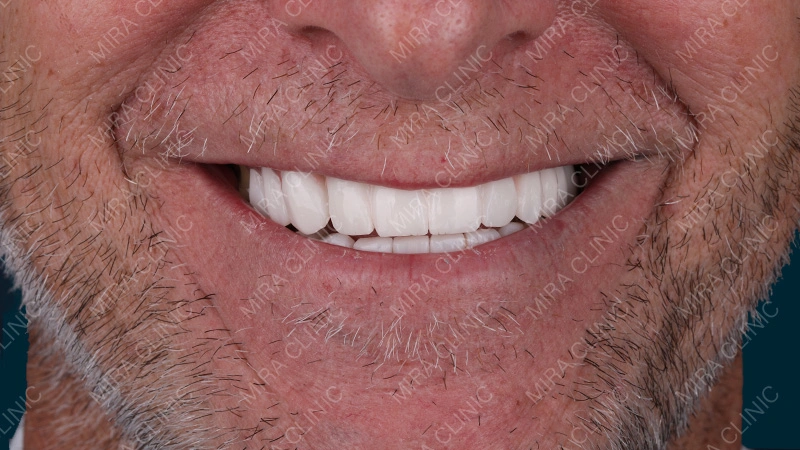
For many patients, dentists consider these ranges:
- 6 veneers for narrow smiles or limited corrections
- 8 veneers for moderate smile width
- 10 veneers for wider smiles with more visible teeth
- 20 veneers when both arches are visible and aesthetic balance requires it
This quick overview helps answer the most common question, but the real decision process involves several clinical and aesthetic factors.
How Dentists Decide the Right Number of Veneers
The smile analysis process
Smile width and tooth visibility
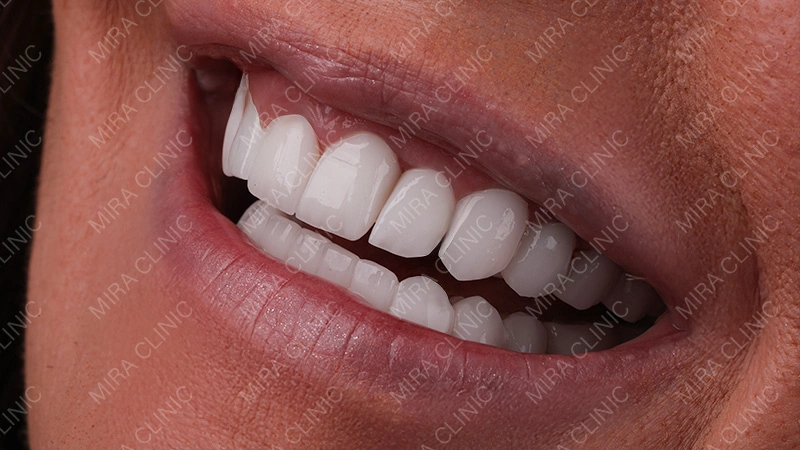
One of the first things dentists evaluate is how many teeth show when you smile. Some people display only the front six teeth, while others show eight or ten naturally.
Dentists observe:
- the natural smile line
- the width of the smile
- lip movement during speech and laughter
The goal is to ensure that treated teeth blend naturally with untreated ones.
Facial proportions and bite alignment
Dentists also consider structural factors such as:
- facial symmetry
- tooth proportions
- bite alignment
- jaw position
These elements ensure that veneers do not only look good in photos but also function properly in everyday chewing and speaking.
Once this analysis is complete, dentists determine whether a smaller treatment zone—such as six veneers—can produce a balanced smile.
When 6 Veneers May Be Enough
Veneers for limited front-tooth corrections
Ideal cases for 6 veneers
In some cases, 6 veneers vs 8 veneers becomes an important decision. Six veneers may be sufficient when only the most visible front teeth require cosmetic enhancement.
Typical candidates include patients with:
- narrow smiles
- small tooth exposure
- minor color differences
- limited front-tooth irregularities
Treating only these teeth can improve the smile while preserving more natural tooth structure.
Why dentists avoid unnecessary veneers
A conservative approach is often preferred in cosmetic dentistry. Treating fewer teeth reduces preparation and helps maintain natural enamel.
However, when the smile is slightly wider, dentists may recommend expanding the treatment area to eight veneers.
Check out: How NOEL Saved €10,000 on Veneers: 10 Days in Turkey vs €16,000 in Dublin (2026)
When 8 Veneers Makes More Sense
Expanding the smile zone
Why 8 veneers is a common choice
Many smile makeovers involve 8 veneers vs 10 veneers decisions because eight veneers often match the natural smile width.
Patients who show more teeth when smiling may benefit from veneers extending slightly beyond the front six teeth.
This helps:
- maintain symmetry
- avoid color mismatch between treated and untreated teeth
- create a smoother smile curve
The aesthetic balance factor
Dentists look for harmony between the center of the smile and the outer edges. If untreated teeth remain visible, they may appear darker or uneven compared to veneered teeth.
In these situations, extending treatment to ten veneers may produce a more balanced result.
Read more: Are Veneers Reversible? What Happens If You Change Your Mind Later
When 10 Veneers Creates a More Balanced Smile
Wider smiles require broader treatment zones
When 10 veneers improve symmetry
Patients with wider smiles often show more teeth naturally. In these cases, 10 veneers vs 20 veneers becomes the next decision point.
Ten veneers may be recommended when:
- the smile reveals more lateral teeth
- facial proportions require greater symmetry
- the smile curve extends beyond eight teeth
This approach ensures that the entire visible smile area has consistent color and shape.
Avoiding uneven smile transitions
If veneers stop too early along the smile line, untreated teeth may contrast with the cosmetic restorations. Dentists therefore extend the treatment to ensure seamless transitions.
Only in certain situations does the plan expand to include veneers on both arches.
When 20 Teeth May Be Considered
Full-arch aesthetic corrections
When dentists consider a full set of veneers
Some patients ask about full set veneers, which may include up to twenty teeth—ten on the upper arch and ten on the lower arch.
This is typically considered when:
- both upper and lower teeth show when smiling
- the lower teeth affect the smile aesthetics
- significant wear or discoloration affects both arches
However, this situation is not common for every patient.
Why 20 veneers is not standard
Most smiles naturally show more upper teeth than lower teeth. Because of this, dentists often treat the upper arch first before considering lower veneers.
Understanding whether lower teeth should be included leads to another important decision.
Also check: Russian Blogger Tatiana Musulbes Chooses MIRA Clinic Istanbul for a Complete Family Smile Transformation
Upper Teeth Only vs Upper and Lower Veneers
Veneers for top teeth only
Why upper veneers are most common
Many patients receive veneers for top teeth only because upper teeth dominate the smile.
Upper veneers alone can often:
- brighten the smile
- correct visible imperfections
- create a balanced appearance
In these cases, lower teeth may only require whitening or minor reshaping.
When lower veneers are added
Lower veneers may be recommended when:
- lower teeth are highly visible
- there is noticeable discoloration
- wear affects the lower front teeth
Still, the most important factor influencing this decision is the patient’s natural smile line.
Why Smile Line Matters More Than a Fixed Number
The natural smile line guides treatment
How dentists analyze smile dynamics
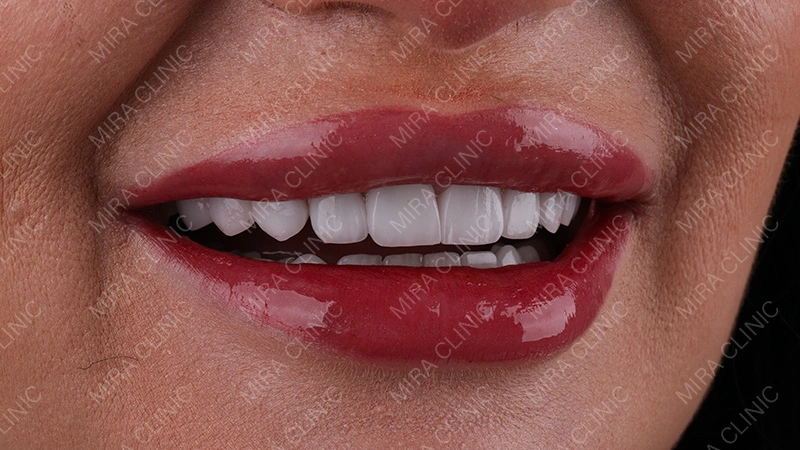
A key principle in smile design is that treatment should follow the natural smile line rather than a predefined number of veneers.
Dentists evaluate:
- lip position when smiling
- tooth visibility in motion
- facial symmetry
This ensures the smile looks natural rather than artificially uniform.
Avoiding “package dentistry”
Some clinics promote fixed packages such as 10 veneers for a Hollywood Smile. However, the ideal plan should always be customized to the patient’s anatomy.
In many cases, the plan may also include a combination of veneers and crowns.
Can Some Teeth Need Crowns Instead of Veneers?
When crowns are necessary
Structural damage changes the plan
Even within the smile zone, some teeth may not be suitable for veneers.
Dentists may recommend crowns instead of veneers when teeth have:
- large fillings
- fractures
- root canal treatment
- severe structural weakness
In these cases, crowns provide strength and protection.
Combining veneers and crowns
Many smile makeover plans combine:
- veneers for healthy teeth
- crowns for weakened teeth
This approach ensures that both aesthetics and durability are maintained.
Because the number of restorations varies, the total treatment cost also changes.
How the Number of Veneers Changes the Total Cost
Cost depends on the number of teeth treated
Veneer quantity directly affects price
One of the most common questions patients ask is whether the number of veneers changes the price.
The answer is yes. The total cost of a smile makeover with veneers depends on:
- number of teeth treated
- material used
- laboratory work
- complexity of the case
More veneers generally mean higher total cost.
Why dentists focus on value, not quantity
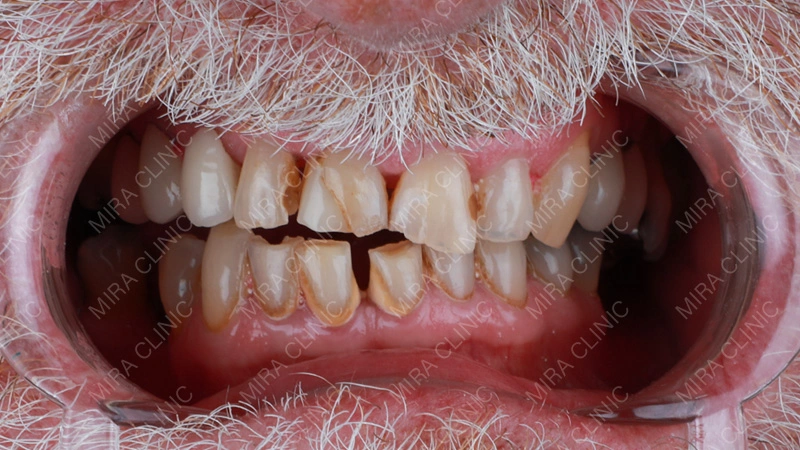
The goal of cosmetic dentistry is not to maximize the number of veneers but to achieve the most natural result with the least invasive approach.
This philosophy helps patients choose the right plan rather than the biggest package.
Many of the remaining questions about veneer numbers are addressed in the following FAQs.
Read more: Do Veneers Damage Teeth? What Really Happens to Enamel and Tooth Prep (Turkey Guide 2026)