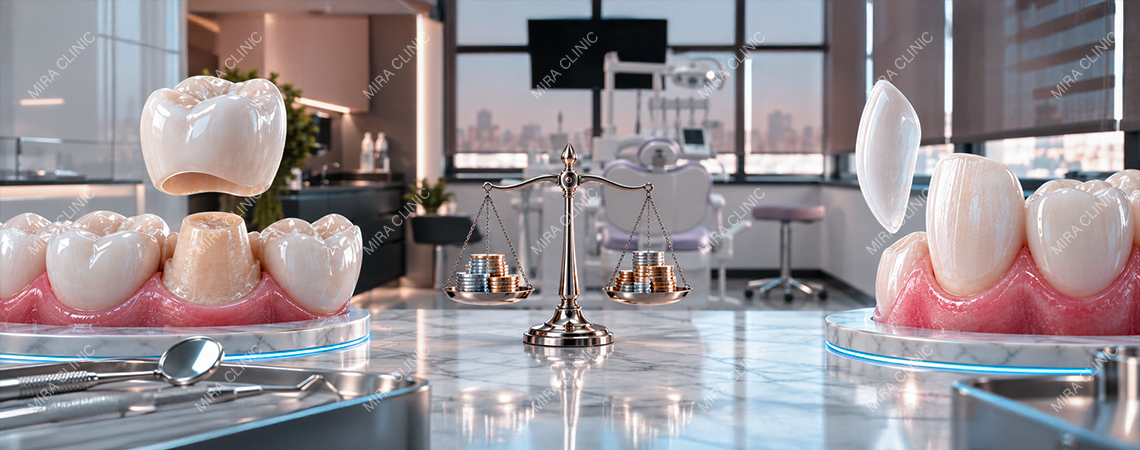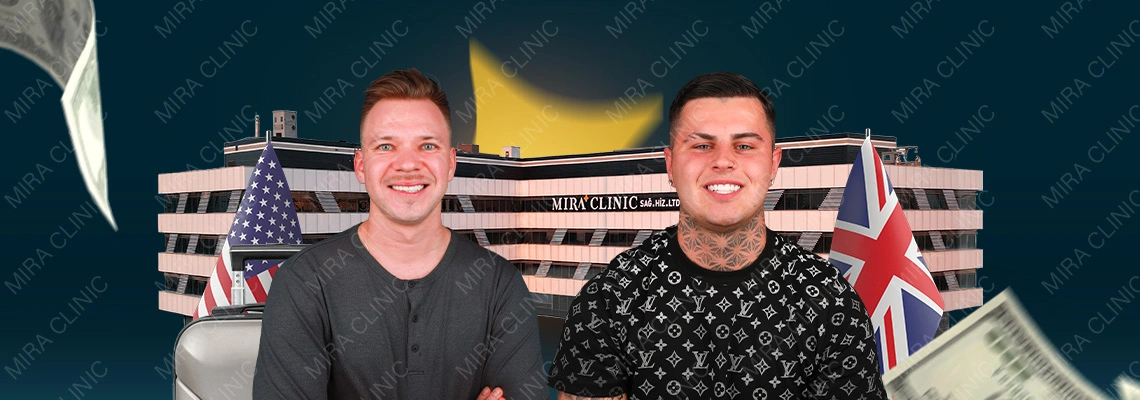
Private cosmetic and restorative dentistry has become hard to absorb for many patients in the UK and USA, especially when the case involves a full veneer smile design or implants rather than a single simple procedure. In the U.S., a single veneer is commonly cited around $500 to $2,895, with six to eight veneers averaging about $15,486, while UK private implants commonly start from about £2,400 for a single implant and full-arch All-on-4 treatment is often discussed around £10,000 to £20,000 per arch.
That is why Turkey is no longer viewed only as a “cheap alternative.” For many patients, it is a value-driven dental travel hub where the total treatment equation can still work even after flights and hotel costs are added. Public market guides continue to describe Turkey as a major dental-tourism destination, with treatment costs often estimated around 60% to 70% lower than in the U.S. for common dental procedures.
- Quick Answer: Dental Travel to Turkey Can Lower Total Treatment Costs Significantly — but ROI Depends on the Case
- The Price Gap: 2026 Cost Comparison Between the UK, USA, and Turkey
- Why Is Turkey More Affordable? The Real Cost Drivers Behind the Price Gap
- Material Quality: Are You Getting the Same Brands and Standards?
- Beyond the Dental Chair: Travel, Hotels, Transfers, and Real Trip Costs
- Who Benefits Most Financially from Dental Travel to Turkey?
- Calculating ROI: Long-Term Savings, Follow-Up, and Value
- Hidden Costs to Avoid: What the Cheapest Clinics May Leave Out
- Final Verdict: Is Traveling to Istanbul the Right Financial Move?
Quick Answer: Dental Travel to Turkey Can Lower Total Treatment Costs Significantly — but ROI Depends on the Case
Yes, dental travel to Turkey can reduce total treatment cost substantially, but the strongest savings usually appear in bigger cases such as full veneer smile makeovers, implant treatment, or multi-step restorative plans. Smaller cases can still save money, but the financial advantage is usually less dramatic once flights, accommodation, and follow-up planning are included.
The key distinction is this: cheap dentistry and high-value dentistry are not the same thing. The smartest financial move is not necessarily the lowest quote. It is the plan that combines appropriate materials, transparent inclusions, realistic follow-up, and a treatment scope large enough to justify the trip.

The Price Gap: 2026 Cost Comparison Between the UK, USA, and Turkey
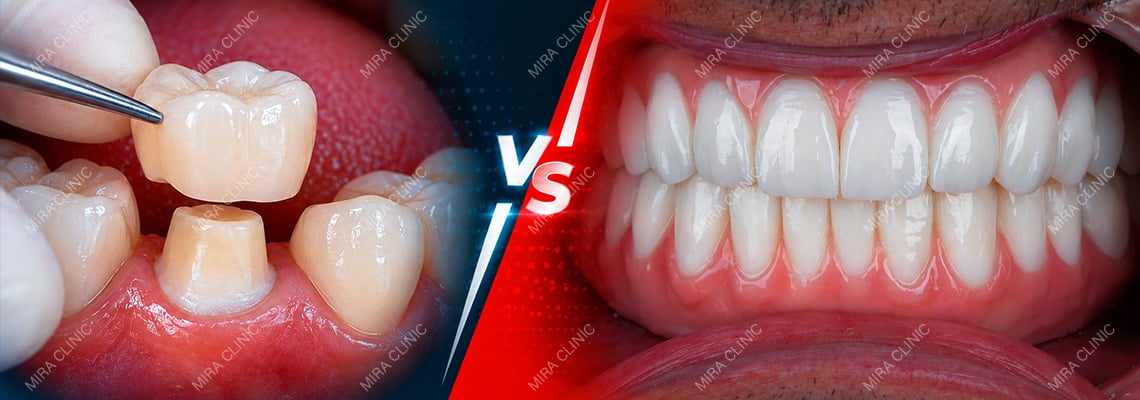
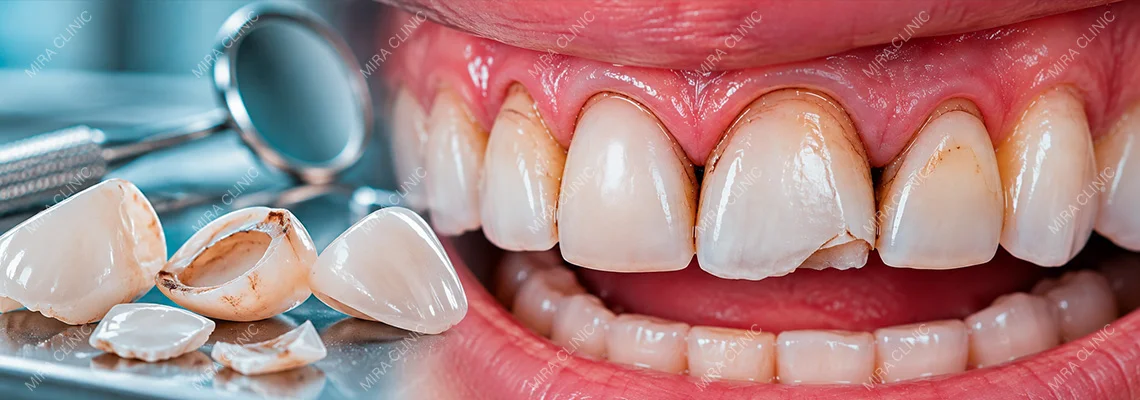
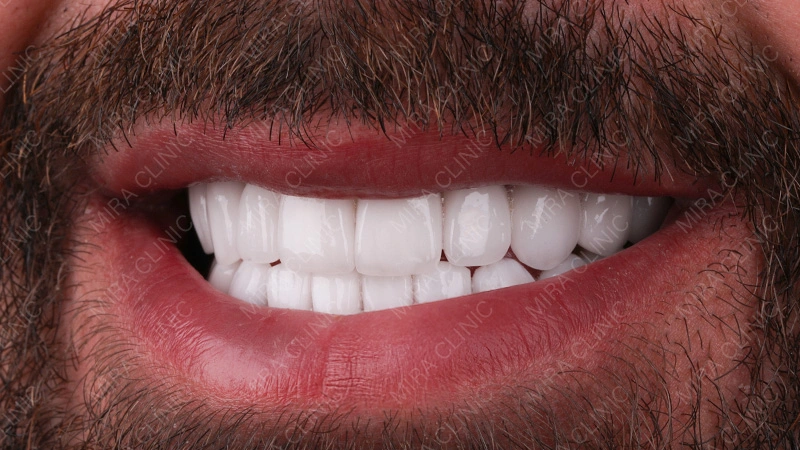
For veneers, the cost gap remains wide. In the U.S., public consumer finance guides place a single veneer around $500 to $2,895, with a six-to-eight veneer case averaging about $15,486. In the UK, private porcelain veneer guides commonly discuss costs in the several-hundred-pound range per tooth, often around £500 to £1,000 depending on clinic and complexity. In Turkey, public dental-travel guides commonly place porcelain veneers far lower, sometimes around the low-hundreds of dollars per tooth as an indicative range rather than a universal rule.
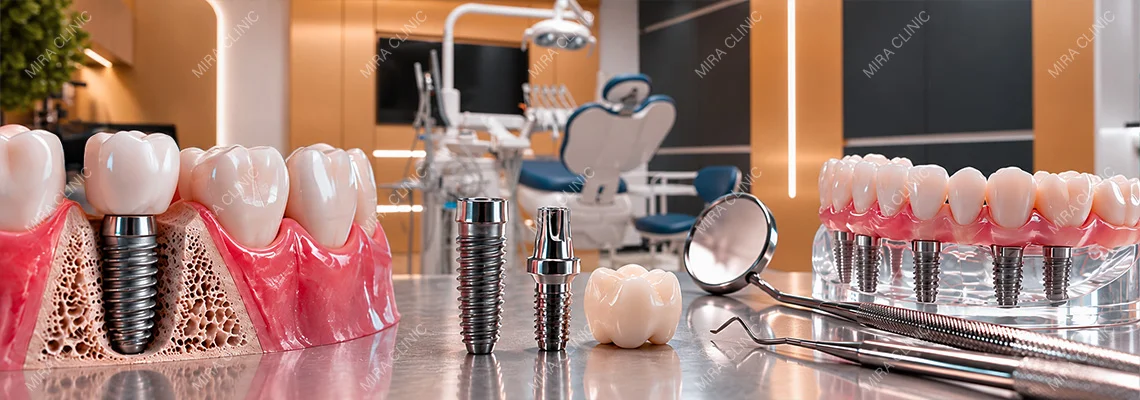
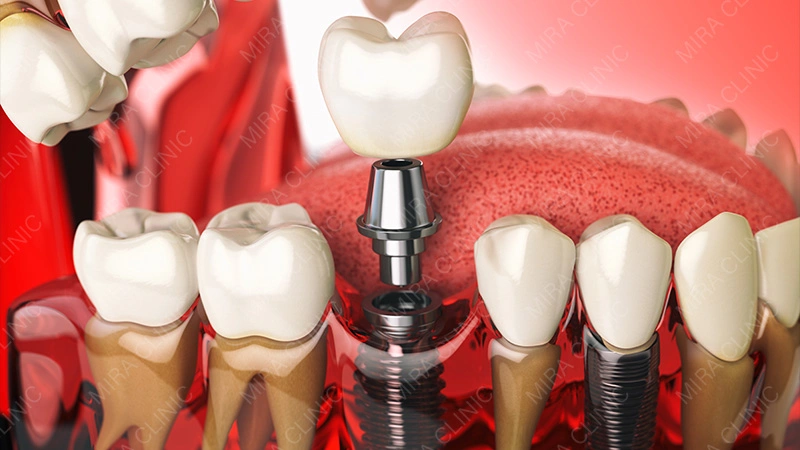
For implant treatment, the difference can be even more meaningful. In the U.S., a single implant is commonly cited around $1,646 to $4,175 before adding the crown in some pricing guides, while broader consumer sources often describe full-mouth implant cases in much higher overall ranges. In the UK, a single implant commonly starts around £2,400 in private care, while full-arch solutions are often discussed around £10,000 to £20,000 per arch. In Turkey, public dental-travel guides commonly cite single implants around $800 as an indicative figure, though exact totals depend on brand, grafting, temporaries, and final restoration type.
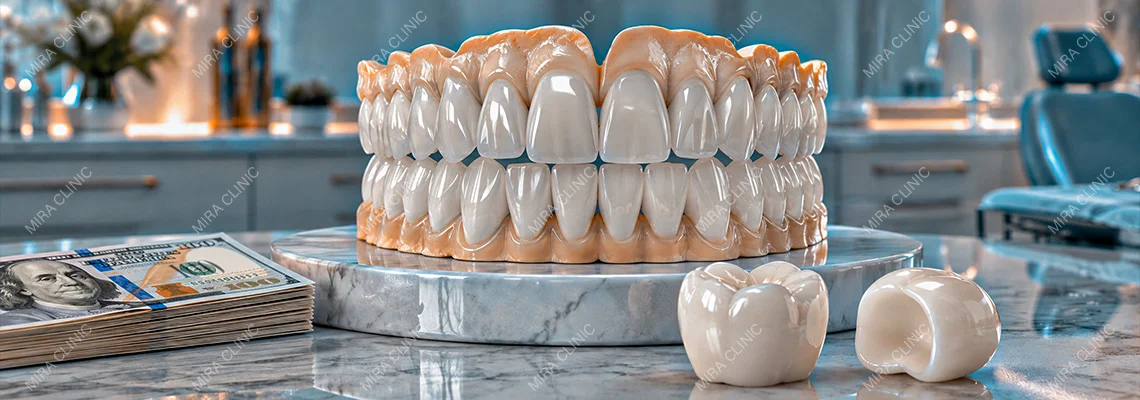
The most important comparison is not the headline fee alone, but what the quote includes. One clinic may quote only veneers or implants themselves, while another may include consultation, scans, temporaries, lab work, transfers, or accommodation support. That is why patients comparing countries should compare complete treatment baskets, not isolated procedure names.
Why Is Turkey More Affordable? The Real Cost Drivers Behind the Price Gap
The biggest reason Turkey is more affordable is not automatically lower quality. It is usually the local cost structure. Rent, staffing, overhead, and many operating costs in Istanbul are lower than in London or New York, which changes what clinics need to charge in order to run sustainably.
A second factor is volume and workflow efficiency. Turkey’s health-tourism system brings in large numbers of international patients, and that can allow more streamlined coordination, stronger lab utilization, and better purchasing leverage for widely used dental materials. Türkiye’s broader health-tourism ecosystem is also large and established, with the country welcoming around 1.5 million international patients in 2023 across multiple specialties, including dental care.
That does not mean every clinic offers the same value. It simply means the country’s economics make competitive pricing possible without assuming poor standards by default. The real question is not why Turkey is cheaper in general. It is why one clinic is cheaper than another, and whether the difference reflects efficiency or hidden compromises.
Read more: Hollywood Smile in Turkey: All-Inclusive Packages, Prices & Lifetime Warranty (2026)
Material Quality: Are You Getting the Same Brands and Standards?
Patients comparing Turkey with the UK or USA often ask whether they are receiving the same caliber of materials. In many serious dental-travel cases, the answer can be yes, because internationally recognized brands such as Ivoclar, Straumann, and Nobel Biocare are used globally rather than being limited to one market. Turkey’s medical-device market is also heavily import-based, which supports the presence of established international manufacturers in clinical practice.
At the same time, material parity is not only about the name on the box. A clinic can mention a strong brand, but the real result still depends on case planning, tooth preparation, lab accuracy, bite design, and finishing quality. The same ceramic name does not guarantee the same smile outcome if the workflow around it is weak.
That is why traceability matters. Patients should ask what material is being used, why it was selected, and whether the clinic documents it clearly. In higher-value treatment, transparency around materials is part of the financial equation because it affects longevity, revision planning, and confidence in what you actually paid for.
Beyond the Dental Chair: Travel, Hotels, Transfers, and Real Trip Costs
The total economics of dental travel do not stop at the clinic invoice. Flights, accommodation, airport transfers, meals, and time away from work all matter. Public guides discussing Turkey dental travel often note that even after flights and hotels are added, total cost can still remain significantly below many U.S. treatment totals in larger cases.
This is why all-inclusive coordination can matter financially even if it does not change the dentistry itself. When transfers, scheduling, and hotel planning are handled smoothly, patients reduce friction, avoid certain booking mistakes, and make the overall treatment journey easier to price and manage. That does not make every package better than independent booking, but it does make the real-world comparison more practical for international patients.
The “dental vacation” angle should also be understood realistically. Nice accommodation may still cost less in Istanbul than many patients expect from a comparable stay in London or major U.S. cities, but it is still part of the treatment budget. The right financial question is not whether travel is free. It is whether travel plus treatment still beats domestic treatment by enough to justify the trip.
Read more: Hollywood Smile in Turkey: The Step-by-Step Process From Consultation to Final Fit
Who Benefits Most Financially from Dental Travel to Turkey?
The patients who benefit most are usually those with larger treatment plans. A full Hollywood Smile, six to eight veneers or more, single-to-multiple implant cases, and full-arch restoration cases create the biggest spread between domestic pricing and Turkish pricing. The more extensive the care, the more likely the travel costs become proportionally small compared with the treatment savings.
Patients with small cosmetic cases may still benefit, but the economics are less one-sided. If someone only needs one veneer, one crown, or a limited local correction, the added logistics may narrow the advantage. In those cases, value may depend more on quality preference and clinic selection than on dramatic headline savings.
That is why the best financial candidates for dental travel are often not price shoppers looking for the cheapest possible treatment. They are patients with enough treatment complexity that international planning creates a real cost advantage without compromising the result.
Read more: How NOEL Saved €10,000 on Veneers: 10 Days in Turkey vs €16,000 in Dublin (2026)
Calculating ROI: Long-Term Savings, Follow-Up, and Value
Return on investment in dental travel is not just the difference between one invoice in London and one invoice in Istanbul. Real ROI includes how long the treatment lasts, whether good materials and planning were used, what follow-up is likely to be needed, and whether the patient avoided years of piecemeal or repeated care at home.
A useful way to think about ROI is this: if a patient can complete a larger smile or implant case for substantially less total outlay abroad, while still receiving documented materials and a structured plan, that is often financially attractive. But if the clinic is selected only by price and the case later needs revision, much of the savings can disappear.
Follow-up matters too. Not every follow-up problem destroys the savings, but it should be part of the analysis. Patients should ask what happens if an adjustment is needed, whether remote review is available, how guarantees are documented, and what kinds of future visits are realistically expected. Financially strong treatment is not only affordable on day one. It is manageable after day one as well.
Hidden Costs to Avoid: What the Cheapest Clinics May Leave Out
The hidden costs of dental travel usually appear when the quote looks very low but important parts are excluded. Common omissions can include scans, consultation, temporary teeth, lab upgrades, premium materials, or practical support such as transfers. The cheapest visible number is not always the cheapest finished treatment.
This is why transparent pricing matters more than bargain pricing. Patients should ask whether the quote includes diagnosis, temporaries, brand-level materials, sedation if needed, hotel coordination, and expected review steps. In cosmetic and implant work, omitted essentials can change the final bill quickly.
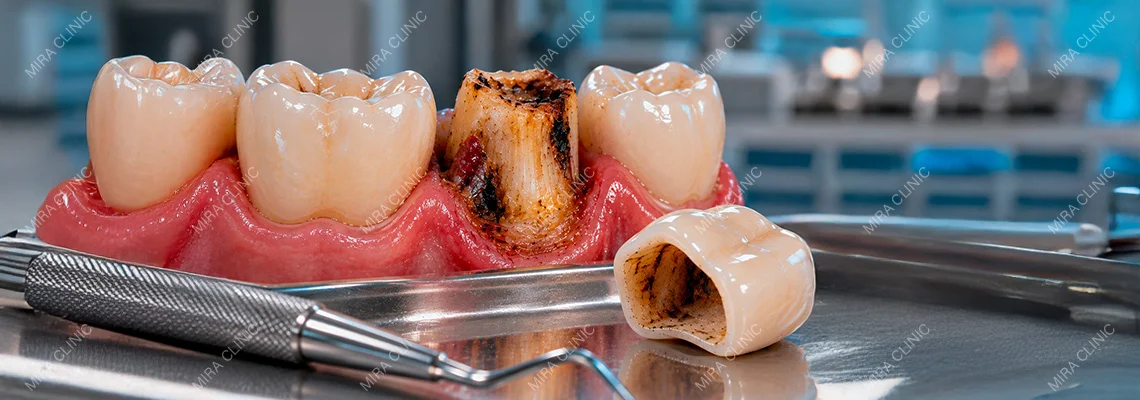
There is also a medical hidden cost: poor treatment can create revision expenses later. Saving aggressively on the first case only to pay for correction later is one of the most expensive outcomes of all. That is why affordability should be measured against quality and completeness, not just against the opening quote.
Read more: Hollywood Smile Review 2026: How Elizabeth Dmitruk Left Years of Dental Pain Behind in Istanbul
Final Verdict: Is Traveling to Istanbul the Right Financial Move?
For many international patients, especially those comparing full veneer smiles, larger cosmetic makeovers, or implant-heavy cases, the economics of dental travel to Turkey can still be compelling in 2026. The price gap between the UK or USA and Turkey remains large enough that flights and accommodation often do not erase the advantage in bigger cases.
But the right financial move is not simply “choose Turkey.” It is “choose the right case, the right clinic, and the right treatment scope.” Turkey can offer strong ROI, but that ROI depends on planning, transparency, materials, and realistic follow-up strategy.
Patients who benefit most are usually those with complex or high-cost domestic plans, patients seeking full-smile transformation rather than minor patchwork, and patients who compare total treatment value rather than advertising language. In that sense, the smartest financial decision is rarely the cheapest clinic. It is the treatment plan that gives the strongest long-term value for the money spent.