For many patients, the biggest barrier to a new smile is not cost, time, or travel. It is fear. Dental anxiety remains one of the main reasons people delay veneers, crowns, and full smile treatment, especially when the plan involves multiple visits or irreversible work. For international patients, that fear can feel even heavier because they are not only worried about the procedure, but also about being treated in a different country, in a different system, and often in a language that is not their first.
The good news is that fear no longer has to block treatment. Modern sedation, gentler workflows, digital planning, and better communication have changed what cosmetic dentistry feels like for anxious patients. In Istanbul, this is especially relevant for people considering a [Hollywood Smile Turkey] plan but hesitating because of pain, drills, needles, or loss of control. That is why the most useful question today is not whether anxiety is “normal,” but how it can be managed safely and realistically.
- Quick Answer: Yes, Dental Anxiety Can Be Managed Safely During Smile Treatment
- What Is Dental Anxiety and Why Is It Even Stronger for International Patients?
- Sedation Options at Mira Clinic: Finding the Right Comfort Level
- Who Is Suitable for Each Sedation Level?
- The Painless Dentistry Tech Stack: How Modern Technology Reduces Fear
- Your Step-by-Step Stress-Free Journey at Mira Clinic Istanbul
- Sedation Safety and Recovery: What International Patients Need to Know
- Why Choose Istanbul for Sedation-Assisted Dental Work?
- Sedation Cost and Value: What Changes the Price?
- The Emotional Benefit: How Stress-Free Dentistry Can Change Future Dental Care
Quick Answer: Yes, Dental Anxiety Can Be Managed Safely During Smile Treatment
Yes, dental anxiety can usually be managed safely when the clinic chooses the right comfort strategy for the patient, the procedure, and the medical history. For some people, modern local anesthesia is enough. For others, nitrous oxide or IV sedation makes the difference between delaying treatment for years and finally moving forward with it.
What matters most is not choosing the deepest sedation automatically. It is choosing the right level of support. A patient with mild fear may only need better numbing, slower pacing, and a more reassuring environment. A patient with stronger dental phobia, gag reflex issues, or fear of longer cosmetic sessions may benefit much more from conscious sedation or IV sedation.
The short truth is simple: stress-free dental care usually depends on three things working together — clear communication, a calm treatment process, and the right sedation level for the case. When those three are handled properly, fear becomes much more manageable.
What Is Dental Anxiety and Why Is It Even Stronger for International Patients?
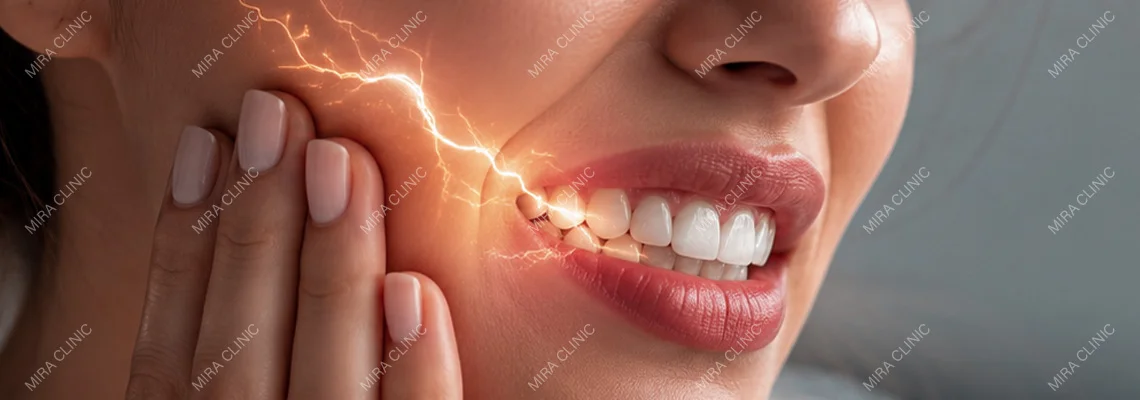
Dental anxiety is more than routine nervousness. For some patients it comes from previous pain, a traumatic dental memory, embarrassment about their teeth, fear of injections, or fear of not being able to stop the procedure once it starts. This is why many people postpone even needed cosmetic treatment until the emotional burden becomes larger than the dental problem itself.
International patients often experience an additional layer of stress. Even if they are already interested in painless dentistry in Turkey, they may still worry about travel logistics, hotel recovery, language, and what happens if they feel overwhelmed during treatment. The fear is not always about dentistry alone. It is often about unfamiliarity and lack of control.
This is exactly where patient coordination becomes important. A well-run international process reduces uncertainty before the clinical treatment even starts. When patients know the schedule, understand what sedation options exist, and feel that their concerns are taken seriously from day one, the anxiety level often begins to drop before they ever enter the treatment room.
Sedation Options at Mira Clinic: Finding the Right Comfort Level
Not every anxious patient needs the same solution. A modern cosmetic clinic should match the sedation level to the person, not force every patient into one standard protocol. In practice, the most common options range from advanced local anesthesia to nitrous oxide and IV sedation.
Local anesthesia for patients who mainly fear pain
For many veneer and cosmetic cases, the first and most important comfort tool is not “sleep dentistry,” but excellent local anesthesia. Modern numbing techniques are faster, more predictable, and more comfortable than many patients expect. For patients whose fear is mainly about pain rather than panic, this may be enough.
This matters because some anxious patients do not actually need deep sedation. They need confidence that the treatment will be numb, controlled, and clearly explained. In those cases, local anesthesia combined with a calm pace may already transform the experience.
Nitrous oxide for mild to moderate dental anxiety
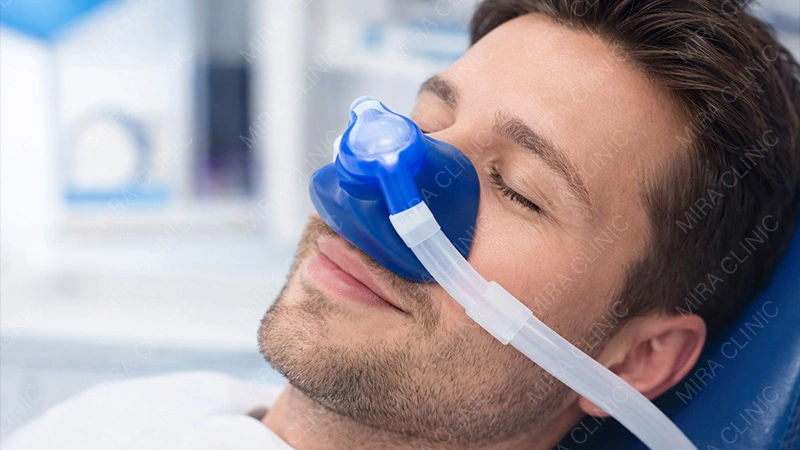
Nitrous oxide, often called laughing gas, is commonly used for patients with mild to moderate fear. It helps patients feel calmer while staying awake and responsive. It can be useful when the patient wants support but does not want the deeper recovery requirements that come with IV sedation.
This option often works well for patients with needle anxiety, mild procedure fear, or a strong preference for staying in control while still feeling relaxed. It is one of the reasons stress-free dental care is more accessible now than it was in older cosmetic workflows.
IV sedation for stronger dental fear
For patients with more severe anxiety, stronger gag reflexes, or fear of longer cosmetic sessions, IV sedation may be the better fit. This is often described as a sleep-dentistry style option, although patients are usually not under full general anesthesia. The main benefit is deep relaxation, reduced awareness of the procedure, and often limited memory of it afterward.
This can be especially helpful in longer smile-design appointments, multi-step cosmetic treatments, or patients who say they know they will not cope well in a standard dental chair environment. But it should always follow proper medical screening, not preference alone.
Who Is Suitable for Each Sedation Level?
The right sedation option depends on the patient’s fear level, medical history, treatment length, and how they usually react in dental settings. A patient with mild nervousness does not need the same solution as someone with full dental phobia or panic around injections.
Patients with mild fear, a strong gag reflex, or discomfort with drilling sounds may do well with local anesthesia alone or with nitrous oxide support. These approaches are often enough when the procedure is shorter and the anxiety is manageable once numbness and communication are established.
Patients with stronger dental phobia, prior traumatic experiences, or fear of longer cosmetic sessions may benefit more from IV sedation. But the final decision should always follow medical screening, medication review, and clinical judgment. Sedation should fit the body and the case, not just the fear level.
Read more: Can Dental Implants Be Done with Sedation? Farid’s Experience in Turkey
The Painless Dentistry Tech Stack: How Modern Technology Reduces Fear
Sedation is only one part of modern comfort-focused dentistry. The experience also improves when the treatment itself becomes less invasive, less noisy, and more predictable. This is why technology plays such a big role in painless dentistry in Turkey.
Laser-assisted dentistry can reduce the need for some traditional instruments in selected procedures and may lower stress for patients who are especially sensitive to drills, cutting, or tissue trauma. It does not replace every conventional tool, but for the right step in treatment, it can make the experience feel lighter and more controlled.
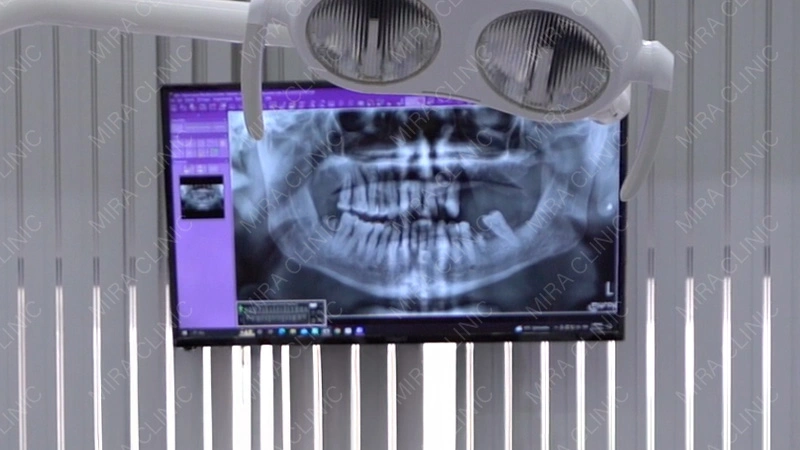
Digital 3D scans are another major advantage. For anxious patients, traditional impression materials can trigger gag reflexes and increase panic. Digital scanning reduces that burden and often makes the planning process feel cleaner and easier. Better diagnostics also reduce surprises, which is important because uncertainty itself is a major driver of anxiety.
Your Step-by-Step Stress-Free Journey at Mira Clinic Istanbul
A calmer patient journey starts long before treatment begins. The consultation phase should give the patient room to discuss fear openly, without embarrassment or judgment. Many anxious patients relax significantly when they feel heard rather than hurried.
The planning phase helps as well. Trial smile previews, digital mock-ups, and visual explanations reduce fear because they replace uncertainty with something concrete. When a patient sees the likely result before treatment starts, confidence often rises and the procedure feels less abstract and threatening.
During treatment itself, environment matters. Calm lighting, clear explanations, gentle pacing, and a reassuring team all affect how the patient experiences the appointment. This is important because a “stress-free” session is not created by sedation alone. It is created by the whole treatment atmosphere.
Read more: Hollywood Smile Risks in Turkey: What Can Go Wrong?
Sedation Safety and Recovery: What International Patients Need to Know
Sedation should never be discussed as a comfort feature only. It is also a medical process, which means safety depends on screening, monitoring, and case selection. That includes checking medical history, medications, anxiety level, treatment length, and whether the patient is suitable for that sedation type in the first place.
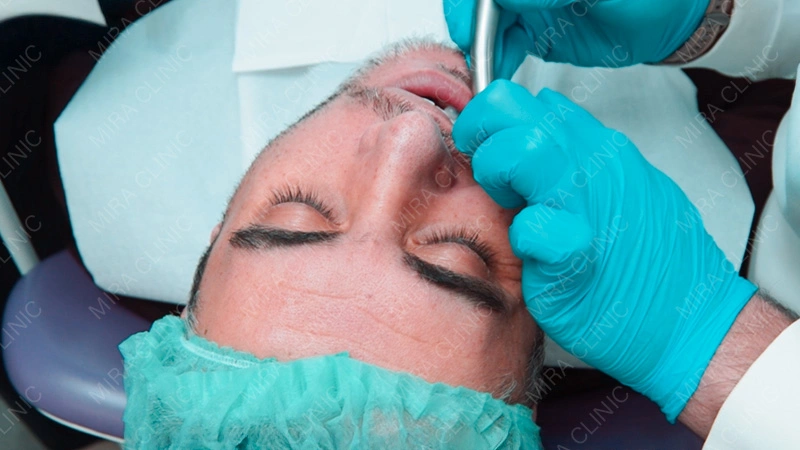
For international patients, recovery planning matters too. If IV sedation is used, patients generally should not plan to return to the hotel alone without support. They may need supervision, transport planning, and a quieter recovery period than a standard local-anesthesia appointment.
This is why post-sedation instructions matter just as much as the sedation itself. Patients need to know when they can rest, when they can travel, and what they should avoid after treatment. Proper recovery planning is one of the biggest reasons sedation can remain both safe and reassuring for international smile patients.
Why Choose Istanbul for Sedation-Assisted Dental Work?
For anxious patients, Istanbul offers two major advantages: structured international treatment coordination and significantly more accessible sedation-assisted cosmetic dentistry than many patients find in the UK or USA. The benefit is not simply lower headline pricing. It is better access to comfort-focused treatment that might otherwise feel financially out of reach.
Organization also matters. For patients with dental fear, travel becomes less stressful when the clinic experience is coordinated clearly around consultation, treatment, sedation, and follow-up. This is why the city itself is not enough. The treatment process has to be built for nervous patients from the beginning.
At the same time, affordability should never replace safety. The right clinic is not simply the cheapest one offering sedation. It is the one that explains who is suitable, how the patient is monitored, and what recovery support is expected.
Read more: Dental Implants Patient Review in Turkey – Thommen Dieter’s Journey from Switzerland
Sedation Cost and Value: What Changes the Price?
The price of sedation-assisted dental treatment usually depends on the sedation level, the duration of the procedure, and the amount of clinical monitoring involved. In the UK, published private-fee examples show inhalation sedation can start around £70, run around £200 per hour in some practices, and IV sedation may be around £330 to £600 or more depending on duration and clinic structure.
In the United States, published guides commonly place IV sedation in a much higher bracket, often around $500 to $900 on the lower end and up to roughly $1,000 to $3,000 per visit in broader cost estimates depending on duration, procedure complexity, and location. Nitrous oxide is often far lower, commonly around a few dozen to a couple hundred dollars per visit.
As a practical benchmark in Istanbul private cosmetic clinics, sedation sessions are often priced around €800 for one session and around €1,200 for two-session plans, which typically places sedation-assisted smile treatment below many UK and U.S. private-cost ranges for comparable anxiety-support options. The real value, however, is not just the fee itself. It is whether the sedation allows the patient to complete treatment calmly and without years of further delay.
Sedation comparison table
|
Sedation approach |
Best for |
Typical use |
Recovery level |
Relative cost |
|---|---|---|---|---|
|
Local anesthesia |
Mild fear of pain |
Veneers, shorter visits |
Minimal |
Lowest |
|
Nitrous oxide |
Mild to moderate anxiety |
Shorter cosmetic visits |
Fast |
Low to moderate |
|
IV sedation |
Moderate to severe anxiety |
Longer or stressful procedures |
Higher supervision needed |
Highest |
This is why sedation can be viewed not only as a comfort add-on, but as a practical investment in treatment completion and psychological ease.
Read more: How Long Do Veneers Last in Turkey? Lifespan, Maintenance, and When Replacement Is Needed
The Emotional Benefit: How Stress-Free Dentistry Can Change Future Dental Care
A well-managed, calm dental experience does more than get one treatment done. It can change how a patient feels about future care. Many anxious patients become more open to follow-up, hygiene visits, and routine maintenance after one strongly positive treatment experience.
This is not the same as promising to “cure” lifelong dental phobia. That would be too absolute. But it is fair to say that a respectful, low-stress experience can reduce future avoidance and make dentistry feel more manageable. Trust and control matter just as much as pain relief in that change.
For many Hollywood smile patients, the real victory is not just the cosmetic result. It is leaving the experience with less fear than they brought into it. That is why patient comfort is not separate from good dentistry. It is part of good dentistry.
Clinical Perspective from Mira Clinic
From a clinical perspective, a calmer patient usually has a smoother treatment journey. That is because relaxation improves cooperation, reduces stress responses, and makes it easier for the team to work carefully and predictably. In aesthetic dentistry, that often supports a better overall experience as well as a better treatment flow.
Expert Verdict: Your Comfort Is Our Clinical Priority
Dr. Duha Alahmar’s treatment philosophy: when anxiety is managed well, the entire smile journey becomes more comfortable and more predictable.
This is also why compassionate care and clinical precision should not be treated as separate things. When fear is managed well, communication improves, pacing improves, and the patient is more likely to complete treatment successfully. In cosmetic work, that matters because the best clinical result is rarely produced in an atmosphere of panic or resistance.
Read more: Mini Hollywood Smile in Turkey: 4 to 8 Strategic Veneers