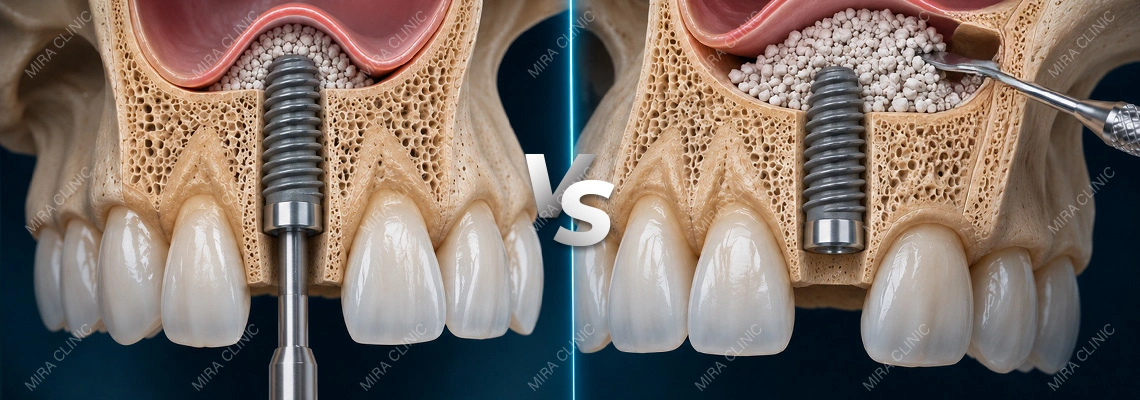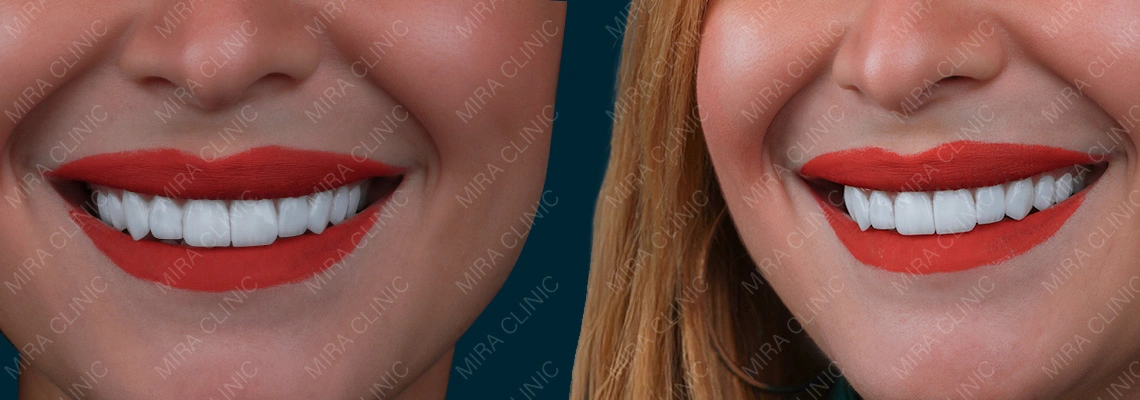
Many people considering veneers—especially in Turkey—ask the same question before committing: do veneers damage teeth?
The concern is valid. Veneers involve working on natural tooth structure, and the internet is full of mixed opinions, dramatic stories, and misleading before-and-after photos.
The reality is more nuanced. Veneers themselves do not automatically damage teeth, but the way they are planned, prepared, and fitted determines whether teeth are protected or compromised. Understanding this distinction is the key to making a safe, informed decision before booking treatment.
- The Short Answer (What Most People Get Wrong)
- Do Veneers Damage Teeth? A 60-Second Reality Check
- What Enamel Actually Is (And Why It Matters for Veneers)
- What “Tooth Preparation” Means in Real Life
- When Veneers Are Conservative (And When They Become Risky)
- Veneers vs Crowns (The Part That Affects Tooth Structure Most)
- What Can Go Wrong If Preparation Is Rushed
- How to Protect Your Teeth If You’re Getting Veneers in Turkey
- If You’re Unsure, Safer Alternatives to Try First
- Questions to Ask Mira Clinic (or Any Clinic in Turkey) Before You Start
- Final Takeaway
The Short Answer (What Most People Get Wrong)
Veneers don’t “ruin” teeth by default — aggressive planning does
Veneers are not inherently harmful. When designed conservatively and placed for the right reasons, they can preserve tooth function and improve aesthetics without long-term damage. Problems arise when veneers are treated as a one-size-fits-all cosmetic shortcut rather than a medical procedure.
This misunderstanding often leads patients to blame veneers themselves, when the real issue is how the treatment was planned.
The real risk: unnecessary tooth reduction or ignored bite and gum issues
The biggest risk is not veneers—it is unnecessary enamel removal, rushed preparation, or ignoring bite forces and gum health. When these factors are overlooked, even high-quality veneers can cause sensitivity, discomfort, or early failure.
This is why understanding what actually happens to enamel is essential before choosing veneers.
Do Veneers Damage Teeth? A 60-Second Reality Check
Veneers themselves don’t damage teeth — over-preparation does
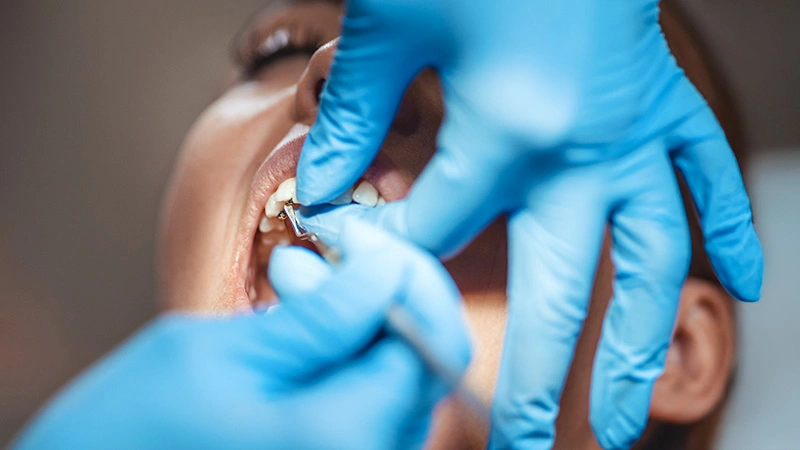
Veneers sit on the tooth surface. They only become harmful when excessive tooth structure is removed to “force” a cosmetic result.
Enamel loss is permanent, but not always necessary
Some veneer cases require minimal enamel reduction, while others need more. The key is whether that reduction is clinically justified, not automatic.
Conservative planning protects teeth, not the veneer material
The safety of veneers depends more on planning and diagnosis than on whether the veneer is porcelain, Emax, or zirconia. This leads directly to understanding why enamel matters so much.
What Enamel Actually Is (And Why It Matters for Veneers)
Why bonding is strongest on natural enamel
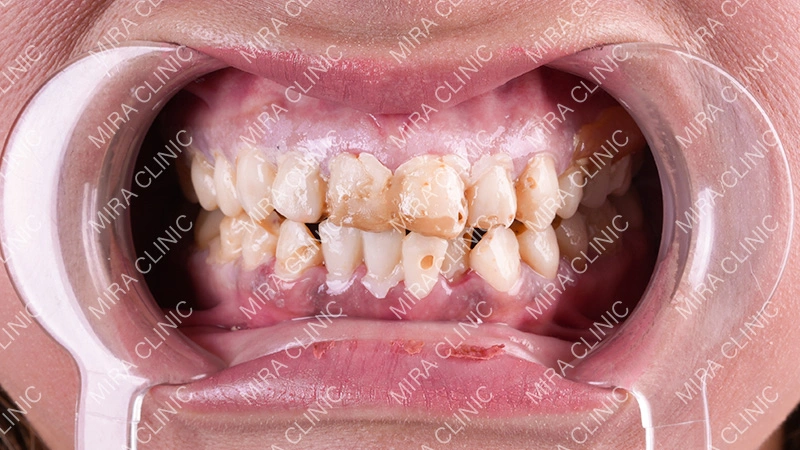
Enamel is the hardest tissue in the human body and provides the best surface for bonding veneers. When veneers are bonded mostly to enamel, they are more stable, longer-lasting, and less likely to cause sensitivity.
Preserving enamel is therefore one of the main goals of conservative veneer planning.
What changes when enamel is reduced too much
When too much enamel is removed, bonding becomes weaker, sensitivity increases, and teeth rely more heavily on the veneer for protection. This doesn’t mean veneers will fail—but it does mean the margin for error becomes much smaller.
This is where the concept of “tooth preparation” becomes critical.
What “Tooth Preparation” Means in Real Life
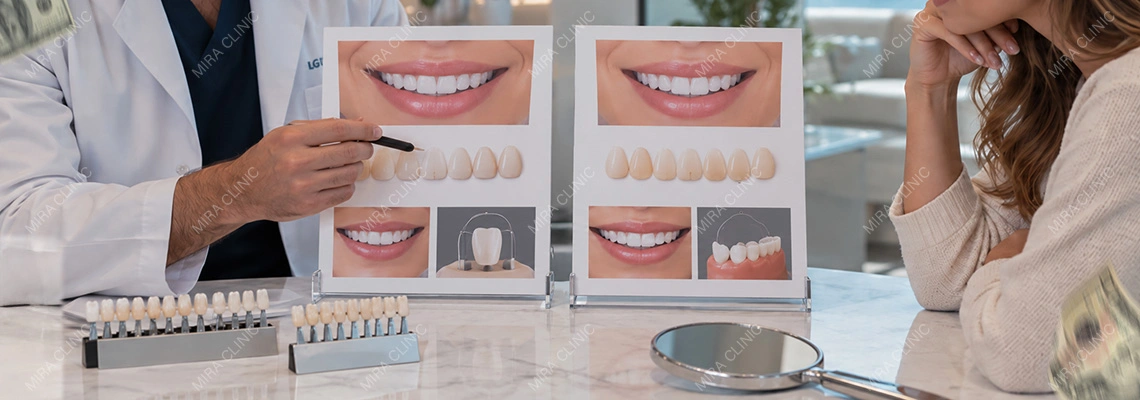
No-prep vs minimal-prep vs standard prep (simple differences)
- No-prep: Veneers placed without drilling, suitable only for specific tooth shapes.
- Minimal-prep: A thin layer of enamel is adjusted for better fit and aesthetics.
- Standard prep: More enamel is reduced to fully control shape, color, or alignment.
Each level changes the tooth differently, and not every patient qualifies for the most conservative option.
When dentists choose more prep — and when they shouldn’t
More preparation may be justified for severe discoloration, rotated teeth, or major shape corrections. It should not be used simply to speed up treatment or standardize results.
This distinction helps determine when veneers are conservative and when they become risky.
When Veneers Are Conservative (And When They Become Risky)
Good reasons for veneers
Veneers are generally conservative when used to treat:
- Small chips or fractures
- Minor gaps
- Shape asymmetry
- Stubborn stains that don’t respond to whitening
In these cases, enamel removal is often limited and purposeful.
Red flags: crowding, bite problems, heavy grinding, gum disease
Veneers become risky when they are used to mask problems they cannot fix.
Why veneers are the wrong fix for alignment or bite problems
Crowded teeth, unstable bite, untreated gum disease, or heavy grinding should be addressed first. Using veneers to “hide” these issues often leads to excessive prep, discomfort, and early failure.
This is where comparing veneers and crowns becomes important.
_1770021097.webp)
Veneers vs Crowns (The Part That Affects Tooth Structure Most)
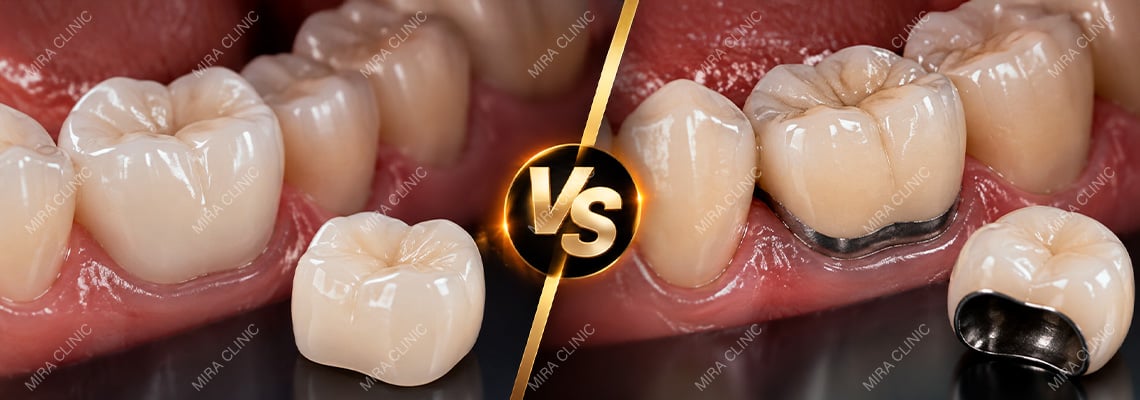
When crowns remove more tooth than veneers
Crowns require shaping the entire tooth, not just the front surface. This means significantly more tooth structure is removed compared to veneers.
When crowns are actually the safer option
If a tooth is cracked, heavily filled, or structurally weak, a crown may protect it better than a veneer. Using veneers in these cases can be more damaging than choosing a crown.
This decision directly impacts what can go wrong if preparation is rushed.
What Can Go Wrong If Preparation Is Rushed
Sensitivity, gum irritation, bulky appearance, bite discomfort
Rushed prep can lead to:
- Persistent sensitivity
- Inflamed gums
- Overly thick or unnatural-looking veneers
- Bite imbalances that cause jaw discomfort
These issues often appear after the patient has already returned home.
Why most “Turkey teeth” stories come from the same mistakes
Many negative stories involve rushed timelines, excessive prep, no mock-up, and little bite analysis. The issue is not the country—it’s the process.
Knowing how to protect your teeth is therefore essential when considering veneers in Turkey.
How to Protect Your Teeth If You’re Getting Veneers in Turkey
Pre-treatment checks a good clinic won’t skip
A responsible clinic will assess:
- Teeth and existing restorations
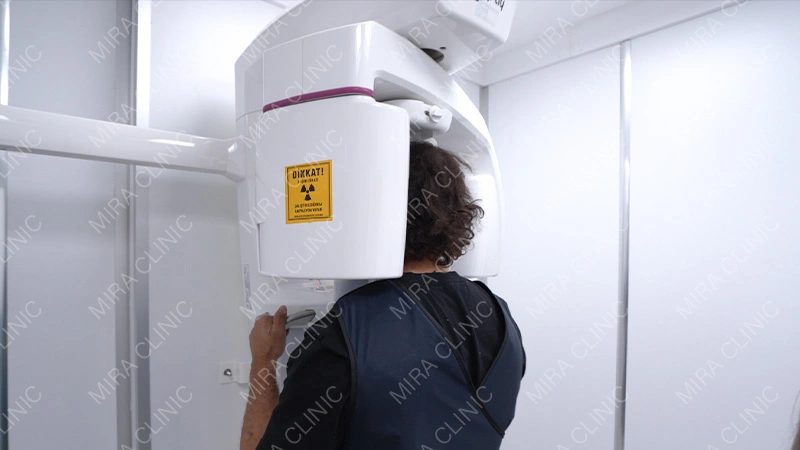
- X-rays or CBCT if needed
- Bite and jaw function
- Gum health
Skipping these steps increases risk.
The preview step: mock-up or try-in
Seeing the planned result before irreversible prep allows adjustments without touching enamel unnecessarily.
If you grind your teeth: night guard and design changes
How bite forces influence veneer longevity
Bruxism increases fracture risk. Conservative prep, material choice, and a night guard dramatically improve outcomes.
If you’re still unsure, safer alternatives may be worth trying first.
If You’re Unsure, Safer Alternatives to Try First
Whitening and bonding
For color issues or small defects, whitening or composite bonding may achieve the goal without permanent changes.
Aligners first, veneers later
If teeth are crooked, orthodontic alignment can reduce the amount of prep needed—or eliminate the need for veneers entirely.
Before committing, asking the right questions makes all the difference.
Check out: Hollywood Smile & Veneers Patient Reviews – Transformation Journey from Ukraine to Istanbul
Questions to Ask Mira Clinic (or Any Clinic in Turkey) Before You Start
“How much enamel do you expect to remove in my case?”
Specific answers indicate thoughtful planning.
“Can you show a conservative plan and a mock-up before final bonding?”
This reveals whether enamel preservation is a priority.
“How do you manage bite or grinding risk after veneers?”
Long-term protection should always be part of the plan.
Final Takeaway
Veneers don’t damage teeth by default. Poor planning does.
When enamel is respected, bite is managed, and preparation is conservative, veneers can be both safe and long-lasting.
The smartest decision isn’t avoiding veneers—it’s choosing a plan that protects your teeth first, especially when treatment happens abroad.