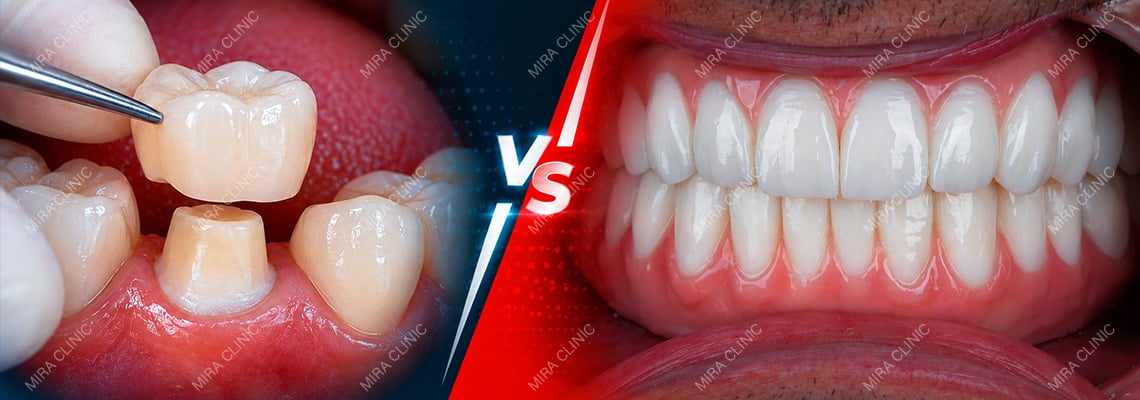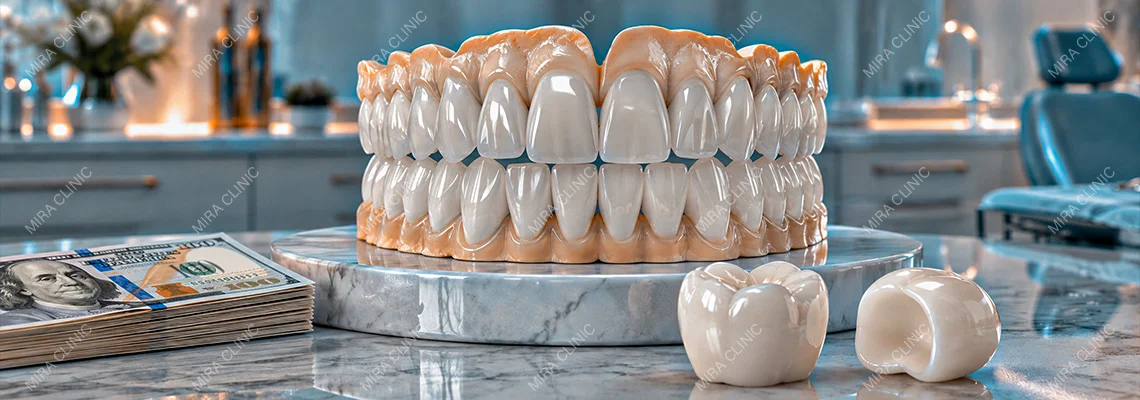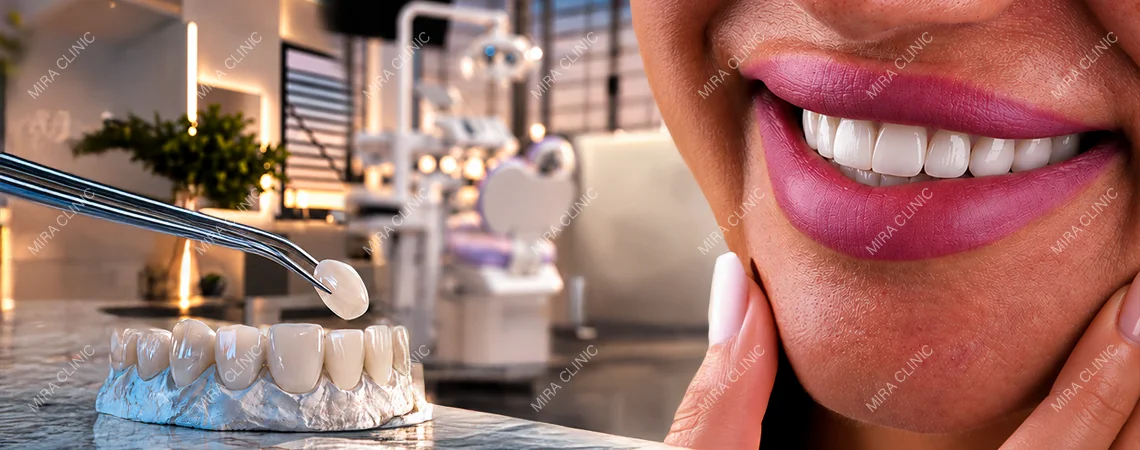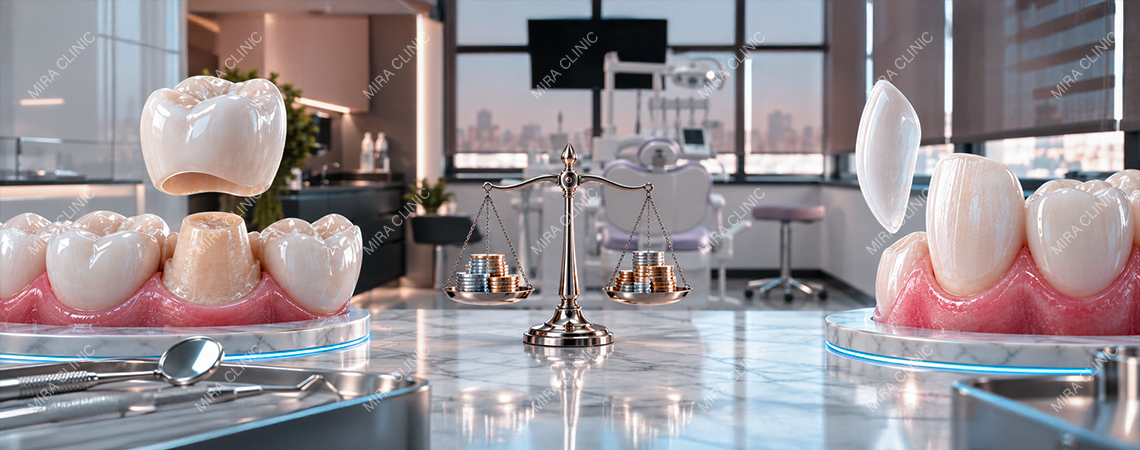
When patients search for cosmetic dentistry in Turkey, two terms appear again and again: Smile Makeover and Hollywood Smile. Clinics often use them interchangeably, which creates confusion. In reality, they are not the same thing, even though they may involve similar treatments.
Understanding the difference helps you choose the right plan, avoid unnecessary tooth preparation, and set realistic expectations before booking a dental trip to Turkey.
- Quick Answer — Smile Makeover vs Hollywood Smile
- What These Terms Actually Mean in Turkey (Why Clinics Use Them Differently)
- What’s Typically Included in Each Option (High-Level Overview)
- The Real Differences (Beyond Marketing Terms)
- Decision Guide for Patients Traveling to Turkey
- Veneers vs Crowns in Turkey (The Most Common Point of Confusion)
- TurkeyTeeth Explained — How to Avoid an Unnatural Result
- Timeline in Turkey — What to Expect in Real Life
- Costs in Turkey — What Really Changes the Price
- How to Choose the Right Clinic in Turkey
- Final Takeaway
Quick Answer — Smile Makeover vs Hollywood Smile
The 30-second difference
In Turkey, a Smile Makeover refers to a personalized dental treatment plan designed around your specific teeth, bite, gums, and facial features.
A Hollywood Smile, on the other hand, refers to a specific cosmetic outcome—a bright, symmetrical, high-impact smile—often achieved with veneers or crowns.
The difference is not the treatments themselves. It is the goal and level of customization.
The simple rule to choose the right option
If your priority is restoring or improving your smile in the most conservative, individualized way, a Smile Makeover approach is usually safer.
If your priority is achieving a bold, uniform cosmetic look, and your teeth are suitable, a Hollywood Smile may be appropriate.
What These Terms Actually Mean in Turkey (Why Clinics Use Them Differently)
Smile Makeover = a personalized treatment plan
In Turkish clinics, a Smile Makeover is best understood as a planning concept. It starts with diagnosis and may include whitening, veneers, crowns, bonding, gum treatment, or aligners—only if they are needed.
There is no fixed number of teeth and no predefined “look.” The plan adapts to the patient, not the other way around.
Hollywood Smile = a specific cosmetic outcome
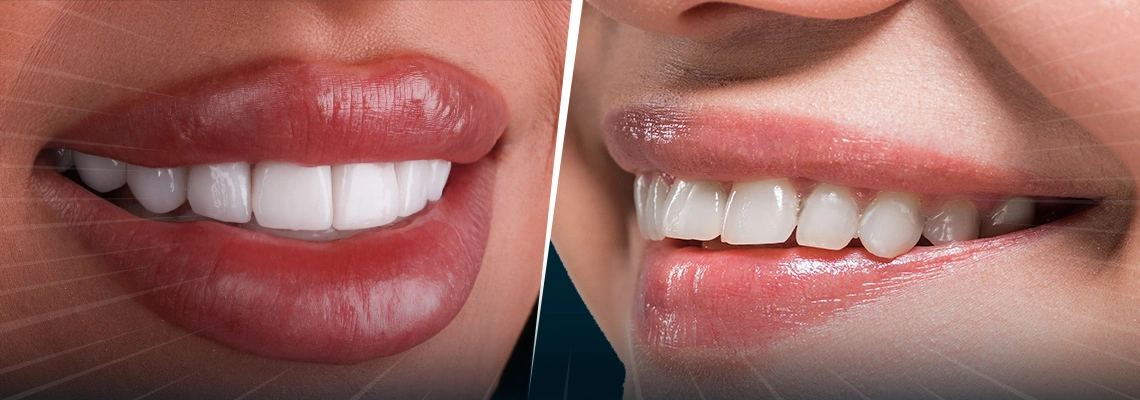
A Hollywood Smile describes the result, not the process. It usually implies whiter teeth, high symmetry, and visible cosmetic enhancement. In practice, this often involves veneers or crowns on the front teeth.
The term focuses on appearance first, sometimes at the expense of explaining how that appearance is achieved.
Why definitions vary between Istanbul clinics
Some clinics use “Hollywood Smile” as a marketing label for any cosmetic package. Others use it strictly to describe a certain aesthetic style. This is why two clinics in Istanbul may offer very different treatments under the same name.
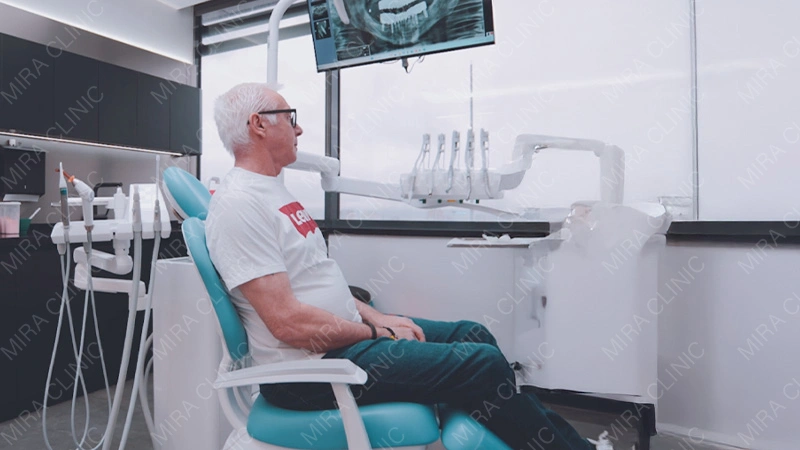
What’s Typically Included in Each Option (High-Level Overview)
Smile Makeover — treatments that may be combined
A Smile Makeover can include one or several of the following, depending on the diagnosis:
- Professional whitening
- Veneers
- Crowns
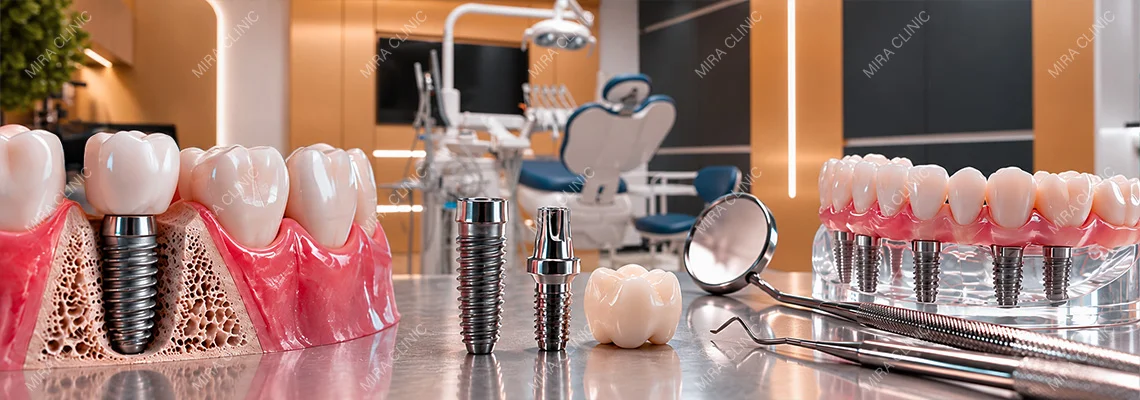
- Implants or bridges
- Gum contouring
- Clear aligners when alignment affects the result
Not every patient needs all of these. In many cases, fewer treatments produce better, more natural results.
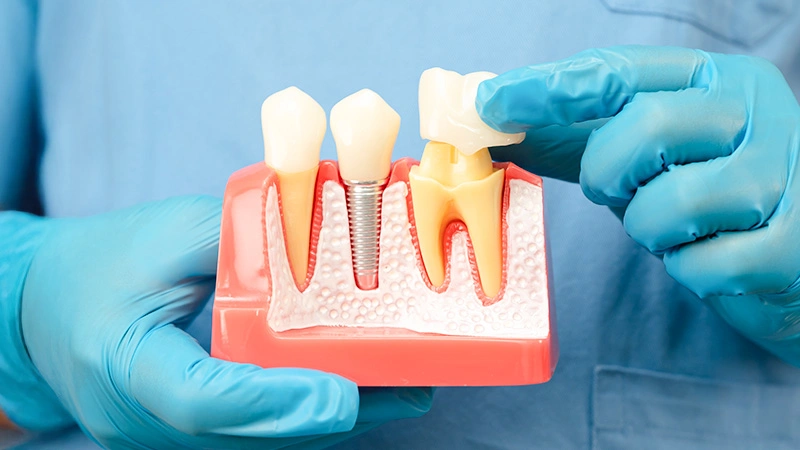
Hollywood Smile — treatments focused on cosmetic impact
Hollywood Smile plans usually focus on:
- Veneers or crowns on visible front teeth
- Careful shade and shape design to achieve a bright look
- Gum-line symmetry to frame the teeth evenly
The emphasis is on visual impact rather than minimal intervention.
When the two approaches overlap
In some cases, a Smile Makeover leads to a Hollywood Smile outcome. The difference is that the result is reached through planning, not by default.
The Real Differences (Beyond Marketing Terms)
Goal: natural restoration vs high-impact cosmetic look
Smile Makeovers aim to improve what already exists. Hollywood Smiles aim to transform the smile visually.
Scope: targeted concerns vs full-smile planning
A Smile Makeover may address one or two specific issues. A Hollywood Smile usually involves multiple teeth at once.
Tooth preparation: no-prep, minimal-prep, standard prep
Smile Makeover plans often explore conservative options first. Hollywood Smile plans more often involve standard tooth preparation to control shape and shade.
Longevity and maintenance
Long-term success depends less on the label and more on bite management, material choice, and aftercare.
Decision Guide for Patients Traveling to Turkey
Choose a Smile Makeover if…
- You want natural improvement rather than dramatic change
- You prefer conservative treatment when possible
- You have mixed concerns (colour, bite, gums, alignment)
Choose a Hollywood Smile if…
- You want a bright, uniform cosmetic look
- Your teeth and gums are healthy and stable
- You understand and accept the level of tooth preparation
Pause and Treat These First (Before Any Smile Makeover or Hollywood Smile)
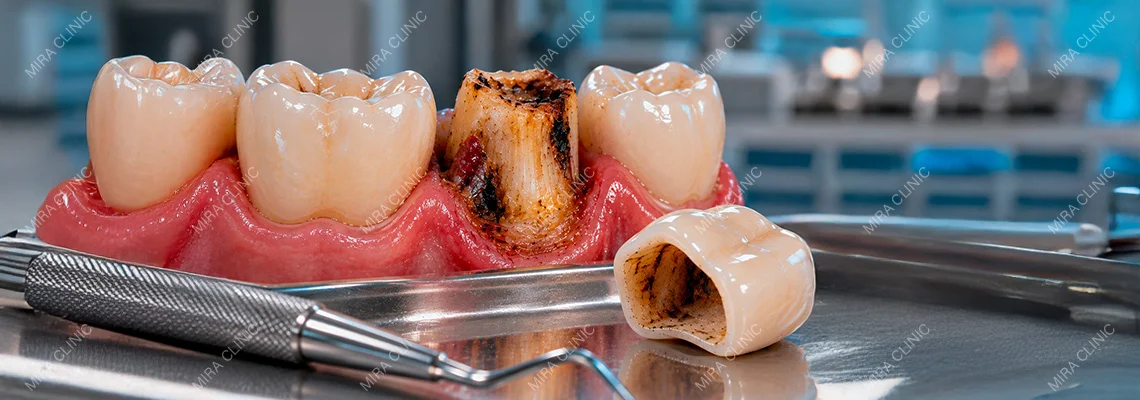
Not every mouth is ready for cosmetic dentistry. In some cases, proceeding directly to veneers or crowns increases the risk of pain, failure, or costly revisions later. The following conditions should always be treated before starting any cosmetic plan.
-
Gum inflammation or periodontal disease
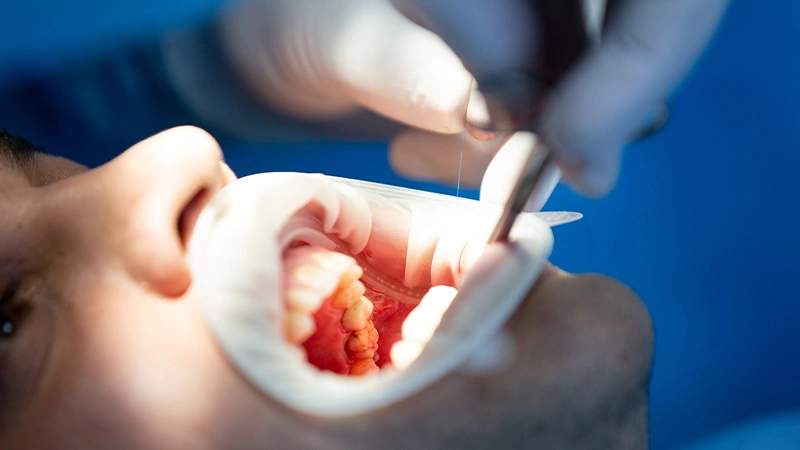
Healthy gums are the foundation of any successful cosmetic result. If gums are inflamed, bleeding, or infected, placing veneers or crowns can worsen the problem and compromise both aesthetics and longevity.
Inflamed gums can recede after treatment, exposing crown or veneer margins and ruining the final appearance. Periodontal disease also weakens the support around teeth, increasing the risk of mobility and long-term failure.
Any signs of gum disease should be stabilized first through professional cleaning, periodontal care, and healing time before cosmetic work begins.
-
Cavities or failing old fillings
Active decay or leaking fillings must be addressed before cosmetic procedures. Veneers and crowns placed over untreated cavities trap bacteria underneath, leading to pain, infection, and the need for early replacement.
Old or failing fillings can also compromise bonding strength and bite stability. In many cases, these restorations need to be replaced or reinforced first so the cosmetic work is built on a healthy, predictable base rather than hidden problems.
-
Bruxism (grinding) without a protection plan
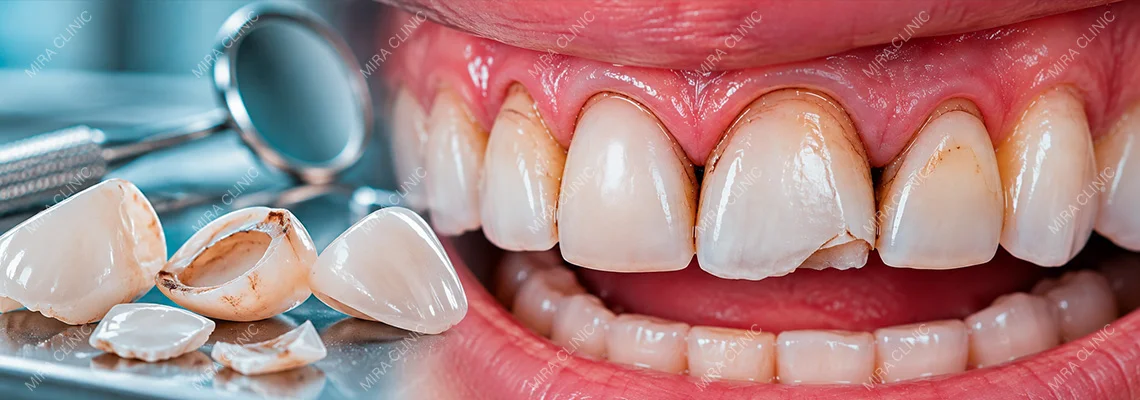
Teeth grinding or clenching places extreme forces on veneers and crowns. Without proper planning, these forces can cause chipping, cracking, or complete failure—sometimes within months.
Patients with bruxism are not automatically disqualified from cosmetic dentistry, but they do require a protection strategy. This usually includes bite analysis, material selection suited to higher forces, and a custom night guard.
Ignoring bruxism is one of the most common reasons cosmetic dental work fails early.
-
Why this step matters
Treating these issues first is not about delaying your smile—it is about protecting it.
Cosmetic dentistry works best when built on healthy teeth, stable gums, and a controlled bite. Skipping these steps often leads to disappointment, discomfort, and avoidable re-treatment after you return home.
Veneers vs Crowns in Turkey (The Most Common Point of Confusion)
When veneers make sense
Veneers are suitable when teeth are structurally healthy and the goal is cosmetic enhancement.
When crowns are the safer option
Crowns are appropriate when teeth are weakened, cracked, or heavily restored. They should not be used purely for cosmetic convenience.
Mixed plans
Many well-planned cases use veneers on front teeth and crowns only where strength is required.
TurkeyTeeth Explained — How to Avoid an Unnatural Result
What people usually mean by Turkey Teeth
The term usually refers to overly white, identical teeth created with aggressive preparation and little customization.
Red flags that create an overdone smile
- Same tooth shape for every patient
- Extremely opaque white shades
- No discussion of bite or gum position
How to ask for a natural look
Discuss shade translucency, tooth edge softness, facial proportions, and lip movement.
What a Good Clinic Should Show Before You Commit
Before agreeing to any cosmetic dental treatment in Turkey, a reputable clinic should provide evidence and clarity, not just promises. These two elements are essential to reduce risk and set realistic expectations.
A Smile Preview or Mock-Up
A smile preview or mock-up allows you to see the proposed result before any irreversible tooth preparation begins. This may be done digitally through smile design software or physically with a temporary mock-up placed over your teeth.
A proper preview helps you evaluate tooth length, shape, shade, and how the smile fits your face and lip movement. It also gives you the opportunity to request adjustments before committing.
Clinics that skip this step often rely on “trust us” marketing, which increases the risk of dissatisfaction once treatment is completed.
Real Before-and-After Cases with Explanations
Before-and-after photos should not be generic or heavily edited. A trustworthy clinic will show real patient cases and explain what was actually done in each one.
This includes the number of teeth treated, whether veneers or crowns were used, how much preparation was required, and whether gum work or bite adjustments were involved.
Explanations matter because two smiles can look similar in photos but involve very different levels of intervention and long-term risk.
Why this matters
Seeing a preview and understanding real case details allows you to compare your situation with previous patients realistically. It helps prevent misunderstandings, avoids unrealistic expectations, and confirms that the clinic plans treatment—not just a cosmetic outcome.
Timeline in Turkey — What to Expect in Real Life
How many days you actually need
The number of days varies based on planning, treatment type, and healing time.
Example schedule
Initial consultation and records, followed by design approval, then final treatment.
Aftercare once you fly home
Remote follow-up and clear adjustment policies are essential for international patients.
Costs in Turkey — What Really Changes the Price
The cost of a Smile Makeover or Hollywood Smile in Turkey can vary significantly from one patient to another. This is not random pricing. It reflects real clinical and technical factors that directly affect the quality, durability, and safety of the final result.
Understanding what drives the price helps you compare quotes realistically and avoid choosing an option that looks cheaper upfront but costs more later in repairs or revisions.
Main Cost Drivers
The final price is usually shaped by several key factors working together, not by a single decision.
Number of teeth involved
The more teeth included in the treatment, the higher the overall cost. This is not only because of material use, but also because planning, preparation, and precision increase with each additional tooth.
Some patients only need treatment on the visible front teeth, while others require a wider smile zone to achieve balance. A clinic that automatically recommends the same number of teeth for everyone is not individualizing care.
Material choice
Different materials have different manufacturing processes, durability profiles, and aesthetic capabilities. For example, highly aesthetic ceramic materials require more detailed lab work and stricter handling protocols than basic options.
Material choice also affects long-term maintenance and replacement risk. A lower upfront cost may come with higher long-term upkeep, which should be considered before deciding.
Gum treatment
If gum contouring or periodontal treatment is required, this adds both clinical time and complexity. Healthy, well-shaped gums are essential for natural-looking results, especially with veneers or crowns.
Ignoring gum issues to reduce cost often leads to inflammation, recession, or visible margins later—problems that are more expensive to fix after cosmetic work is completed.
Lab quality and design process
One of the most underestimated cost drivers is the dental laboratory and design workflow. High-quality labs use advanced technology, skilled technicians, and layered fabrication techniques that improve fit, aesthetics, and longevity.
A detailed design process, including previews or mock-ups, requires additional time and coordination but significantly reduces the risk of dissatisfaction or remakes. Lower prices often reflect shortcuts taken at this stage.
Why price alone should not guide the decision
Two quotes may look very different on paper while appearing similar in photos. The difference is often hidden in planning depth, material handling, lab standards, and follow-up care.
A realistic comparison focuses on what is included, how it is done, and how the result will be supported after you return home.
How to Choose the Right Clinic in Turkey
Questions to ask
Ask about materials, planning process, bite checks, and aftercare.
What to verify
Confirm lab quality, warranties, and who designs the smile.
Comparing quotes safely
Lower prices often reflect differences in materials, lab work, or follow-up—not necessarily better value.
Final Takeaway
The best choice isn’t the label—it’s the right plan
Smile Makeover and Hollywood Smile are not competing treatments. They are different ways of approaching the same goal: a better smile.
What to prepare before your consultation
Photos, clear goals, medical history, and the right questions make the biggest difference.