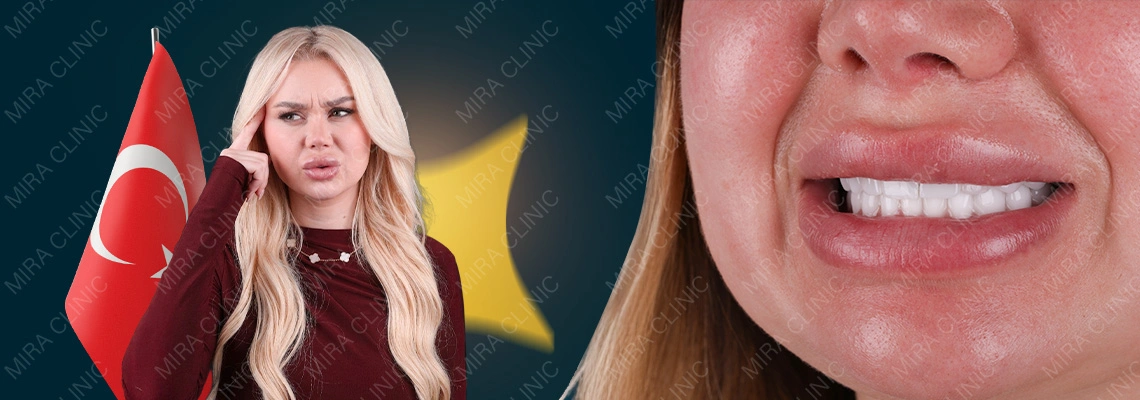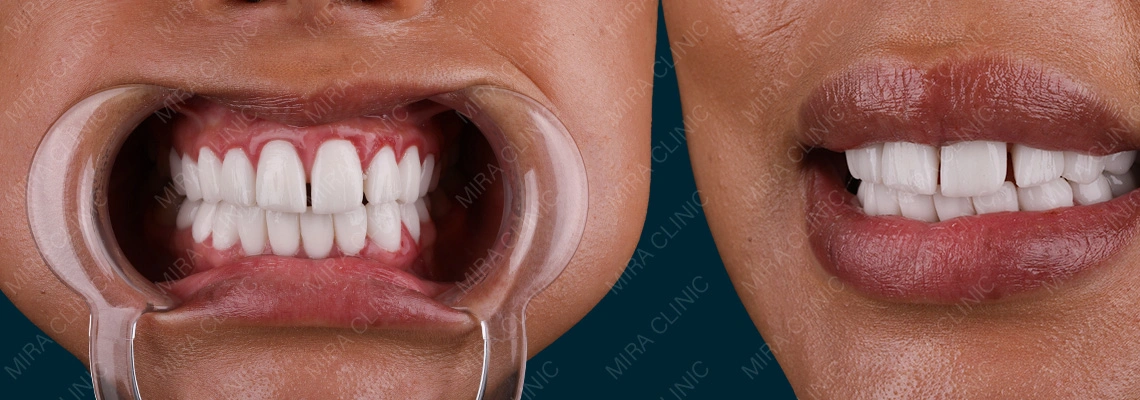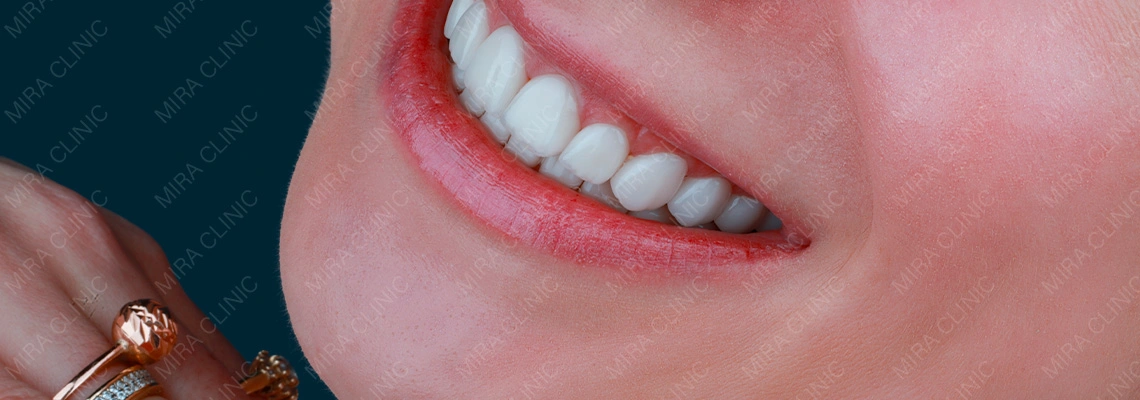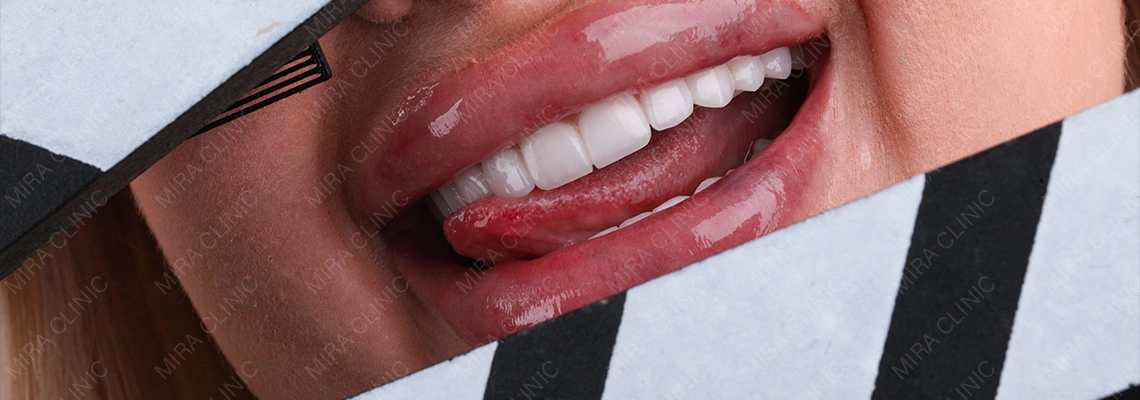
In 2026, more international patients are learning that “Turkey teeth” often means crowns, not veneers. The difference matters. The amount of tooth reduction, the stability of your bite, and the long-term health of your teeth depend on choosing the right treatment—not the fastest package.
This guide explains the real clinical difference, the safety ladder doctors follow, and the red flags to catch before booking any smile treatment in Turkey.
- Turkey Teeth & Veneers 2026
- The 3 Meanings of the Term (So You Don’t Buy the Wrong Treatment)
- The 2026 Tooth Preparation Ladder: A Safe Treatment Sequence Before Veneers or Crowns
- Your Case Determines the Treatment: 6 Signs You’re a Veneer Candidate (and 6 Signs You’re Not)
- What Clinics Actually Do in Turkey: 3 Common Treatment Paths
- 2026 Red Flags You Can Spot Before You Fly
- Copy-and-Paste Questions to Ask Any Clinic
Turkey Teeth & Veneers 2026
What the term most often means in 2026
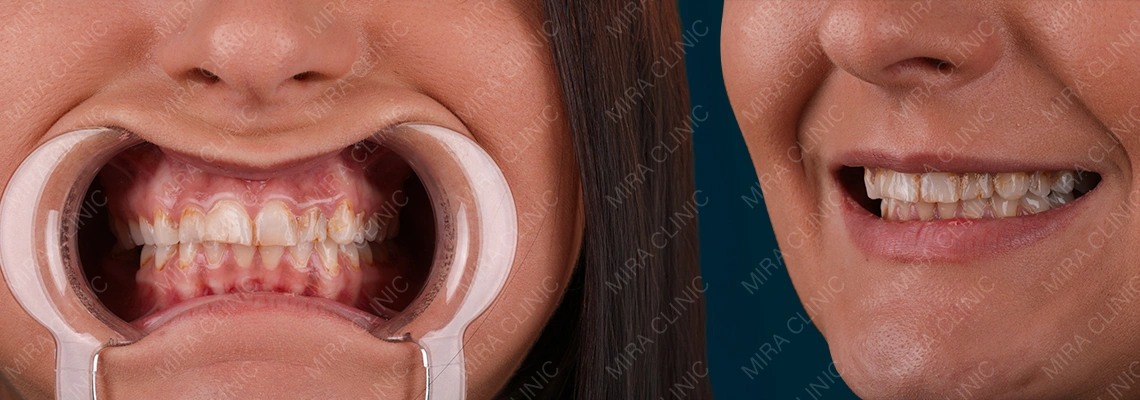
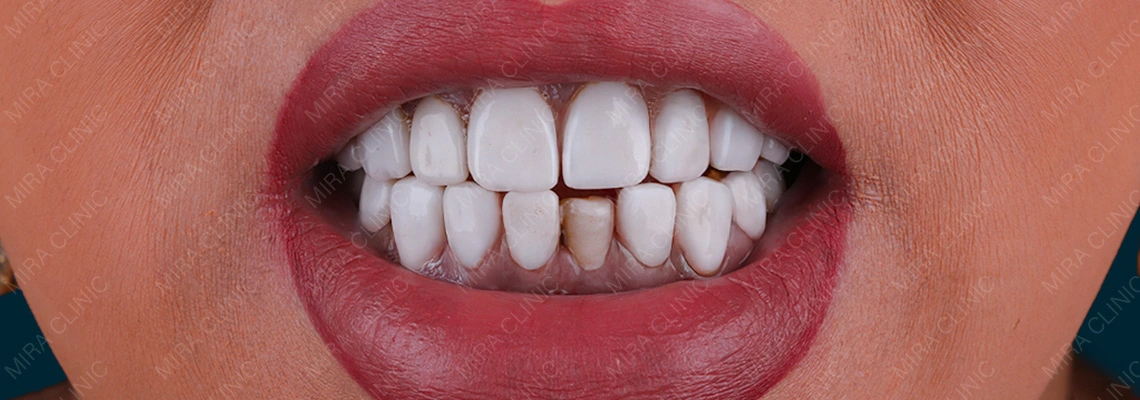
Most patients use the phrase to describe a bright, uniform smile made quickly in Turkey. Clinically, this usually involves full crowns rather than minimally prepared veneers.
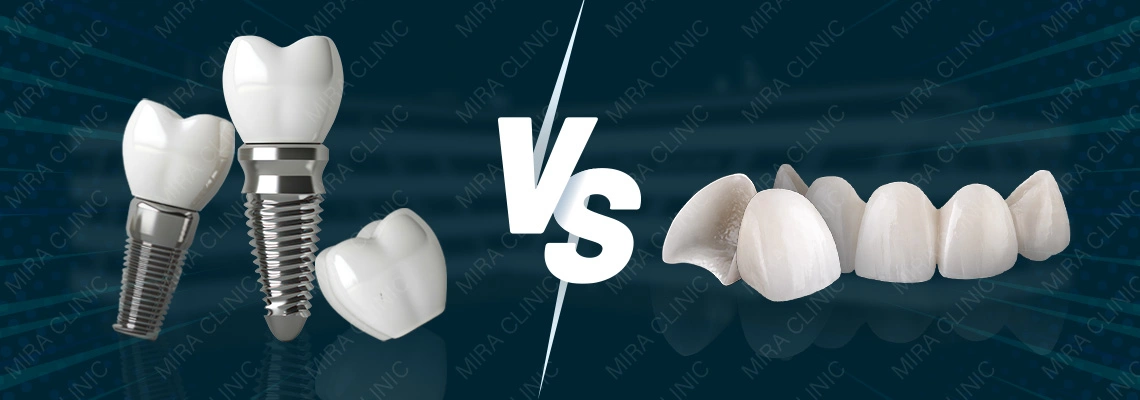
Veneers vs crowns: the direct clinical difference
Veneers cover the front surface of a tooth. Crowns cover the entire tooth. That makes crowns more invasive but sometimes medically necessary.
The safe rule in 2026
Start with the least-invasive option that can still solve the problem. Do not jump to full crowns unless your teeth structurally require them.
The 3 Meanings of the Term (So You Don’t Buy the Wrong Treatment)
Meaning 1: The “look”
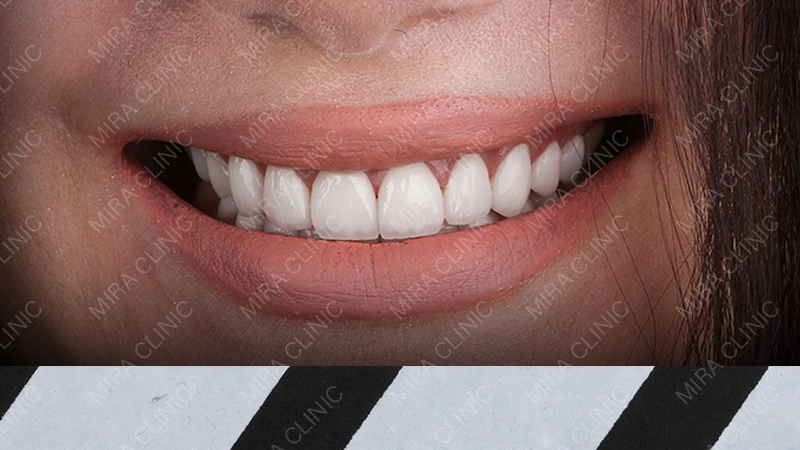
People refer to a uniform, ultra-white, perfectly aligned smile. The look itself does not determine the technique.
Meaning 2: The “method”
Many clinics achieve the look by placing crowns, even when veneers would have worked. Crowns remove more tooth structure and cannot be reversed.
Meaning 3: The “package”
Fast timelines, bundled transport, and tourism elements encourage compressed treatment plans. Speed often leads to more aggressive preparation.
The 2026 Tooth Preparation Ladder: A Safe Treatment Sequence Before Veneers or Crowns
There is a clinical ladder that protects natural teeth. The higher you climb, the more tooth structure is removed. Patients should start low and move upward only when necessary.
Step 1: Whitening + reshaping
Used for mild discoloration or small shape adjustments. No major reduction.
Step 2: Composite bonding
Repairs small chips and closes minor gaps without aggressive drilling.
Step 3: Partial veneers
A conservative choice for limited teeth when targeted improvement is needed.
Step 4: Full veneers
Used for greater changes in shape or colour. Requires moderate preparation.
Step 5: Full crowns
Reserved for teeth with structural weakness, cracks, big restorations, or major misalignment. Should never be the default cosmetic option.
Your Case Determines the Treatment: 6 Signs You’re a Veneer Candidate (and 6 Signs You’re Not)
Veneers make sense if…
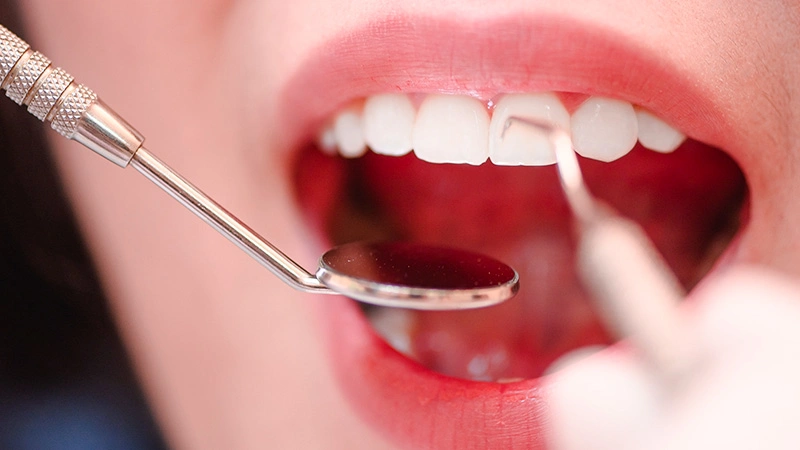
Your enamel is healthy, your bite is stable, and you want a change in colour, size, or uniformity without aggressive reduction. Veneers work best when the natural tooth is strong.
Crowns may be justified if…
Your teeth are heavily filled, fractured, or weakened. Crowns also help when large bite corrections or functional rebuilding are needed.
If bite/alignment is the real issue
Shortcuts fail. When the bite is unstable, cosmetic layers chip or break. Orthodontics or functional correction may be required before veneers or crowns.
What Clinics Actually Do in Turkey: 3 Common Treatment Paths
Path A: Veneers plan
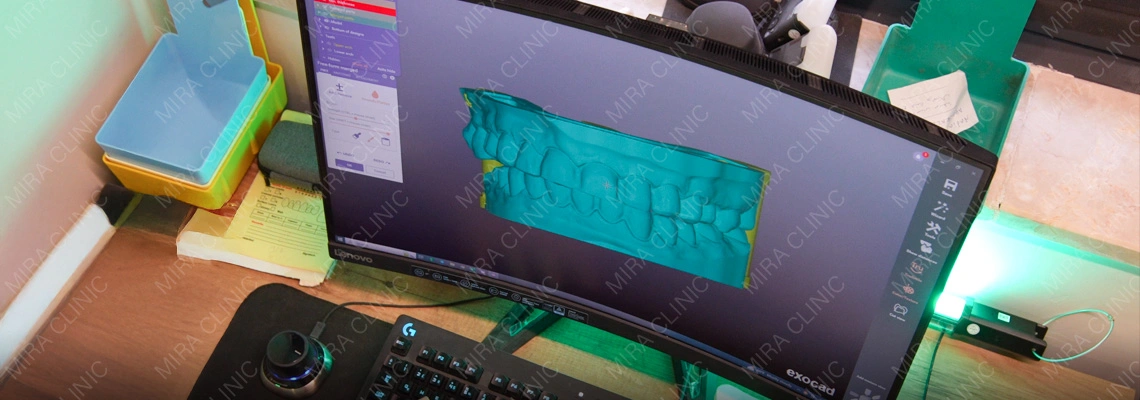
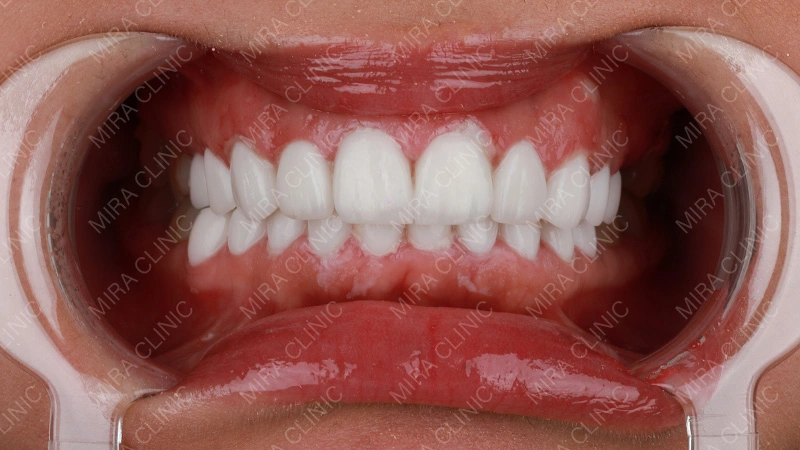
A conservative, staged approach. The dentist evaluates enamel thickness, photographs the bite, designs the shape, and prepares teeth minimally. This path aims for aesthetic improvement without unnecessary drilling.
Path B: Crown plan
Used for functional rebuilding. Teeth are prepared circumferentially. The clinic checks occlusion, contacts, and long-term load. When medically done, crowns restore durability and stability.
Path C: “Full-mouth fast prep”
This is the pattern behind most complaints. Teeth are reduced aggressively in a single day. Bite checks are rushed or missing. Temporary restorations are thin and unstable. The result may look good initially but carries a high risk of sensitivity, gum issues, or long-term failures.
Check out: Hollywood Smile & Veneers Patient Reviews – Transformation Journey from Ukraine to Istanbul
Crown-Vs-Veneer Reality Check Table (2026)
|
Decision Factor |
Veneers |
Crowns |
|---|---|---|
|
1. Tooth Reduction |
Minimal reduction. Enamel is mostly preserved. |
Significant reduction. Full circumference of the tooth is shaped. |
|
2. Reversibility |
Partly reversible. Most of the natural tooth remains. |
Not reversible. Natural structure cannot be restored once removed. |
|
3. Structural Strength Needs |
Suitable when the tooth is strong and intact. |
Best for weak, cracked, or heavily restored teeth requiring full coverage. |
|
4. Aesthetic Range |
Excellent for colour, shape, and alignment enhancements with a natural look. |
Strong aesthetics but sometimes less translucent than veneers. |
|
5. Sensitivity Risk |
Lower risk because enamel remains. |
Higher risk due to deeper dentin exposure. |
|
6. Gum Health Impact |
Usually mild impact. Margin often stays above the gumline. |
Higher risk of gum irritation if margins are deep or uneven. |
|
7. Treatment Time |
Often shorter. Less preparation and lighter follow-up. |
Can take longer due to deeper prep and occlusion checks. |
|
8. Aftercare Requirements |
Routine hygiene and night guard if needed. |
More follow-up if the bite is complex or if large corrections were made. |
2026 Red Flags You Can Spot Before You Fly
Medical red flags
Lack of X-rays, no bite analysis, or no digital planning suggests rushed treatment. If the clinic cannot explain why a tooth needs a crown, consider it a warning.
Offer red flags
Unclear pricing, packages that exclude aftercare, weak warranty wording, or timelines that compress diagnosis and preparation into the same day signal high risk.
Content red flags
A page filled with only perfect smiles and no case notes or medical explanations usually indicates marketing, not dentistry.
Copy-and-Paste Questions to Ask Any Clinic
“Are you recommending crowns or veneers for my case — and why?”
A safe clinic answers with diagnostics, not marketing.
“How much tooth reduction per tooth (in mm) do you expect?”
Any unclear answer suggests over-preparation.
“How will you check my bite after cementation?”
Proper clinics perform occlusion checks after placing restorations.
“What’s the plan if I get sensitivity or gum inflammation back home?”
Reliable clinics provide remote follow-up and clear medical guidance.