Tooth stains are one of the most common reasons people seek cosmetic dental treatment in Turkey. Many start with whitening, only to feel disappointed when the results are uneven, short-lived, or don’t change the color at all. That’s usually when veneers enter the conversation.
The problem is not that whitening “doesn’t work.” The problem is that not all stains are the same, and different stains respond to different solutions. Understanding this difference is the key to choosing safely—especially if you’re traveling to Turkey for treatment.
The Short Answer (So You Can Decide Fast)
When whitening is the better first step
Teeth whitening works best for surface stains caused by coffee, tea, wine, or smoking. If your teeth are structurally healthy and the discoloration is external, professional whitening can noticeably brighten your smile without altering tooth structure.
When veneers are the smarter solution for stains
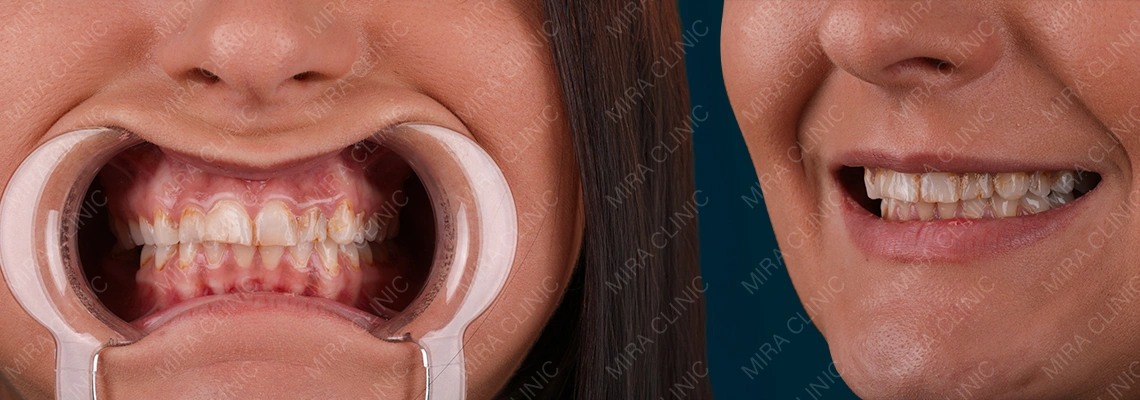
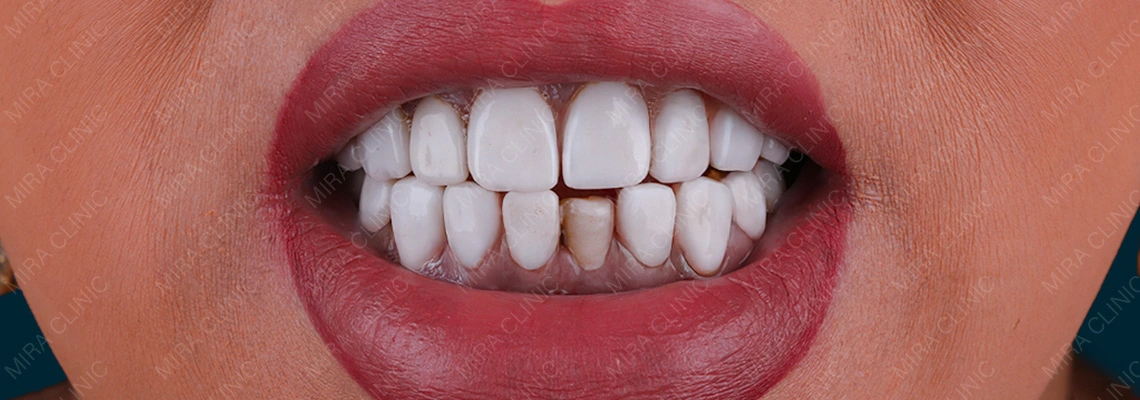
Veneers are more effective when stains are deep, internal, or resistant to whitening. If discoloration comes from medication (such as tetracycline), trauma, or long-term enamel changes, veneers can mask color while also improving shape and symmetry.
Quick Comparison: Whitening vs Veneers for Stained Teeth
|
Factor |
Teeth Whitening |
Veneers |
|
Works best for |
Surface stains |
Deep or internal stains |
|
Tooth alteration |
None |
Minimal to moderate |
|
Color control |
Limited |
Full control |
|
Longevity |
Months to a few years |
Many years |
|
Fixes shape/chips |
No |
Yes |
|
When it fails |
Internal discoloration |
Weak teeth or heavy grinding |
Not All Stains Are the Same
Surface stains (coffee, tea, smoking): what responds best
Surface stains sit on or near the enamel. These stains usually respond well to professional whitening because bleaching agents can penetrate and lift the discoloration. Results depend on lifestyle habits and maintenance.
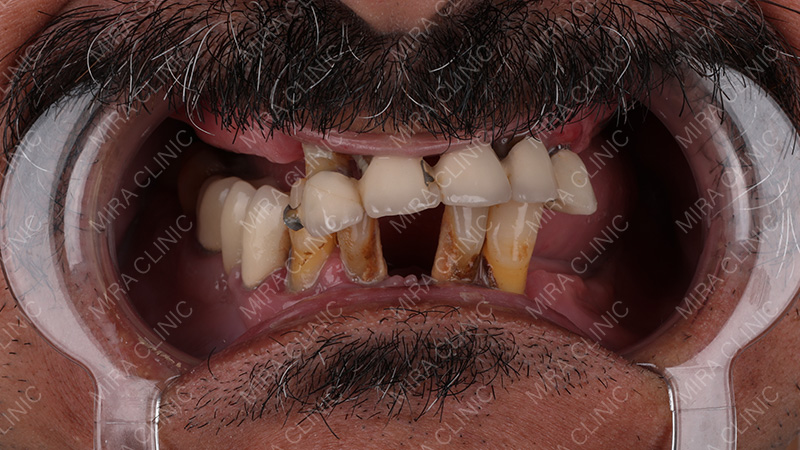
Deep or internal stains (tetracycline, trauma, fluorosis): what actually works
Internal stains are embedded within the tooth structure. Whitening cannot reliably change these colors, or it may only lighten them unevenly. In these cases, veneers provide predictable results by covering the discoloration rather than trying to bleach it.
What Results Can You Realistically Expect
Whitening results: what changes and what doesn’t
Whitening can improve brightness but cannot change tooth shape, close gaps, or fix uneven edges. Results vary between individuals and fade over time, especially with continued staining habits.
Veneers results: what improves beyond color
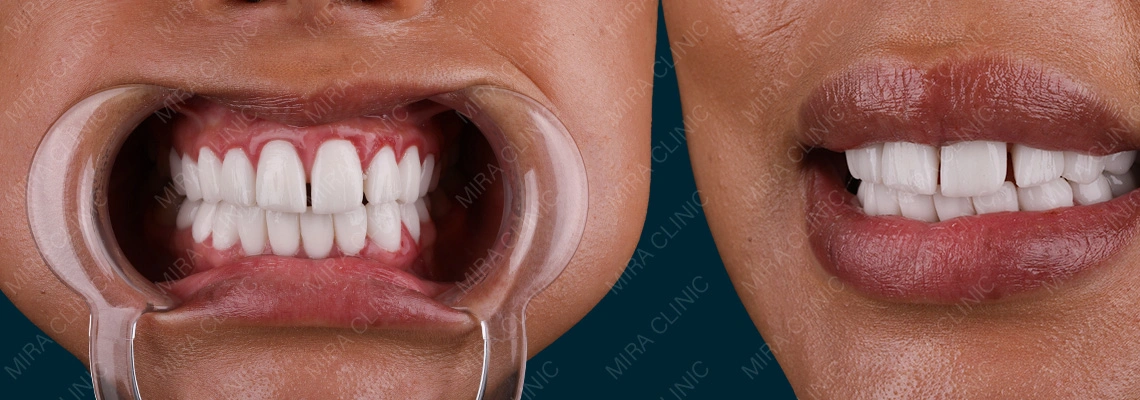
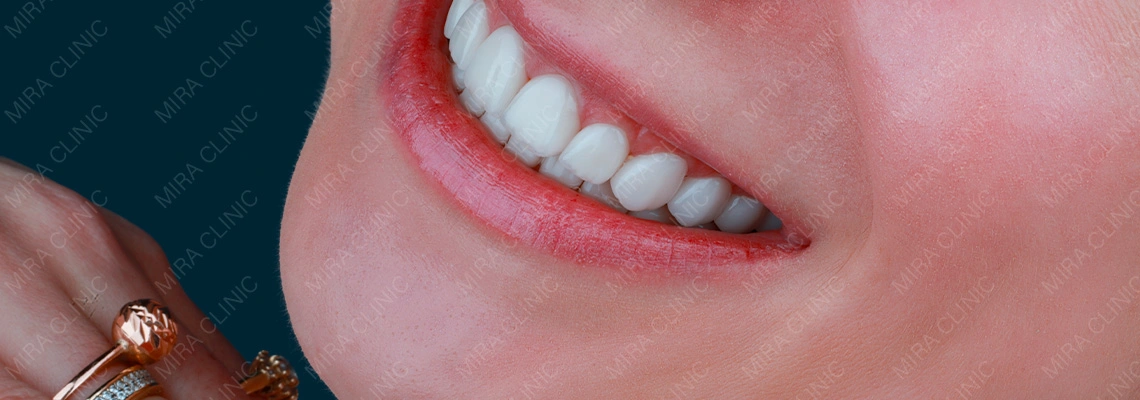
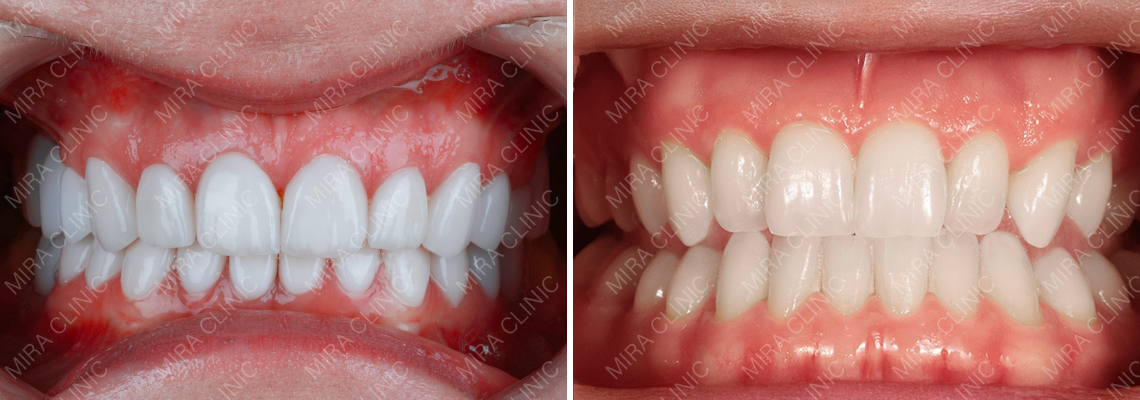
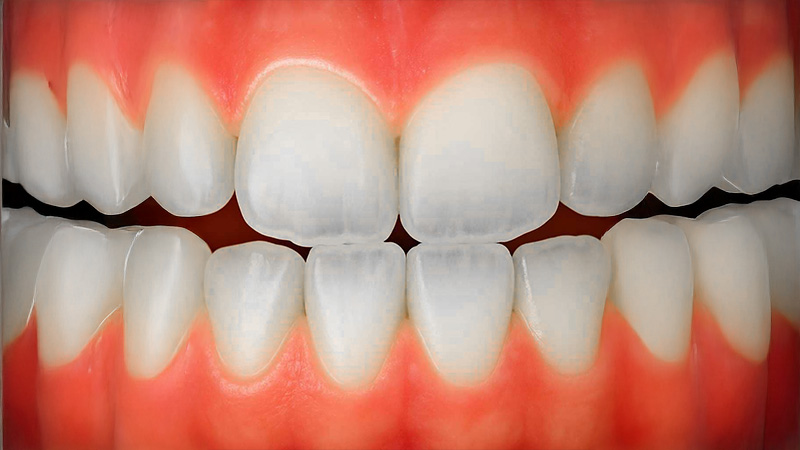
Veneers improve color consistency, shape, length, symmetry, and minor defects such as chips or gaps. For stained teeth, veneers offer control that whitening simply cannot provide.
Why Whitening “Doesn’t Work” for Some People
The 4 most common reasons results disappoint
1. The stains are internal, not surface-level
Bleaching agents cannot reach deep discoloration caused by medication, trauma, or developmental enamel changes.
2. Enamel is thin or uneven
Thin enamel allows the darker dentin underneath to show through, limiting whitening effectiveness.
3. Existing restorations don’t change color
Crowns, veneers, and fillings do not whiten, which can make results look patchy.
4. Unrealistic expectations
Whitening can brighten teeth, but it cannot turn naturally yellow or gray teeth into opaque white.
When you need diagnosis first (before whitening or veneers)
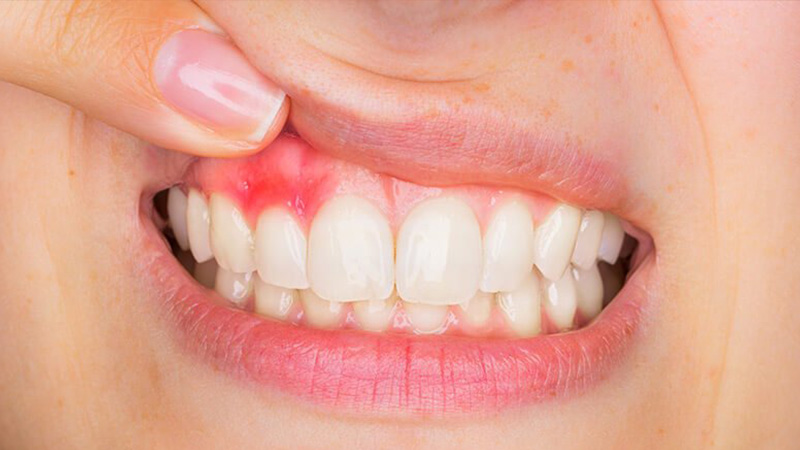
Gum inflammation or periodontal issues
Inflamed gums affect aesthetics and comfort and should be treated before cosmetic work.
Cavities or failing old fillings
Active decay must be resolved first, or cosmetic treatments will fail early.
Heavy bruxism (grinding)
Grinding increases the risk of veneer damage and must be managed with bite planning and protection.
Decision Guide: Veneers vs Whitening (Simple Rules)
Choose whitening if…
- Stains are mainly from coffee, tea, or smoking
- Teeth are healthy and evenly shaped
- You want a conservative, reversible option
Choose veneers if…
- Whitening hasn’t worked or worked unevenly
- Stains are deep or internal
- You also want to improve shape or symmetry
Cost and Value in Turkey (Without Guessing Prices)
What changes the total cost the most
Number of teeth treated
More teeth mean more lab work, planning, and precision.
Severity and type of stains
Deeper stains may require stronger materials or layered veneers.
Material choice
Different ceramic systems vary in translucency, strength, and cost.
What to confirm in a Turkey quote (what’s included vs excluded)
Ask whether the quote includes diagnostics, temporary restorations, adjustments, aftercare, and what happens if whitening is ineffective and treatment needs to change.
Final Takeaway
The choice between veneers and whitening is not about which treatment is “better.” It’s about which one matches your type of stains. When the decision is based on diagnosis rather than marketing, results are more natural, predictable, and long-lasting—especially when seeking treatment in Turkey.