Problems of teeth and oral cavity are generally divided into:
Congenital problems that appear through teeth development or eruption:
Some of these problems are genetic, i.e. they are genetically transmitted because of the presence of this problem in a family member, or are caused by the impact of other factors such as severe maternal disease during pregnancy or taking a drug that affects dental formation. Examples of this type of dental problem include:
-
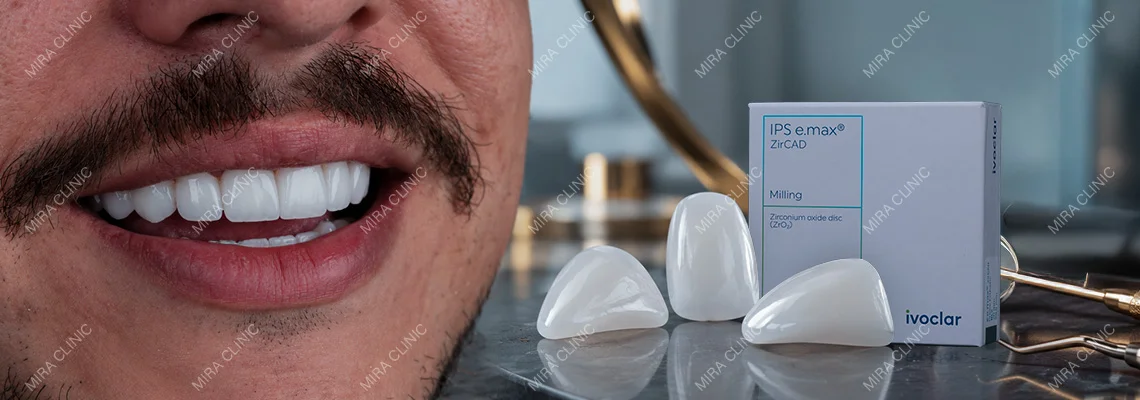
Enamel or Dentin hypoplasia or hyperplasia, which affect the color and appearance of the tooth.
-
Shape Deformity of the tooth so that it does not match the natural shape either an increase or decrease in size or a complete change in shape.
-
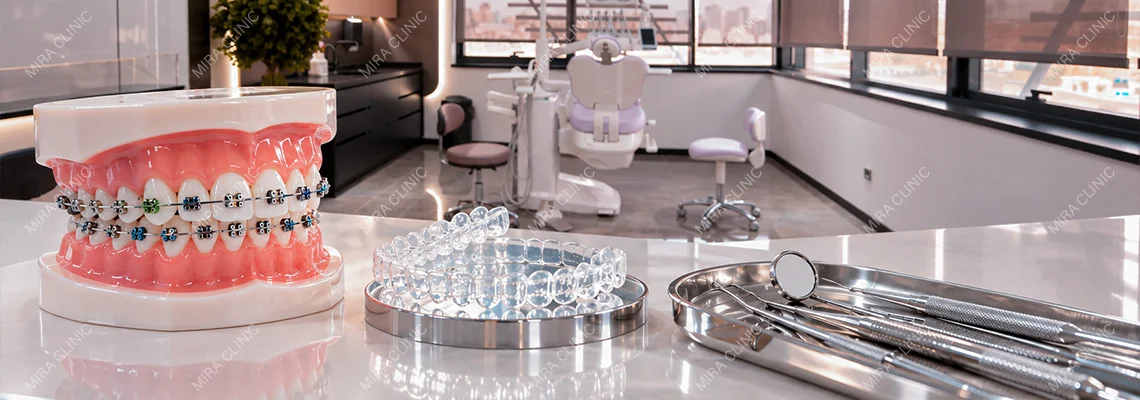
A defect occurs in the site where a tooth or set of teeth is emerging, affecting the overall appearance, and needs to be straightened.
-Problems caused by external factors affecting teeth after they have emerged:
These are the most common dental problems that include
-
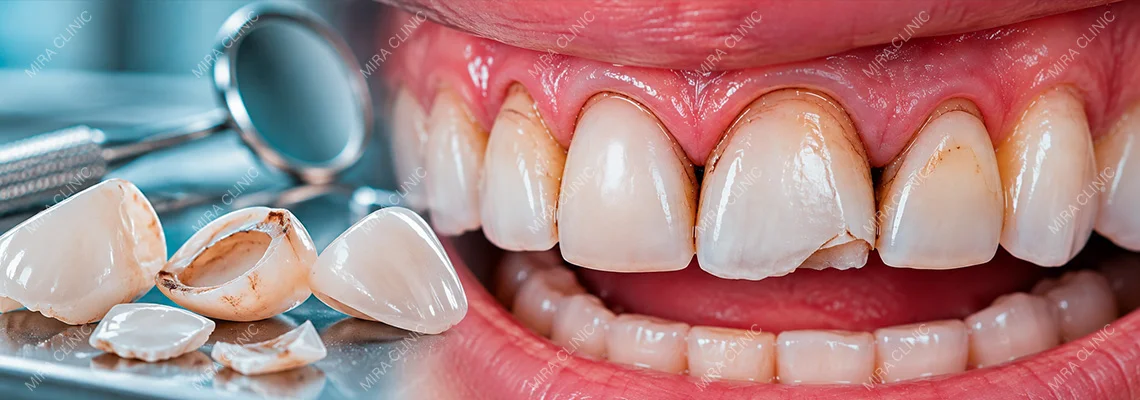
Teeth fractures: Especially anterior teeth in children, they are highly vulnerable to fracture as a result of various accidents.
-
Dental pain: Most notably nerve pain caused by inflammation of the pulp area.
-
Tooth decay: caries that affects the hard tissues of the tooth until it reaches the pulp area. As a result of the presence of microorganisms that ferment food substances in the mouth and produce acids capable of dissolving teeth surfaces and causing inflammation of periodontal tissues.
-
Gingivitis and periodontitis: some types of bacteria and viruses cause diseases in the area of tissues that surround the tooth, whether gums, supporting tissues, or tooth adjacent bone, these types of microorganisms are activated by several factors, the most important of which is neglecting mouth cleaning and calculus accumulation, and hormonal changes. Symptoms of these infections appear as bleeding in the gum tissue, degeneration of supporting tissues, or erosion of a bone around the tooth.
-
Bad breath: It is often caused by prolonged interruption of dental cleaning leading to the accumulation of bacteria and food residues, but there may be other causes such as diseases that cause dry mouth or taking certain medications.
-
Dental pigmentation: Occurs as a result of too much food and drinks containing dyes leading to a change in tooth color, or as a result of some bad habits such as smoking.
-
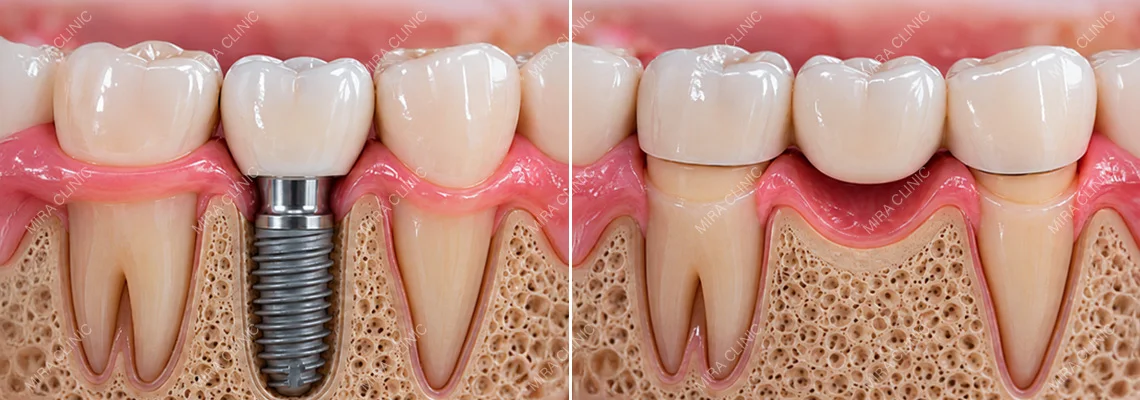
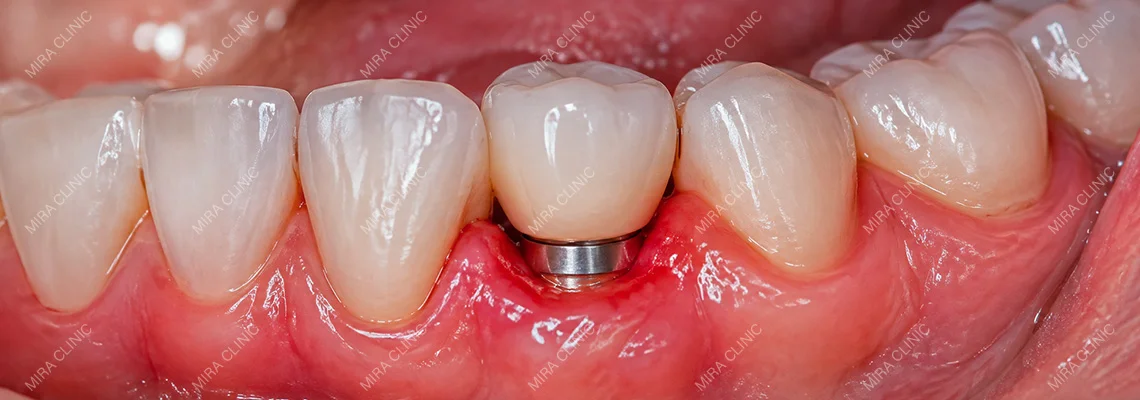
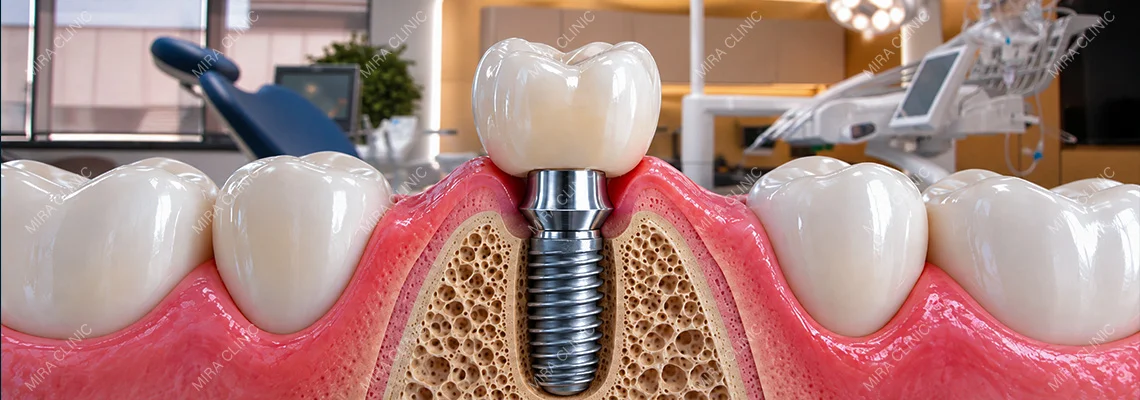
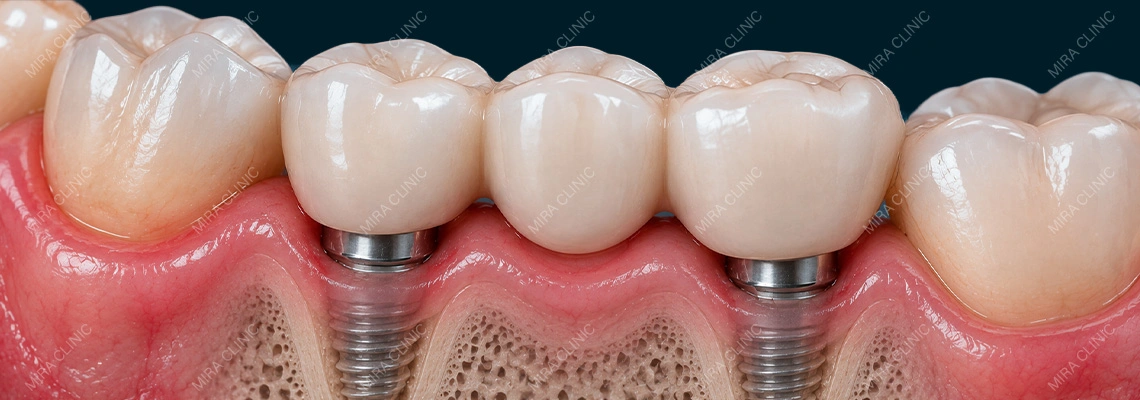
Tooth loss problem: either as a result of a wrong extraction in the dental clinic or as a result of severe inflammation of the tissue around the tooth and erosion of the jawbone.

Is there a difference in dental problems between men and women?
Although all previous diseases may affect both men and women, the likelihood of infection may vary between them, here are the main reasons for this difference:
-
Hormonal differences: Changing the level of hormones in the body plays a role in determining oral and dental health, where we note the high incidence of caries and gum disease in women during pregnancy and childbirth. Also, hormonal changes in adolescence are one of the causes of gingivitis, which is more evident in men at this stage.
-
Tendency for teeth cleaning: Studies indicate that women are more careful about continuous cleaning of teeth and using toothbrushes therefore they are less likely to face dental problems resulting from lack of care.
-
Harmful habits: such as smoking or using teeth to open cans, or drinking alcohol and these habits are more prevalent among men, which increases the incidence of broken or pigmented teeth compared to women.
-
Doctor's visit and early treatment: Women go further for regular visits to the dentist and treatment of dental problems early, while most men avoid periodic dental check-up visits, exposing them to greater problems.
Tips for preventing dental problems
-
Daily dental care is the first step to getting strong and healthy teeth. A daily dental cleaning routine should include using the brush at least twice, using medical floss to clean the inner surfaces of the teeth, and using suitable mouthwash.
-
Regular visit to the dentist at least once every six months is necessary for early detection of dental problems.
-
Pay attention to the diet and modify it to suit the health of the mouth and teeth by reducing sugars and harmful soft drinks that cause erosion of tooth tissue and increase the likelihood of tooth decay.
-
Quit all bad habits affecting teeth such as smoking or using teeth to open bottles and others.
-
Immediate visit to the dentist if you feel symptoms of a dental problem to avoid deteriorating the condition.