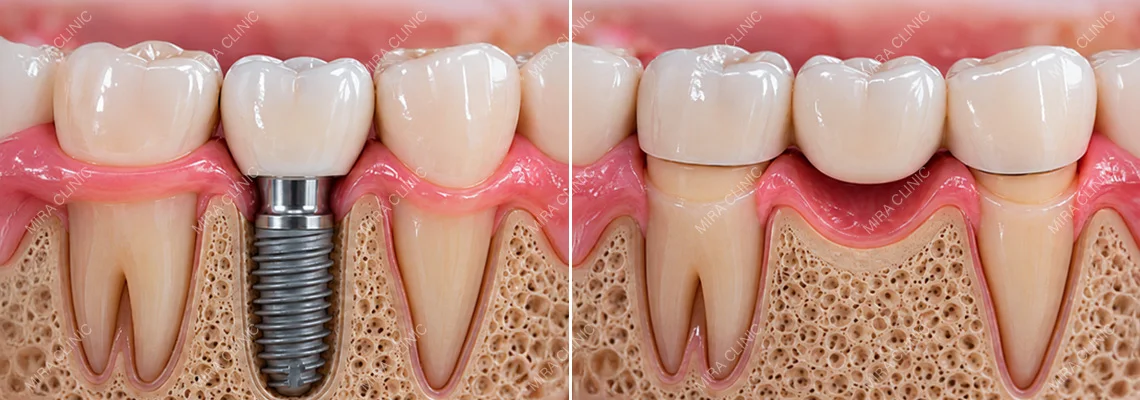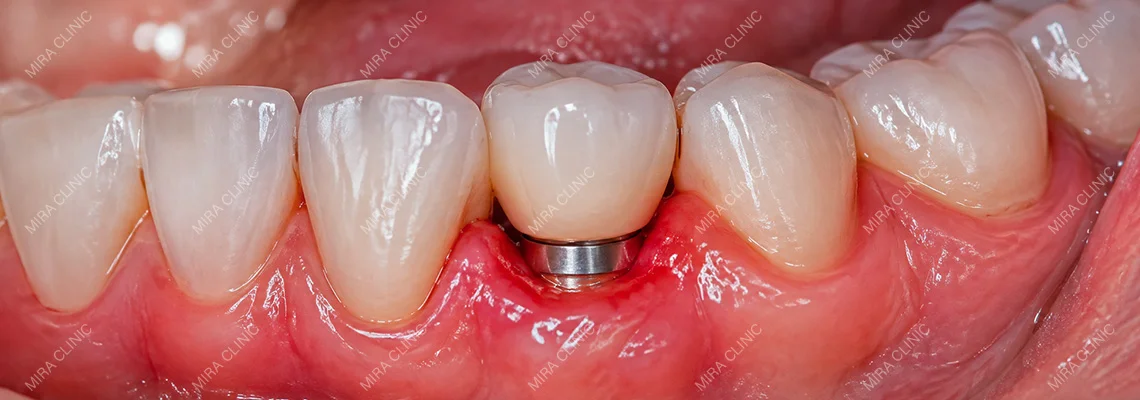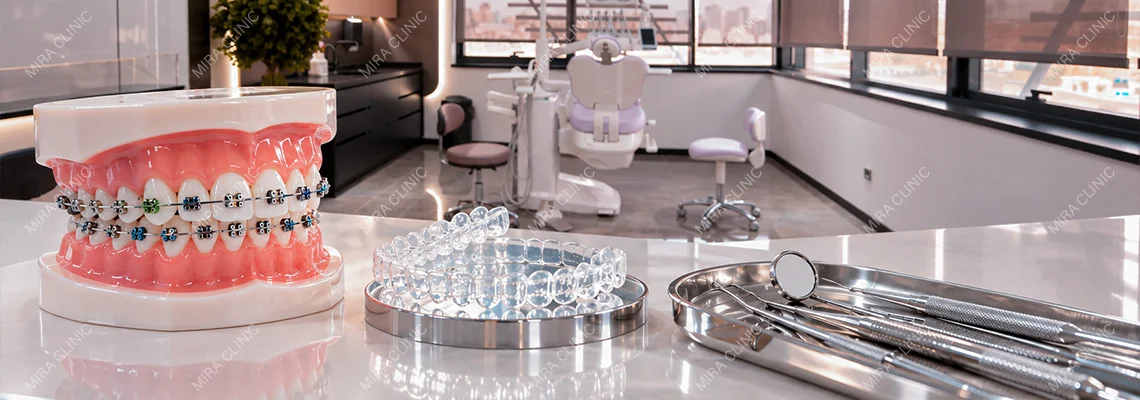
A front tooth gap is one of the most common cosmetic concerns in 2026. Patients want to close it quickly, understand the difference between bonding, veneers, and Invisalign, and choose an option that lasts. The right choice depends on gap size, the cause behind it, the condition of the teeth, and whether the goal is a fast cosmetic fix or a long-term structural correction.
This guide gives you a clear framework to evaluate your gap and understand what treatment genuinely fits your case.
- Quick Answer
- The “Gap Score” (The Clinic-Grade System You Actually Need)
- Option 2 — Veneers (Cosmetic Control + Shape Upgrade)
- Option 3 — Invisalign (The “Move the Teeth” Fix)
- Decision Table: Bonding vs Veneers vs Invisalign (2026)
- The 60-Second Choice Guide (If/Then Rules)
- “Turkey Dental Trip” Reality Check
- Red Flags (The Causes Behind Poor Outcomes)
Quick Answer
What “diastema” means in simple terms
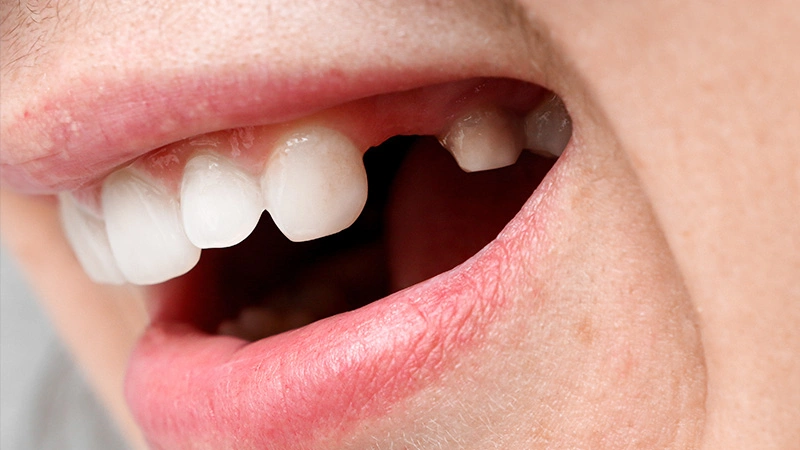
A diastema is a space between two teeth, usually the upper front teeth. It can be cosmetic or caused by alignment, gum tissue, or missing-tooth issues.
The one-line comparison
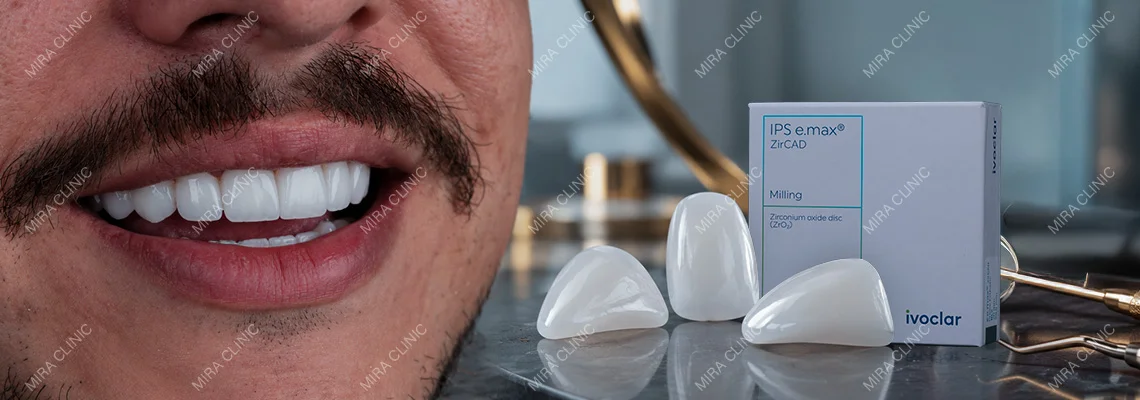
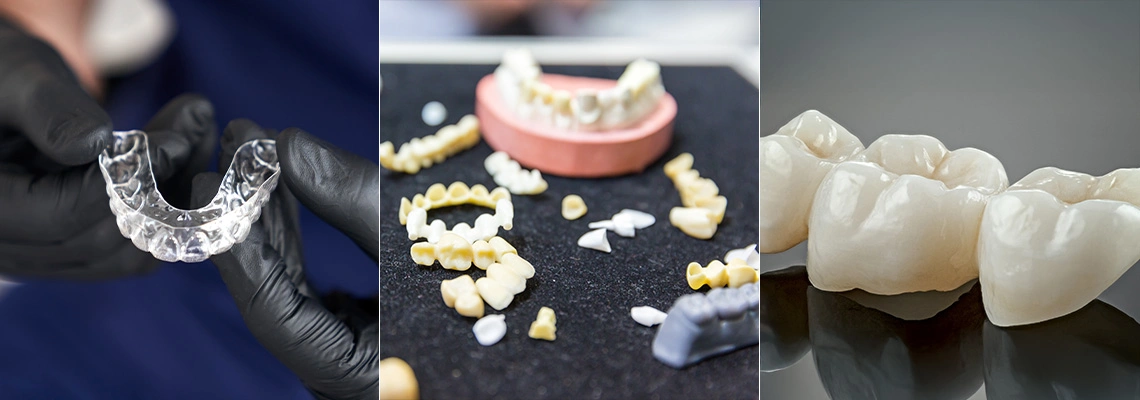
Bonding adds material to close the space. Veneers reshape the front surface and improve colour. Invisalign moves the teeth to close the gap naturally.
The safety rule
Fix the cause first. Then choose the cosmetic finish. Skipping this step is the main reason gaps reopen.
The “Gap Score” (The Clinic-Grade System You Actually Need)
The Gap Score helps you avoid guesswork. It shows whether your gap needs a cosmetic solution, an orthodontic correction, or a combined approach.
Step 1 — Measure the gap (small / medium / large)
Small gaps under 1.5 mm often respond well to bonding. Medium gaps may need veneers or orthodontics. Large gaps usually require tooth movement.
Step 2 — Identify the cause
Some gaps come from tooth-size mismatch. Others come from spacing, relapse after braces, a strong frenum, or a missing tooth. Each cause points to a different fix.
Step 3 — Decide your goal
If you want a fast cosmetic improvement, bonding or veneers work. If you want stable, long-term closure, Invisalign often becomes part of the plan.
_1767602048.webp)
What Causes Gap Teeth (So You Don’t Choose the Wrong Fix)
Tooth-size vs jaw-size mismatch
When teeth are too narrow for the jaw, small triangular gaps appear. Cosmetic options hide the gap, but only orthodontics addresses the spacing imbalance.
Orthodontic relapse
Gaps return when retainers were not worn after braces. If relapse caused the gap, cosmetic coverage alone will not stop it from reopening.
Gum and frenum factors
A tight frenum or gum tissue between the teeth can push teeth apart. In these cases, soft-tissue correction is part of the solution.
Missing tooth or shifting teeth
When a missing tooth causes drift, the gap is functional—not cosmetic. Tooth movement or restoration may be needed first.
Check Out: Hollywood Smile Reviews – Real Patient Story in Turkey: Jamie’s Smile Transformation in Istanbul
Option 1 — Composite Bonding (The Fast Cosmetic Fix)
When bonding works best
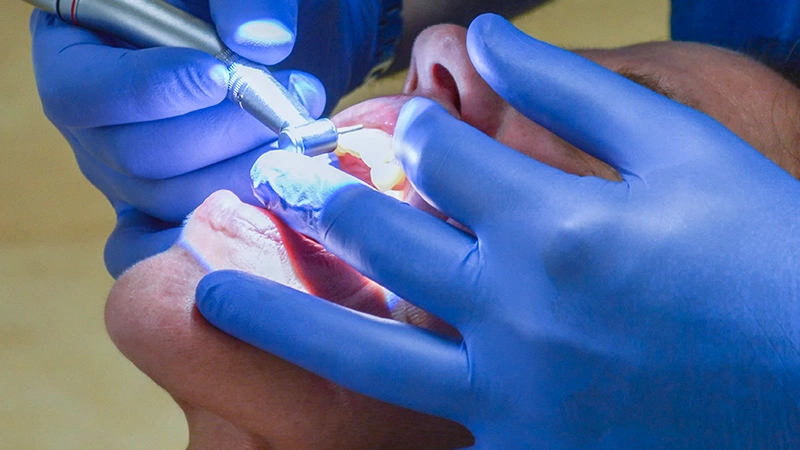
Bonding is ideal for small gaps with stable bite forces and healthy enamel. It gives an instant result without major alteration of the teeth.
What bonding cannot hide
Bonding struggles with black triangles, uneven tooth edges, and strong bite forces. It cannot correct alignment or root position.
Longevity reality
Bonding is not permanent. It can stain, chip, or need polishing. Patients should expect periodic touch-ups.
Option 2 — Veneers (Cosmetic Control + Shape Upgrade)
When veneers are ideal
Veneers work well when the gap is combined with concerns about colour, shape, or symmetry. They provide precise control over the final design.
Veneers vs black triangles
Veneers can mask small triangles, but they cannot close gaps caused by gum recession. Soft tissue or orthodontics may be required in those cases.
Veneers vs crowns
Crowns are rarely needed for a simple gap. Veneers are more conservative and maintain more natural structure.
Option 3 — Invisalign (The “Move the Teeth” Fix)
Best for spacing, alignment issues, or relapse
When the gap is caused by alignment, bone position, or orthodontic relapse, Invisalign is the most stable solution.
Timeline expectations
Many diastema cases close faster than full orthodontic cases. However, “fast” still means several months, not weeks.
Stability and relapse prevention
Retainers are non-negotiable. Without retention, gaps can return even after perfect closure.
_1767602195.webp)
Decision Table: Bonding vs Veneers vs Invisalign (2026)
|
Decision Factor |
Bonding |
Veneers |
Invisalign |
|---|---|---|---|
|
1. Best For |
Small gaps with good enamel and stable bite |
Gaps with shape/colour concerns |
Gaps caused by spacing, alignment, or relapse |
|
2. Gap Size Fit |
Best for small gaps (<1.5 mm) |
Small to medium gaps |
Small, medium, and large gaps |
|
3. Fixes the Cause? |
No — covers the space only |
No — cosmetic improvement only |
Yes — moves teeth to close the gap naturally |
|
4. Cosmetic Control |
Limited control; depends on bonding skill |
High control over shape, size, colour |
Moderate; final look depends on natural teeth |
|
5. Treatment Time |
Immediate (same day) |
Fast (few days) |
Slow to moderate (weeks to months) |
|
6. Tooth Alteration |
Minimal; almost no drilling |
Moderate; front surface reshaped |
None; no drilling |
|
7. Maintenance |
High: chips, stains, regular repairs |
Low to moderate: occasional polishing |
Low: retainers required long-term |
|
8. Relapse Risk |
Medium: gap may reopen if cause not treated |
Medium: veneers hide the gap but do not stop relapse |
Low: retainers prevent relapse after closure |
|
9. Cost Drivers |
Material and repair frequency |
Lab work, porcelain quality, design |
Number of aligners, monitoring, retention plan |
|
10. Looks Most Natural When… |
Teeth already have good colour and shape |
The smile needs both gap closure + cosmetic design |
Teeth are healthy and aligned naturally after movement |
The 60-Second Choice Guide (If/Then Rules)
Fastest visible change → Bonding or Veneers
Both offer immediate transformation.
If you want to fix spacing or bite → Invisalign first
Only tooth movement corrects alignment and spacing issues.
Small gap + shape or colour concerns → Veneers win
They correct the gap and the smile design together.
If you press your teeth → recommendations change
Bonding may wear quickly. Veneers need protection. Invisalign may require special planning.
“Turkey Dental Trip” Reality Check
When bonding or veneers fit a short trip
These treatments can be completed within a few days when diagnostics and bite checks are done properly.
When Invisalign requires a different plan
Tooth movement needs follow-up. Remote monitoring or staged visits should be included in the plan.
What to ask before flying
Request a written plan, photos, bite evaluation, and clear aftercare instructions.
Red Flags (The Causes Behind Poor Outcomes)
A single treatment recommended for every gap
No one solution works for all sizes or causes. This is a warning sign.
No investigation of the cause
If the clinic does not check for relapse, bite issues, or soft tissue factors, the result may not last.
No long-term plan
Without retainers, night guards, or bonding maintenance, gaps can reopen.