Some people prefer to whiten their teeth naturally at home, without using chemical whitening solutions that are common in stores. They either use acids in fruits or rub their teeth with baking soda. But are these methods effective and safe? Let's examine the evidence and separate the truth from the myths and maybe avoid some pain and tooth damage in this process.
Table of contents:
Whitening teeth with baking soda
Baking soda (sodium bicarbonate) can help you have whiter teeth, according to some research. It is an alkaline compound that can remove stains and kill harmful bacteria.
The Journal of Traditional and Complementary Medicine states that “baking soda–based dentifrices are effective and safe for tooth stain removal and consequently whitening,” based on the available literature. They also say that “baking soda–based dentifrices are more effective in stain removal and whitening than some non–baking soda—containing dentifrices with a higher abrasive."
You can find baking soda in many conventional toothpastes, or you can make your paste by mixing it with water. However, you should also use a fluoride rinse after using baking soda paste to protect your teeth.
Related articles:
Use pulling oil for teeth whitening
Some people use a technique from Ayurvedic medicine to clean their teeth. They put a tablespoon of oil (such as sesame, coconut, or olive oil) in their mouth and swish it around for up to 20 minutes. This is supposed to “pull out” bacteria. A recent study showed that coconut oil could help prevent tooth decay, but there is no evidence that it can make your teeth sparkle.
Use hydrogen peroxide for teeth whitening
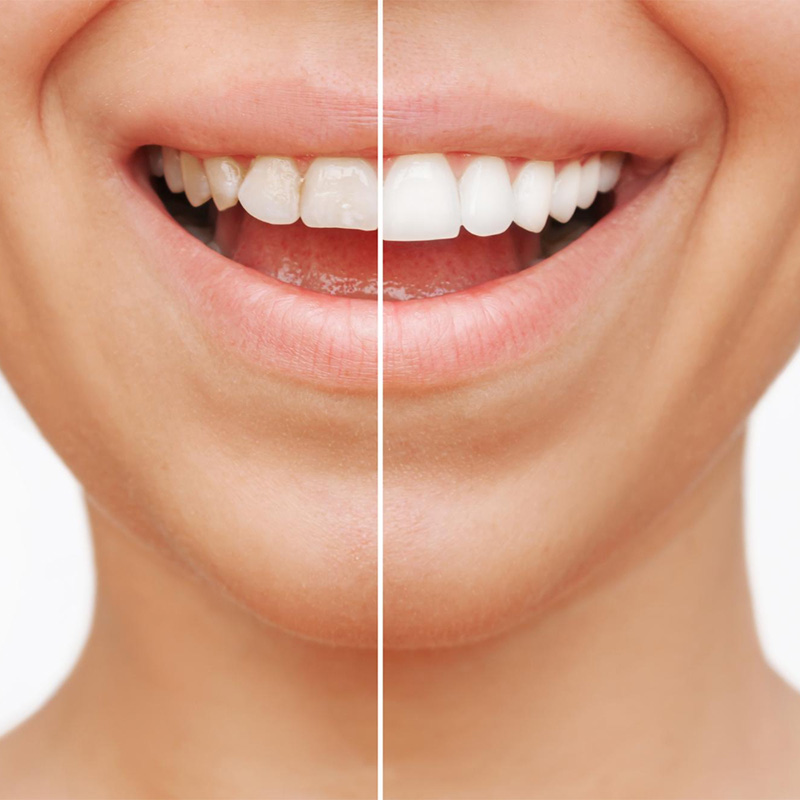
Hydrogen peroxide is a powerful bleaching agent that can whiten your teeth by breaking down the stains on their surface. It also kills bacteria that cause tooth decay and bad breath. However, hydrogen peroxide can be harsh on your enamel if used too often or in high concentrations. Therefore, you should dilute it with water before using it on your teeth. A safe concentration is 3% or less, which you can buy at most drugstores or grocery stores. To use hydrogen peroxide for teeth whitening, you can either mix it with water or baking soda to make a paste or rinse solution. Mix equal parts of hydrogen peroxide and water in a small bowl or cup and swish it around your mouth for about 30 seconds before spitting it out. Alternatively, you can mix one teaspoon of baking soda with one tablespoon of hydrogen peroxide in another bowl or cup and swish it around your mouth for about 30 seconds before spitting it out.
Eat fruits and vegetables
Some people believe that crunchy fruits can help remove plaque from your teeth, but this is not true. However, some fruits have natural acids that can affect your teeth, such as lemons and strawberries. These acids can damage the enamel, make your teeth darker, and cause decay. On the other hand, papayas and pineapples have enzymes that may help whiten your teeth by fighting staining, according to one study. These enzymes (papain and bromelain) can loosen plaque that makes your teeth look discolored when you use them in toothpaste. But eating the fruit or brushing with a paste made from the pulp will not whiten your teeth.
Fruits and vegetables are good for your teeth when they are part of a balanced diet. Eating an apple can reduce the number of bacteria in your mouth that cause decay, which is important for keeping your teeth healthy, especially if you don’t have time to brush right away.
You may want to try toothpaste that has the fruit enzymes bromelain and papain to whiten your teeth. But don’t use fruit acid pastes or rinses at home.
Use banana, orange, or lemon peels
natural ways to whiten your teeth include using banana, orange, or lemon peels. These fruits contain citric acid, which can help remove stains from your teeth. However, the evidence for this method is not very strong, and it may not work for everyone.
Use apple cider vinegar
Apple cider vinegar is often claimed to be a miracle cure by people who follow natural health practices. It is a fermented product that has probiotic benefits, which are supposed to improve your health. But these benefits may not apply to your teeth.
Apple cider vinegar is very acidic because of its fermentation process. And acidic substances, whether they come from the sugars in your mouth or from the acids you eat, can damage your tooth enamel and cause tooth decay.
You can safely taste and smell apple cider vinegar when you eat it, but you should not use it to brush or rinse your teeth for a long time because it can wear away your enamel.

Sources:
- How to Naturally Whiten Your Teeth at Home
- https://www.healthline.com/nutrition/whiten-teeth-naturally
- Natural Ways to Whiten Your Teeth
- https://www.webmd.com/oral-health/ss/slideshow-natural-teeth-whitening
- Natural Teeth Whitening: Everything You Need To Know
- https://www.forbes.com/health/dental/natural-teeth-whitening/
- How To Whiten Your Teeth At Home Safetly
- https://www.forbes.com/health/dental/how-to-whiten-your-teeth/