You may suffer from hair loss type that home remedies could not deal with powerfully. In this case, you should consider an FUE hair transplant, which can permanently stop your hair loss. FUE technique has a big potential for restoring your hair with a high density. In this article, we will cover some points about an FUE technique!
Table of contents
Why is FUE hair transplant in Turkey?
When it comes to hair transplants, Turkey is one of the few best countries in the world, offering high-quality services at very reasonable prices. In Turkey, hair transplant specialist doctors use the most advanced and effective techniques, including the FUE technique, that ensures a faster recovery process and more guaranteed results.
Furthermore, most Turkish clinics offer all-inclusive packages that involve hotel accommodation, free airport-hotel transportation, and translation.
What's an FUE hair transplant?
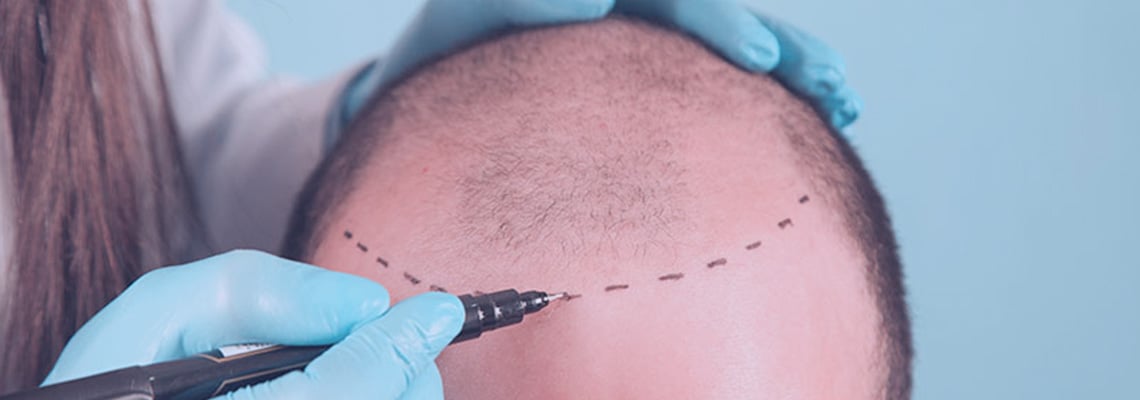
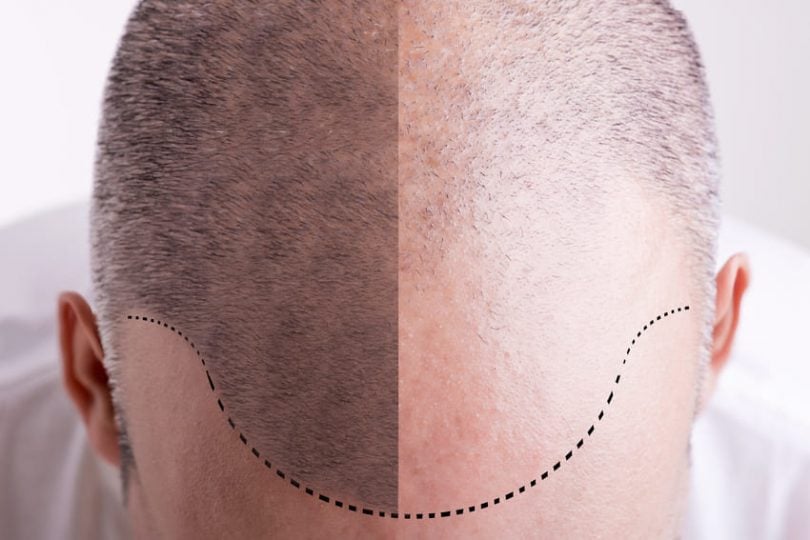
FUE or follicular unit extraction technique is an effective method by which hair grafts are individually removed from the patient's donor area and transplanted into bald areas. The donor area is represented by the back and sides of the head, which is typically resistant to baldness. The grafts are collected with a micro motor. This device can harvest the hair follicles from the donor area safely. The doctor can then create tiny channels with microneedles and implant the harvested grafts in the right depth and direction, resulting in natural-looking hair.
Is FUE hair transplant permanent?
After your FUE hair transplant, you will experience hair fall for the first three months. It is normal. You don't have to worry about it. You are more likely to get the full results a year after your operation. Additionally, you should know that once your hair grafts are transplanted, you will not be able to return them or revise the operation. Generally, an FUE hair transplant is considered permanent, giving long-lasting results.
Is FUE hair transplant painful?
During the operation, you will be given local anesthesia to numb the scalp, which helps you feel no pain while picking the grafts from the donor area and implanting them in the bald areas. After the operation, you may experience slight discomfort. By taking the medications prescribed by your doctor, you will feel better.
The patient may also experience some soreness and redness, but these side effects usually disappear two weeks after the operation. If you have those complications for a longer period, you are encouraged to consult your doctor.
Is FUE hair transplant worth it?
It has been proved that an FUE hair technique is a more effective way than other hair restoration treatments, such as minoxidil or lotions, especially for people who suffer from thinning or bald spots all over the head.
Furthermore, an FUE hair transplant does not lead to any large scar as traditional hair transplants do. It depends on creating tiny channels that are less visible, ensuring less recovery period and better results.
Can FUE hair transplant fail?
Generally, an FUE hair transplant is a safe and guaranteed operation. However, some common reasons might cause FUE to fail, such as infection. The infection can affect the donor area or the transplanted hair grafts, resulting in a failed surgery or poor results. Choosing the right clinic and an experienced hair transplant medical team can reduce the risk of infection.
FUE & FUT: What is the main difference between FUE and FUT hair transplants?
Have a look at the differences between FUE and FUT hair transplants:
-
FUE technique transplants hair grafts individually from the donor area into balding areas by creating tiny channels leaving no scars. Unlike the FUE, a FUT technique cuts a strip of skin with hair grafts and implants in the affected areas causing a long linear scar at the back of the scalp.
-
FUE hair transplant requires a short recovery period compared to the FUT technique.
-
Because the FUE technique is a minimally invasive procedure, the patient may experience less pain.
FUE hair transplant recovery
-
After your operation, your scalp will be covered with bandages for at least two days. To support your recovery and relieve your pain, your doctor will prescribe certain medications, including antibiotics for multiple days.
-
You will be able to go back to your routine activities within five days at most. You should not be worried if your new transplanted hair falls out during the first three weeks after the operation. This shocking loss is temporary and just a normal part of a hair transplant.
-
While you will notice your hair start to grow in a few months, you will be able to see almost 60% of your final results in 6 to 9 months. The final FUE hair transplant results will be seen in a year after your surgery.
How much does FUE hair transplant cost in Turkey?
As previously stated, hair transplant prices in Turkey are generally very competitive compared to Europe and the United States. When it comes to FUE hair transplant, its cost is affordable and less than other hair transplant techniques such as DHI. The average FUE hair transplant cost in Turkey is around 900$.