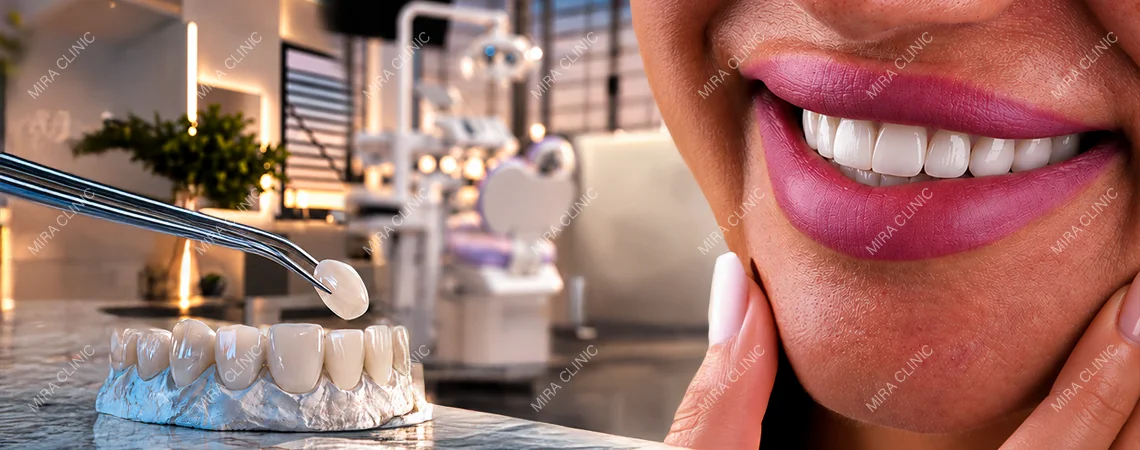
One of the most common concerns patients have before getting veneers is not whether they want a better smile, but how white that smile should actually be. Some people are drawn to a bright, bleach-white look because it feels glamorous, fresh, and camera-ready. Others want a softer result because they are afraid of ending up with a smile that looks artificial or too obvious. That hesitation is completely valid, because veneer shade selection is not just about choosing the lightest color on a chart. It is about balancing whiteness with skin tone, facial contrast, smile style, and the kind of result you want to live with every day.
From a dentist’s perspective, this decision is not made by brightness alone. Shade selection also involves translucency, surface texture, how many veneers are being planned, whether surrounding natural teeth will remain visible, and how the final smile will sit within the face as a whole. In other words, the real question is not simply, “Do I choose white or less white?” It is, “What shade will look right on me?”
- Quick Answer: Should You Choose Bleach White or a Natural Shade?
- What Do “Bleach White” and “Natural Shades” Actually Mean?
- The Baseline Decision: What If You Are Not Sure What to Choose?
- How Skin Tone Changes the Way Veneer Shades Look
- Dentist Perspective: How Doctors Actually Choose the Right Shade
- Bleach White Veneers: Why Patients Choose Them
- Natural Veneer Shades: Why They Often Age Better Aesthetically
- Bleach White vs. Natural Shades: What Should Guide the Final Decision?
- Comparison Table: Bleach White vs. Natural Veneer Shades
- Comparison Table: What Dentists Consider Before Recommending a Shade
- Final Shade Strategy: How to Make the Right Decision with Confidence
Quick Answer: Should You Choose Bleach White or a Natural Shade?
Bleach-white veneers create a brighter, higher-contrast smile, while natural shades blend more softly with skin tone, lip color, surrounding teeth, and facial features. The right choice depends on how dramatic or subtle you want the final result to look, how many veneers you are getting, and whether your goal is a bold Hollywood-style smile or a more believable enamel-like finish.
Bleach-white shades usually make more sense for patients who want a stronger visual transformation, especially in full smile makeover cases where many visible teeth are being covered at once. Natural shades often make more sense for patients who want realism, need to blend with untreated teeth, or are worried about the classic “fake veneers look.” Dentists generally start by evaluating facial harmony, not shade labels alone.
That is also why uncertainty at this stage is normal. If you are not sure which direction to go, that does not mean you are indecisive. It usually means you understand that veneer color is a permanent aesthetic decision and you want to get it right.
What Do “Bleach White” and “Natural Shades” Actually Mean?
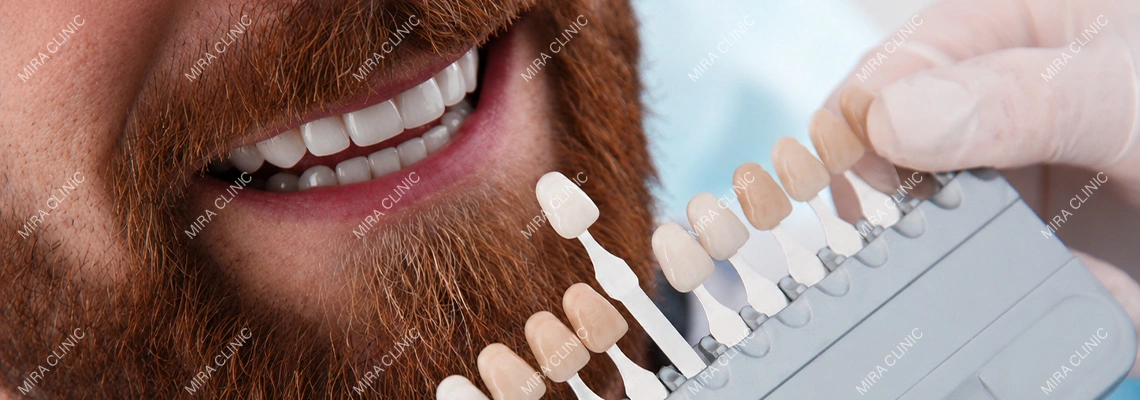
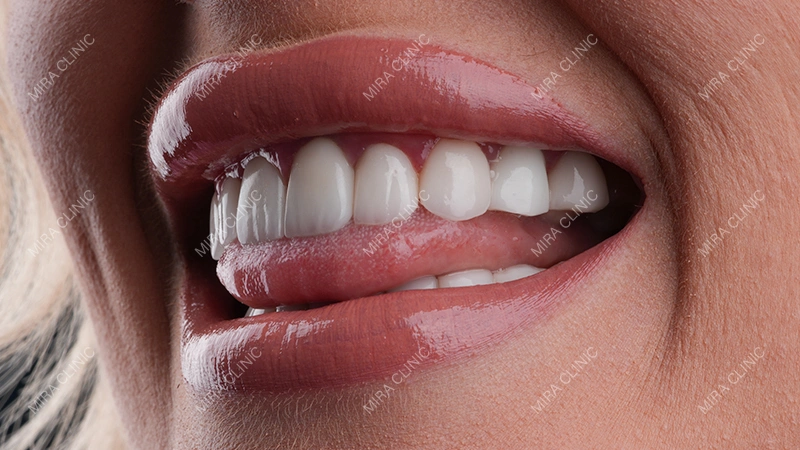
When patients hear the phrase “bleach white,” they usually imagine a smile that is brighter than natural enamel and noticeably more striking at first glance. In veneer language, this often refers to bleach-range shades such as BL1, BL2, or related bright values that sit outside the more traditional natural tooth spectrum. These shades are designed for patients who want a very white finish rather than a tooth color that simply looks like an ideal natural enamel tone.
Natural shades, by contrast, are usually built to mimic the depth and softness of healthy natural teeth. They can still be bright, but they tend to include more realism through translucency, subtle gradation, and less stark contrast. In good veneer design, “natural” does not mean yellow, dull, or aged. It means the brightness is controlled in a way that still looks believable in the face.
This is also why veneer shade is not only about “white.” Dentists think in terms of brightness, translucency, warmth or coolness, and how light behaves across the surface of the tooth. A bright veneer with good translucency may still look elegant, while a slightly softer veneer with flat opacity may still look fake.
The Baseline Decision: What If You Are Not Sure What to Choose?
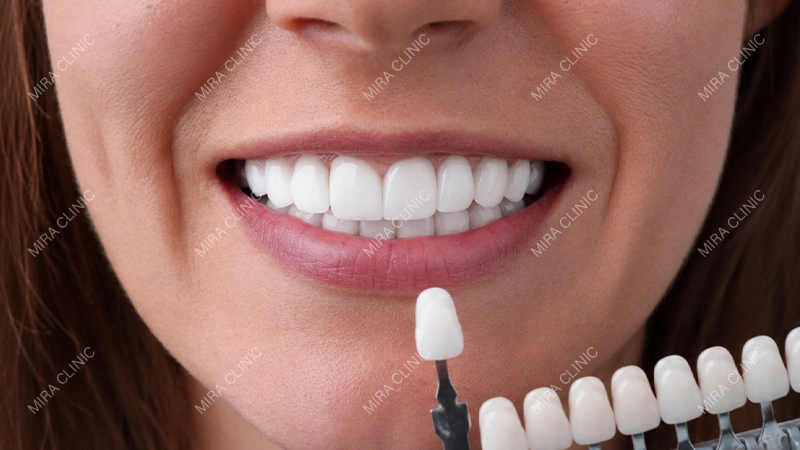
If you are not sure whether to go bleach white or natural, the best place to begin is not the shade tab. It is your actual goal. Do you want people to notice your teeth immediately, or do you want them to feel that your smile simply looks beautiful without being able to explain why? That single difference often shapes the direction of the entire treatment.
The second question is about contrast tolerance. Some patients genuinely like a stronger, more glamorous look and feel confident with a brighter smile that stands out more in photos and social settings. Others prefer a softer enhancement and would regret a result that feels too sharp or too “done.” Neither preference is wrong, but they lead to different shade decisions.
The third baseline idea is important: there is a real difference between very white and natural-looking white. Bright does not always mean fake, and natural does not always mean dark. The quality of the ceramic, the translucency, and the dentist’s sense of facial harmony matter just as much as the shade family itself.
How Skin Tone Changes the Way Veneer Shades Look
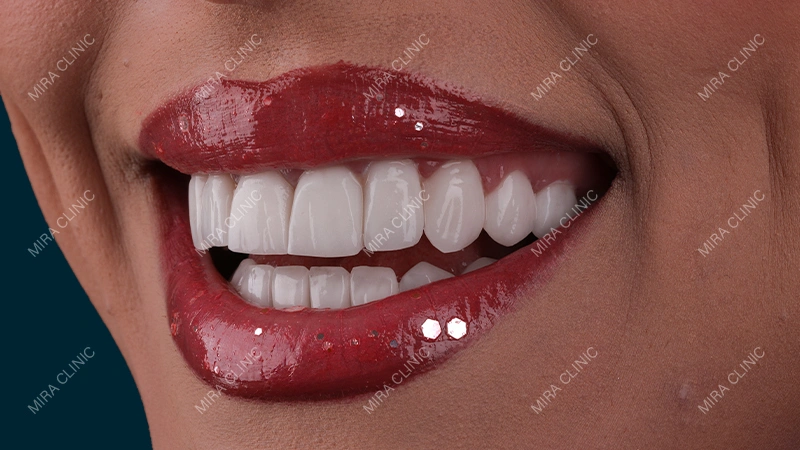
Skin tone is one of the biggest factors in how veneer color is perceived. Shade-selection guides repeatedly note that a veneer does not look the same on every face. The same shade can appear softer, cleaner, stronger, or more artificial depending on the surrounding contrast created by the skin, lips, and facial features.
In lighter or fair skin tones, brighter shades can sometimes look cleaner and more integrated because the contrast is naturally lower. In medium, olive, or mixed tones, balance often becomes more important than maximum brightness, because a slightly natural-bright shade may still look very white while remaining easier to harmonize. In deeper skin tones, contrast can be striking and beautiful, but dentists still have to think carefully about warmth, translucency, and whether the shade enhances the face rather than overpowering it.
That said, skin tone is not the only variable. Lip tone, the whites of the eyes, smile width, makeup habits, and even a patient’s overall style can change how a veneer shade reads in real life. This is why dentists do not choose color by complexion alone. They use complexion as one part of a broader facial-harmony assessment.
Dentist Perspective: How Doctors Actually Choose the Right Shade
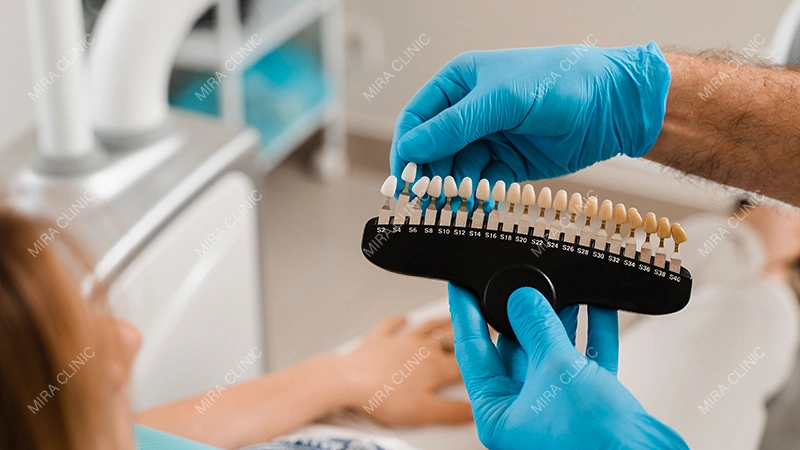
From the dentist’s side, veneer shade selection is a design decision, not a simple preference question. A well-trained cosmetic dentist looks at whether the patient is doing a full visible-zone makeover or a smaller case, whether nearby natural teeth will remain visible, how much tooth shows when smiling and speaking, and how the chosen material will reflect light. A shade that works beautifully in a full 8-to-10 veneer case may look completely wrong in a two-veneer case beside darker natural teeth.
The number of veneers changes the freedom of the decision. In small cases, dentists must match surrounding teeth more closely, because extreme brightness can create an obvious mismatch. In full-smile cases, there is much more room to choose brighter shades because the smile zone is being redesigned more comprehensively. This distinction appears repeatedly in veneer-shade guides and is one of the most practical rules in cosmetic planning.
Material and lab quality matter just as much. A brighter shade can still look sophisticated when the ceramic has good translucency and lifelike surface behavior. By contrast, even a “safer” shade can look artificial if the veneers are too opaque, too flat, or too uniform. This is why dentists consider ceramic behavior, not just color labels.
Read more: In-House Dental Lab vs. Outsourcing: Why Precision Starts Inside the Clinic
Bleach White Veneers: Why Patients Choose Them
Patients usually choose bleach-white veneers because they want a visible transformation. The appeal is easy to understand: brighter veneers create a stronger before-and-after effect, photograph well, and often align with celebrity-style or social-media-driven beauty preferences. In full smile makeovers, that level of brightness can look cohesive when the rest of the design supports it.
Bleach-white can work especially well for patients who genuinely want a more glamorous look and who are comfortable with stronger contrast. These shades are often more successful when most or all of the visible front teeth are being treated, because the smile can be designed as a whole rather than forced to blend around untreated teeth.
The risk is obvious, though: going too white can create a fake-looking result, especially if the veneers are opaque, if the shade overwhelms the skin tone, or if the brightness sits beside untreated teeth that remain much darker. This is why the “whitest possible” approach is not automatically the most beautiful one.
Read more: Why Do Some Veneers Look Fake, Big, or Bulky in Turkey? What Actually Causes Unnatural Results
Natural Veneer Shades: Why They Often Age Better Aesthetically
Natural shades often age better visually because they prioritize realism and facial harmony over immediate impact. A natural-looking veneer usually has controlled brightness, a more enamel-like translucency, and softer integration with the rest of the smile. These qualities tend to make the result look refined rather than trend-driven.
Natural shades are often the better choice when the patient wants subtle elegance, has a more conservative personal or professional image, or is doing a partial case that needs to blend with untreated teeth. They are also ideal for patients who are afraid they may regret going too bright later. In those cases, a bright-natural tone often feels like the safest long-term aesthetic decision.
It is also important to say clearly that “natural” does not mean yellow or dark. A well-chosen natural shade can still look premium, polished, and distinctly white. The difference is that it looks like an ideal version of a real tooth, rather than an obviously manufactured brightness level.
Read more: How Long Do Veneers Last in Turkey? Lifespan, Maintenance, and When Replacement Is Needed
Bleach White vs. Natural Shades: What Should Guide the Final Decision?
The first factor should always be your aesthetic goal. If you want a noticeable makeover that people immediately register as a major smile upgrade, a brighter shade may be the correct direction. If you want a quieter improvement that people read as “beautiful natural teeth,” then a softer or bright-natural shade is usually the better path.
The second factor is facial contrast. Skin tone, lip tone, and smile width all change how bright veneers appear. One shade can look dramatic on one patient and perfectly balanced on another. That is why side-by-side shade discussion is often more useful than copying someone else’s result from social media.
The third factor is the treatment plan itself. A full smile makeover gives more shade freedom than a partial case. If nearby teeth will remain visible, blending becomes more important. If the whole visible smile zone is being redesigned, the dentist has more room to choose a brighter, more stylized result.
Bleach White vs. Natural Veneer Shades
|
Factor |
Bleach White Shades |
Natural Shades |
|---|---|---|
|
Visual effect |
Bright, high-impact, glamorous |
Softer, realistic, more enamel-like |
|
Best for |
Full smile makeovers, dramatic goals |
Subtle elegance, partial blending, conservative goals |
|
Main risk |
Can look stark or fake if overdone |
Can feel too safe if the patient wanted stronger change |
|
Skin-tone effect |
Higher contrast and more noticeable |
Easier harmony across more skin tones |
|
Dentist concern |
Opacity, mismatch, fake veneers look |
Enough brightness without looking dull |
|
Long-term perception |
More trend-sensitive |
Often more timeless aesthetically |
This is the core trade-off. Bleach white is about stronger statement value, while natural shades are about believable beauty. The right choice is not the one that wins on paper, but the one that aligns with your face and your actual smile goal.
What Dentists Consider Before Recommending a Shade
|
Clinical factor |
Why it matters |
|---|---|
|
Skin tone |
Changes how bright the veneers appear on the face |
|
Existing tooth color |
Essential when not all visible teeth are being treated |
|
Number of veneers |
Full cases allow more freedom than partial matching |
|
Material translucency |
Determines whether the result looks lifelike or flat |
|
Smile width |
Changes how dominant the shade looks in the overall face |
|
Patient preference |
Helps decide whether the target is subtle or dramatic |
This is why shade is never just a color preference. It is a design variable inside a broader smile plan.

Final Shade Strategy: How to Make the Right Decision with Confidence
If you want a glamorous smile, brighter shades can absolutely work — but they should be chosen with control. The best bleach-white result is one where the brightness is supported by translucency, good ceramic craftsmanship, and a full smile plan that makes the whiteness feel intentional rather than disconnected.
If you want a believable smile, a natural-bright shade is often the stronger long-term choice. It gives you whiteness, polish, and elegance without forcing the smile into a trend-heavy look that may feel too aggressive later. This is especially true for patients who are already afraid of regret.
If you are still unsure, the best next step is not to guess. It is to compare side-by-side shade options, review similar cases with your complexion and smile width, and let the dentist guide the balance between brightness and harmony instead of chasing whiteness alone. That is the safest way to choose a veneer shade with confidence.
Read more: Cheap Dental Quote Warning Signs in Turkey: What Patients Should Check First