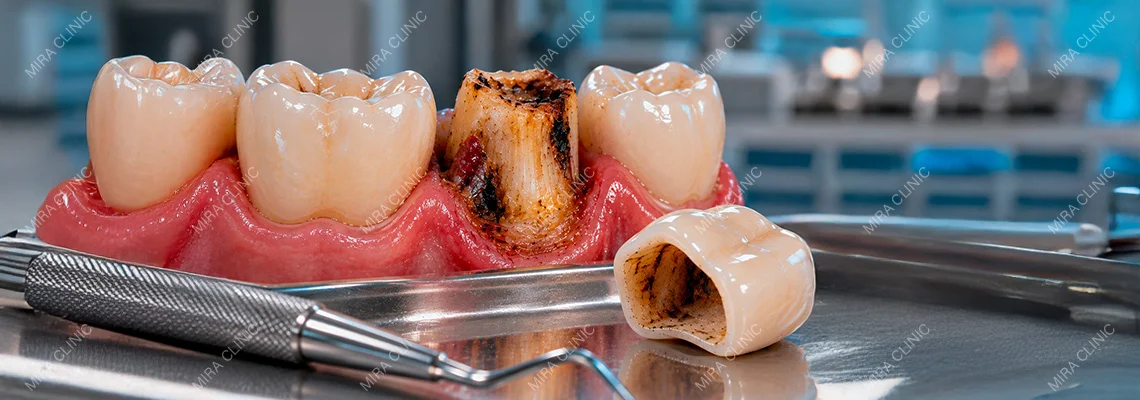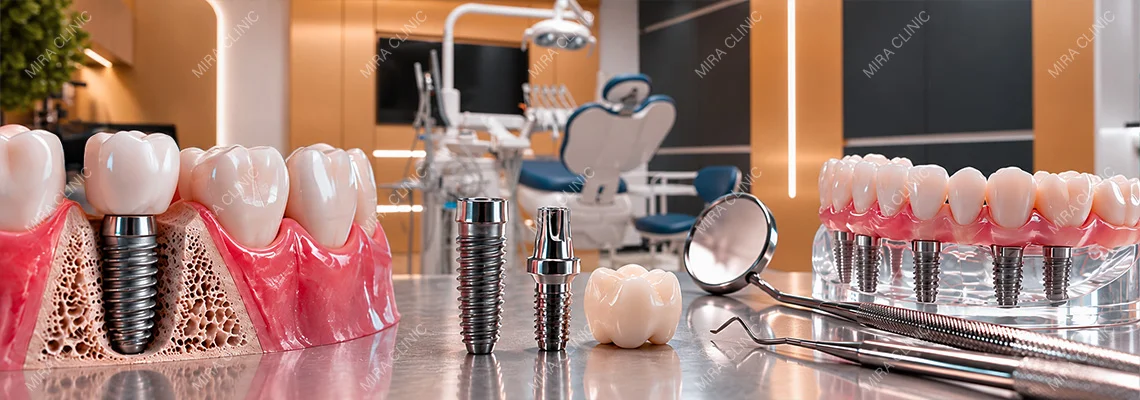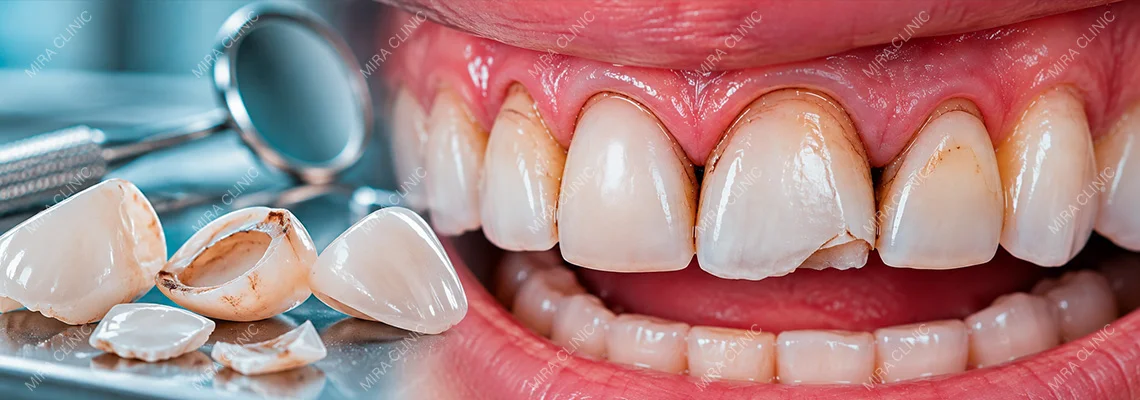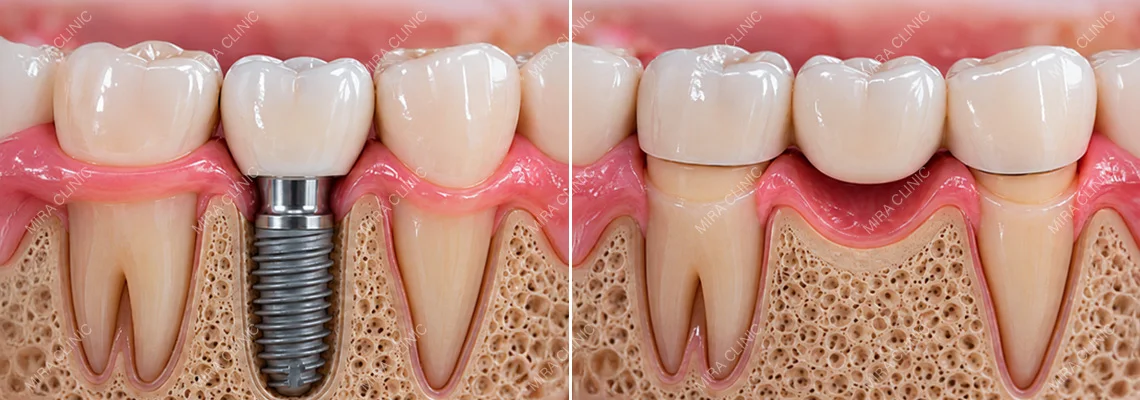
Dental implantation is a surgical procedure that involves placing a metal post resembling a screw into the jawbone to serve as a replacement for a missing tooth root. A synthetic tooth or crown is then affixed onto this post. Dental implantation is considered one of the most effective methods for replacing missing teeth, but it can encounter failures in some cases. In this article, we will shed light on the primary reasons for dental implant failure, their symptoms, and preventive measures.
Table of Contents:
The most common causes of dental implant failure
There are several reasons that can lead to the failure of dental implants, including:
-
Jawbone Recession: The jawbone must be strong and dense enough to support the implant. If the jawbone is weak or thin, the implant may not properly fuse with the bone. Severe gum diseases are among the significant causes of jawbone recession.
-
Improper Implant Selection: Various types of implants are available, each with its unique characteristics. The dentist should choose the implant that suits the patient's condition. For instance, individuals with jawbone recession might benefit from upper implants, known as subperiosteal implants.
-
Patient's General Health: Health issues like diabetes or high blood pressure can increase the risk of dental implant failure.
-
Nerve and Tissue Damage: Nerve or surrounding tissue damage during the implantation procedure can lead to implant failure.

Related articles:
-
Infections: Infections are a common cause of dental implant failure. Infections can occur if the patient doesn't follow post-operative instructions or if proper hygiene procedures are not observed during the procedure.
-
Smoking: Smoking increases the risk of implant failure as it hinders wound healing by reducing blood and oxygen flow to the mouth.
-
Gum and Bone Inflammation: Inflammation of the gums and bone around the implant is a prevalent cause of failure. This can happen if the patient doesn't follow post-operative instructions or if the dentist neglects necessary hygiene measures during the procedure.
-
Inadequate Dentist Selection: The lack of experience and skill in the implantation process can lead to failure. The dentist should have extensive expertise in dental implantation and employ the latest techniques and medical equipment.
Early implant failure symptoms
If you experience any of the following symptoms, it's essential to see a dentist promptly, as they might indicate dental implant failure:
-
Severe Jaw Pain: Continuous intense pain in the jaw area surrounding the implant can be a sign of implant failure.
-
Swelling: Noticeable swelling in the jaw around the implant could also indicate potential implant failure.
-
Bleeding at the Implant Site: Bleeding at the implant site after the procedure indicates a risk of implant failure and requires immediate dental attention.
-
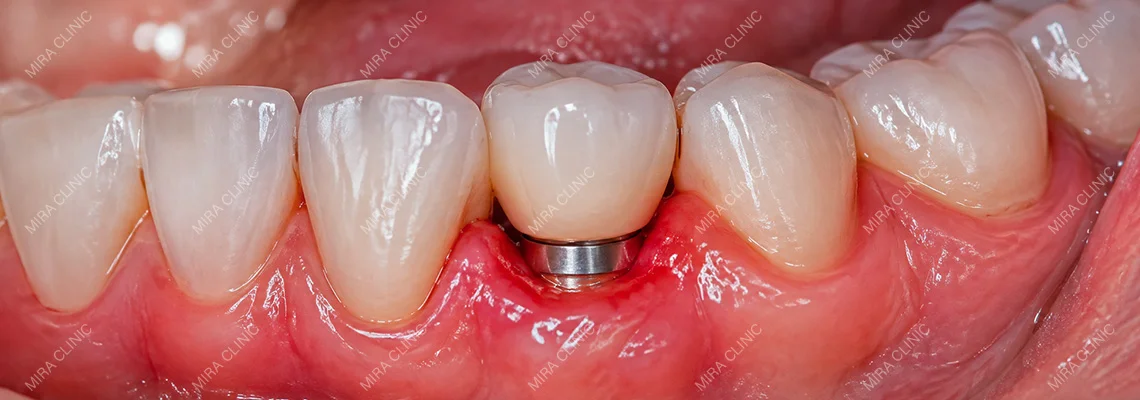
Redness Around the Implant: If the gum around the implant becomes red and swollen without improvement, it could be a symptom of implant failure.
-
Implant Mobility: In some cases, the implant might become loose after the procedure due to inadequate stability within the jawbone.
-
Implant Dislodgement: In certain instances, the implant might completely fall out, often due to improper fusion with the bone or infection in the surrounding area.
If you experience any of these symptoms, it's crucial to visit a dentist right away. In some cases, the implant might be salvageable, but if not, it may need to be removed and replaced.

How to Prevent Dental Implant Failure
There are several steps you can take to avoid dental implant failure:
-
Choose the Right Dentist: Selecting an experienced dentist specialized in dental implantation is crucial for success. Ensure the dentist has extensive experience, skill, and employs the latest techniques and medical equipment.
-
Pre-Operative Medical Examination: Patients should undergo a pre-operative medical examination to ensure they are in good enough health for the procedure.
-
Quit Smoking: Smoking significantly increases the risk of implant failure. Patients should stop smoking for at least a week before the procedure and at least two months afterward.
-
Follow Post-Operative Instructions: Patients should follow the dentist's instructions regarding oral hygiene and care after the procedure. Proper brushing, flossing, and using recommended mouthwash are essential for implant success. Patients should also avoid chewing hard foods for a period after the procedure.
-
Regular Dental Check-ups: Regular visits to the dentist after implantation are necessary to ensure the implant is functioning correctly. The dentist will examine the implant and ensure it is properly fused with the bone and that no issues are arising.
In general, dental implantation is a successful surgical procedure, but it's essential to be aware of the risks that could lead to implant failure. If you're considering dental implantation, discuss the potential risks and benefits with your dentist to make an informed decision.
Resources
- What to Know About Dental Implant Complications and Failure
- https://www.healthline.com/health/dental-implant-problems#success-factors
- The Etiology and Management of Dental Implant Failure: A Review
- https://www.ncbi.nlm.nih.gov/pmc/articles/PMC9674049/
- Dental implant surgery
- https://www.mayoclinic.org/tests-procedures/dental-implant-surgery/about/pac-20384622
- Risks Associated With Dental Implants
- https://www.webmd.com/oral-health/what-to-know-about-dental-implant-complications-risks