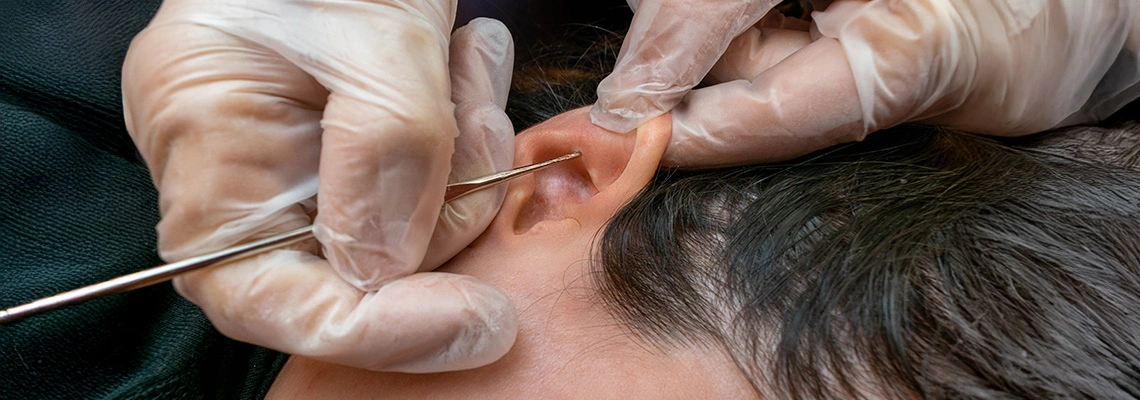
Ear pinning surgery in Turkey continues to be one of the most sought-after cosmetic procedures in 2026 for patients who wish to correct protruding or misshapen ears. Also known as otoplasty, this procedure permanently reshapes the ear cartilage to create a more balanced and natural appearance.
Whether performed for adults or children, ear pinning surgery can significantly improve facial harmony and self-confidence. Before exploring the procedure in detail, let’s address one of the most common concerns — cost.
- Ear Pinning Surgery Cost in Turkey (2026 Update)
- What Is Ear Pinning Surgery (Otoplasty)?
- Why Choose Ear Pinning Surgery in Turkey in 2026?
- How Is Ear Pinning Surgery Performed?
- Non-Surgical Alternatives to Ear Pinning
- Recovery After Ear Pinning Surgery
- Ear Pinning Surgery Before and After Results
- Ear Pinning Surgery in Istanbul at Mira Clinic
Ear Pinning Surgery Cost in Turkey (2026 Update)
How much does ear pinning surgery cost in Turkey in 2026?
Ear pinning surgery in Turkey typically costs between $1,500 and $2,000 in 2026. The final price depends on the surgeon’s expertise, clinic location, and the complexity of the correction required.
Turkey remains one of the most affordable destinations for otoplasty while maintaining internationally recognized medical standards.
Cost Comparison – Turkey vs UK vs USA (2026)
|
Country |
Average Cost (USD) |
|---|---|
|
Turkey |
$1,500 – $2,000 |
|
UK |
$4,000 – $6,000 |
|
USA |
$5,000 – $8,000 |
Turkey offers ear pinning surgery at significantly lower prices compared to the UK and USA in 2026.

What Is Ear Pinning Surgery (Otoplasty)?
Ear pinning surgery, medically known as otoplasty, is a cosmetic procedure designed to reshape, reposition, or reduce the size of the ears. It is most commonly performed to correct protruding ears, but it can also address structural irregularities.
The goal of ear pinning surgery is not to change the identity of the face, but to create proportion and balance.
Who Is a Good Candidate for Ear Pinning?
Ear pinning surgery may be suitable for:
- Individuals with prominent or protruding ears
- Patients with congenital ear deformities
- Adults or children over the age of 5 (when ear growth is largely complete)
- Individuals in good general health
Both children and adults commonly undergo otoplasty, especially when ear prominence causes social discomfort.
What Conditions Can Otoplasty Correct?
Protruding Ears
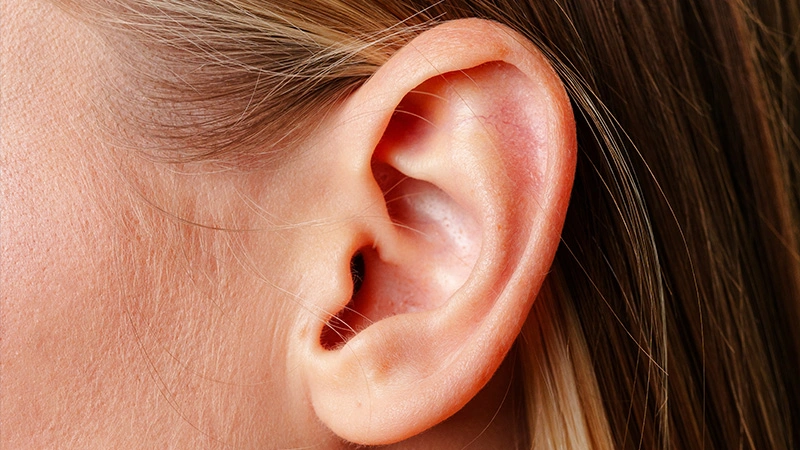
The most common reason for surgery. The ears extend outward more than usual due to underdeveloped folds.
Lop Ear
When the top of the ear folds downward.
Cup Ear
A smaller ear with a tight rim.
Enlarged Earlobes
Can be reshaped or reduced surgically.
Why Choose Ear Pinning Surgery in Turkey in 2026?
Turkey has become a global hub for cosmetic surgery due to:
- Experienced plastic surgeons
- Modern hospital facilities
- Regulated medical tourism infrastructure
- Competitive pricing compared to Western countries
Istanbul, in particular, is recognized for its concentration of board-certified surgeons and advanced cosmetic clinics.
How Is Ear Pinning Surgery Performed?
Ear pinning surgery is typically performed under:
- Local anesthesia (for adults)
- General anesthesia (commonly for children)
The procedure usually takes between 1.5 to 2 hours.
Step-by-Step Overview
Anesthesia
Ensures patient comfort during surgery.
Incision Placement
Small incisions are made behind the ear or within natural folds to minimize visible scarring.
Cartilage Reshaping
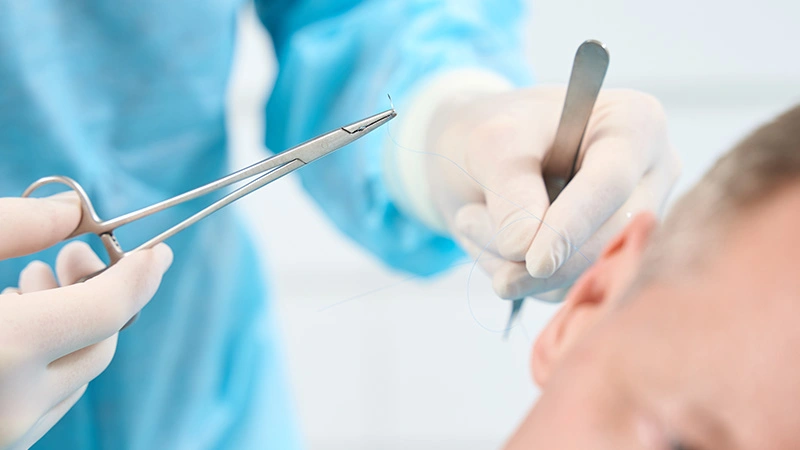
The surgeon reshapes or folds the cartilage using permanent sutures to reposition the ear closer to the head.
Closure
The incisions are closed carefully, and a protective bandage is applied.
Is ear pinning surgery permanent?
Yes. Ear pinning surgery provides permanent results because the cartilage is permanently reshaped and secured in its new position.
Non-Surgical Alternatives to Ear Pinning
Some patients explore less invasive options, although these are not suitable for all cases.
Ear Splints
Primarily effective for infants when cartilage is still soft.
Earfold Technique
A small implant inserted under local anesthesia to create a fold in the cartilage.
Dermal Fillers
Used in very specific cosmetic contouring cases, but not a true replacement for surgical otoplasty.
Surgical ear pinning remains the most predictable and permanent solution.
Recovery After Ear Pinning Surgery
Recovery is generally straightforward and well-tolerated.
First Week
- Mild swelling and bruising
- Head bandage worn for several days
- Pain controlled with medication
Sleeping Position
Patients should sleep on their back to avoid pressure on the ears.
Return to Work or School
Most patients resume normal activities within 7–10 days.
Sports & Physical Activity
Avoid contact sports and strenuous activity for approximately one month.
Final results become fully visible once swelling resolves, typically within several weeks.
Ear Pinning Surgery Before and After Results
Otoplasty produces noticeable yet natural-looking improvements.
Patients can expect:
- Reduced ear projection
- Improved facial balance
- Subtle, proportional correction
- Minimal visible scarring
Before-and-after photos help illustrate realistic expectations, but individual results vary depending on anatomy and surgical technique.
Ear Pinning Surgery in Istanbul at Mira Clinic
At Mira Clinic in Istanbul, ear pinning surgery is performed by experienced plastic surgeons using modern surgical techniques designed to ensure natural, balanced results.
Each patient receives:
- Personalized medical consultation
- Individualized surgical planning
- Post-operative follow-up care
Treatment plans are tailored based on anatomical structure and patient goals to ensure predictable and harmonious outcomes.