.jpg)
Many people accept hair transplant for their desire to restore their attractive appearance, but is hair transplant safe?Hair loss is a common problem, which can harm your appearance, psychological health and social life. You may feel isolated, anxious or embarrassed, especially when meeting the opposite sex. Hair loss can be caused by various factors, such as genetic factors, stress or some medical conditions. However, there is a solution that can improve your hair and your confidence: hair transplant. In this article, we will explain what hair transplant is and how it works.
Table of contents:
What is a hair transplant?
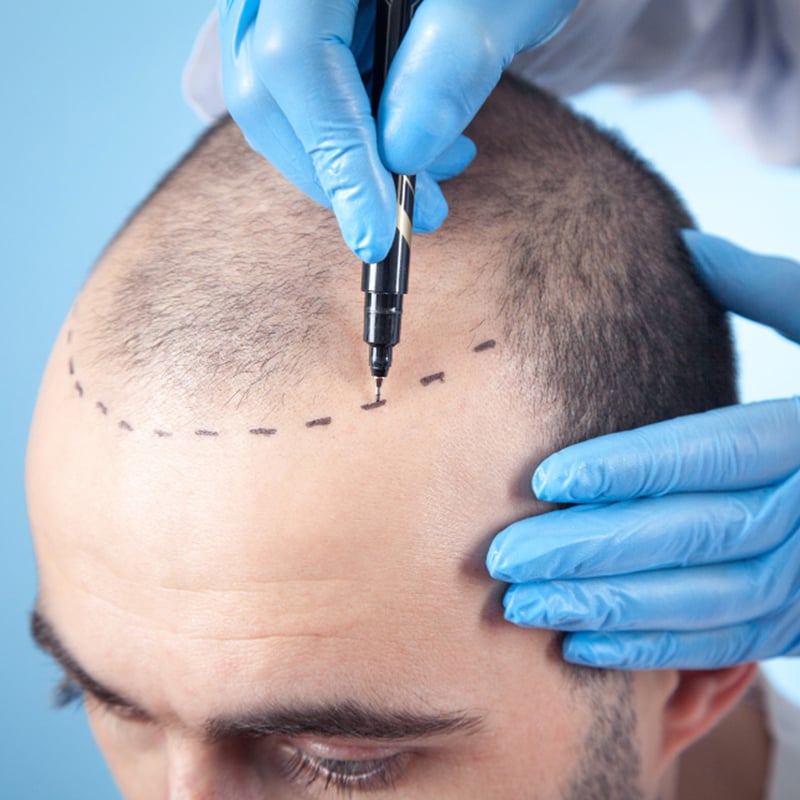
A hair transplant is a surgical procedure that involves moving hair follicles from one part of the scalp (the donor area) to another part where the hair is thinning or bald (the recipient area). There are two main techniques for hair transplant: follicular unit transplantation (FUT) and follicular unit extraction (FUE). In FUT, the surgeon removes a strip of skin with hair from the back of the head and divides it into small grafts, each containing a few hairs. In FUE, the surgeon uses a special device to extract individual hair follicles from the donor area. The grafts or follicles are then implanted into tiny incisions made in the recipient area.
Related articles:
Is hair transplant safe?
People usually worry about any surgical procedure, including cosmetic surgery, which is normal, as is a hair transplant. Many people coming to this procedure wonder how dangerous it is and if is it safe. Well, don't worry hair surgery is usually safe when performed by a qualified and experienced plastic surgeon, but it's important to know that the result is completely unpredictable.
Hair transplant side effects
Like any surgery, a hair transplant carries some side effects. The following may include:
-
Pain and swelling in the area where the hair was transplanted.
-
Scarring is in the form of a linear scar in the FUT technique or as small points in the FUE technique.
-
numbness.
-
Geriatrics
-
Loss of trauma, transplanted hair loss, or surrounding it temporarily.
-
Heterogeneous appearance of hair, or mismatch of hair color and texture.
-
Failure to obtain a satisfactory result, due to the differing response to such action between individuals.
We can assure you that most of these side effects are temporary, may be mild but must occur, and can be managed with medication, appropriate care, and follow-up visits, yet some may be permanent and require additional treatment.
Is a hair transplant painful?
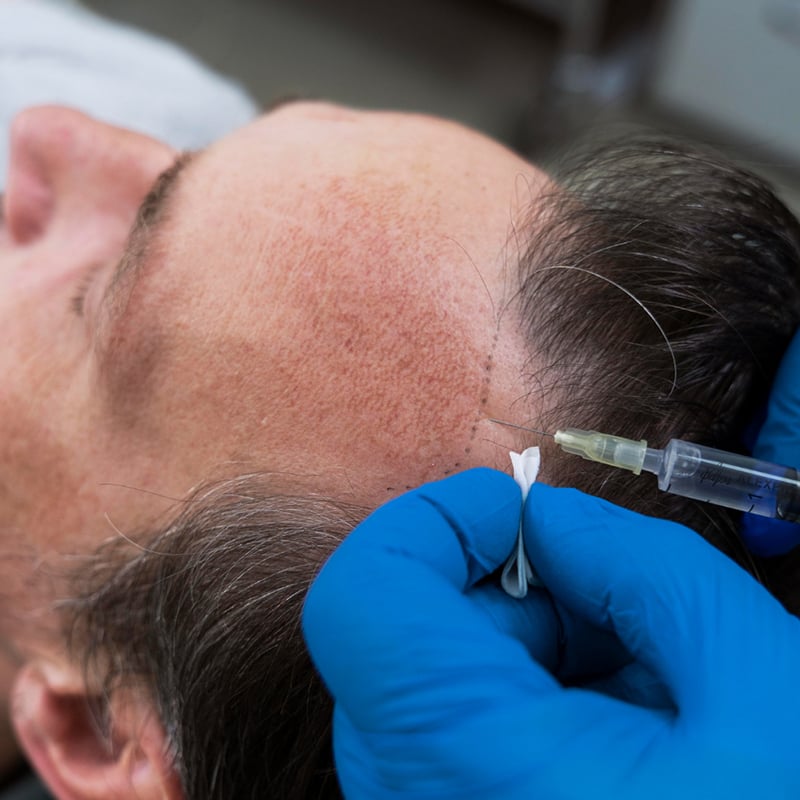
During surgery, you will be under local anesthetic and this means that you will not feel pain during the procedure, but you may feel a little discomfort or pressure when your surgeon makes cracks or extracts grafts.
After surgery you will feel some pain in the area where the hair was transplanted, but it is a potential pain and you can control and relieve it using painkillers prescribed by the doctor.
It is worth mentioning that you will feel a little itchy in the wound-healing phase, so you need to be wary of itching or touching it to avoid infection or scarring.
Hair transplant success rate
Most people will notice 60% new hair growth after 6-9 months of surgery. The average survival rate of transplanted hair is about 85% to 95% after one year. However, this may vary from person to person so it differs between the sexes, and some patients may need more than one session to obtain the results they aspire to.
Bearing in mind that the nature of transplanted hair may change over time either due to aging or hormonal changes, it is unlikely that total loss will occur.
The success rate of hair transplant depends on several factors, such as:
-
Surgeon skill and medical team experience.
-
Quality and quantity of donated hair.
-
Extent and pattern of hair loss.
-
The health and lifestyle of the patient.
-
Care and follow-up after hair transplant.
Is hair transplant safe in Turkey?
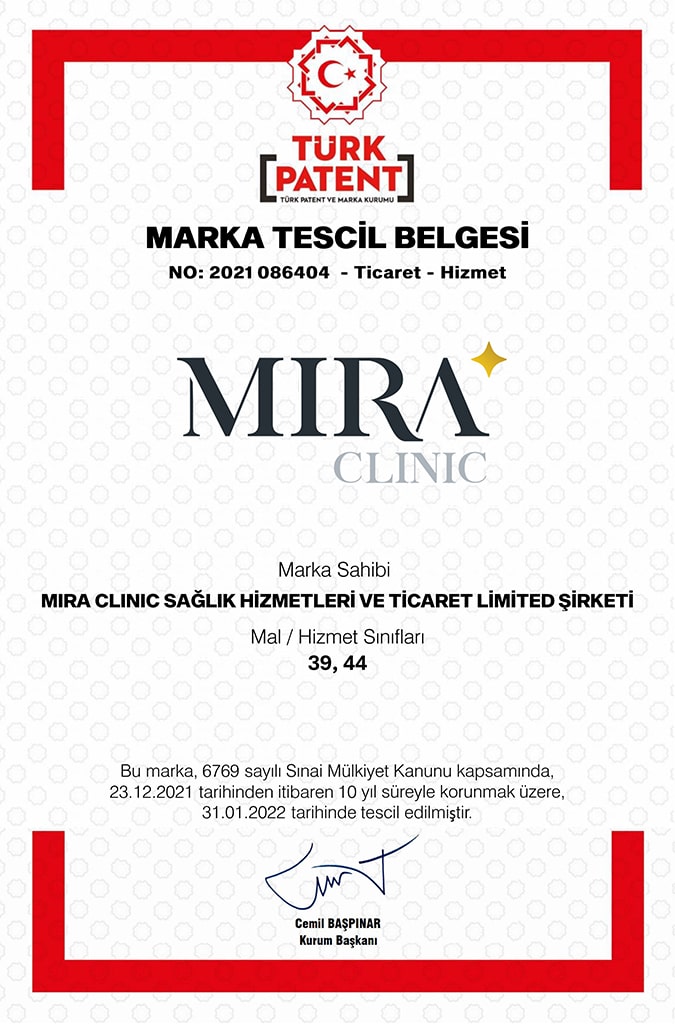
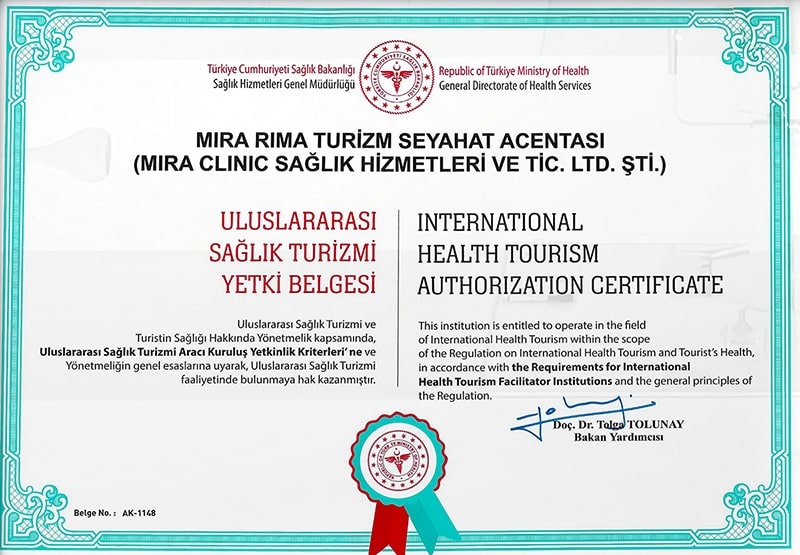
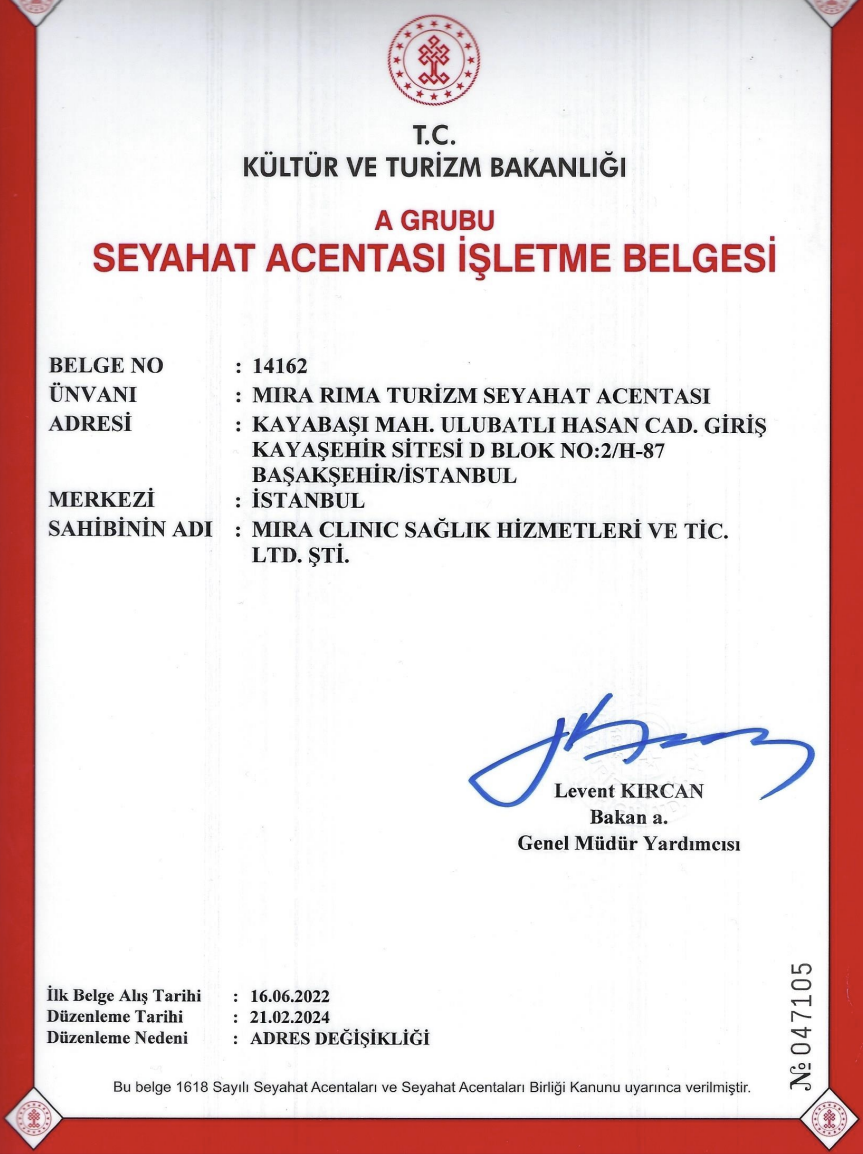
Turkey attracts thousands of patients every year for hair transplants, for several reasons, the most important of which is the low cost of hair transplants in Turkey compared to other countries without compromising quality. Most hospitals and clinics use advanced equipment and techniques. Most surgeons are accredited by international organizations and have extensive experience in the field.
Although Turkey has strict hair transplant standards and regulations, not all hair transplant clinics in Turkey are reliable or reputable.
Therefore, when looking for a clinic or hospital, it is important to meet the following criteria:
-
Licensed and accredited by the Turkish Ministry of Health.
-
It includes experienced surgeons with certificates from prestigious institutions.
-
Enjoying a good reputation, it has reviews of former patients.
-
Uses the latest technical equipment
-
Has a guarantee policy in the event of complications or fares in the event of dissatisfaction with the result.
-
has comprehensive services, including detailed consultation, evaluation, and follow-up
Hair transplant at Mira clinic in Istanbul, Turkey
Mira Clinic is a leading and reputable clinic with ten years of experience, offering high-quality and affordable hair transplant services to patients from all over the world. Mira Clinic has the following advantages:
-
It includes a team of highly skilled and experienced surgeons, who performed a lot of successful hair transplants using the latest techniques such as FUE and DHI to grow scalp hair, beard, and eyebrows.
-
It has a modern and comfortable facility, equipped with the latest technology and hardware.
-
It has friendly and professional staff who speak several languages and provide excellent customer service and support.
-
It has a competitive and comprehensive price covering surgery, medication, accommodation, transportation and aftercare.
Sources:
- Hair transplant in Turkey 2023
- https://www.mira-clinic.net/ar/service/-%D8%B2%D8%B1%D8%A7%D8%B9%D8%A9-%D8%A7%D9%84%D8%B4%D8%B9%D8%B1
- Hair transplant
- https://www.nhs.uk/conditions/cosmetic-procedures/cosmetic-surgery/hair-transplant/
- Hair transplant: what to expect
- https://www.webmd.com/skin-problems-and-treatments/hair-loss/hair-transplants