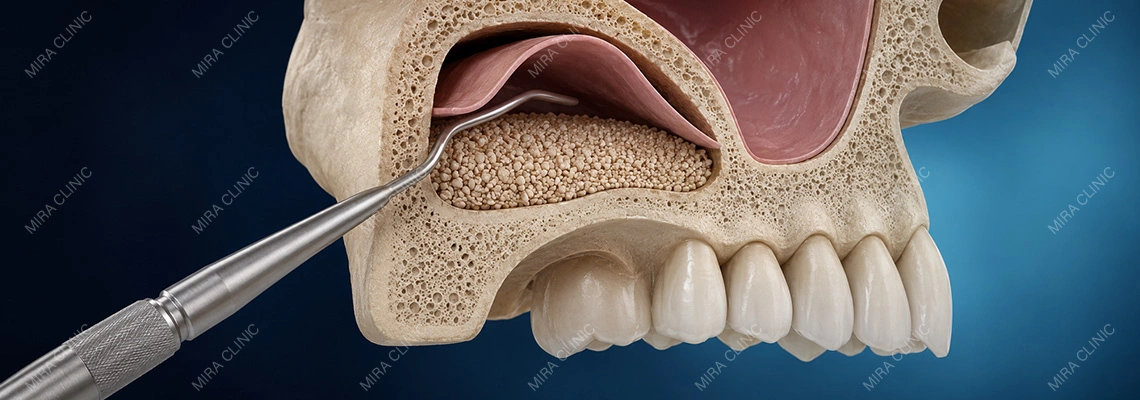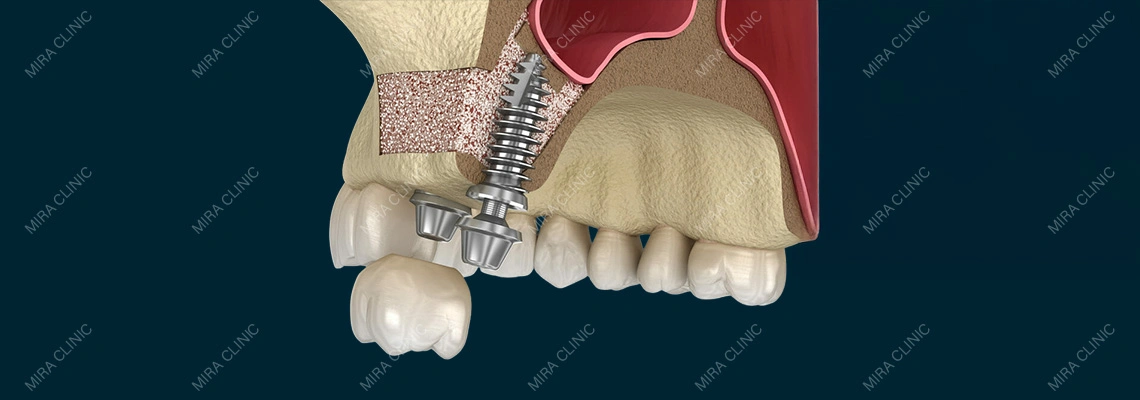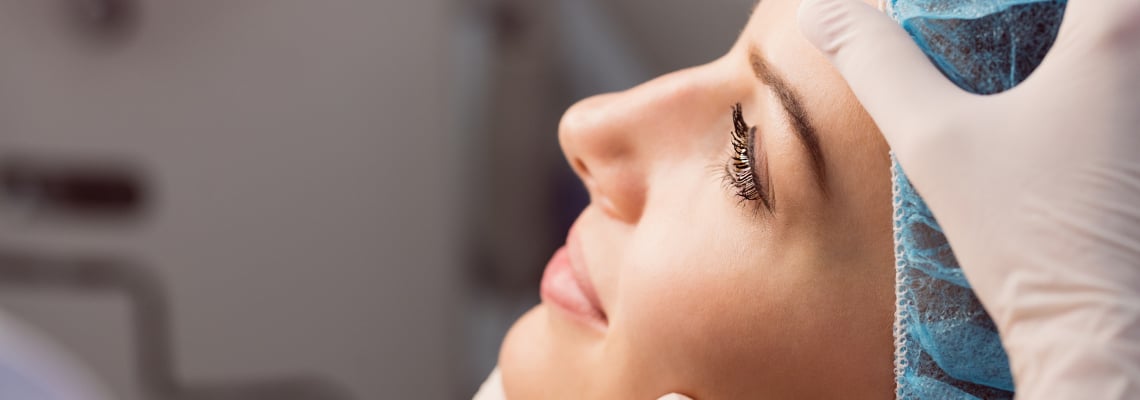
Learn about Rhinoplasty Recovery! Rhinoplasty or a nose job is a cosmetic surgery that aims to adjust nose structures to improve their functions and shape. The changes in the nose can include changes in the size, shape, or proportions of the bony structures, cartilages, and the skin over the area. Although it is a simple procedure it requires high precision and experienced care providers. This article discusses the recovery issues related to rhinoplasty.
Table of contents:
- How long does it take to recover from a nose job?
- How long after Rhinoplasty will I see results?
- What is the success rate of Rhinoplasty?
- How often does a nose job fail?
- How long does the pain last after Rhinoplasty?
- What if I sneeze after Rhinoplasty?
- How long do you wear a splint after Rhinoplasty?
- Can a nose job change your face?
- Rhinoplasty recovery tips
How long does it take to recover from a nose job?
Rhinoplasty recovery time varied according to many factors such as the medical condition of the patient and type of the tissue modification that occurred. As a result, the healing period of a nose job can extend from a few weeks to many months. The case usually improves gradually from the first week, so after one to three weeks, patients can return to their daily activity in most cases. Nevertheless, Some symptoms such as swelling and numbness could take a year to fully disappear so the patient can notice the final result of the surgery.
Related articles
How long after rhinoplasty will I see results?
The results in the case of a nose job can only be determined after the symptoms of the surgery decline. Rhinoplasty results usually appear within a few months to one year after the surgery. In some cases, the final results do not go along with the expectation of the patient. In such cases, another surgery can be done to obtain the desired results.
What is the success rate of Rhinoplasty?
The success rate of a nose job depends largely on the experience and specialization of the care providers. Generally, Rhinoplasty considers having a high success rate that can be more than 80%. As the revision rate in a cosmetic nose job procedure does not exceed 10-15 percent.
How often does nose job fail?
Ten to fifteen percent of the cases that undergo rhinoplasty may consider medical revision to correct the surgery. Such failure can result from many causes such as:
● Permanent damage to the nose structure like nerves.
● Lack of harmony between the nose and other facial structures
● The cosmetic results of the surgery do not comply with the patient's standards.
● The prolonged recovery period, or a symmetrical healing process.
If the patient needs a correction surgery, they must wait until the area of the procedure is healed completely before having a second operation.
How long does the pain last after Rhinoplasty?
Rhinoplasty pain after surgery can extend from the nose to the area of the eyes combined with swelling and numbness. In some cases, discoloration also appears around the eyelids. Pain after rhinoplasty with the other symptoms fades in a few weeks. Rarely such signs can take a few months to heal.
What if I sneeze after Rhinoplasty?
This is one of the most common questions after a nose job. Many surgeons refrain their patients from blowing in the first weeks. Nevertheless, refraining the patient from sneezing or coughing is almost unreal. In that case, taking care during sneezing is recommended. Keeping the mouth open decreases the pressure that can affect the nasal passage and cause blowing. Blowing after a nose job not only causes pain but also can trigger bleeding and swelling and affect the results of the surgery.
How long do you wear a splint after Rhinoplasty?
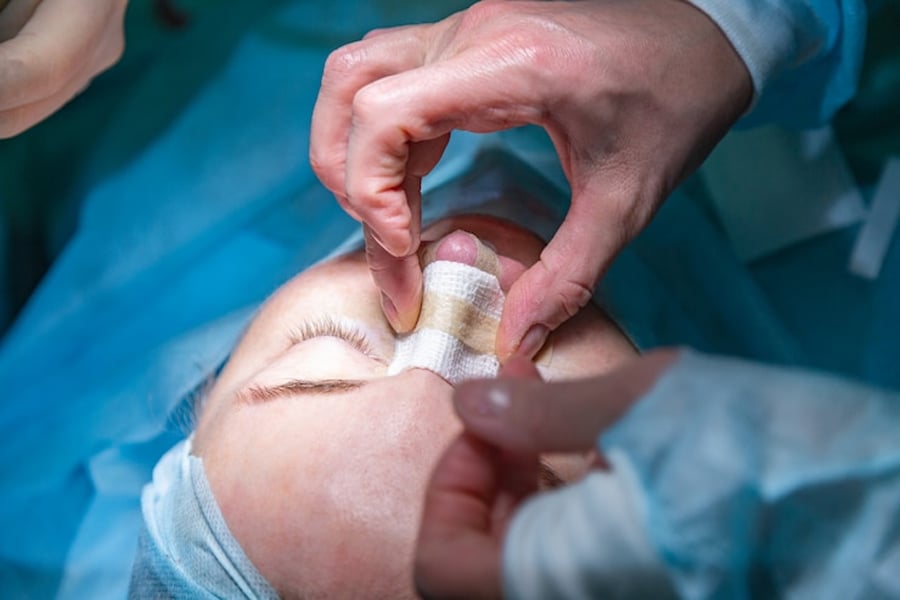
Changing the nasal structures needs retainers to stabilize the new shape and keep the results of the surgery. In the case of a nose job doctors usually place nose splints, particularly during the first week after rhinoplasty. Patients wear nose splints that can be made of plastic or metal to fix the nasal septum through the recovery period. Besides the splints, nasal packs can also be placed inside the nostrils.
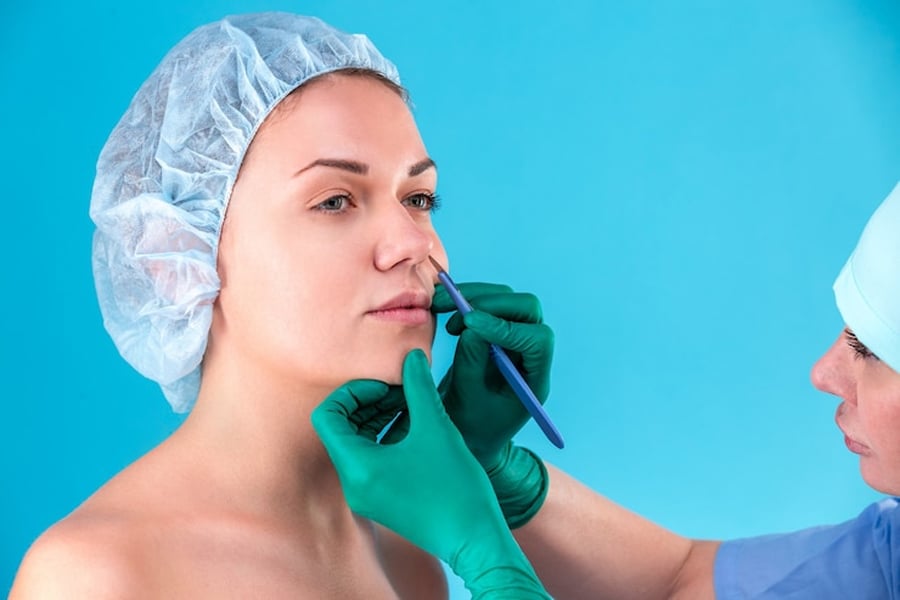
Can a nose job change your face?
There is no doubt that any cosmetic procedure on the face will change the shape, so rhinoplasty is not an exception. Whether the surgery involved the bone, cartilage, or skin, the general proportion of the face structures will be affected. The most common changes of the face by rhinoplasty are:
● changing the nasal septum irregularities.
● correcting nose abnormalities or malformation.
● improving breathing by opening the passages.
● treating the shape after injuries or accidents.
● changing the size of the nose.
● reshaping the nose tip.
Rhinoplasty recovery tips:
The recovery tips during the healing period are quite important to have stable results for a nose job. The main medical advice to follow in the first weeks are:
1. Following the surgeon's instructions and wearing nose splints in the first week.
2. Excepting post-surgical symptoms will help in a better treatment of these symptoms.
3. Swelling and bruising can appear in the first weeks and decrease gradually with time.
4. It is recommended to retain the head elevated during sleep in the first days.
5. Avoiding any strenuous activities or sports like swimming or running.
6. Take care while wearing clothes, do not press over the nose.
7. Trying not to blow the nose as it can cause bleeding.
8. Avoiding sun exposure as much as possible to diminish the discoloration.
9. Facial expressions, excessive chewing, or tooth brushing can also affect the result of the procedure.
Resources:
- Rhinoplasty
- Rhinoplasty: Reasons, Procedure and Recovery (healthline.com)
- Cosmetic Surgery for the Nose
- Rhinoplasty Surgery (Nose Job): Purpose, Procedure, Risks, Recovery (webmd.com)
- Rhinoplasty
- Rhinoplasty - Mayo Clinic