Laparoscopic gastric sleeve surgery in Turkey offers a cutting-edge solution for patients struggling with obesity. With advanced techniques and highly skilled surgeons, Turkish clinics provide a safe and effective environment for this weight loss procedure. The minimally invasive approach reduces recovery time and minimizes risks. Turkey has become a sought-after destination for patients worldwide seeking a proven method to achieve their weight loss goals.
Table of contents:
- What is Endoscopic sleeve gastroplasty?
- Who is the right candidate for Endoscopic sleeve gastroplasty?
- How is Endoscopic sleeve gastroplasty done?
- What can you expect after endoscopic sleeve gastroplasty?
- Endoscopic sleeve Gastroplasty vs gastric sleeve: Is ESG better than gastric sleeve?
- How long does endoscopic sleeve gastroplasty last?
- Endoscopic sleeve gastroplasty side effects
- How painful is endoscopic sleeve gastroplasty?
- What is the success rate of endoscopic sleeve gastroplasty?
- What is Endoscopic sleeve gastroplasty Turkey's price?
- Why should endoscopic sleeve gastroplasty be used in Turkey?
- Endoscopic sleeve gastroplasty before and after
What is Endoscopic sleeve gastroplasty?
Laparoscopic gastric sleeve surgery is a minimally invasive procedure that involves reducing the stomach's size by up to 80%. This is achieved through small incisions in the abdomen using a laparoscope equipped with a camera and specialized instruments. By restricting food intake, the procedure helps patients with severe obesity lose weight and improve their overall health. It is considered a safe and effective alternative to traditional weight loss surgery.
Related articles:
- Gastric Sleeve Surgery in turkey 2024
- Gastric bypass surgery in Turkey
- Sleeve gastrectomy vs gastric bypass: safety, surgical intervention, recovery time, and success rate
Who is the right candidate for Endoscopic sleeve gastroplasty?
Laparoscopic gastric sleeve surgery is suitable for patients who meet the following criteria:
-
Patients with a body mass index (BMI) of 40 or greater.
-
Patients with a BMI of 35 or greater who have obesity-related comorbidities such as diabetes or hypertension.
-
Individuals who have tried and failed to lose weight through diet and exercise.
-
Patients with stable psychological health, as the procedure requires a lifelong commitment to lifestyle changes.
-
Patients who understand the risks and benefits of the surgery and are committed to long-term lifestyle changes.
-
Individuals between the ages of 18 and 65.
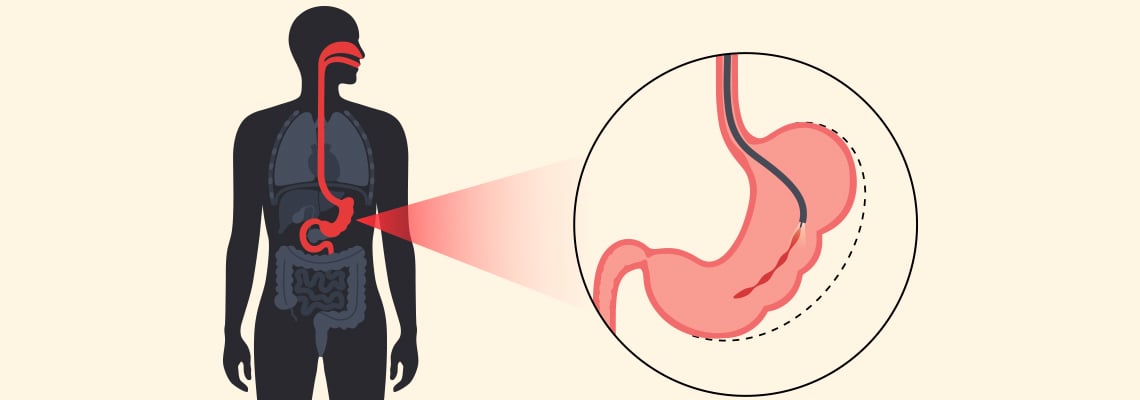
How is Endoscopic sleeve gastroplasty done?
The endoscopic sleeve gastroplasty procedure consists of several meticulous steps carried out to improve patient health and aid in weight loss. These steps include:
-
Anesthesia: You will be placed under general anesthesia during the procedure. This means that you will be unconscious and unable to feel pain during the surgery.
-
Endoscope Insertion: A flexible tube called an endoscope, equipped with a camera and a suturing device, is inserted through your mouth and down your throat into your stomach. The endoscope is about the thickness of your pinky finger and is made of soft, flexible material. It is inserted through your mouth and down your throat into your stomach. The endoscope is equipped with a tiny camera and a light source that allows the surgeon to see inside your stomach.
-
Suturing: The surgeon uses the suturing device to place stitches along the length of your stomach, creating a smaller pouch. The stitches are made of a special type of dissolvable thread that will eventually dissolve on its own. The suturing process takes about 30 minutes.
-
Completion: Once the suturing is complete, the endoscope is removed, and the procedure is finished. You will be monitored in a recovery room for a few hours before being discharged home.
The entire procedure typically takes about 90 minutes. After the procedure, you will be monitored in a recovery room for a few hours before being discharged home.
What to expect after Endoscopic sleeve gastroplasty?
Here are some of the things you can expect after endoscopic sleeve gastroplasty (ESG):
-
Weight loss: You can expect to lose a significant amount of weight after ESG. The amount of weight you lose will depend on your individual circumstances.
-
Improved health: ESG can help to improve your overall health by reducing your risk of obesity-related health problems, such as diabetes, heart disease, and stroke.
-
Improved quality of life: ESG can help you to feel better about yourself and your appearance. It can also help you to be more active and enjoy a healthier lifestyle.
_1732188220.jpg)
Endoscopic sleeve Gastroplasty vs gastric sleeve: Is ESG better than gastric sleeve?
Laparoscopic sleeve gastrectomy and gastric bypass surgery are two distinct weight loss procedures, each with its own unique approach and outcomes. Here’s a breakdown of the key differences:
Procedure:
-
Sleeve gastrectomy: Involves removing a significant portion of the stomach, reducing its size into a tube-like shape.
-
Gastric bypass: Creates a smaller stomach pouch and bypasses a portion of the small intestine, altering the digestive process.
Technique:
-
Sleeve gastrectomy: Typically performed laparoscopically, using small incisions and specialized instruments.
-
Gastric bypass: Can be performed open or laparoscopically, and may involve larger incisions depending on the technique.
Weight loss:
-
Sleeve gastrectomy: Primarily restricts food intake by reducing stomach capacity, leading to earlier feelings of fullness.
-
Gastric bypass: Combines restriction and malabsorption, as it alters the body's absorption of nutrients and hormones related to hunger and satiety.
Risks:
-
Sleeve gastrectomy: Generally considered to have a lower risk profile, with fewer long-term complications compared to gastric bypass.
-
Gastric bypass: May be associated with a higher risk of certain complications, such as nutritional deficiencies and dumping syndrome.
Recovery:
-
Sleeve gastrectomy: Patients often experience a faster and easier recovery due to the less invasive nature of the procedure.
-
Gastric bypass: Recovery time may be longer, and patients may need to make more significant dietary adjustments
How long does endoscopic sleeve gastroplasty last?
The procedure itself typically takes about 60-90 minutes. After waking up from anesthesia, you can usually go home the same day.
Endoscopic sleeve gastroplasty side effects
Here are some of the potential side effects of endoscopic sleeve gastroplasty (ESG):
-
Pain and discomfort in the abdomen
-
Nausea and vomiting
-
Heartburn
-
Gas and bloating
-
Difficulty swallowing
-
Fatigue
How painful is endoscopic sleeve gastroplasty?
Have more pronounced pain and nausea for a few days afterward. These side effects are often manageable with over-the-counter (OTC)
Sources and related content.
What is the success rate of endoscopic sleeve gastroplasty?
The success rate of endoscopic sleeve gastroplasty (ESG) is high, ranging from 80% to 90%. Patients' desires to lose weight are realized and maintained in the long term. This is due to a number of factors, including:
-
The effectiveness of the procedure in reducing stomach size and limiting food intake.
-
The long-lasting nature of the procedure means that patients can continue to lose weight and maintain their weight loss over time.
What is endoscopic sleeve gastroplasty at the Turkish price?
The cost of endoscopic sleeve gastrectomy in Turkey can vary between $3,000 and $7,000, depending on several factors. These include the specific clinic or hospital, the surgeon's expertise and reputation, the geographical location, and the extent of services included, such as pre-and post-operative consultations and accommodation.
Why should endoscopic sleeve gastroplasty be used in Turkey?
Endoscopic sleeve gastrectomy has become a highly sought-after surgical procedure for obesity management in Turkey. Several factors contribute to Turkey's prominence as a destination for this procedure, including:
-
Affordability: Turkey offers competitive prices for endoscopic sleeve gastrectomy compared to Western countries.
-
Quality: Turkish healthcare facilities are equipped with modern technology and staffed by experienced surgeons.
-
Medical tourism: Turkey combines medical treatments with tourism, providing patients with a unique experience.
-
Advanced techniques: Laparoscopic surgery is widely used, offering minimal invasiveness and faster recovery.
-
Comprehensive services: Packages include pre-and post-operative care, nutrition counseling, and accommodation.
_1732188143.jpg)
Endoscopic sleeve gastroplasty before and after
If you're considering endoscopic sleeve gastrectomy, don't hesitate to contact Mira Clinic for a free online consultation.
Sources:
- What to Know About Gastric Sleeve Weight Loss Surgery
- https://www.healthline.com/health/gastric-sleeve
- What Is Gastric Sleeve Weight Loss Surgery?
- https://www.webmd.com/obesity/what-is-gastric-sleeve-weight-loss-surgery
- Gastric sleeve
- https://www.mayoclinic.org/ar/tests-procedures/sleeve-gastrectomy/about/pac-20385183
- How weight loss surgery is done
- https://www.nhs.uk/conditions/weight-loss-surgery/how-its-done/