Having a gap between your teeth can be a source of self-consciousness for many people. While braces are a popular option for closing gaps, there are other effective alternatives available. This article will explore the causes of teeth gaps, the importance of closing them, and various methods to achieve a more aesthetically pleasing smile without bracing.
Table of contents:
What causes gaps in teeth?
Several factors can contribute to the development of gaps between teeth. These include:
-
Genetics: Hereditary factors can play a significant role in determining the spacing between teeth. For example, if your parents or other family members have gaps in their teeth, you may be more likely to develop them as well.
-
Missing teeth: When a tooth is lost due to injury, decay, or extraction, the adjacent teeth may shift and create gaps. This is because the teeth are no longer supported by their neighboring teeth.
-
Habits: Thumb-sucking or nail-biting during childhood can affect the alignment of teeth. These habits can pressure the teeth and jaw, causing them to grow abnormally.
-
Jaw development: Abnormal jaw growth can lead to misalignment and gaps. This can occur if the upper and lower jaws are not properly aligned, or if the jawbones grow at different rates.
-
Crowding: If there is not enough space for all of your teeth to fit properly, they may become crowded and push against each other, creating gaps. This can be caused by a variety of factors, including genetics, missing teeth, and habits.
-
Gum disease: Gum disease can cause the gums to recede, which can expose the roots of the teeth. This can lead to gaps between the teeth, as well as other dental problems.
-
Tooth wear: Over time, teeth can wear down due to normal use or certain habits, such as grinding your teeth at night. This can create gaps between the teeth, especially if the teeth are not properly aligned.
Related articles:
Why is it important to close teeth gaps?
Beyond aesthetic concerns, closing teeth gaps can offer several significant benefits for your overall well-being. Here are some of the key reasons why it's important to address this issue:
-
Improved oral health: Gaps can make it difficult to clean teeth thoroughly, increasing the risk of gum disease and tooth decay. Bacteria can accumulate in these spaces, leading to inflammation, infection, and even tooth loss. By closing the gaps, you can improve your oral hygiene and reduce the risk of these problems.
-
Enhanced speech: Gaps can affect pronunciation and clarity of speech. When teeth are properly aligned, it's easier to produce clear and understandable sounds. This can improve your communication skills and confidence in social situations.
-
Boosted self-esteem: A more aesthetically pleasing smile can positively impact self-confidence and overall well-being. Having a smile that you're proud of can help you feel more confident and attractive.
-
Reduced risk of jaw joint problems: Misaligned teeth can put stress on the jaw joint, leading to pain, discomfort, and other problems. Closing the gaps can help to reduce this stress and improve the overall health of your jaw joint.
-
Improved chewing function: Gaps can make it difficult to chew food effectively, leading to digestive problems. When teeth are properly aligned, it's easier to bite and chew food, which can improve your digestion and overall health.
Can you close a teeth gap without braces?
Yes, it is possible to close gaps between teeth without braces using various methods such as dental fillings, veneers, crowns, and others. The choice of the appropriate method for closing gaps without braces depends on the condition of the teeth and the size of the gaps. Dentists resort to these methods when the gaps are small or for cosmetic reasons. Therefore, it is essential to consult an experienced dentist in this field to determine the suitable method. Additionally, it is crucial to choose a reputable clinic known for achieving excellent results from this procedure.
_1730199142.jpg)
What are the common ways to close a gap in your teeth without braces?
There are several popular options to fill those gaps in your smile! Here are some of the most common methods:
-
Dental bonding: is a versatile cosmetic procedure used to repair minor tooth imperfections, including gaps between teeth. It involves applying a composite resin material directly to the affected tooth, shaping it, and curing it with a special light.: For smaller gaps, cosmetic fillings are a great choice. Made from materials like composite resin, these fillings can be color-matched to blend seamlessly with your natural teeth.
-
Dental Veneers: If you're looking for a more aesthetic solution without traditional braces, dental veneers are worth considering. These thin porcelain shells are placed over the front of your teeth to improve their appearance and close any gaps.
-
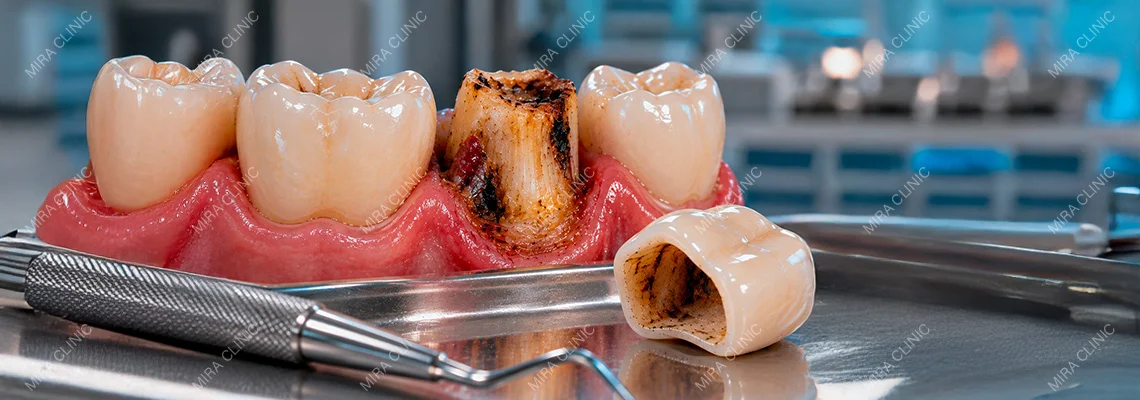
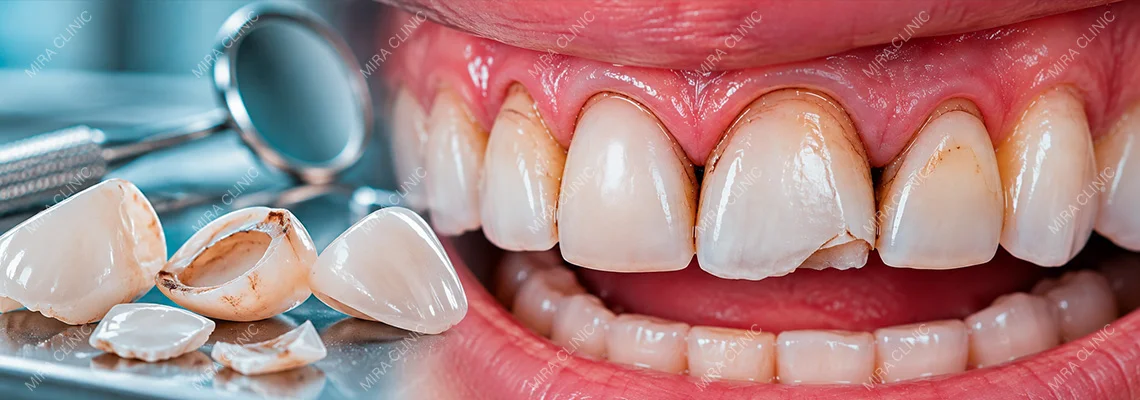
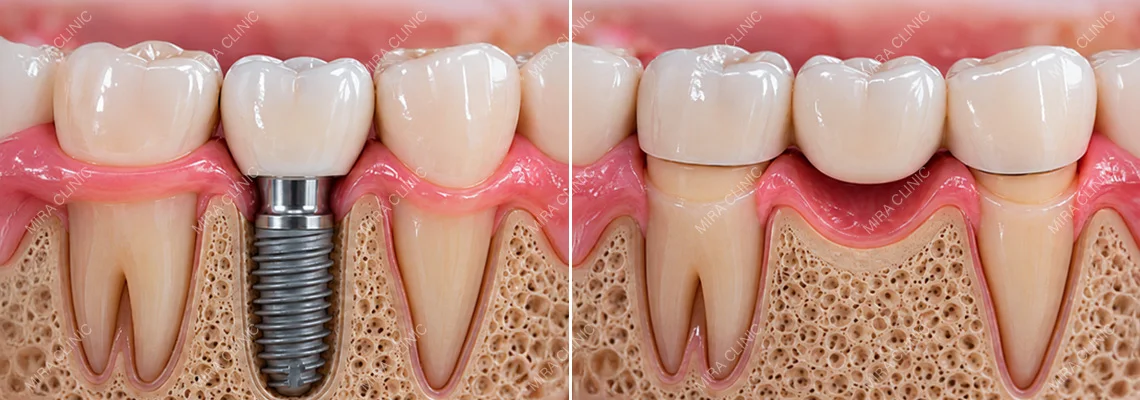
Dental Crowns: When gaps are caused by missing teeth, dental crowns can be a fantastic solution. Crowns cover damaged or broken teeth, restoring their function and protecting them from further damage.
-
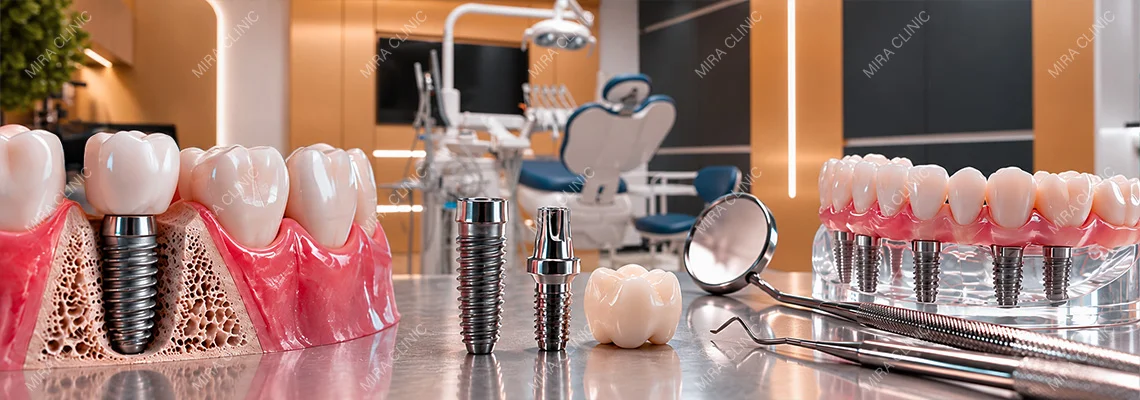
Dental Implants: For a more permanent and natural-looking solution to missing teeth, dental implants are often the best choice. An implant is a small titanium post that is surgically placed into your jawbone, providing a strong foundation for a replacement tooth.
What is the Cheapest Way to Close a Gap in Teeth?
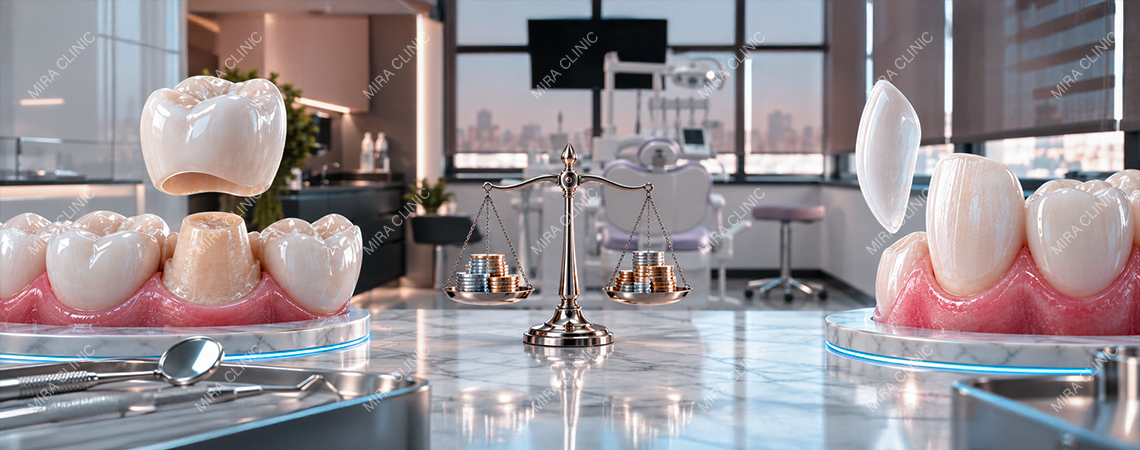
When considering teeth gap filling cost, dental bonding is often considered the most affordable option for closing gaps in teeth. However, the exact cost can vary depending on several factors, including:
-
The size of the gap: Larger gaps may require more material and time, increasing the cost.
-
The complexity of the case: If there are other dental issues involved, such as decay or gum disease, the overall cost may be higher.
-
The dentist's fees: Different dentists may charge varying rates for dental bonding procedures. It's essential to get quotes from multiple dentists to compare prices and find the best deal.
What is the best way to close a gap in teeth?
The best way to close a gap in your teeth will depend on a variety of factors, including the size of the gap, the underlying cause, and your individual preferences. Here are some key considerations:
-
Size of the gap: Smaller gaps may be suitable for dental bonding or veneers, while larger gaps may require crowns or dental implants.
-
Underlying cause: If the gap is caused by a missing tooth, dental implants may be the best option. If the gap is due to misalignment, orthodontic treatment may be necessary.
-
Your goals: Consider your overall dental health, aesthetic preferences, and budget when making a decision.
-
Recommendations from your dentist: Your dentist will be able to evaluate your specific situation and recommend the most appropriate treatment option for you.
Mira Clinic in Istanbul offers a wide range of effective treatments to close teeth gaps and transform your smile. Our experienced dentists will provide personalized recommendations tailored to your specific needs and goals. Don't let gaps hold you back any longer. Schedule a consultation today and discover the life-changing benefits of a beautiful, confident smile.
_1730199188.jpg)