The majority of people are afraid of aging symptoms, which can only be avoided by taking the appropriate steps. However, a lot of individuals avoid having surgery to restore their youth because they are terrified of scalpels. Today, people who want to regain their young appearance without incurring any risks can use the cutting-edge fibroblast plasma therapy.
contents
- What is the fibroblasts' treatment?
- Why do people adopt fibroblast technology?
- Who would be good candidates for fibroblast treatment?
- What benefits does fibroblast skin tightening offer?
- What adverse effects are related to this therapy?
- How is fibroblast therapy carried out?
- What advice is given for aftercare following treatment?
- Are the effects of this process long-lasting?
- What is the price of fibroblast?
What is the fibroblasts' treatment?
A non-surgical cosmetic skin tightening process for flawless face rejuvenation, fibroplast, or soft surgery as it is often called, uses plasma instead of surgery to shrink, tighten, and decrease superfluous loose skin.
You can anticipate the same outcomes from this procedure as you would from surgery.
The most popular method for treating fibroblasts is:
- Font rows
- Eyelid shield
- Eyes beneath the bags
- Neck lines and lines around the eyes
- Cigarette lines (Miniature vertical lines that start at the top of the upper lip and ascend to the nose)
- The nasolabial fold
- As the mouth is elevated, lines develop
- The surgical scar left by the caesarean section
- The body's stretch marks
- Skin conditions like moles or warts
- Age stains (They are flat, black patches of skin. They come in different sizes and commonly manifest on skin that has been exposed to the sun, such as the hands, face, shoulders, and arms.)
Who would be good candidates for fibroblast treatment?
In general, everyone can use this treatment. However, the following problems may occasionally prevent doctors from advising this procedure:
The fibroblast treatment is unsuitable for pregnant or nursing women, just like any other cosmetic operation.
It is not advised for persons with very dark skin since there is a larger chance of developing dark spots or bright spots following treatment. Not all dark skin types are suited for this technique.
There should be no history of hypo- or hyperpigmentation in the individual.
The candidate cannot be tanned or have a sunburn.
What benefits does fibroblast skin tightening offer?
Numerous benefits of fibroblast therapy include:
- fair price, natural outcomes
- Results are immediately apparent.
- neither a cut nor a stitch
- promoting collagen synthesis
- Surgery and anesthesia have no dangers attached.
- very few anticipated negative effects
- Almost no negative consequences
- promoting collagen synthesis
What are the side effects associated with this treatment?
Although the fibroblast technique is safe if performed by a certified doctor, some minor side effects may occur in the week following the procedure.
Small carbon scales appear in the treated area that will fade within a week. Swelling in the eye area is expected if the treatment that was done was to treat the upper eyelid.
You should follow your doctor's aftercare instructions to avoid any severe side effects.
How is fibroblast therapy carried out?
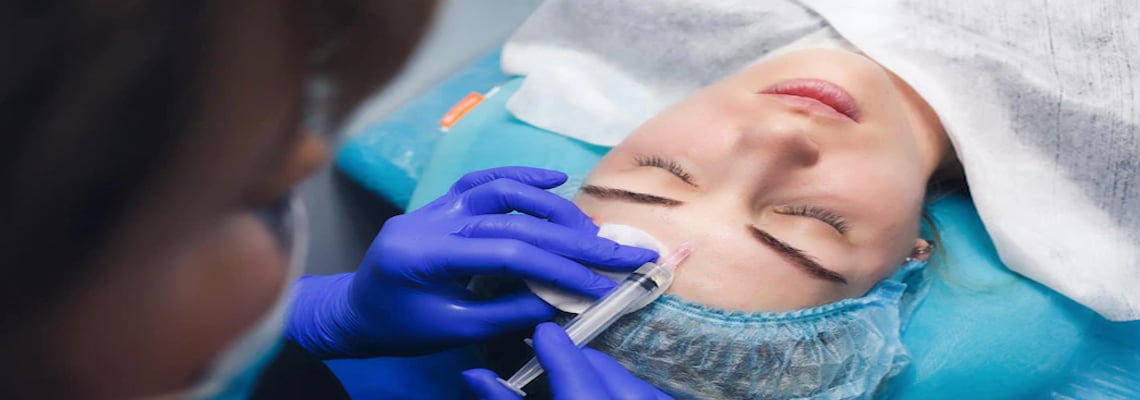
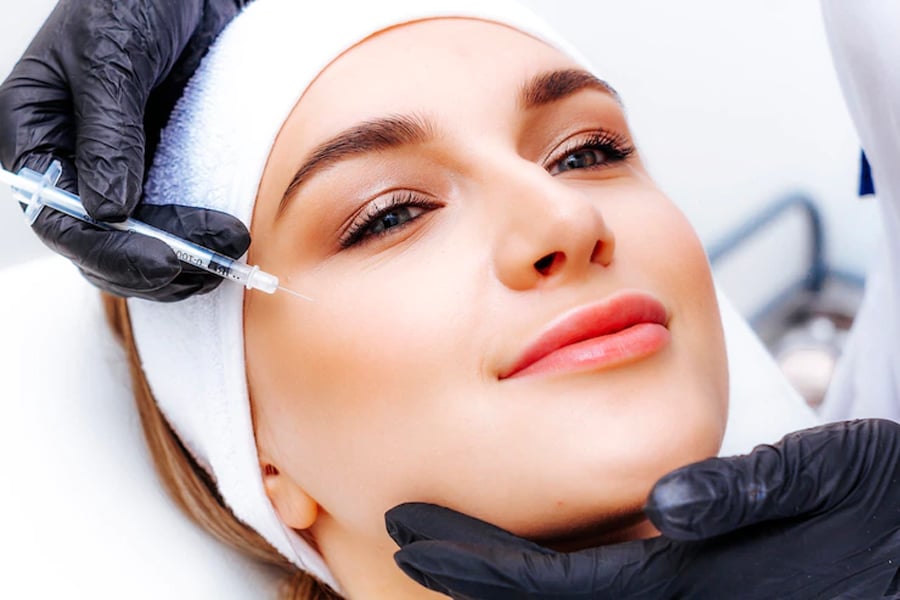
The "fibroblast pen" gadget is used in the fibroblast skin tightening process to give energy in the form of plasma to the skin in order to improve facial lines, wrinkles, aging-related skin pigmentation, and other skin issues.
It is based on the development of many tiny points close to and along the lines of skin tension. The process includes ionizing gases from ambient air to create a micro-electric discharge, which causes solids from the extra or sagging surface skin layer to be transformed into a gas.
The skin fibers are immediately contracted and tightened during this process, which has a reconstructive, toning, and rejuvenating impact. This procedure may be used to treat many different parts of the body and face. The length of the treatment depends on the size of the treated area and might range from 30 minutes to 3 hours.
The fibroblast procedure produces benefits right away, but you must wait three to six weeks to appreciate the ultimate appearance.
The majority of patients just require one visit. However, to get outcomes equivalent to surgical operations, physicians could advise one to three sessions spaced eight weeks apart.
What advice is given for aftercare following treatment?
There can be a burning sensation following therapy. Usually, this sensation will go away the following day. An anti-inflammatory medication, such as ibuprofen, can be taken if it lasts longer.
Additionally, edema is typical and can be seen around the eyes for a few days. Over the treated region, the crust often becomes larger and first appears to be dark or black in color. Up to two weeks may pass before peeling is totally gone.
The majority of patients just require one visit. However, to get outcomes equivalent to surgical operations, physicians could advise one to three sessions spaced eight weeks apart.
To enhance the results of the fibroblast therapy, your doctor will provide you with certain aftercare advice, such as:
- Avoid exfoliating the skin.
- Keep the area you've treated clean.
- Avoid too much dampness
- Use sunscreen to shield the area you've treated.
- Till the treated area heals, keep it away from intense heat or cold.
Are the effects of this process long-lasting?
The effects of this therapy should generally continue as long as they did with operations.
Fibroblast treatments are not fully permanent, and they cannot reverse the affects of aging, but depending on the region treated, the effects should endure for years.
Keep in mind that a number of things, including smoking, excessive sun exposure, and drug or alcohol misuse, may prevent the outcome.
What is the price of fibroblast?
The price varies generally depending on a number of variables, including:
- the specialist's credentials who is doing the surgery.
- target region.
- the clinic's location geographically.
Therefore, meeting with the doctor to review the target area and establish the expected cost following the consultation is the best approach to obtain an exact quote.
It is important to note that this process is more costly than surgery. It also cuts downtime while producing outcomes that are on par with surgical methods.